Table of Contents
- Mehndi Design and Its Meaning
- Mehndi Design Trends for 2026
- Simple Mehndi Designs
- Front Hand Mehndi Designs
- Full Hand & Bridal Mehndi Designs
- Back Hand Mehndi Designs
- Arabic Mehndi Designs
- Mehndi Designs for Feet, Kids & Festivals
- Tips for Dark Mehndi Colour
- Final Thoughts
At Destination Weddings India, we’ve planned weddings across cities. Over the years, this has taken us to beach weddings in Goa, palace celebrations in Udaipur and Jaipur and quieter hill weddings in places like Mussoorie & Shimla. Each setting shaping the mood and details in its own way.
And no matter the location or scale, one thing never changes, mehndi design is never just decoration.
It’s a feeling that arrives before the function does.
We see it during pre-wedding afternoons, when the music hasn’t started yet and hands are already being held carefully. We see it on Karwa Chauth evenings, when bangles make that soft familiar sound and everyone keeps turning their palms, checking the colour again and again. Someone always says, “Abhi aur dark ho jayega.”
And then there are days when there’s no reason at all. No wedding. No festival. Just a slow Sunday and the sudden thought – let’s apply mehndi.
That’s how deeply mehndi is woven into everyday life.
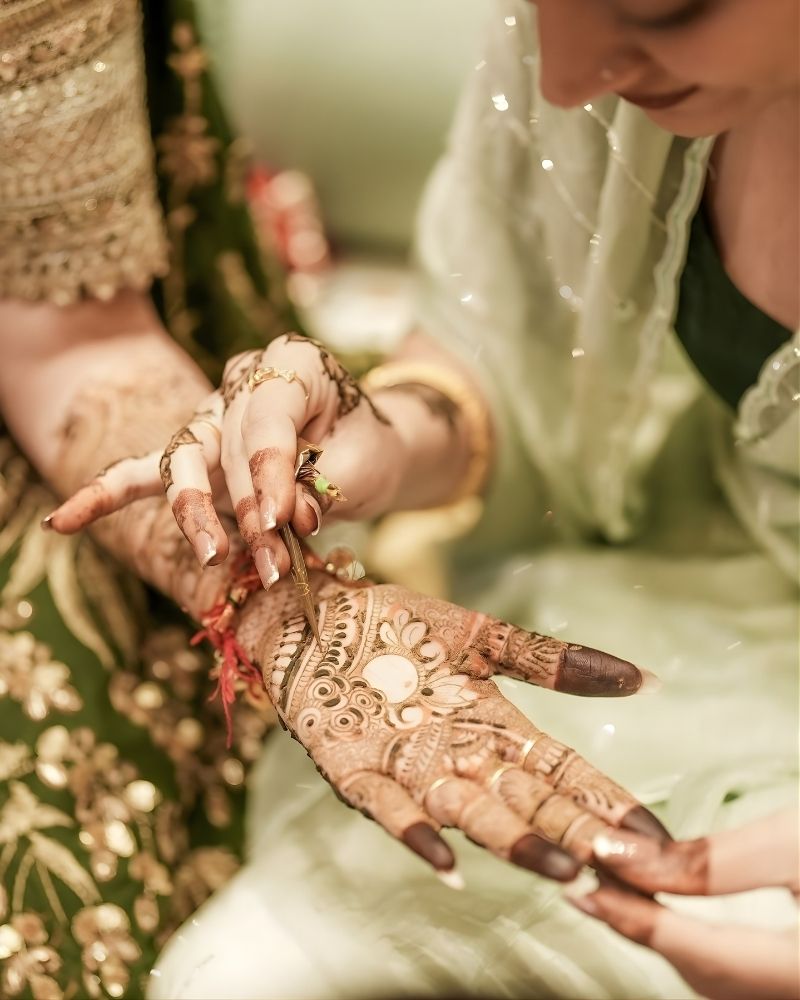
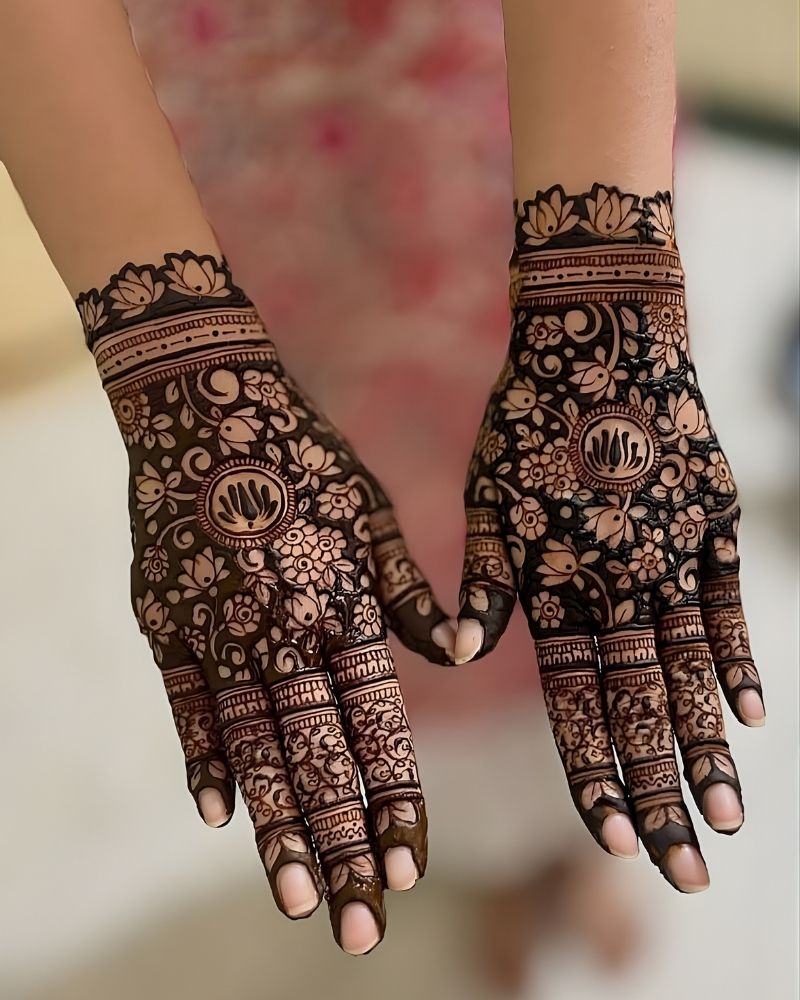
In 2026, people aren’t just searching for mehndi design anymore. They’re searching for the right one. Something simple. Something easy. Something beautiful but also comfortable. A design they can wear through long celebrations without feeling weighed down.
This guide brings together simple mehndi designs, Arabic mehndi designs, front hand and back hand mehndi designs, full hand mehndi designs, and mehndi designs for hands and feet.
You’ll find modern styles, traditional patterns and a lot of visual inspiration along the way because with mehndi seeing the design matters just as much as reading about it.
Planning a destination wedding in India?
We help couples plan weddings across India with clarity and ease. --> Connect Now
What Mehndi Design Really Means
Mehndi design is the art of henna paste on the skin to create decorative patterns. Once the paste dries and flakes off, the stain slowly deepens over the next day or two.
But anyone who’s ever sat waiting for mehndi to dry knows, it’s about more than patterns.
It’s about waiting. About patience. About not moving your hand even when it starts to feel uncomfortable.
There’s a smell too. That earthy, slightly bitter henna smell that fills the room before you even see the design. Conversations slow down. Time stretches.
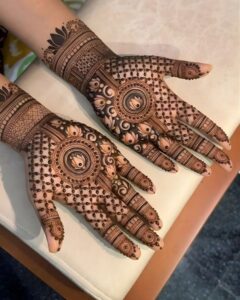
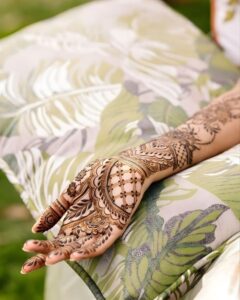
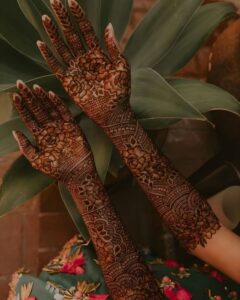
We’ve watched this moment play out countless times at weddings. Late afternoon light. Someone sitting quietly, palms open. At first the colour looks dull, almost disappointing. And then, slowly, it changes. That moment hasn’t changed in yearsand probably never will.
Latest Mehndi Design Trends for 2026
The biggest change we’re seeing in 2026 is restraint. Designs are cleaner. Lighter. More thoughtful.
Heavy full-hand designs are still chosen for weddings, especially bridal looks, but they’re no longer the default for everyone. From what we see at events and across social platforms, people want designs they can actually live with for hours.
Minimal mehndi designs are everywhere. So are khafif styles. Instagram and Pinterest have influenced how people think about spacing and balance, filling every inch is no longer the goal.
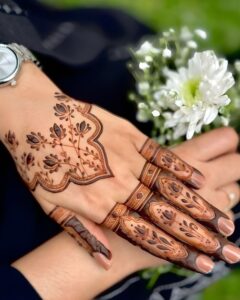
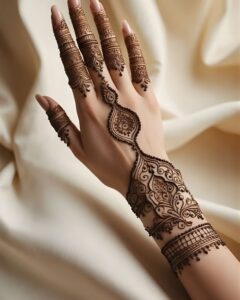
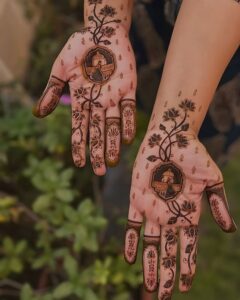
What’s showing up again and again in 2026:
- Minimal mehndi designs with open space
- Circle and round mehndi designs
- Mandala designs placed neatly on the palm
- Tattoo-style mehndi with sharp outlines
- Designs that intentionally use negative space
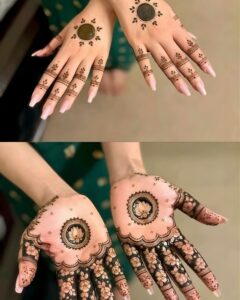
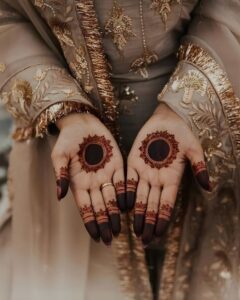
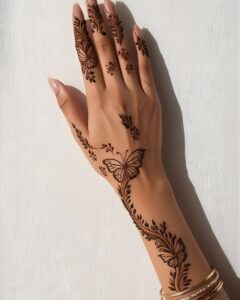
To be fair, bold and royal designs still have their place. Weddings still demand drama. But for pre-wedding functions, festivals, and modern celebrations, balance matters more now than ever.
Design choices often depend on the venue and setting.
 If you’re planning a destination wedding, we’re happy to help you plan it smoothly. --> Connect Now
Simple Mehndi Design (Easy, Beautiful and Comfortable)
Simple mehndi design remains the most searched category and honestly, it makes sense.
Not everyone wants to sit still for hours. Some people barely manage an hour before hands start to ache and patience runs out.
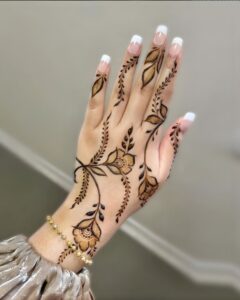
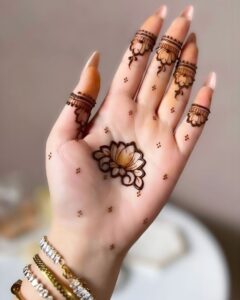
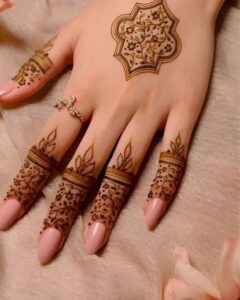
Simple mehndi designs work well for:
- Beginners
- Office or college wear
- Small festivals
- Family gatherings
These include very easy mehndi designs and designs that are easy and beautiful without being heavy. One thing people often don’t think about is how gracefully simple designs fade they tend to look better even after a few days.
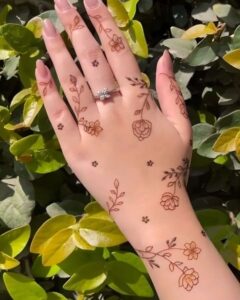
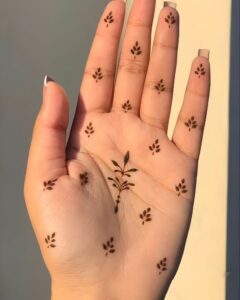
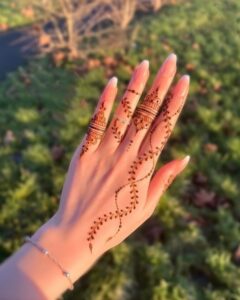
Front Hand Simple Mehndi Design
Front hand mehndi designs are usually the first thing people notice. When you greet guests, accept blessings, hold flowers, or even just sit and talk, your palms are visible most of the time. In photos too, it’s almost always the front of the hand that shows up first, especially in close shots and candid moments.
There’s something very expressive about front hand mehndi. The palm opens and closes as you move, and the design moves with it. Because of that, people often prefer designs that feel comfortable and balanced. Not too heavy. Not too empty either. Just enough to feel finished.
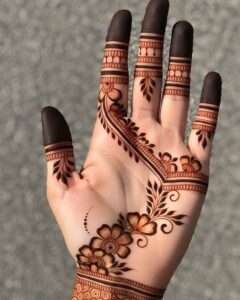
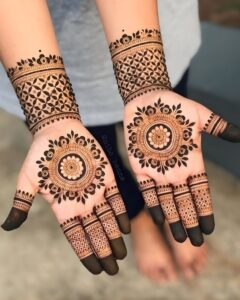
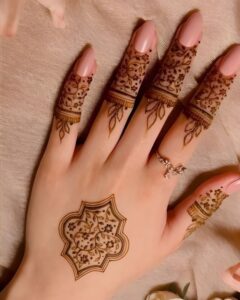
A lot of front hand designs focus on a few familiar elements:
- A mandala placed right in the center of the palm, giving the design a natural starting point
- Finger-focused patterns that add detail without making the palm feel crowded
- Simple circles, dots, and lines that keep things light and easy
- Soft floral touches that work well for both weddings and smaller functions
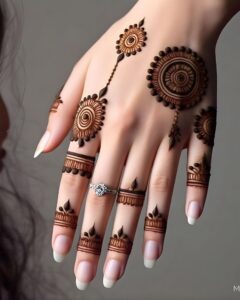
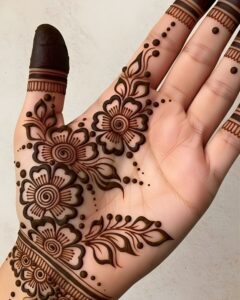
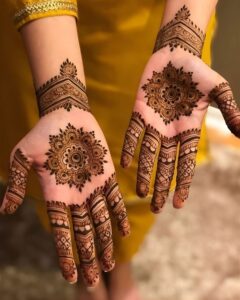
From what we’ve seen, people often decide the entire mehndi look based on the front hand. If the palm feels right, everything else falls into place. Some prefer very clean, minimal designs that don’t interfere with movement. Others like a bit more detail, especially for special occasions. Both work, it really comes down to comfort and personal style.
Front hand mehndi designs quietly set the tone for everything else. They influence how detailed the fingers become, whether the back hand stays simple, and how the overall design feels once the day gets busy. When the front hand feels easy to wear, the whole mehndi experience feels better.
Royal Front Hand & Full Hand Mehndi Designs
Some occasions just need more detail. Weddings are one of those, no question.
Wedding mehndi is different. You feel it right away. It isn’t rushed. It isn’t light. It’s meant to take time, both to apply and to wear. Royal front hand mehndi designs usually fall into this space. They’re full, detailed, and meant to stand out without trying too hard.
These full hand designs often cover the entire palm and slowly move outward. There’s a lot going on when you look closely. Traditional shapes, repeating patterns, small details tucked into corners. The kind of design where someone leans in and says, “Let me see properly.”
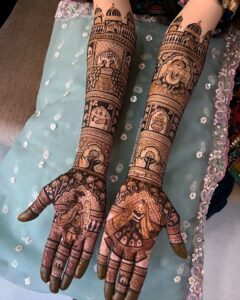
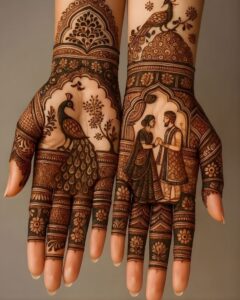
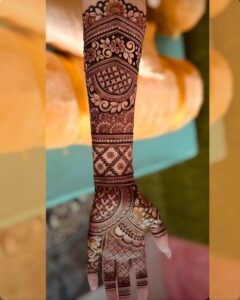
From what we’ve seen at weddings, especially the long ones, comfort becomes a real thing. At first, everyone focuses on how the design looks. A few hours later, how it feels starts to matter just as much. Designs that are heavy everywhere palm, fingers, wrist can begin to feel tiring.
That’s why many brides end up liking a mix. A detailed, expressive palm. Lighter fingers. Enough space to breathe. It still looks bridal. Still looks rich. But it’s easier to carry through the day.
Hands are never still at a wedding. They’re doing something constantly. Holding flowers. Touching jewellery. Greeting people again and again. A good royal front hand mehndi design takes that into account. It moves with the hand instead of working against it.
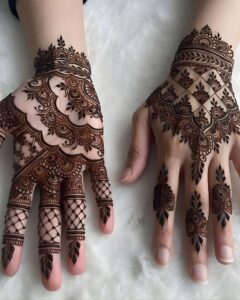
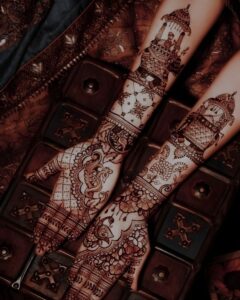

When that balance is right, the mehndi doesn’t feel like something you’re waiting to wash off. It just becomes part of the day. And honestly, that’s when it works best.
Back Hand Mehndi Design (A Modern Favourite)
Back hand mehndi designs have become extremely popular over the last few years, especially for destination weddings and outdoor functions. We see this choice come up again and again, and honestly, it’s easy to understand why.
The back of the hand is visible without being too exposed. It shows when you’re holding a glass, fixing jewellery, greeting guests, or just standing around talking. It doesn’t demand attention, but it still gets noticed. That balance works really well for modern celebrations.
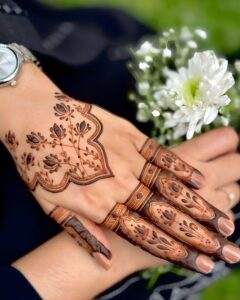
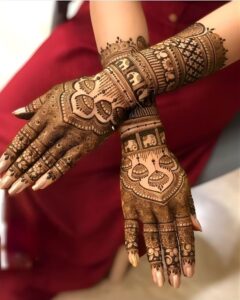
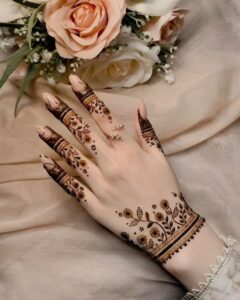
Back hand designs also photograph beautifully, especially in natural light. Outdoor weddings, beach settings, palace courtyards, this is where these designs really shine. The patterns catch light in a softer way and the photos tend to look cleaner and less crowded compared to heavy full hand designs.
Another reason people lean toward back hand mehndi is comfort. Full hand designs can feel like a lot after a few hours, especially during long functions. Back hand designs feel lighter. Easier. You’re not constantly aware of them, which makes a difference during busy wedding days.
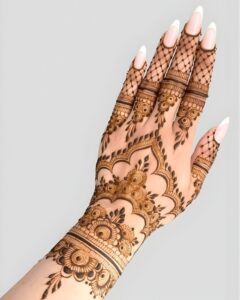
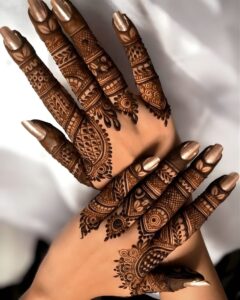
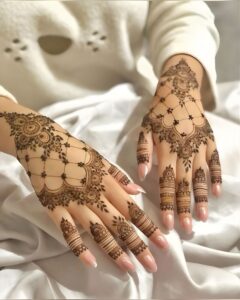
From what we’ve seen, back hand mehndi often becomes the choice for bridesmaids, close family members, and even brides who want something elegant without going all in. It looks stylish, feels practical, and fits naturally into the flow of destination weddings where comfort matters just as much as appearance.
When done well, a back hand mehndi design doesn’t try to steal the spotlight. It quietly adds to the lookand sometimes, that’s exactly what works best.
Arabic Mehndi Design
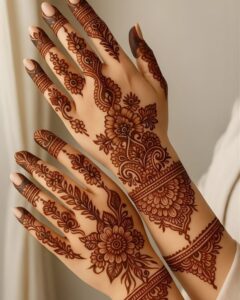
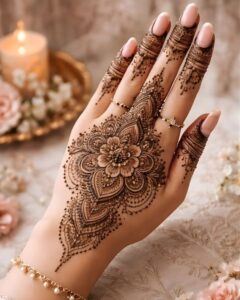
Arabic mehndi is one of those styles you recognise without really thinking about it. You see it on someone’s hand and you just know. The lines are thicker. The pattern feels like it’s moving instead of sitting still. And there’s space. Always space. On purpose.
It never tries to fill the whole hand. It doesn’t feel crowded. It doesn’t feel like too much. The design usually starts somewhere and then flows across the palm, up a finger, sometimes slightly sideways. Big flowers appear, then thin out into leaves and curves. Nothing feels forced into place.
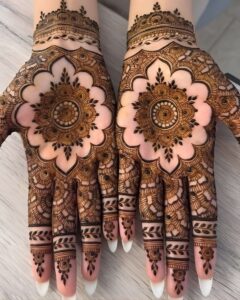
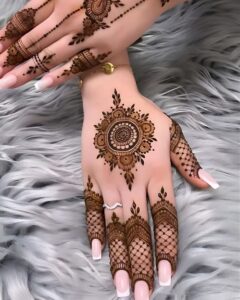
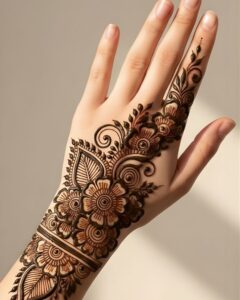
One thing people don’t really think about at first is how mehndi looks the next day. Or the day after that. Arabic mehndi holds up well. Because the design isn’t packed tightly, the colour settles evenly. It doesn’t break into odd patches. It just fades slowly, in a way that still looks nice.

Mehndi Designs for Feet, Legs & Kids
Mehndi isn’t limited to hands. It never really has been.
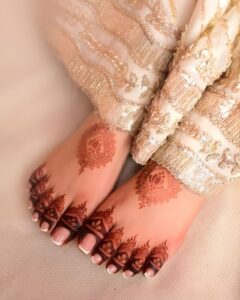
Feet mehndi designs show up often at weddings, especially for brides, and during festivals as well. It’s a quieter kind of mehndi. Less talked about, but still important. The feet are usually covered for most of the day, so the designs don’t need to be loud. They just need to feel right.
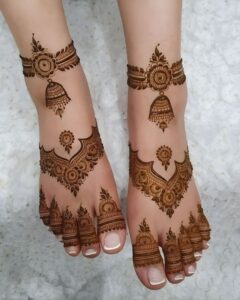
Most bridal feet mehndi stays simple. A little detailing around the toes. Something along the sides of the feet. Nothing too heavy. Comfort matters here more than anything else, especially when there’s a long day ahead.
Kids are a completely different story.
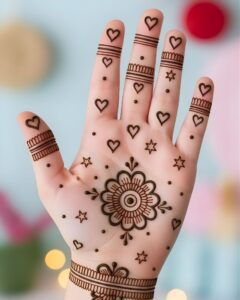
They want something quick. Something small. And they want it done now. Tiny flowers, dots, or a short trail on the hand is usually more than enough. Anything that takes too long doesn’t last very well anyway.
Patience levels really do matter here. With feet and with kids, simple designs work best. They’re easier to apply, easier to sit through, and easier to live with once the celebrations get going.
Planning multiple wedding functions at one destination?
 We help families plan destination weddings across India without the stress. --> Connect Now
Mehndi Designs for Festivals
Festival mehndi is usually simple. It just ends up that way, every time.
On festival days, no one is really sitting around planning designs. There’s already enough happening. Someone is getting ready, someone is calling from another room, food is being checked, time is being watched. Mehndi fits somewhere in the middle of all that. It happens quickly. Quietly.
Most people sit down, get something small done, wait for it to dry a little and get up. That’s it. No long discussions. No big decisions. Just something that feels right for the day.
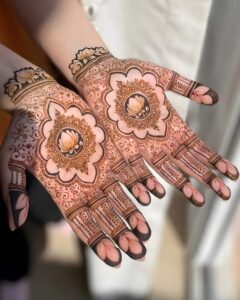
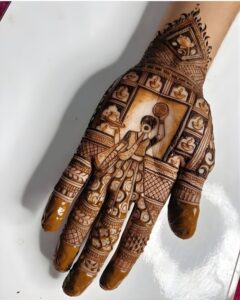

Festival mehndi isn’t about how much of the hand is covered. It’s about familiarity. A small design in the centre of the palm. A few lines on the fingers. Something you’ve seen before, something you don’t have to think about. It doesn’t need to be big to feel complete.
Comfort matters more than anyone admits. There’s fasting sometimes. There’s standing, moving, meeting people, doing things constantly. Heavy mehndi can start to feel annoying after a while. Simple designs stay easy. You forget about them, and that actually helps you enjoy the day.
Festival mehndi isn’t meant to stand out. It’s meant to belong. It sits there quietly while everything else happens around it. And honestly, that’s probably why people keep it simple, year after year, without even thinking about it.
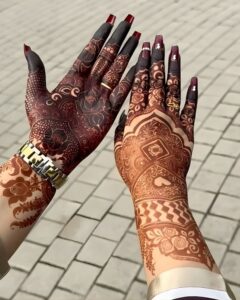
Tips for a Dark Mehndi Colour
- Clean skin before application
- Leave paste on for 6–8 hours
- Avoid water immediately after removal
- Apply lemon-sugar lightly
- Warmth helps deepen the stain
Patience really does make a difference.
Final Thoughts
At Destination Weddings India, we’ve noticed something over the years. A wedding doesn’t really start on the wedding day. It usually starts much earlier. Often with the mehndi.
It’s the first time families sit together properly. People relax a little. Conversations begin. The pressure eases. You can feel the shift.
If you’re planning a destination wedding anywhere in India, maybe you’re thinking about a palace, a beach, a hill station, or even a smaller heritage venue. We can help you figure things out. Not in a complicated way. Just step by step. Venues, dates, functions, vendors, guest movement. The practical stuff that actually matters.
Some people come to us with a clear plan. Others don’t know where to begin. Both are fine. We’ve worked with all kinds of couples and families, and most of the time, it starts with a simple conversation.
If you feel like talking it through, you can reach us here:
Email: info@destinationweddingsindia.com
Phone: +91-9220900868 | +91-8368631058

Or you can leave your details here. We’ll get back to you and take it from there.
Mehndi FAQs
How long should mehndi actually be left on for good colour?
Okay, so here’s the honest truth, mehndi rewards patience. From what We’ve seen, anything under 5–6 hours is just rushing it. You’ll get colour, yes, but not that deep, warm brown people usually want. If you can sit with it for around 7–9 hours, that’s where it really starts showing. Overnight? Even better, if you don’t mind sleeping carefully.
When should mehndi be applied before a wedding or event?
Most people think the night before is perfect. It’s actually a bit late. The sweet spot is usually 1–2 days before. When you first remove the paste, the colour looks kind of… disappointing. Orange. Almost neon sometimes. And people panic. But here’s the thing mehndi changes. Slowly. Over the next 24–48 hours, it deepens. Gets richer. Warmer. That’s when it looks its best. Apply it too early though, like 4–5 days before, and by the wedding day it might already be fading. Balance matters.
Why does mehndi turn darker on palms and feet?
Most people don’t realise this until someone points it out. Palms and soles have thicker skin. Henna binds better there. So the colour goes deeper and lasts longer. You’ll see it clearly the centre of the palm is dark, almost chocolatey, while the wrist or arm looks lighter. That’s normal. Nothing went wrong. That’s just how skin works.
What actually helps after applying mehndi?
Honestly, a lot of advice online is overcomplicated. You don’t need ten steps.
Here’s what actually works:
- Once the paste is mostly dry not wet, not cracking, a light lemon-sugar dab helps it stay on longer. You can hear it slightly stick when you touch it. That’s good.
- After removing the paste, avoid water for about 20–24 hours. This part is annoying, We know. But it matters. And rubbing a little coconut or mustard oil after scraping it off? Simple. Effective. It seals the colour.
How long does mehndi usually last on the skin?
Mehndi doesn’t fade overnight. It slowly disappears as your skin sheds. On average, you’ll see it for around 10–18 days. Sometimes longer on feet. Hands fade faster because, well, we wash them constantly. Cooking. Cleaning. Life.
If you’re careful with water and soap in the first couple of days, it lasts noticeably longer. You can actually see the difference.
How long does mehndi keep darkening after the paste comes off?
Right after you scrape the paste off, don’t judge it. Seriously. It looks bright orange at first. Almost cartoonish. That’s not the final colour.
Over the next 24–48 hours, it slowly settles. Darkens. Warms up. Sometimes you wake up the next morning and it already looks better. By the second day, that’s the real shade.
The truth is, mehndi has its own timeline. You can’t rush it. You just wait.