
Table of Contents
A wedding is coming up, yours or someone else’s and the mehndi question needs answering. We have planned weddings across Rajasthan, Goa, Kashmir, Coorg, and Himachal. Hundreds of mehndi sessions. We have watched simple designs outshine elaborate ones because the bride understood her hand and chose accordingly. We have seen the opposite too.
This is not a design catalogue. It is what we would tell you in person, 100+ front hand mehndi design ideas across 18 categories, with honest guidance on what works and why.
How to Choose the Right Front Hand Mehndi Design for Your Occasion
Which front hand mehndi design is right for my occasion? Match the design to the day. Bridal mehndi needs full detail. Engagement mehndi sits a level below. Festival designs like Karwa Chauth or Teej are traditionally heavier than casual celebration mehndi. The occasion sets the standard, let it guide you before you look at a single image.
How long does front hand mehndi take? Simple and Arabic designs take 30 to 60 minutes. Detailed bridal designs take 2.5 to 4 hours. Be honest with yourself about how long you can actually sit, on a low chowki, with a complaining back, cold tea, and relatives stopping by every twenty minutes. If the answer is under two hours, choose Arabic, minimal, or half-hand. They photograph just as beautifully.
Which design suits my hand shape? Bold motifs on small palms look crowded. Fine dense work on wide palms looks thin. Long fingers carry detailed finger designs well. Short fingers look better when the design focuses on the palm. Ask your artist what suits your hand before finalising anything, a good one will already know.
Should mehndi match my jewellery? Yes, and most people forget this. Heavy bangles, kundan sets, and a packed full-hand mehndi running to the wrist creates visual competition where nothing wins. If your jewellery is significant, keep the wrist open and concentrate detail at the palm and fingertips. It looks cleaner and photographs better.
When should I apply mehndi before the wedding? 24 to 48 hours before the ceremony. The stain deepens for 24 to 36 hours after paste removal, what you see immediately after is only about half the final colour. Time it right and the design peaks exactly when it matters.
Which Front Hand Mehndi Design Is Best for Brides in 2026?
Bridal Front Hand Mehndi Designs Images
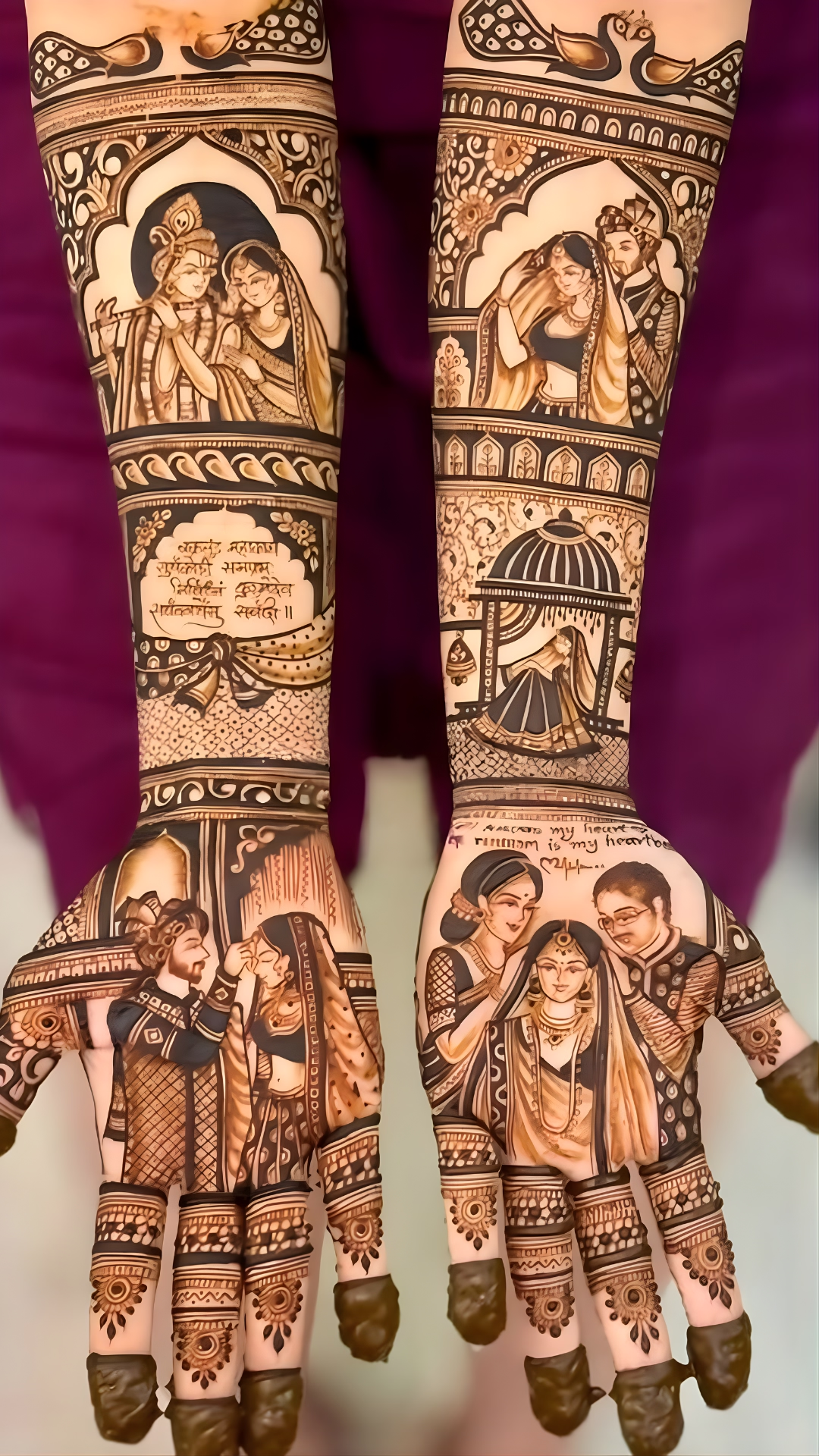
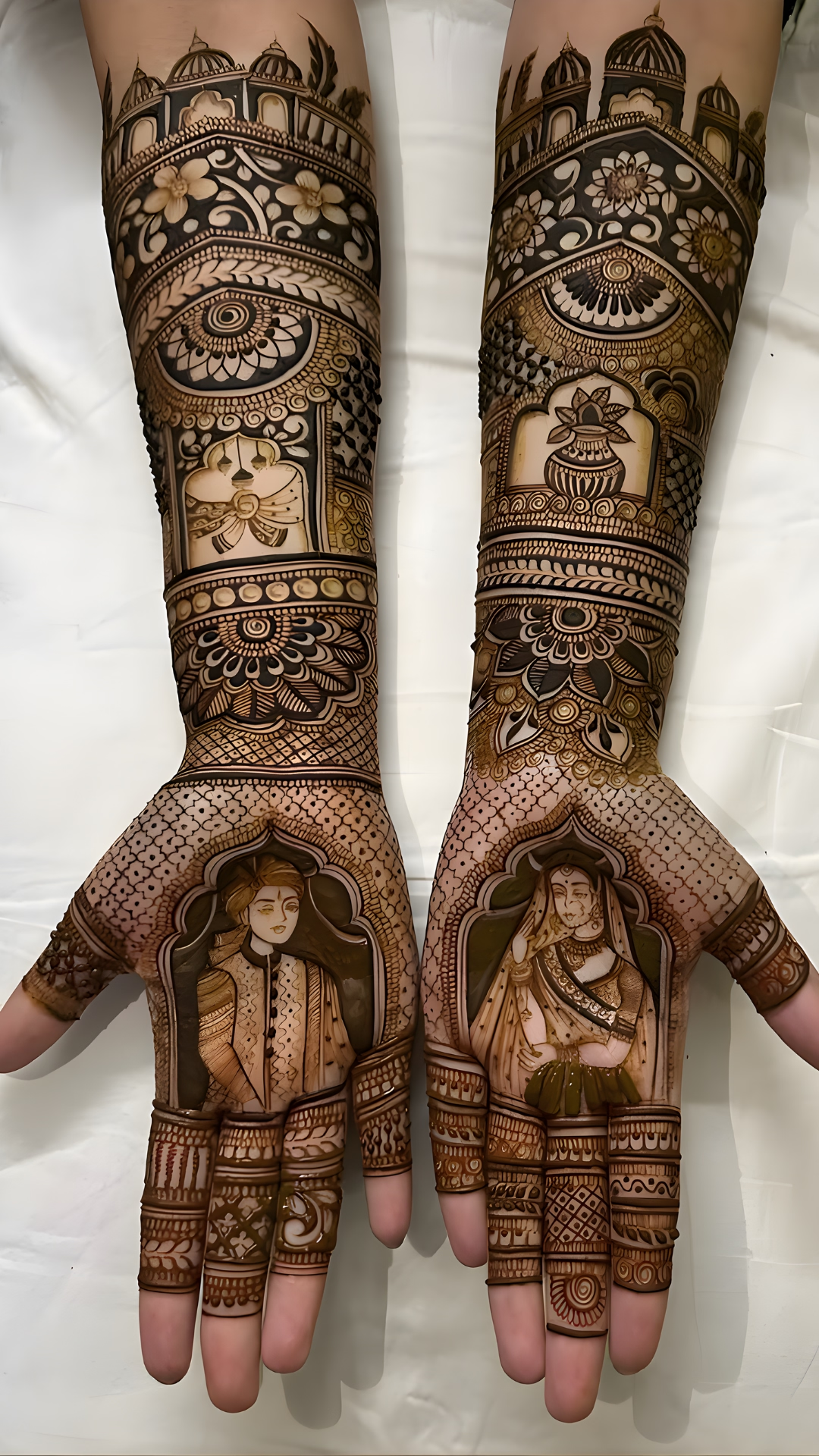
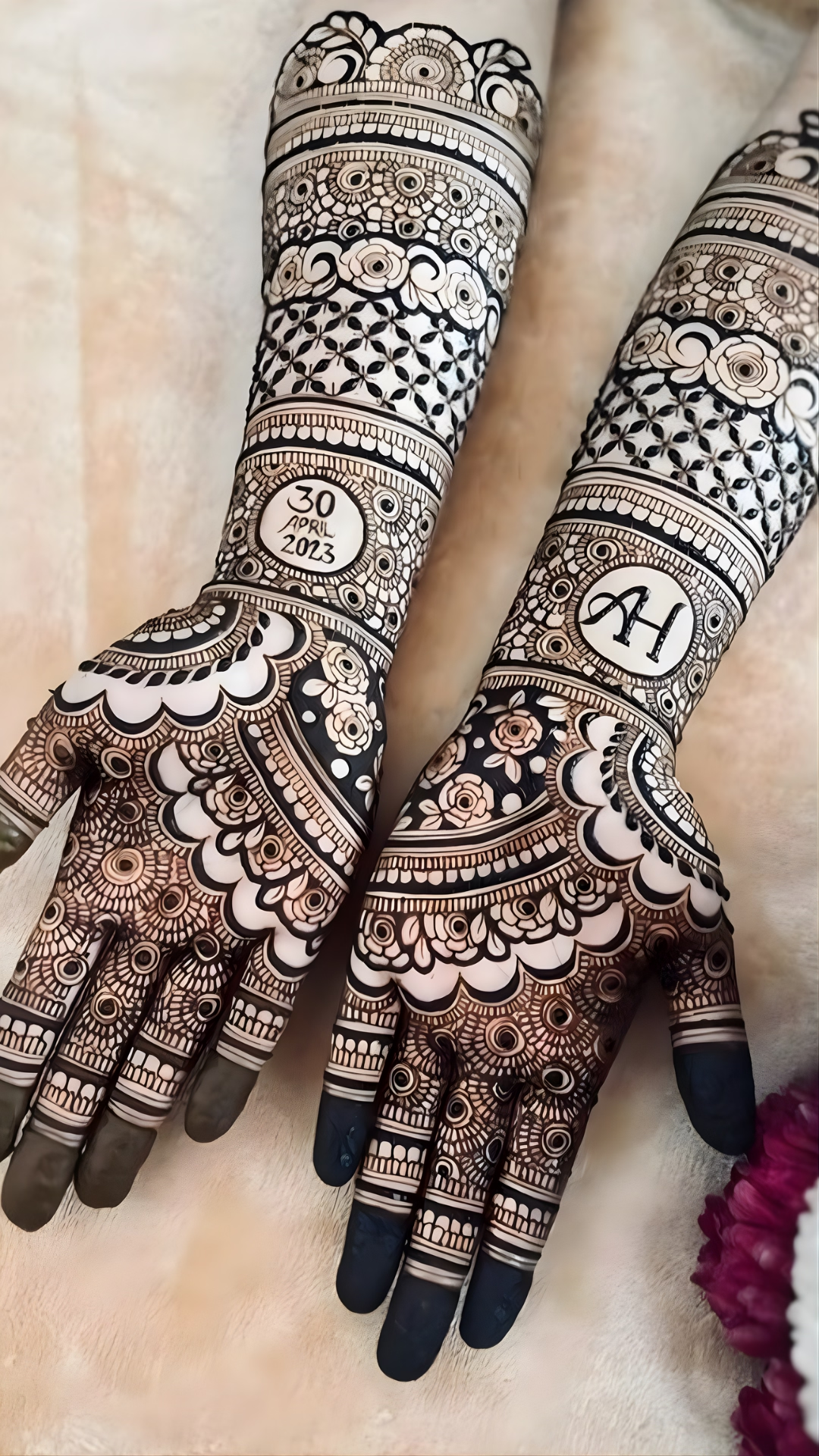
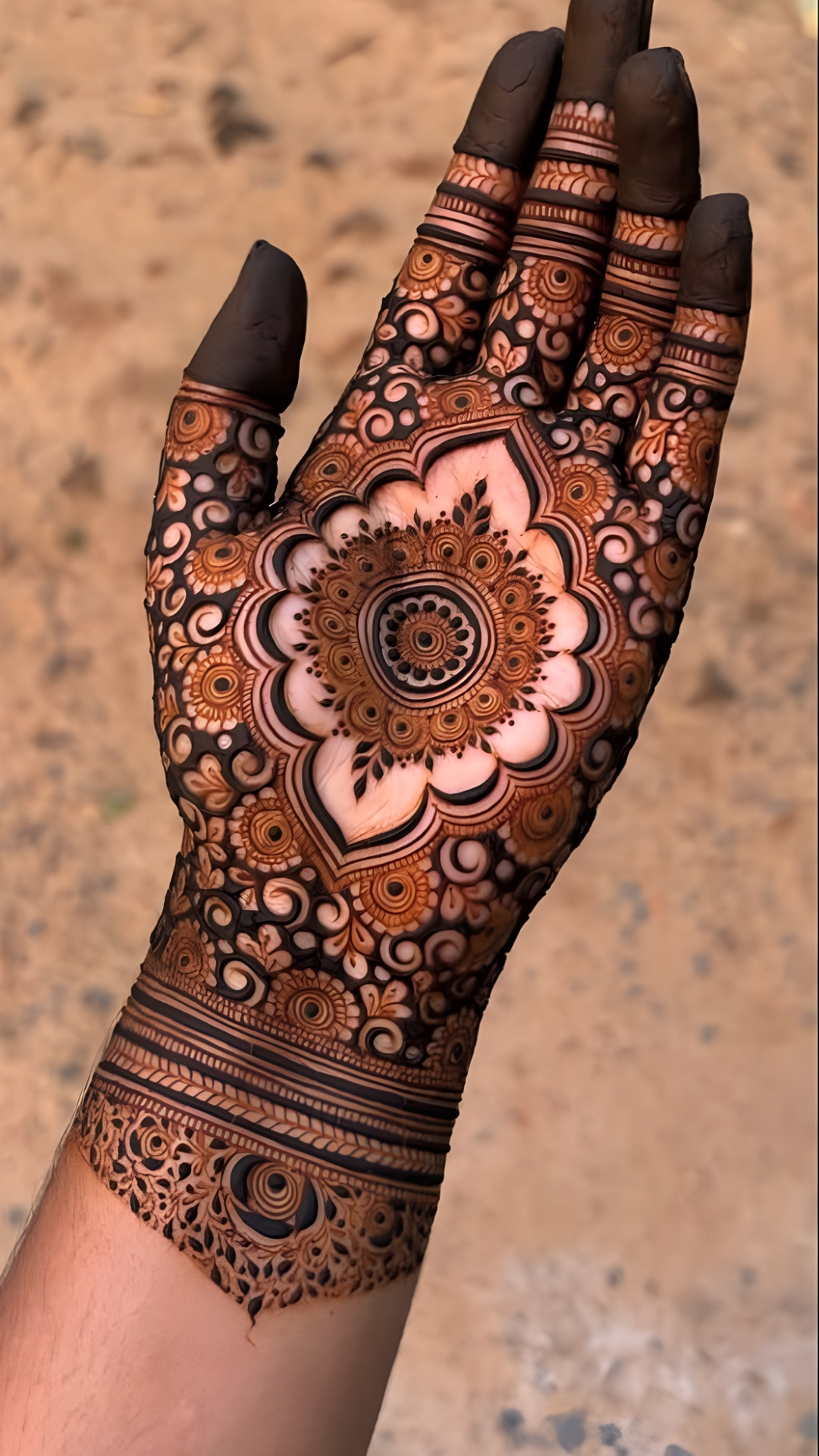
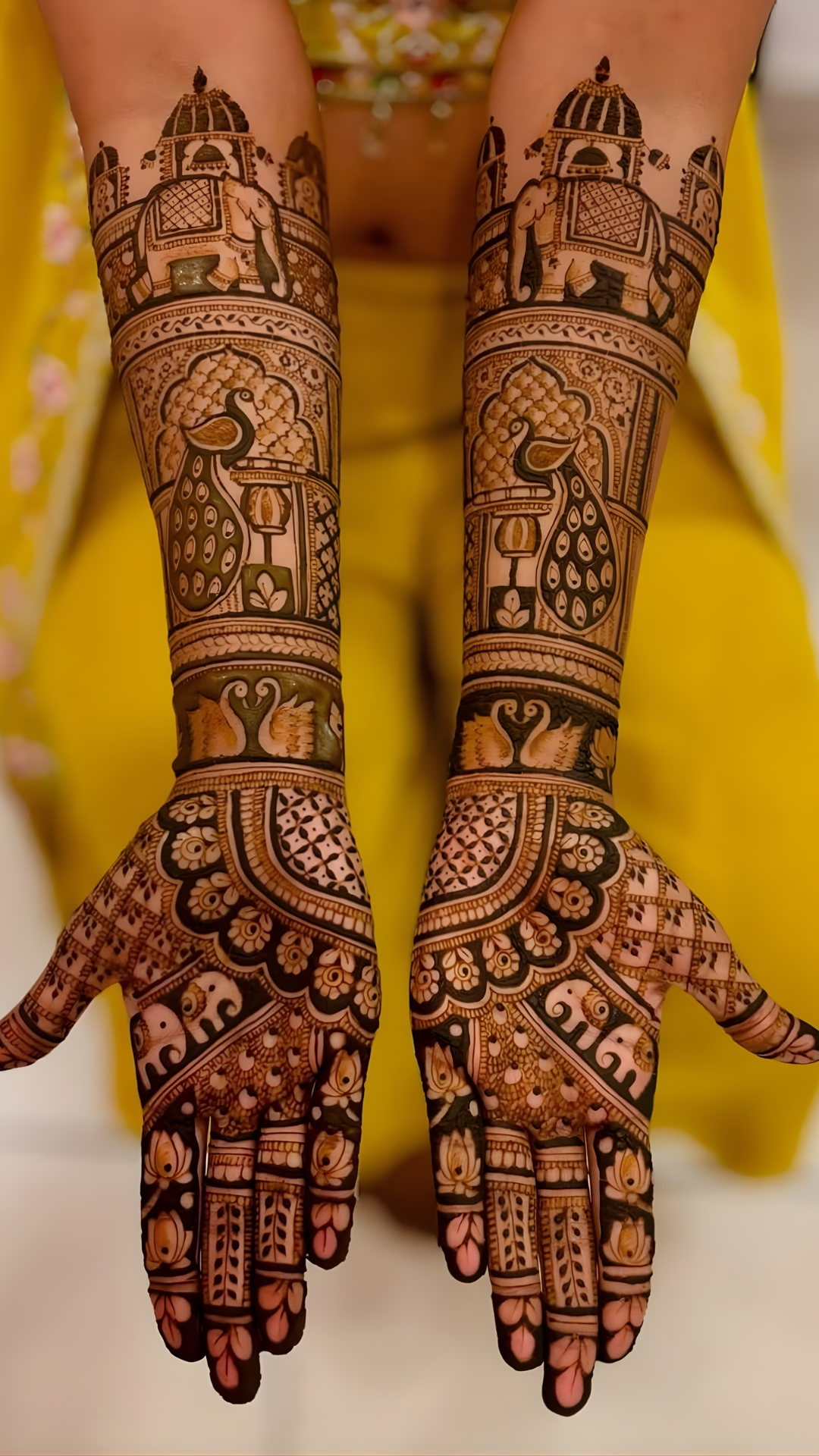
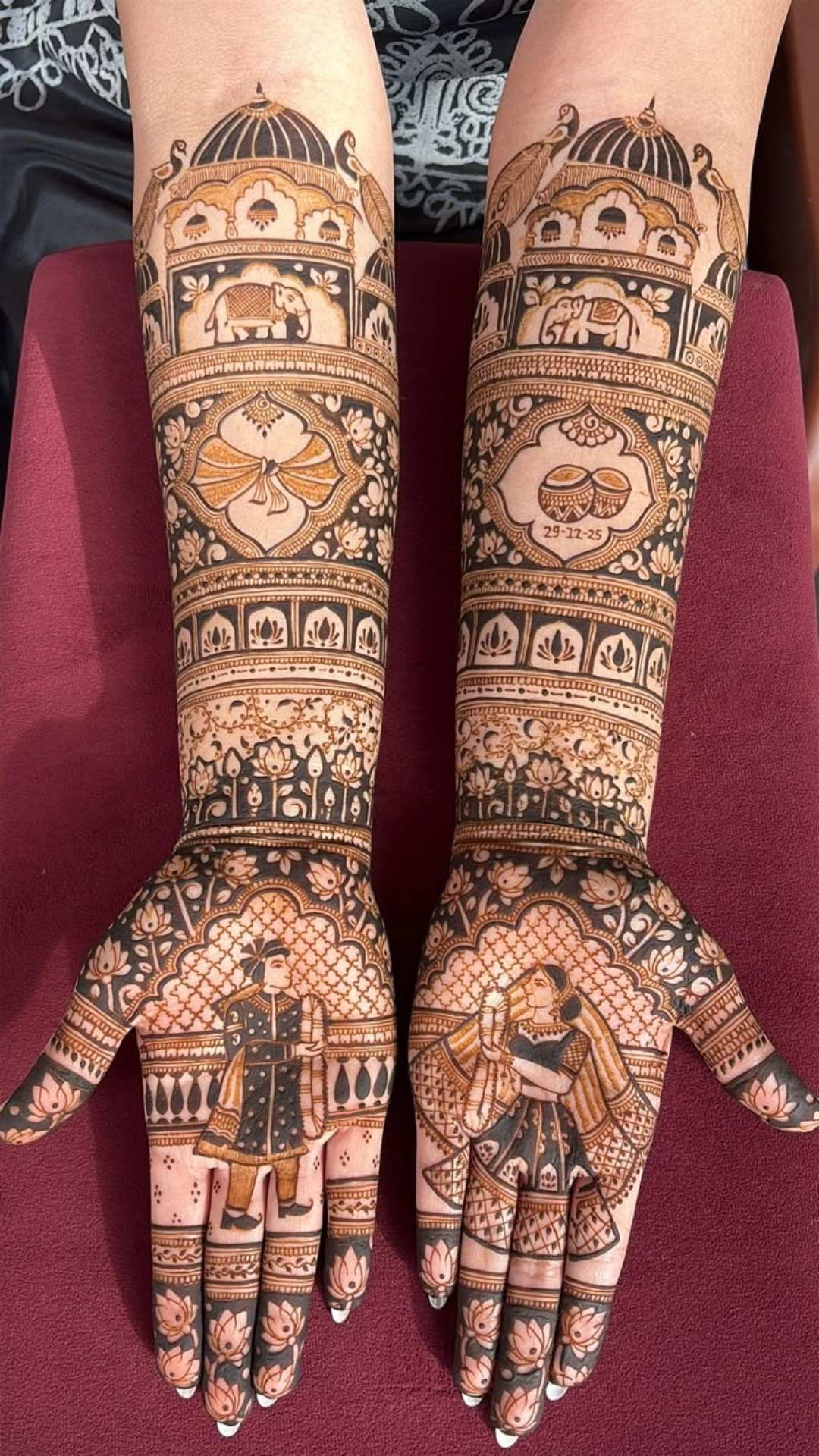
Bridal mehndi carries weight no other mehndi decision carries. This design is in every photograph from the most important day of your life. Ring ceremony. Pheras. The morning-after getting-ready video your friend is going to post. Your hands are in all of it.
What’s actually working in 2026: a strong centre-palm focal point that holds its own, peacock, lotus, mandap scene, or bride-groom portrait, with finger work that supports rather than competes, and a wrist border that finishes the design rather than just trailing off into nothing.
The dulha-dulhan portrait has become almost expected at big weddings now. A miniature couple inside a jharokha arch, the groom in sherwani, the bride in lehenga, and the really good artists make the faces actually resemble the couple. Guests gather around these. The photographer always ends up flat on the ground trying to capture the portrait in frame. It’s one of those wedding details people talk about for years after.
The thing nobody warns brides about: senior mehndi artists book out much earlier than you’d expect. The really good ones in Jaipur, Udaipur, Delhi, they’re sorted for peak wedding season by April or May. If you’re planning a winter wedding and reading this in August, you’re already late for your first choices. Move fast.
What Does Arabic Front Hand Mehndi Look Like and Why Is It So Popular?
Arabic Front Hand Mehndi Designs Images
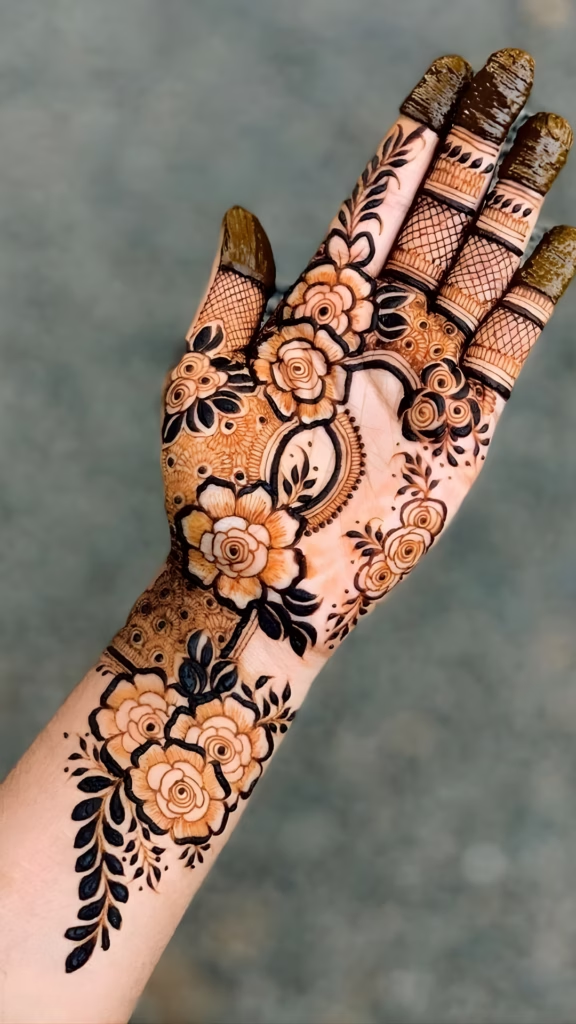
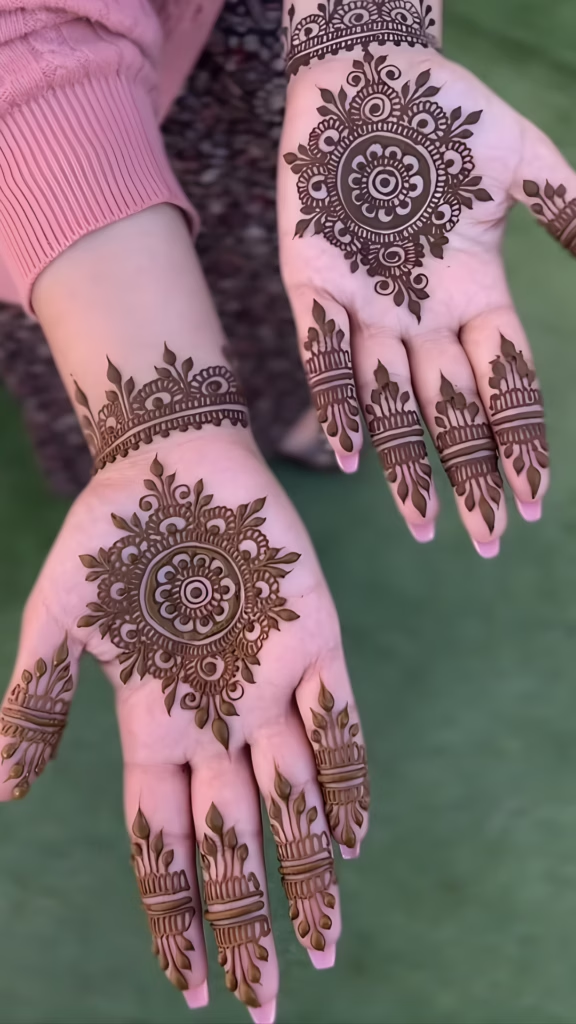
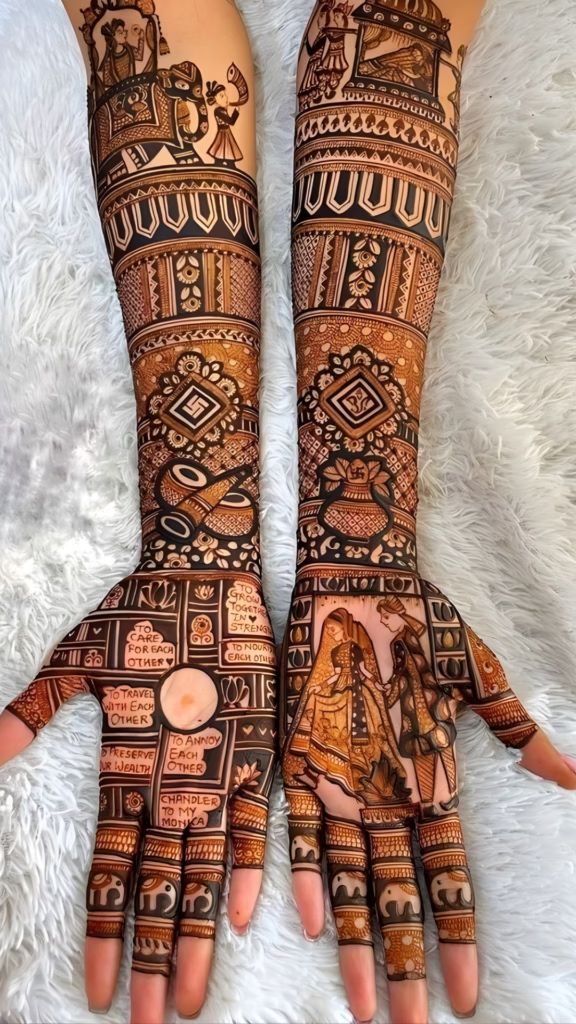
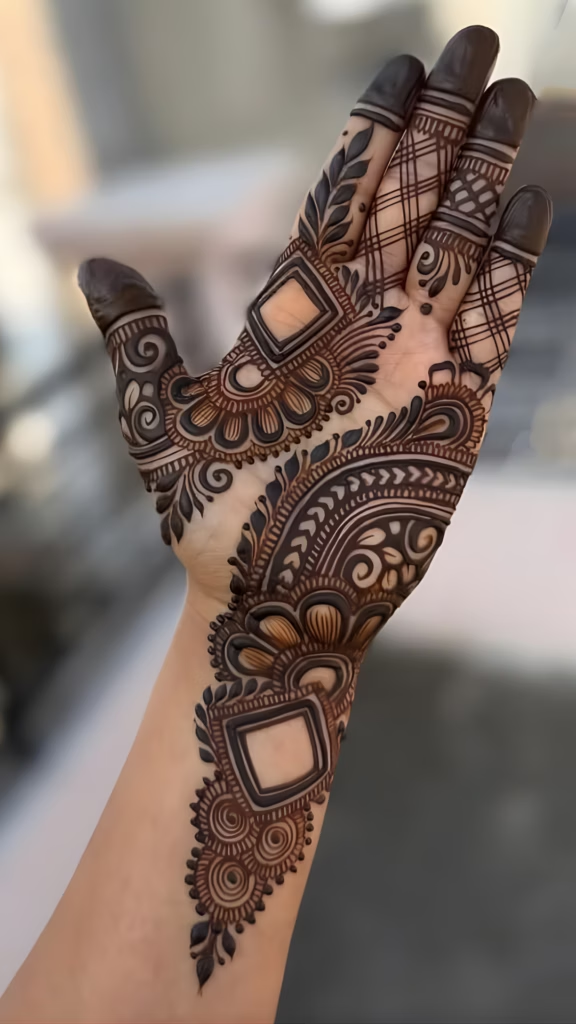
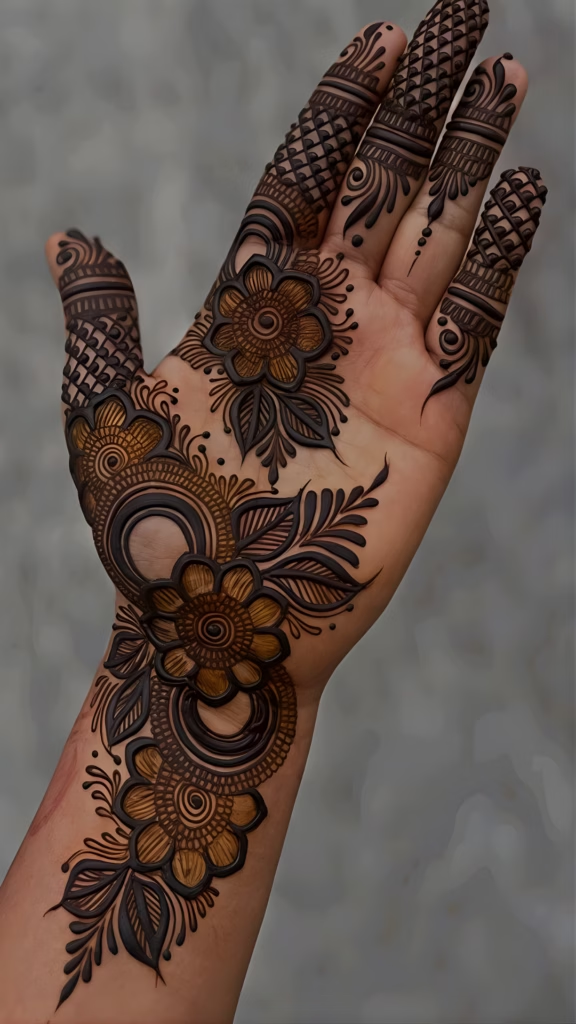
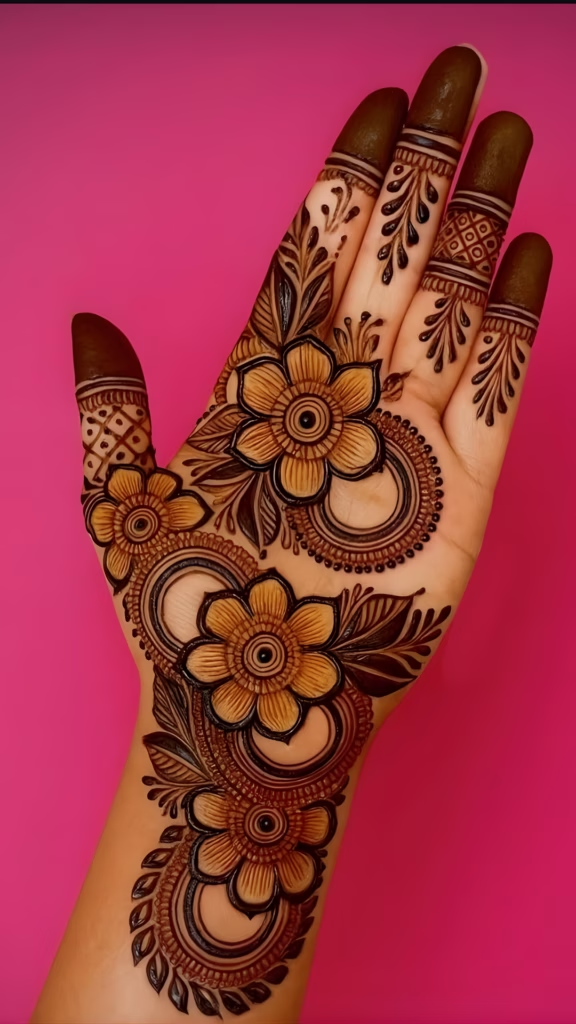
Ask any working mehndi artist which style fills their weekends and they’ll say Arabic before you finish the question. Some of them say it with a certain tiredness, roses and diagonal trails, weekend after weekend, but they say it because that’s genuinely what people want.
The reason Arabic mehndi works so consistently is that it looks beautiful on almost everyone without requiring anyone to sit for very long. A skilled artist can give you a genuinely lovely Arabic front hand design in under an hour. At a wedding where a hundred guests also want mehndi, that matters enormously.
What makes Arabic look Arabic is two things, the diagonal movement across the palm and the deliberate empty space between motifs. The design doesn’t try to fill your entire hand. It moves across it. Big open flowers along a sweeping trail, breathing room between everything. When people say Arabic looks “modern,” what they’re actually responding to is the confidence of leaving parts of the palm intentionally bare.
This year the flowers are getting bolder. Bigger roses, thicker petals, more detailed centres. Some artists are adding fine dot trails between the major motifs, tiny dots that connect elements without filling the space between them. It adds visual texture without losing the openness that makes Arabic work.
What Is Rajasthani Front Hand Mehndi Design and Who Should Choose It?
Rajasthani Front Hand Mehndi Designs Images
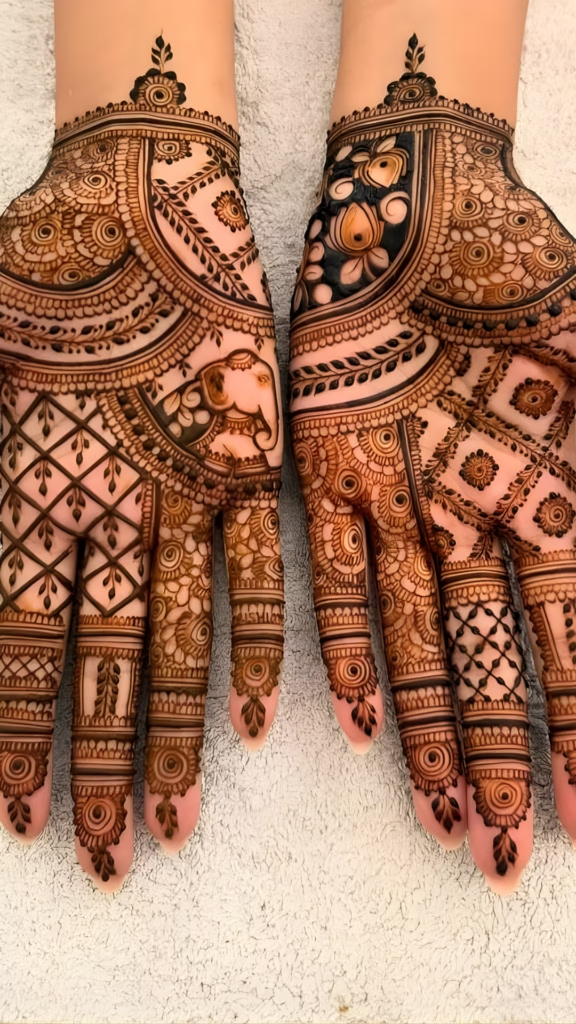
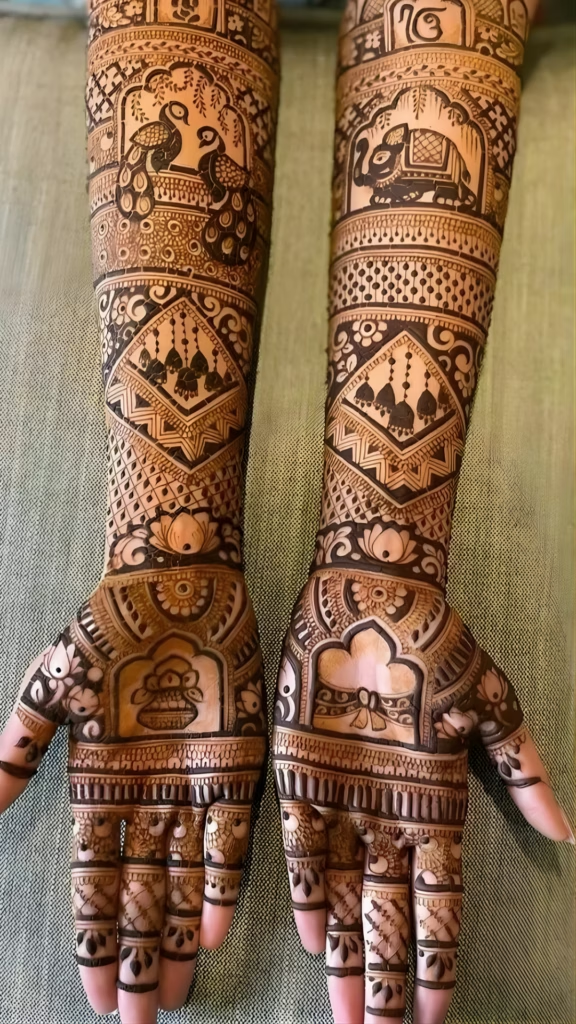
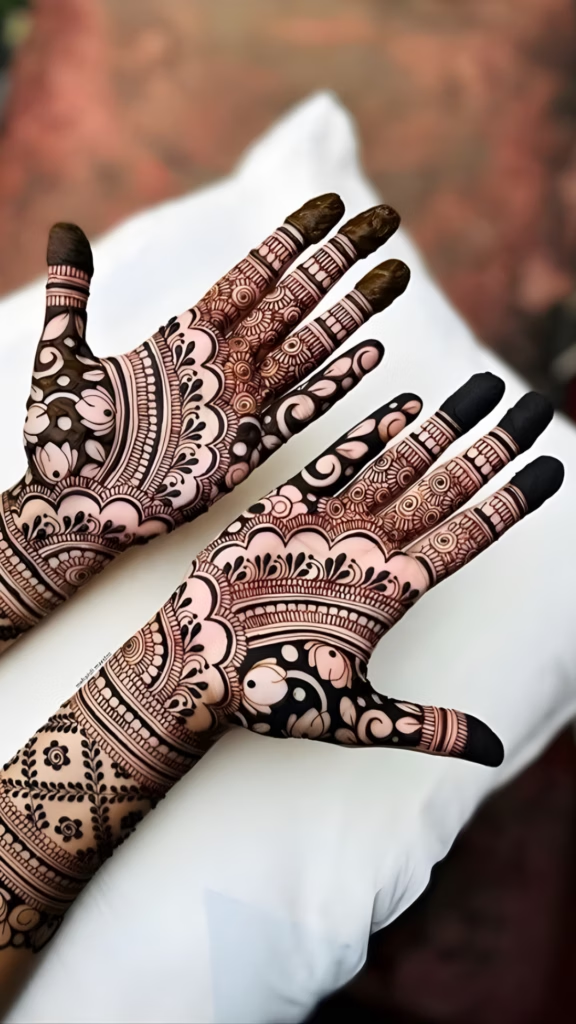
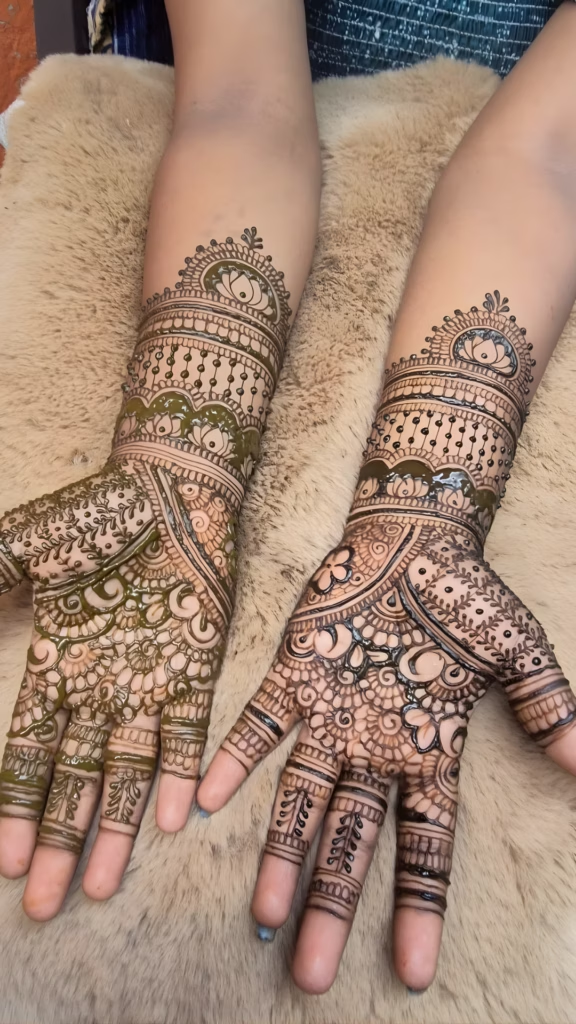
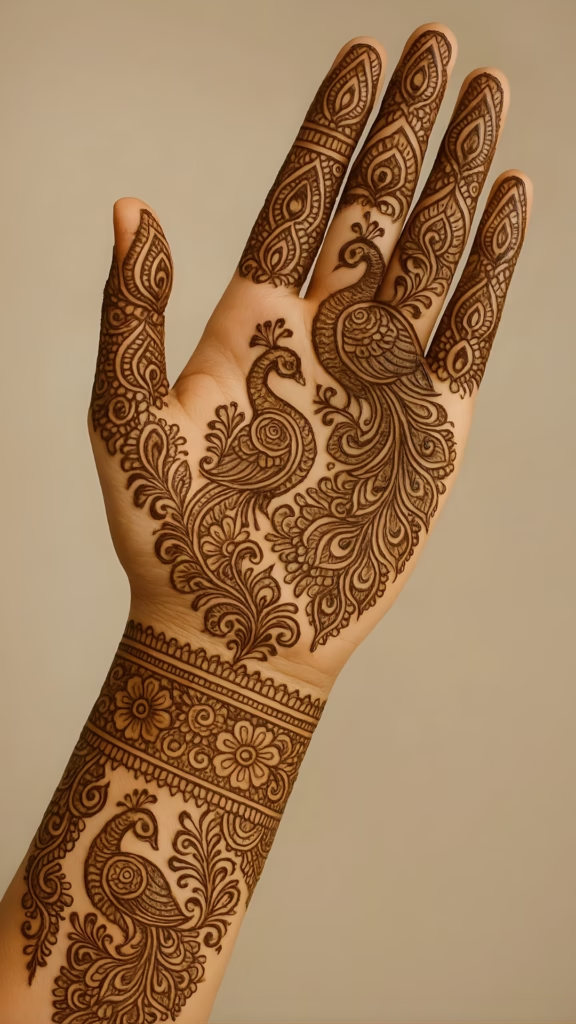
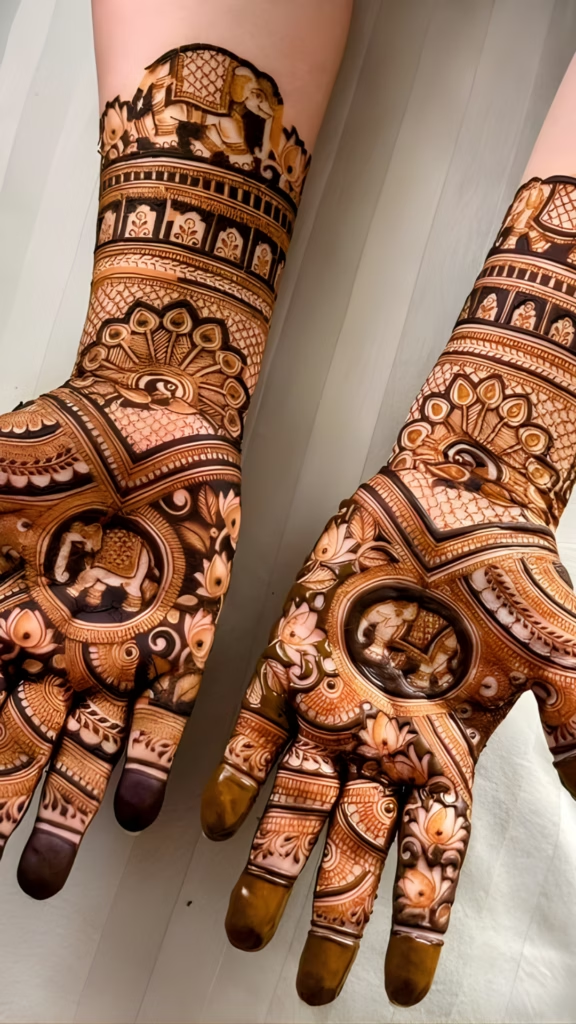
If your wedding is anywhere in Rajasthan and you haven’t at least looked at traditional Rajasthani front hand designs before deciding anything else, please do that first.
Nothing else comes close for density and intricacy. This is mehndi that covers the entire palm, every centimetre of it, in layers of fine work so detailed that you can examine the same design for ten minutes and keep finding things you missed earlier. A tiny elephant near the wrist. The bride’s name hidden inside a floral border. A miniature peacock you didn’t notice because you were looking at the larger one.
It takes hours. Your hand will get stiff. Your back will hurt. You’ll wonder at hour four whether it was worth it. And then the artist will show you the finished design and the answer will be obvious.
The ombre density trend in Rajasthani mehndi this year is genuinely worth asking your artist about, heaviest filling at the palm’s centre, gradually lightening toward the edges. In morning natural light photography it looks almost three-dimensional. Your wedding photographer will know exactly what to do with it.
For Samode, RAAS Jodhpur, Taj Lake Palace, Devi Garh, any heritage property wedding in Rajasthan, this design and that setting speak the same visual language. Don’t choose anything else unless you genuinely have a reason to.
What Is a Mandala Front Hand Mehndi Design?
Mandala Front Hand Mehndi Designs Images
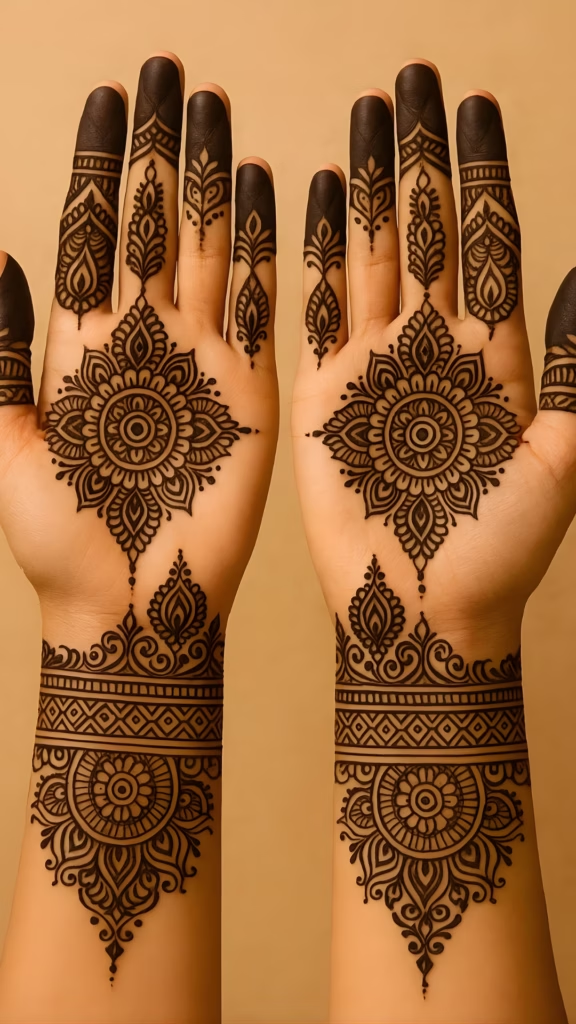
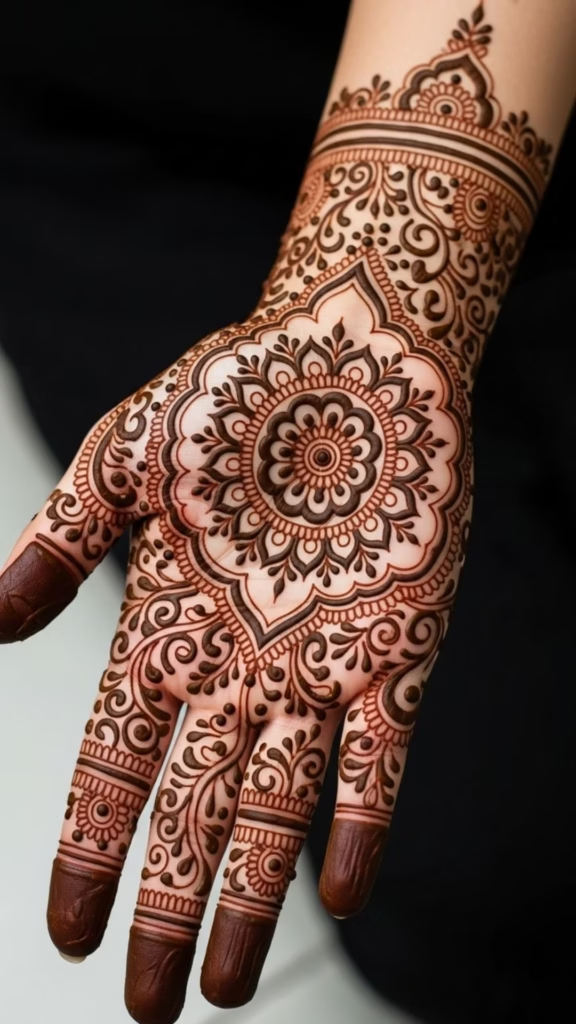
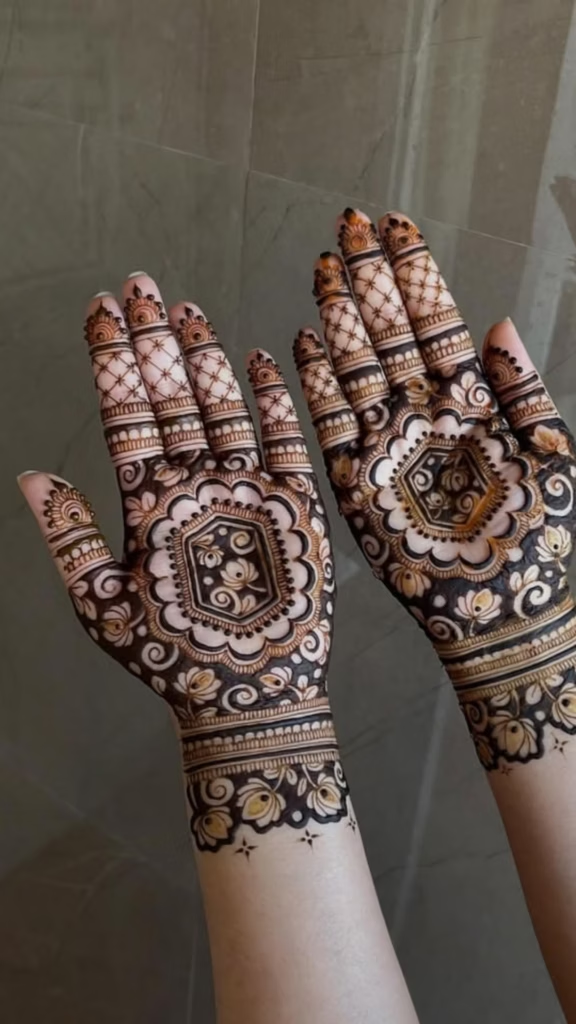
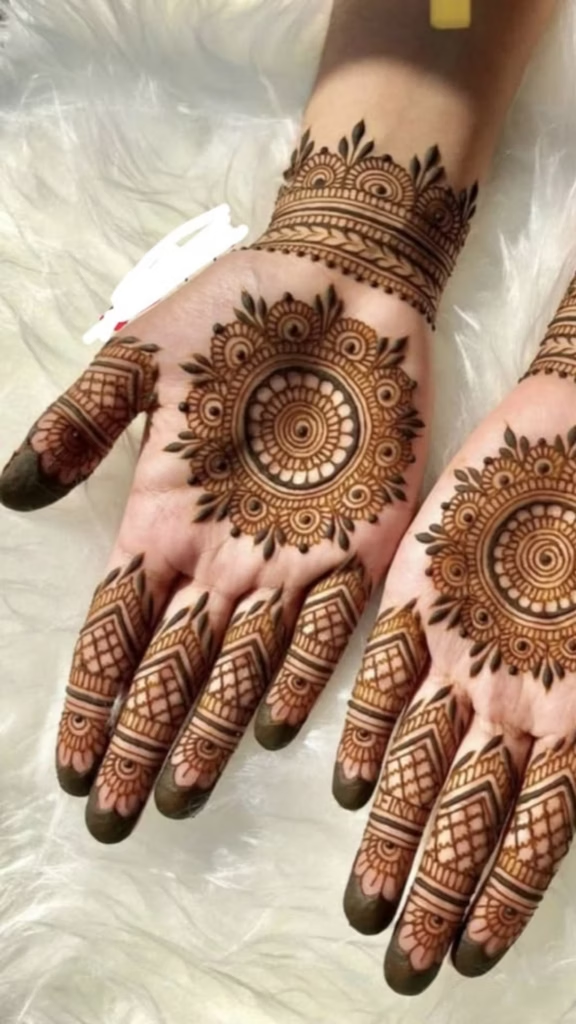
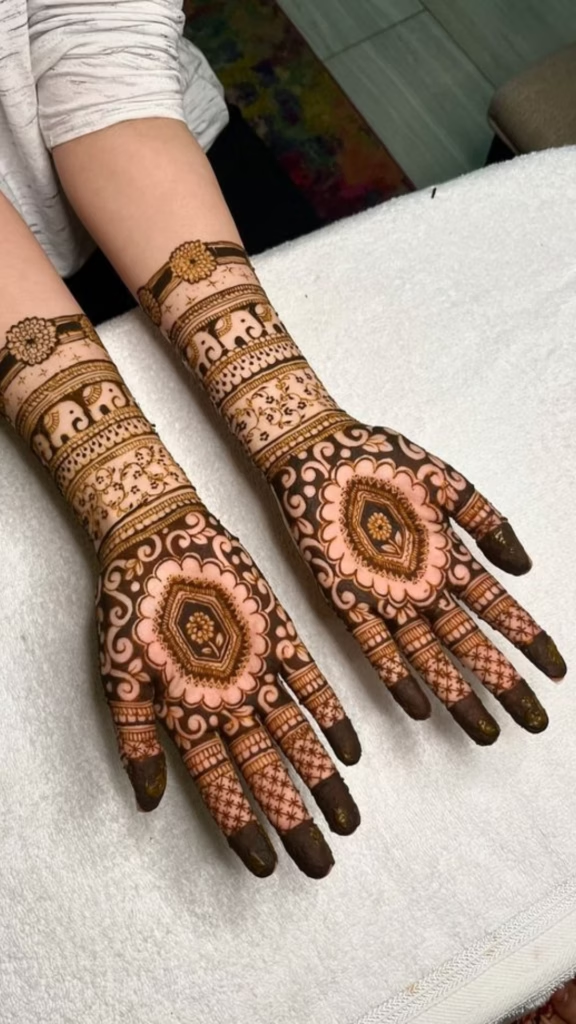
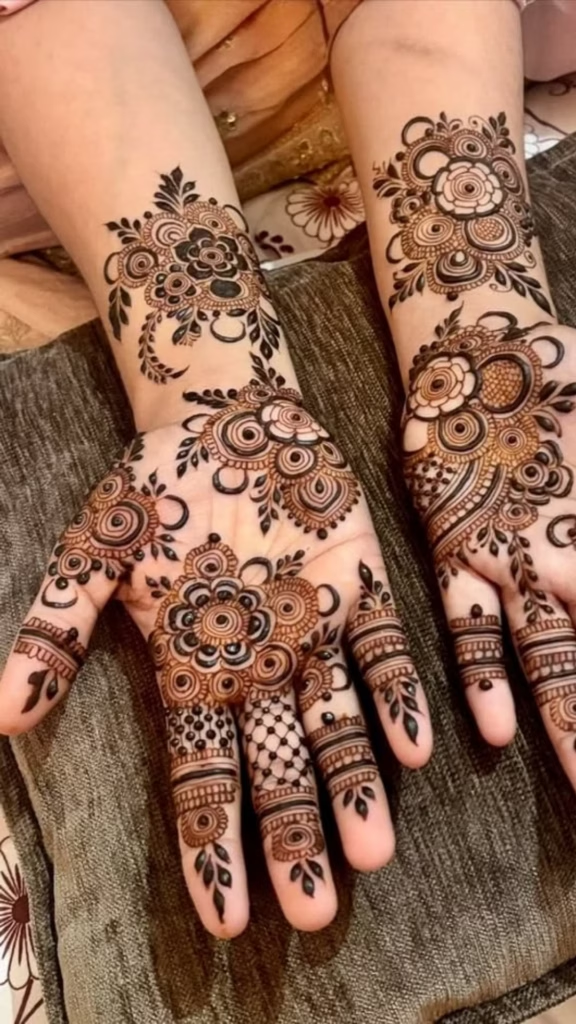
One circle. Built outward from a single central point, ring by ring, petals, dots, fine geometric lines, expanding until it’s complete and needs nothing added.
The mandala’s placement at the palm’s centre isn’t incidental. Traditional Indian thought positions the palm’s centre as an energy point. A mandala placed there has both visual logic and something harder to name, a settled quality, an intentionality that more elaborate designs sometimes don’t have.
Practical note: mandala mehndi genuinely lasts longer than most other styles. Concentrated ink in a compact area means deep dye penetration. Leave the paste overnight and a well-applied mandala stays richly coloured for close to three weeks.
This design works for sangeet functions, engagements, wedding guests who want something meaningful without a long sitting commitment. It also works for brides who find that full-hand bridal mehndi doesn’t suit their personality or aesthetic, a single detailed mandala can be a complete, statement bridal design if the artist is skilled and the circle is detailed enough to carry the whole palm.
What Are the Best Simple Front Hand Mehndi Designs for Beginners?
Simple & Easy Front Hand Mehndi Designs Images
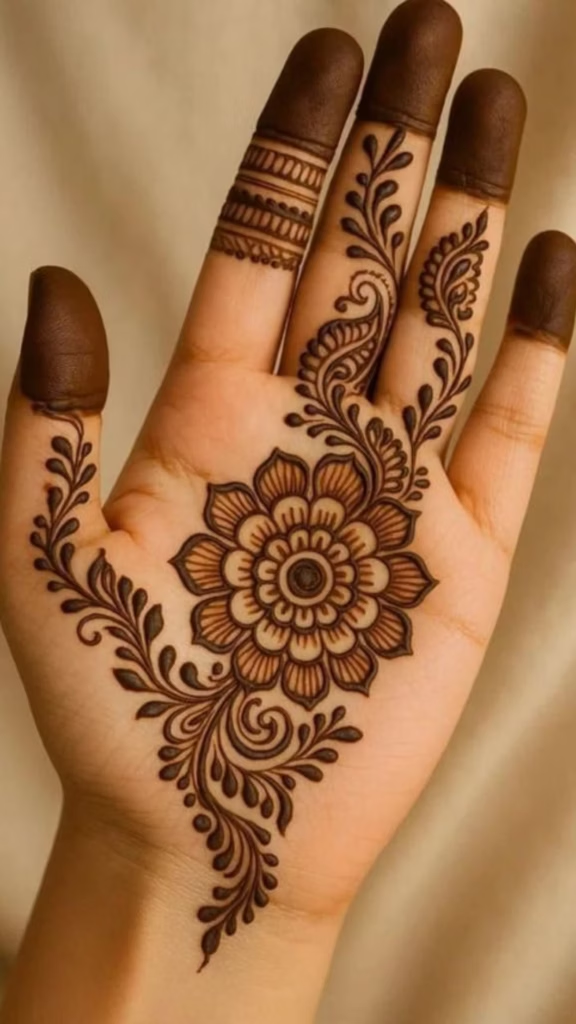
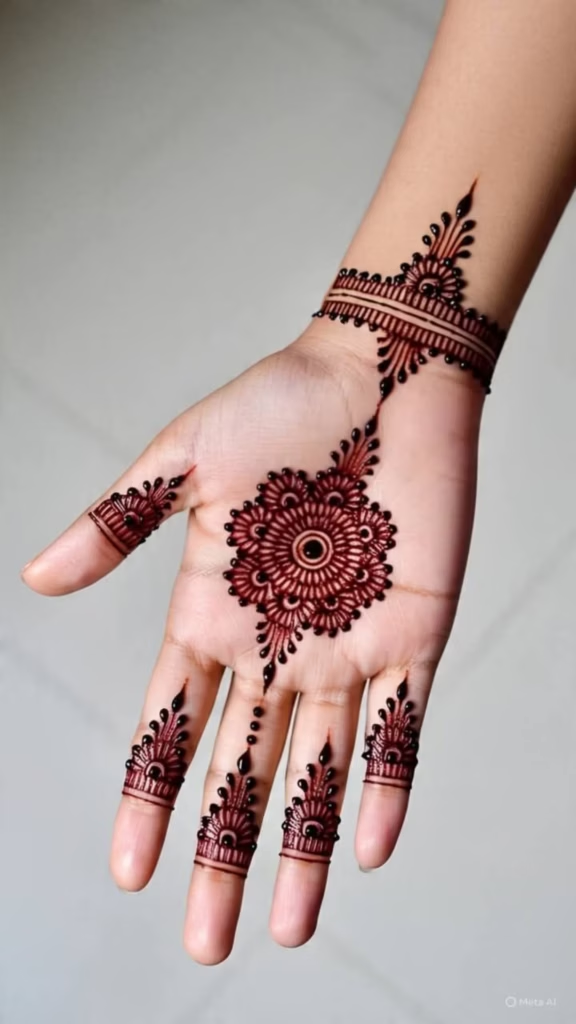
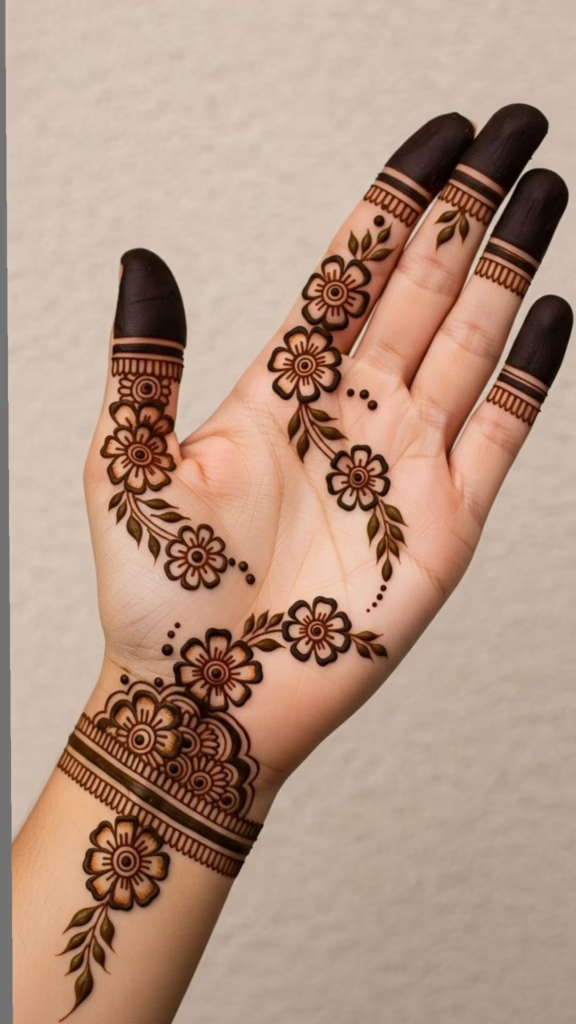
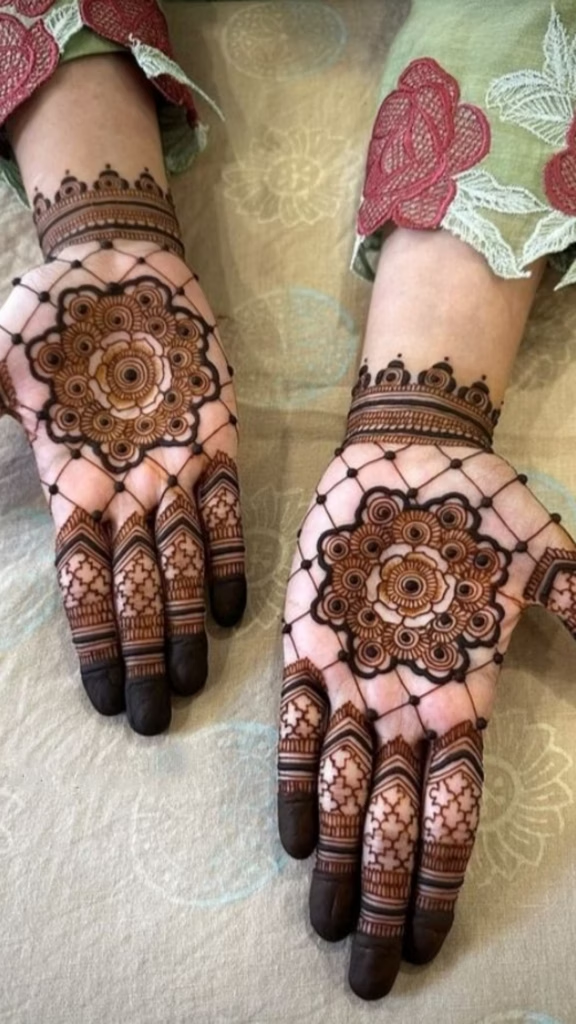
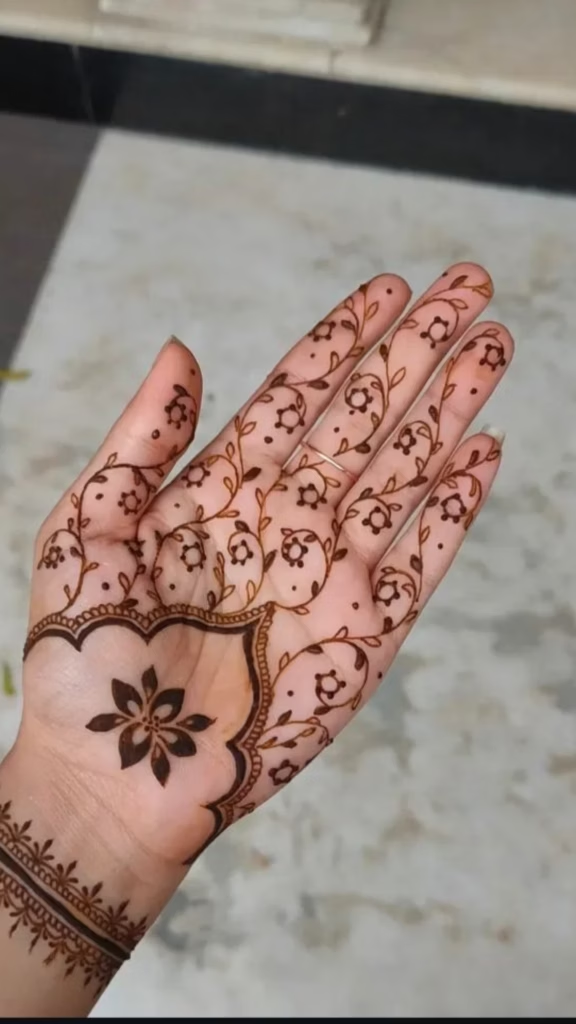
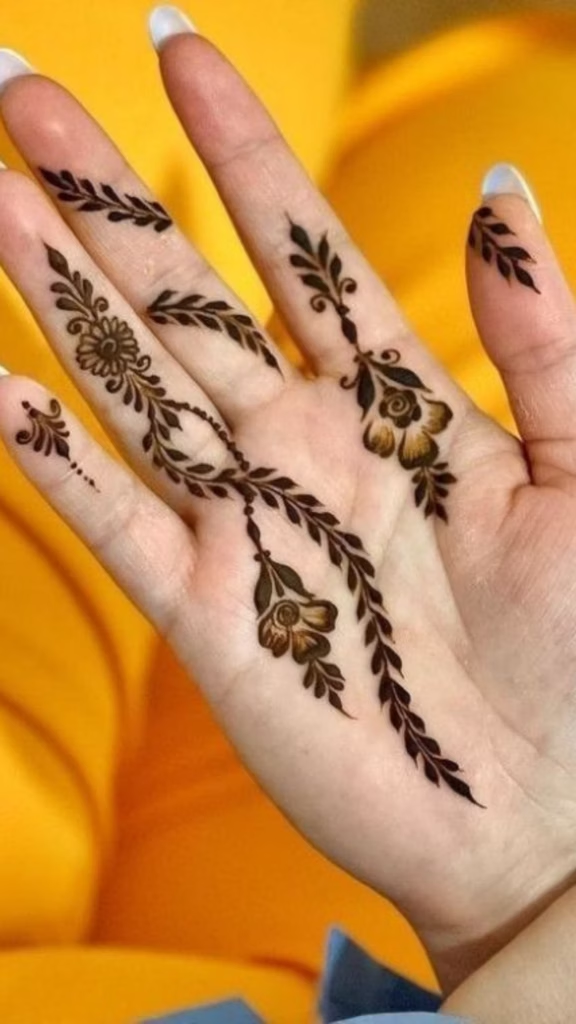
Simple mehndi stopped being an apology a couple of years ago and started being a choice. A real one, made by people who understand that one well-executed motif says more than a crowded palm with weak line work.
One flower, perfectly centred. Three clean leaves. Dots placed with intention. That is a complete design. That should be a design when the proportions are right and the stain comes up dark and the artist knew exactly where to stop.
For anyone picking up a cone at home for the first time, this is genuinely where you start. Draw one flower. Get the centre right first. Practice the petals until they look consistent. Add a few dots around the outside if you want. That’s it. Don’t reach for portraits or jali patterns. Those take years of practice before they look good and they take ten minutes of practice to look genuinely terrible.
For Karwa Chauth when you have work the next morning, for your friend’s mehndi function when you want something pretty without taking attention from the bride, for small pujas and kids’ festivals, simple mehndi is the correct answer, not the lazy one.
For more easy, low-commitment designs, see our simple and beautiful mehndi guide.
Which Floral Front Hand Mehndi Designs Are Trending in 2026?
Floral Front Hand Mehndi Designs Images
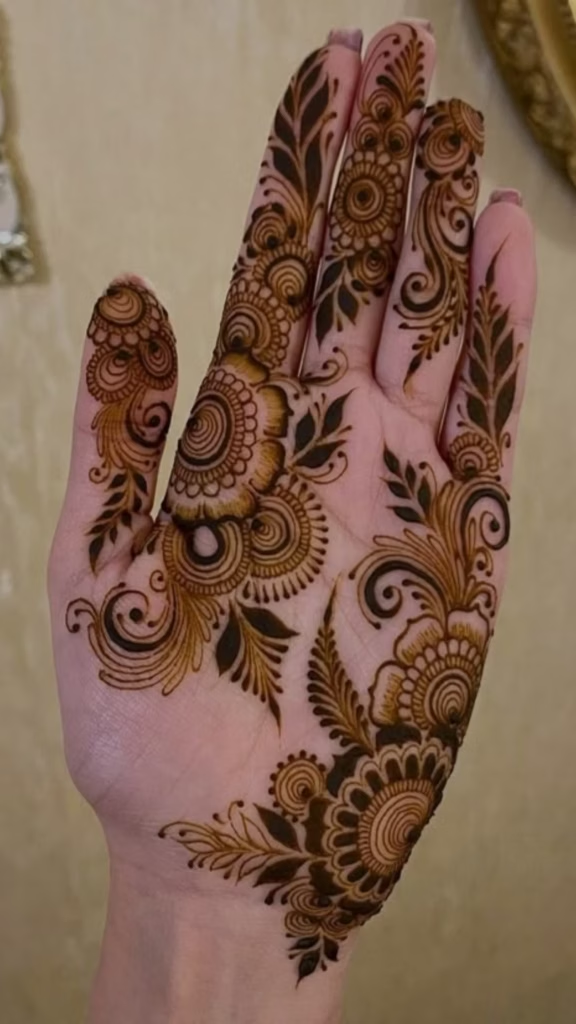
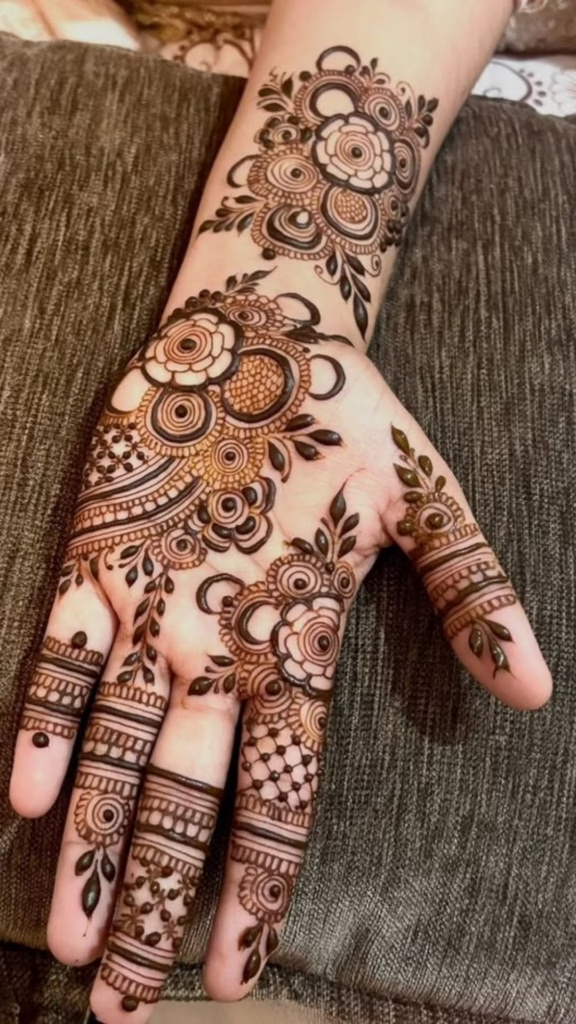
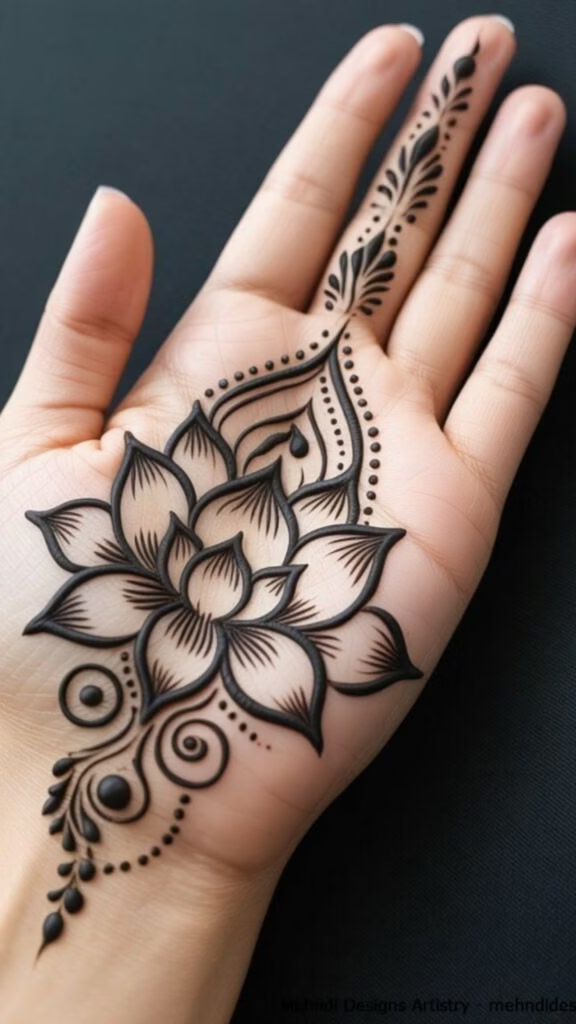
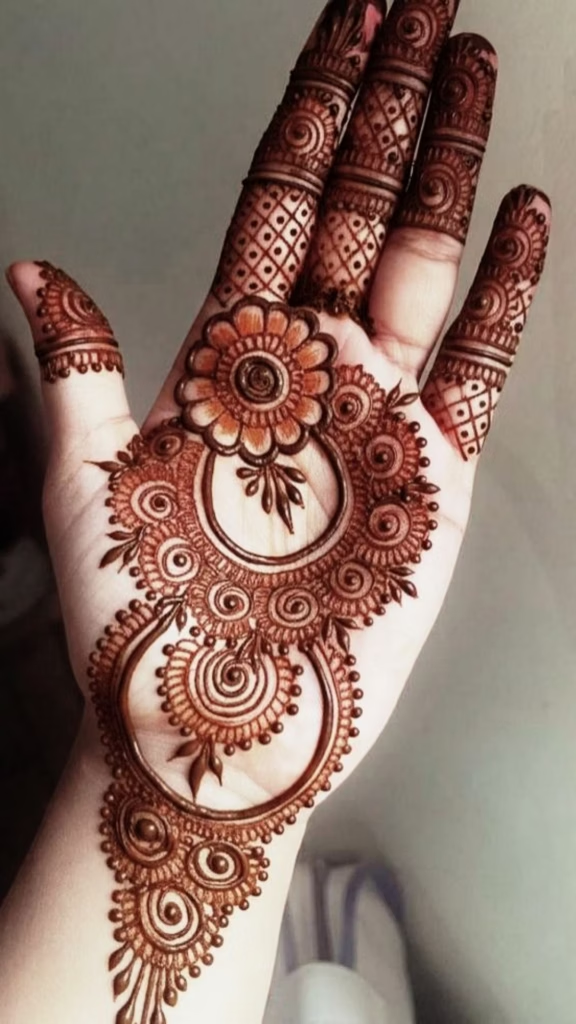
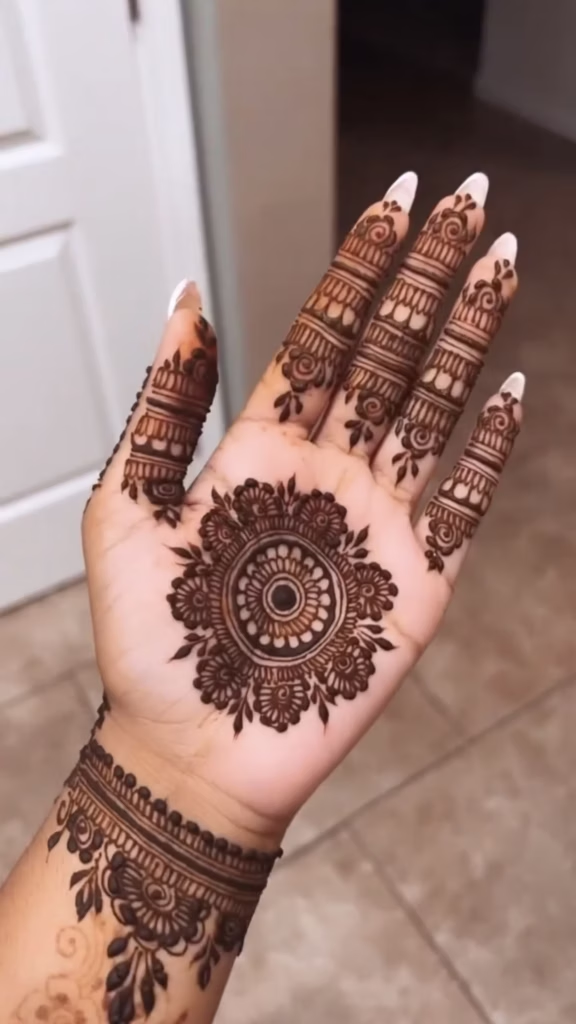
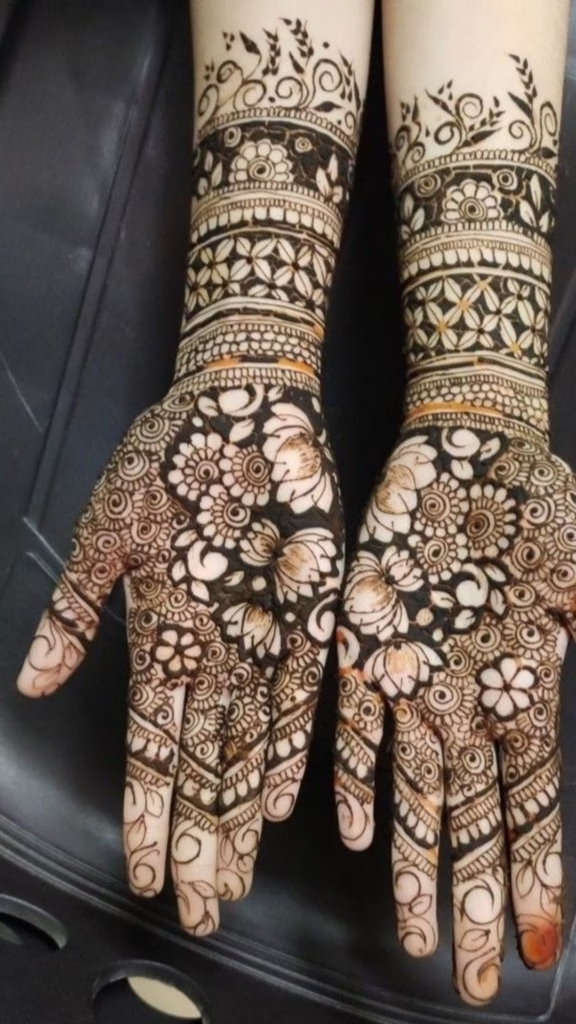
Every mehndi style contains flowers somewhere, they’re in Arabic trails, Rajasthani scenes, mandala borders, geometric fill patterns. But when floral is the whole point of the design, it becomes something distinct and worth considering on its own.
The botanical trail dominates in 2026. A single stem rising from the wrist, moving diagonally across the palm, leaves and buds branching naturally as it travels, ending somewhere near the middle finger. It reads as organic and alive rather than applied. Outdoor wedding photography in natural light loves this style, it doesn’t fight the environment, it sits comfortably within it.
The clustered bloom does the opposite: multiple florals arranged freely across the palm, roses anchoring the centre, lotuses at the edges, small filler flowers and leaf sprigs connecting them loosely. Abundant. Joyful. Less structured but not less considered.
Most requested flowers this year: rose because it’s reliable and everyone responds to it, lotus because of its weight in Indian wedding tradition, daisy for bridesmaids who want something lighter, and the marigold, which has a particular warmth in henna that makes complete sense given how inseparable marigolds and Indian weddings already are.
Why Is Peacock Mehndi Design So Popular for Front Hand?
Peacock Front Hand Mehndi Designs Images
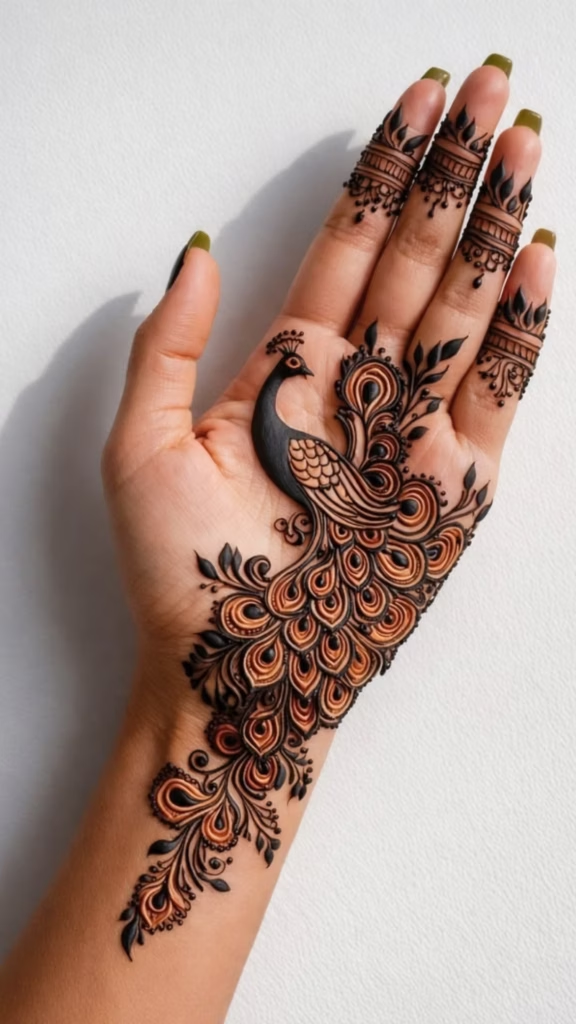
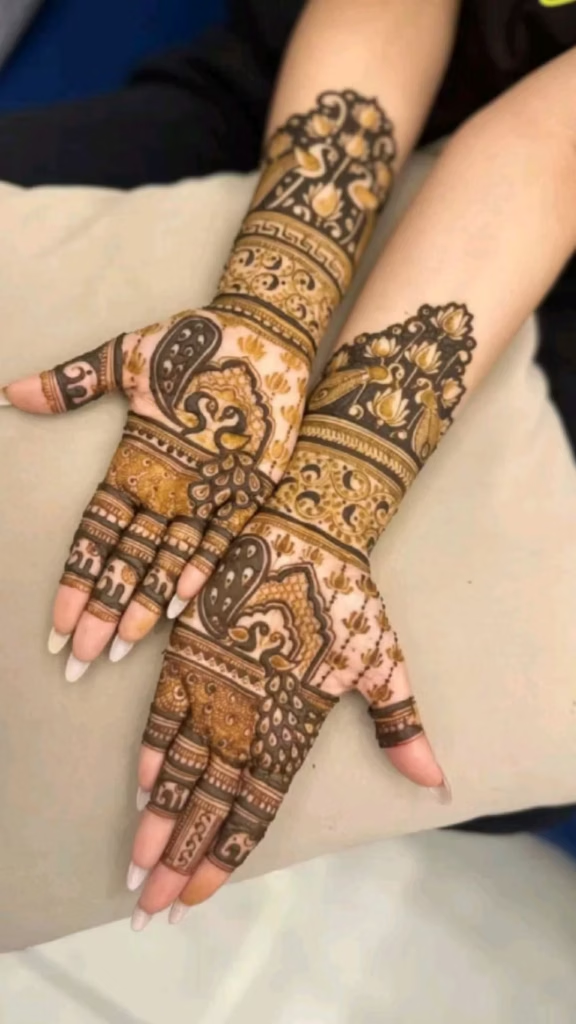
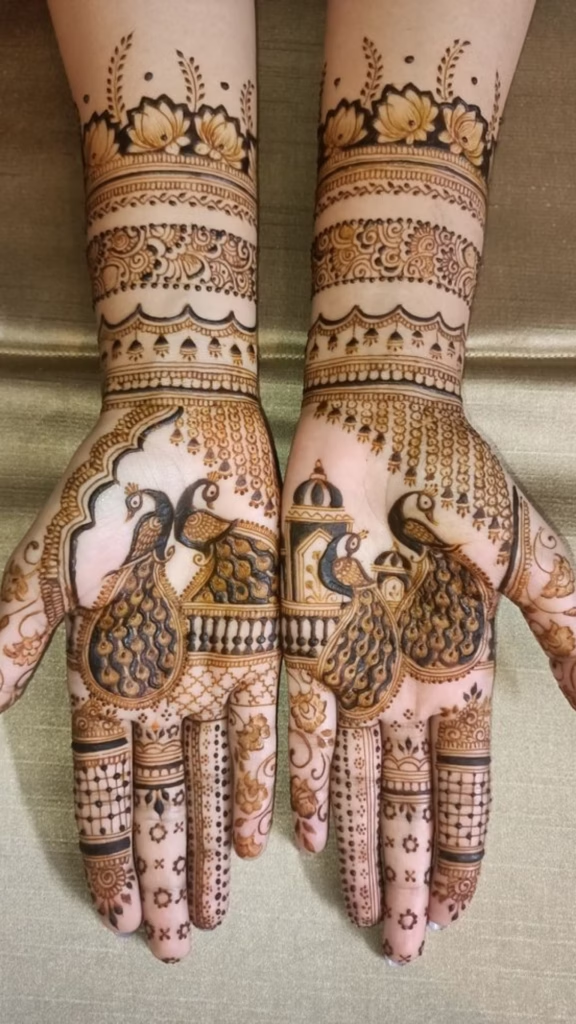
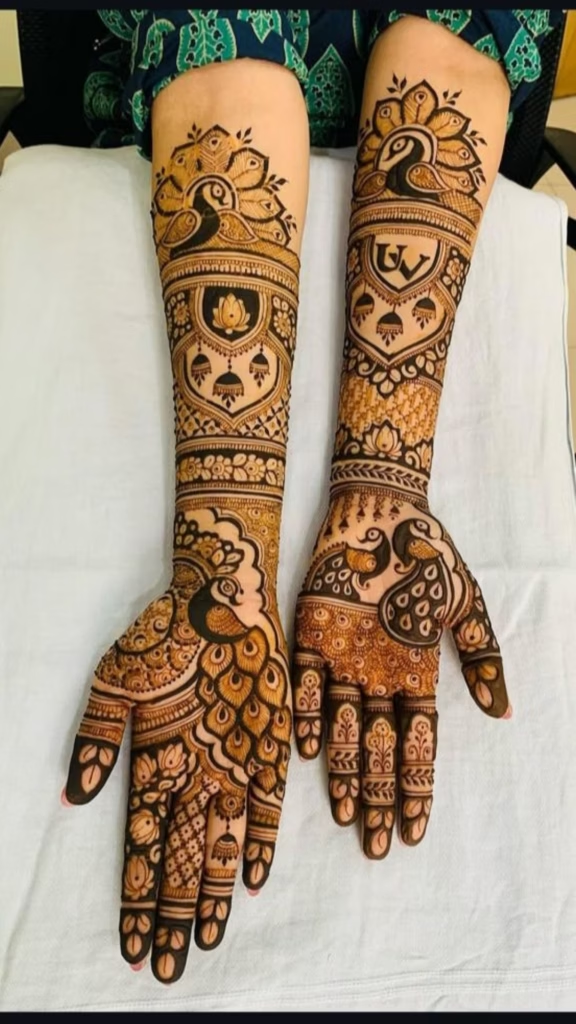
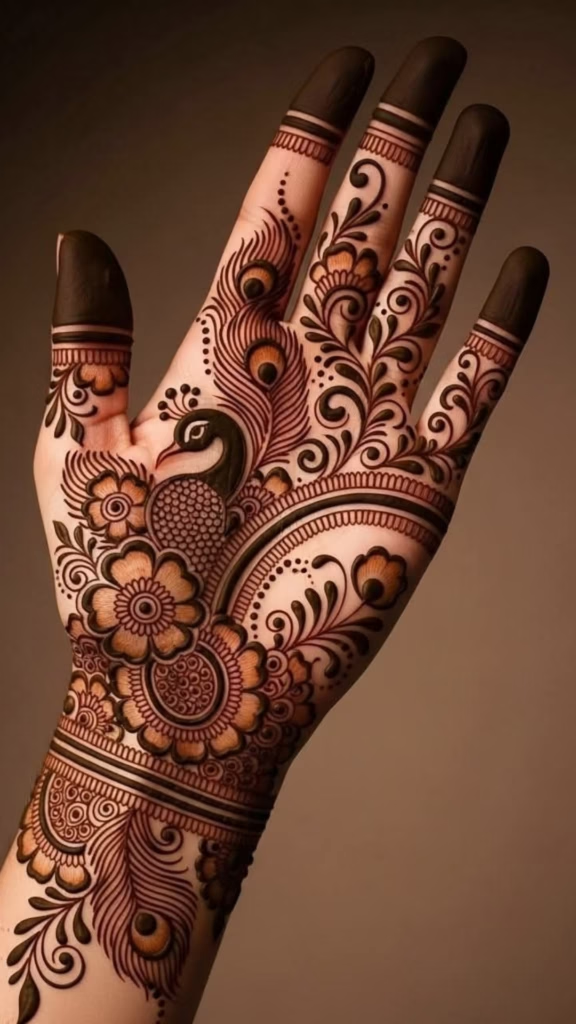
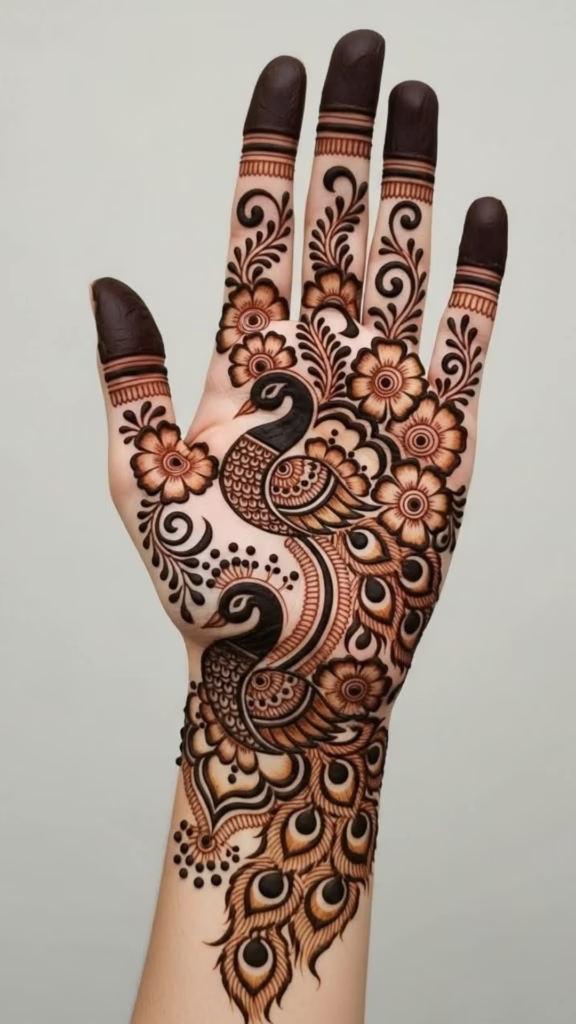
Some design choices in mehndi don’t need explaining. The peacock is one of them, you see it on someone’s palm and you understand immediately that a considered, culturally meaningful decision was made.
What makes or breaks peacock mehndi is the tail. The way an artist fans the feathers across the upper palm, the eye at the centre of each feather, the overall shape spreading downward from the body near the middle finger, you can usually tell within the first five minutes of watching an artist work whether their peacocks are genuinely skilled or merely recognisable.
This year’s geometric feather update is interesting, diamond grids and fine dot patterns inside each feather instead of the traditional curved eye. The peacock structure stays completely traditional while the feather detail reads more contemporary, almost architectural.
If your wedding venue has actual peacocks wandering the gardens, and a surprising number of Rajasthan heritage properties do, this design choice makes a kind of environmental sense. Your hands and your setting in conversation with each other.
What Is Jali Mehndi Design and Is It Right for My Wedding?
Mughal & Jali-Inspired Front Hand Mehndi Designs Images
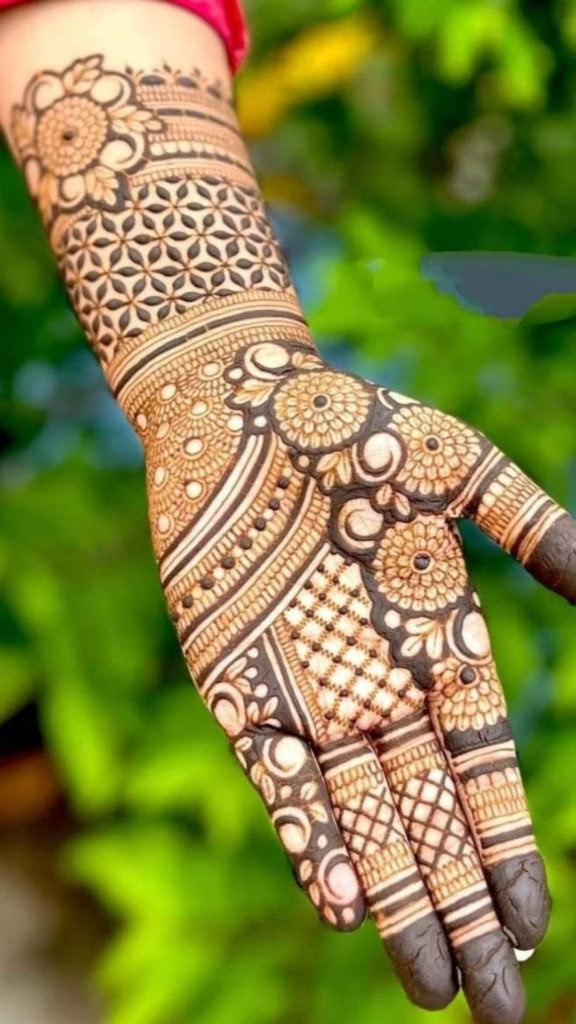
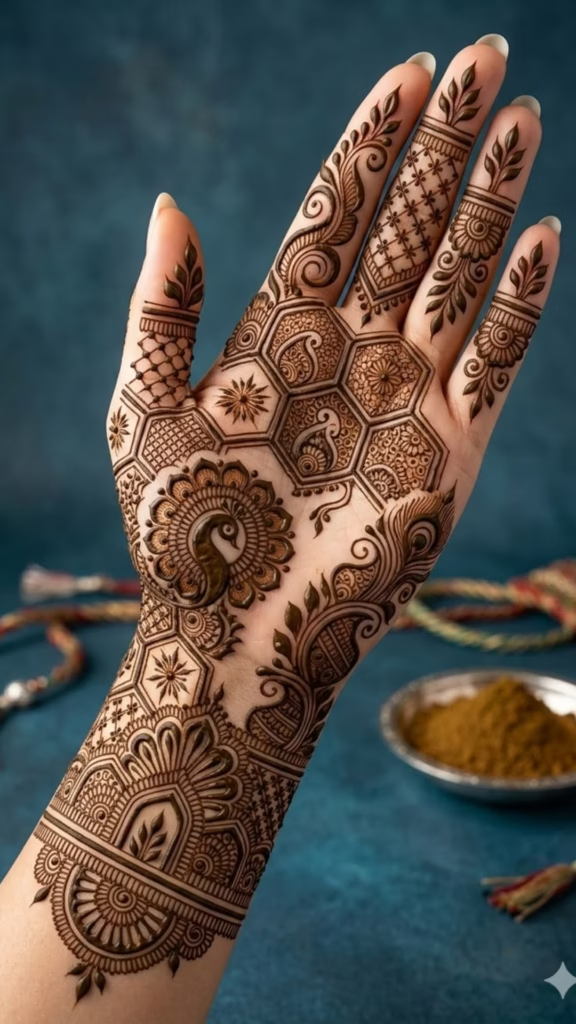
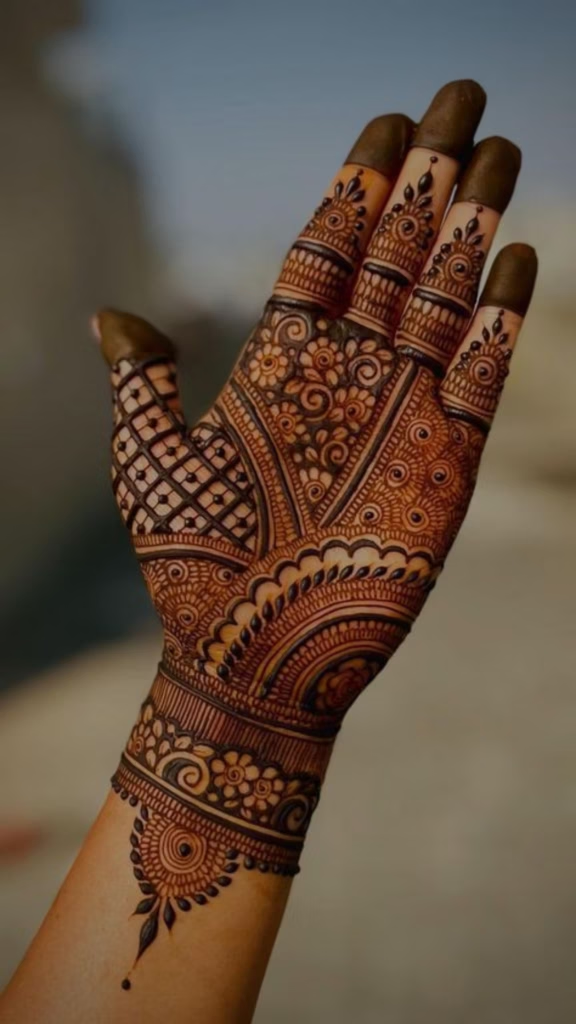
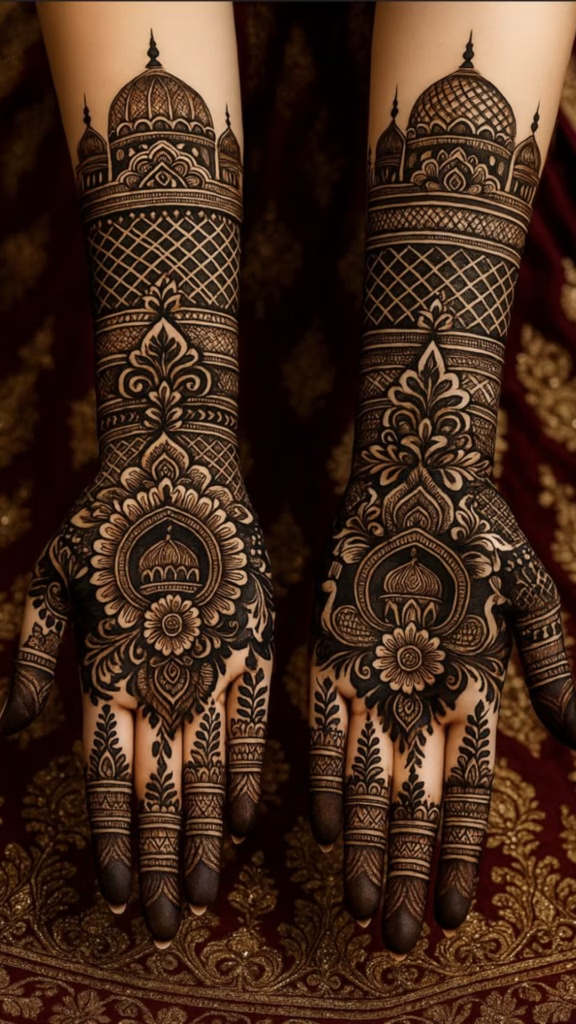
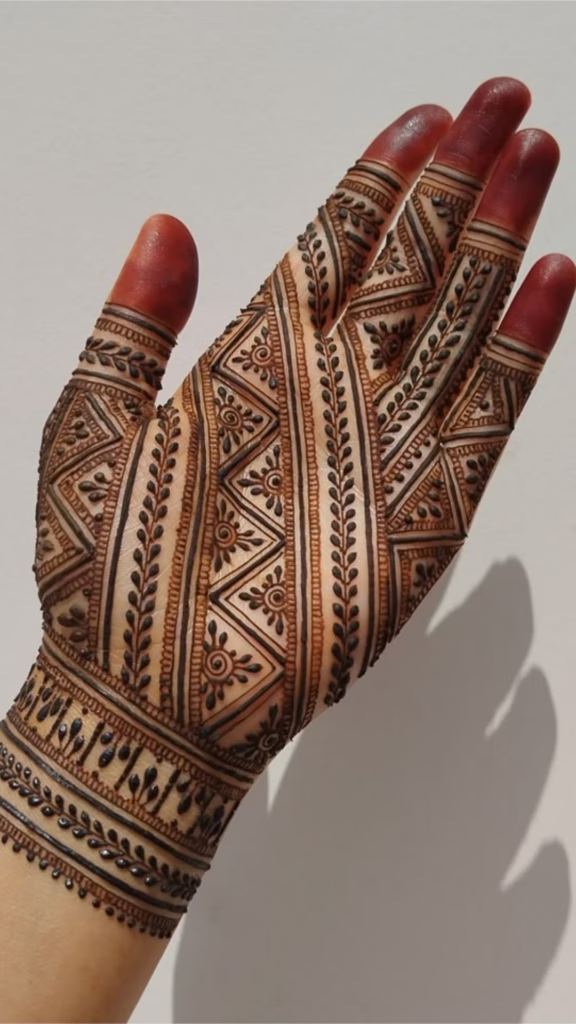
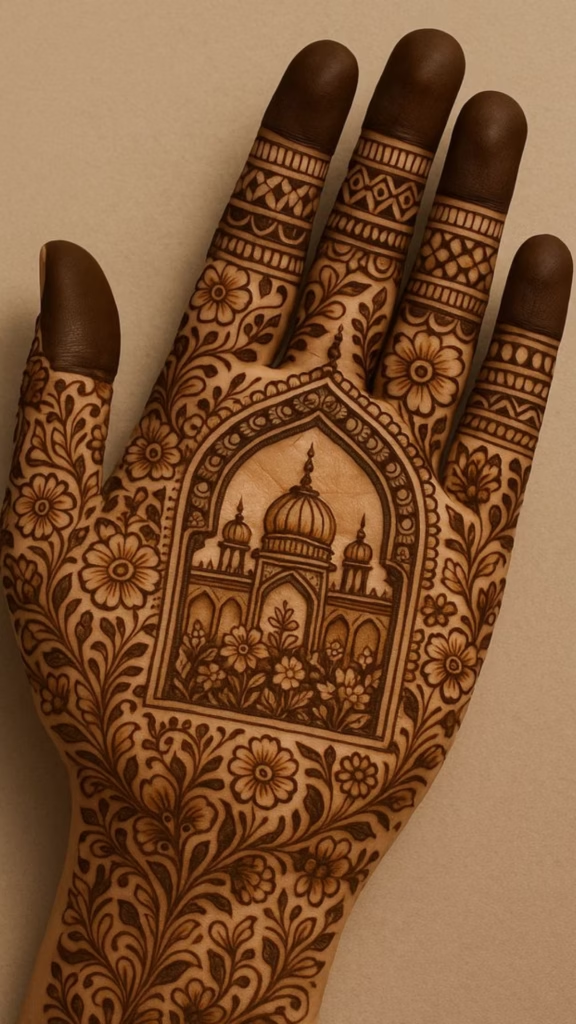
Jali mehndi executed by someone who genuinely knows how is one of the most impressive things you’ll see applied to human skin. An interlocking lattice of fine lines, diamonds, hexagons, small arches, covering the full palm, each tiny cell containing its own even smaller detail. It looks like embroidery. Like the carved stone screens at Fatehpur Sikri, reduced to something you can wear.
The honest warning: wobbly lines in a floral design look organic. Wobbly lines in a geometric lattice look like mistakes. This style exposes every hesitation in the artist’s hand. Ask to see specifically jali work in their portfolio, not their general portfolio, specifically jali, before booking anyone for this.
Mughal-inspired designs add the jharokha arch, a window frame surrounding a central element, pillars on either side, a dome above, border work at the base. A miniature architectural scene on your palm.
This belongs at grand weddings. Heavy silk lehengas, kundan sets, evening lighting, close-up photography. In that setting, Mughal mehndi doesn’t just work, it feels like the only right answer.
What Is Khafif Mehndi and Who Should Choose a Minimal Front Hand Design?
Minimal & Khafif Front Hand Mehndi Designs Images
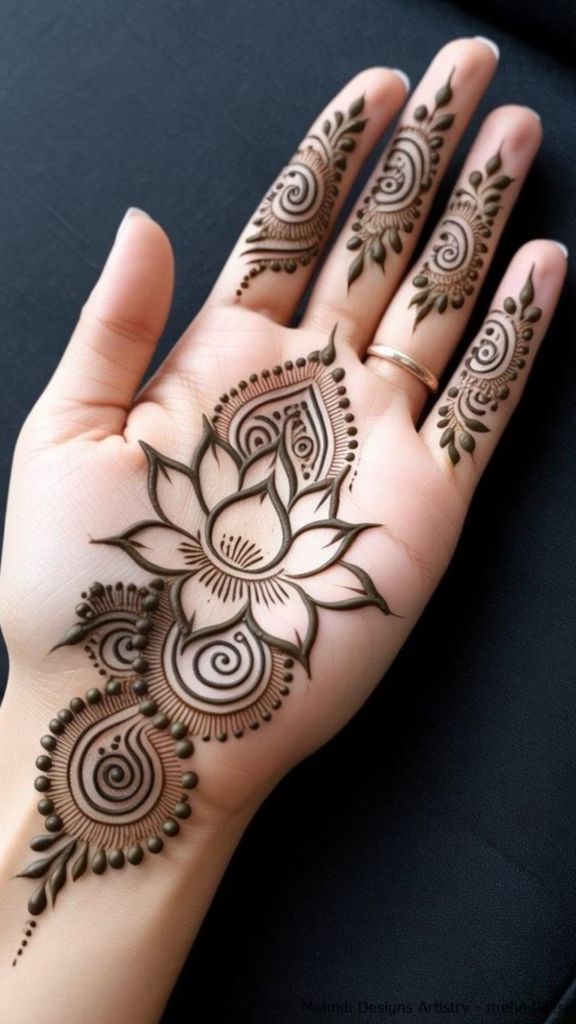
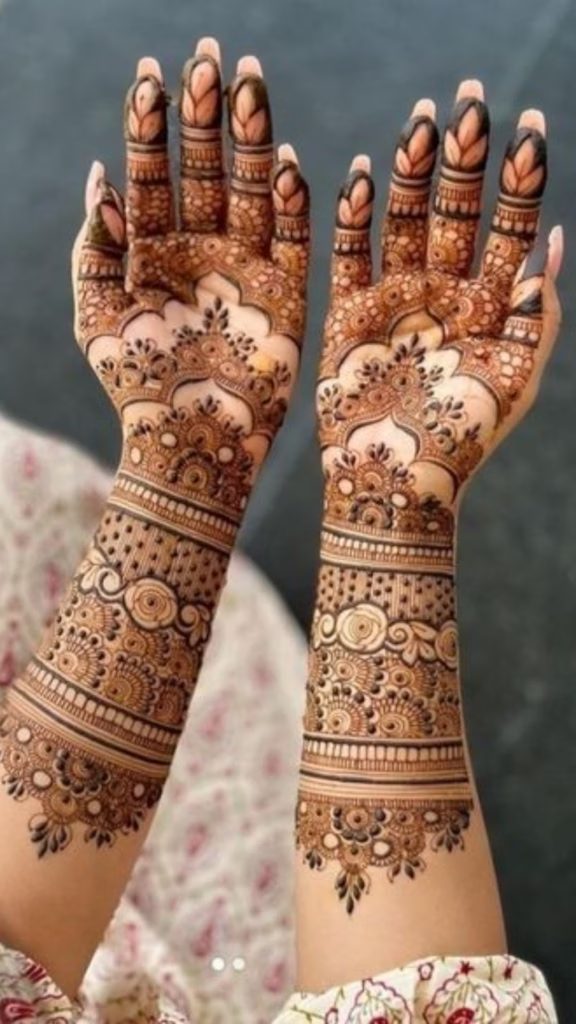
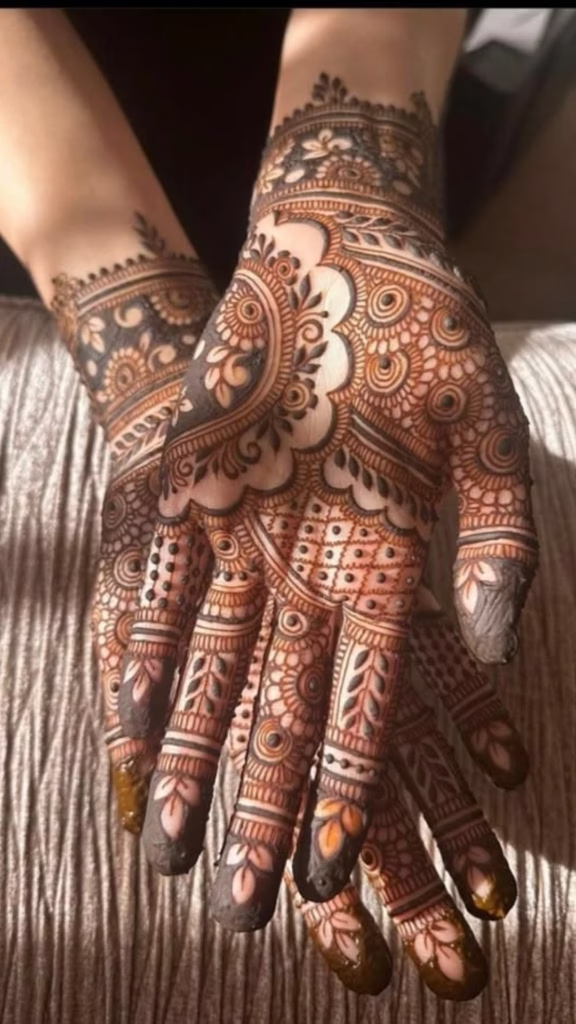
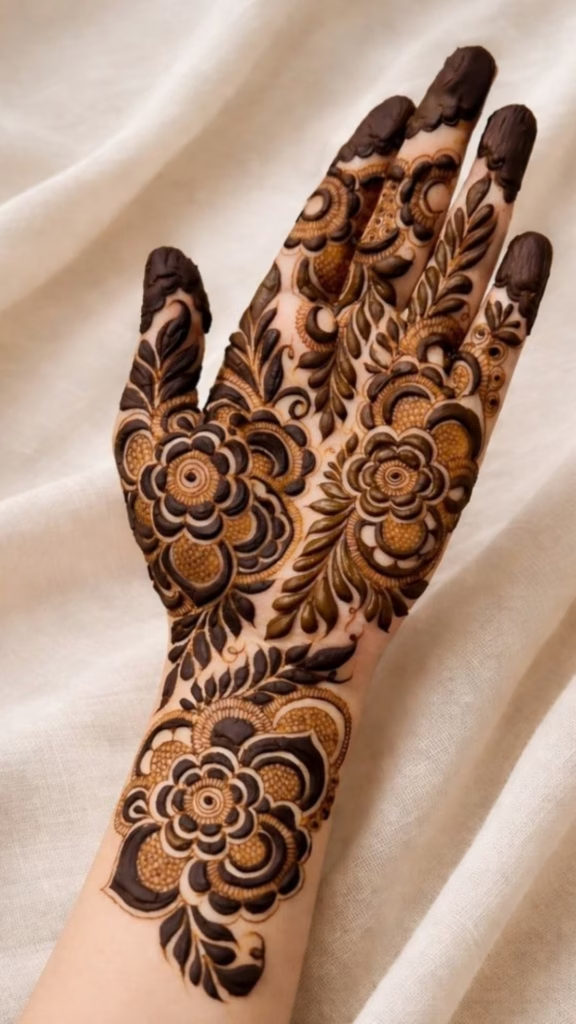
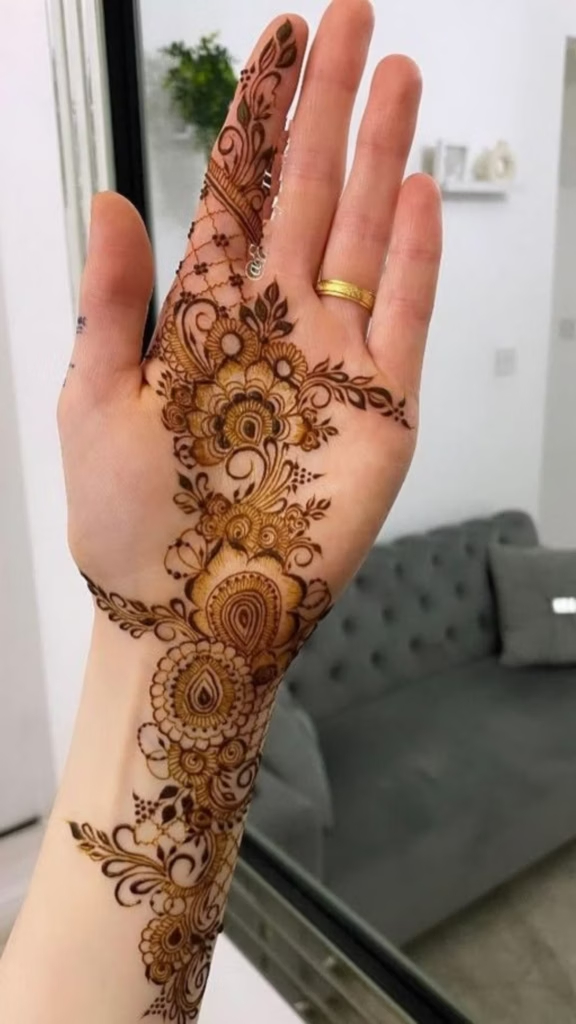
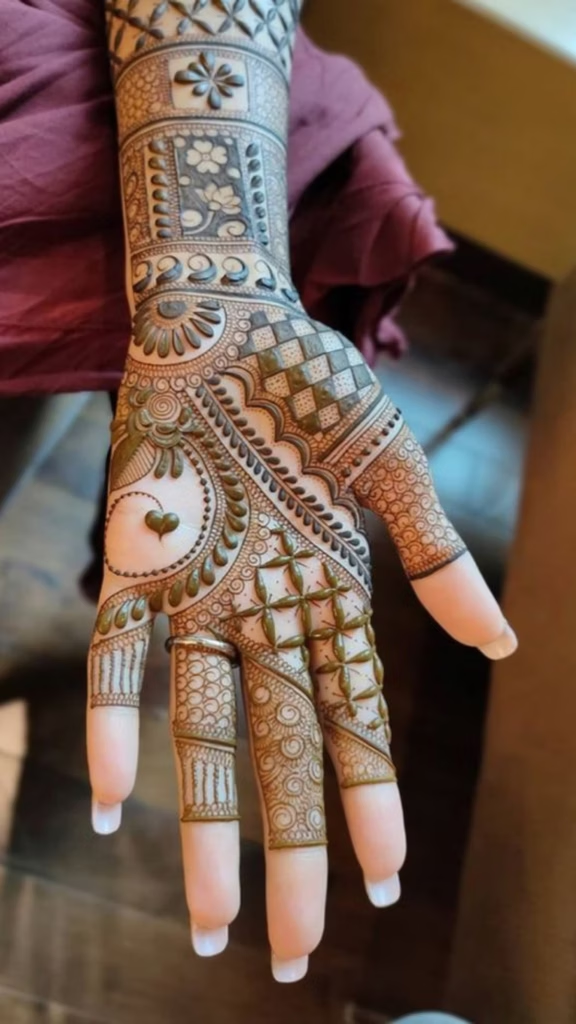
Khafif means fine, light, delicate. In mehndi it describes ultra-thin line work that looks like something whispered onto skin rather than pressed into it. The modern brides asking for this style are usually the ones who’ve thought most carefully about what they actually want, not just what looks impressive in someone else’s wedding album.
The stain from lighter application comes up warm amber, not near-black. It photographs differently, particularly beautifully in golden hour outdoor light, and fades more gracefully than heavy designs, which can turn patchy and uneven as they age.
The minimal approach treats empty space as a design element, not an oversight. One lotus on an otherwise bare palm isn’t incomplete. The surrounding skin is part of the composition, without it, the lotus has nothing to sit against.
Also the most comfortable mehndi to wear through a long ceremony. Light application dries faster, allows movement sooner, and doesn’t crack the way thick paste does when your hands are in use. Genuinely practical, not just aesthetic.
What Is a Mehndi Cuff Design and When Should You Choose It?
Half-Hand & Cuff-Style Front Hand Mehndi Designs Images
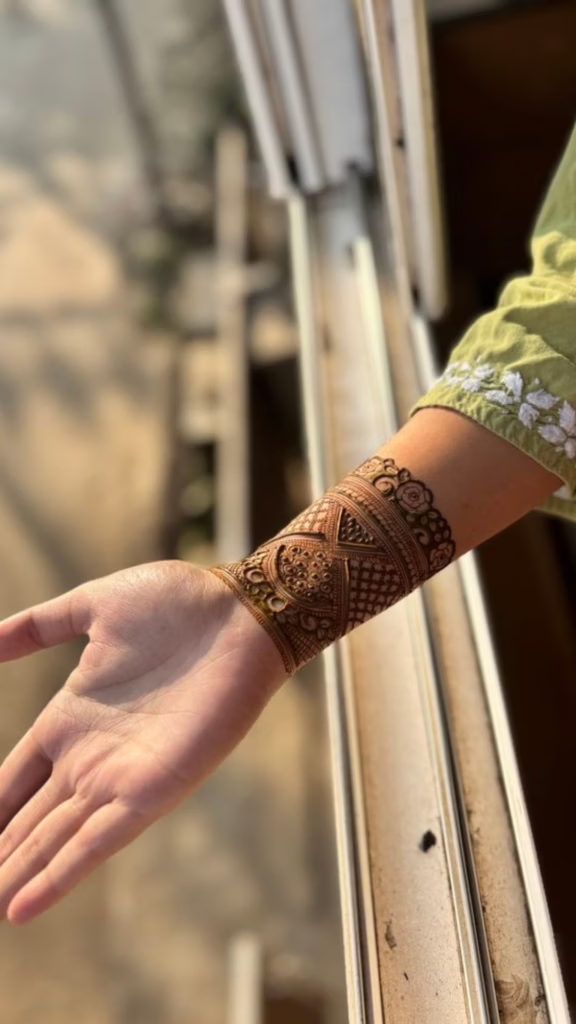
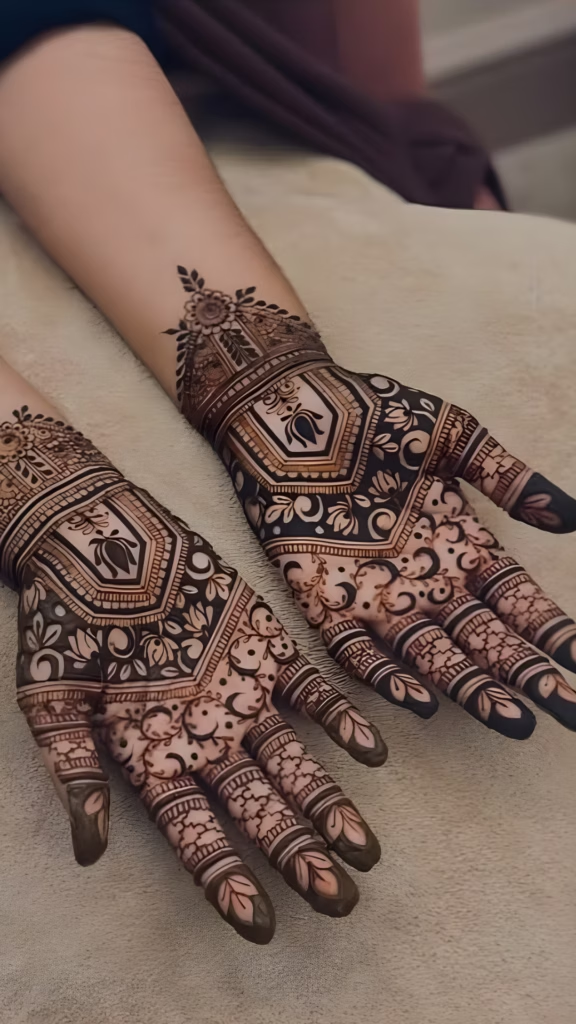
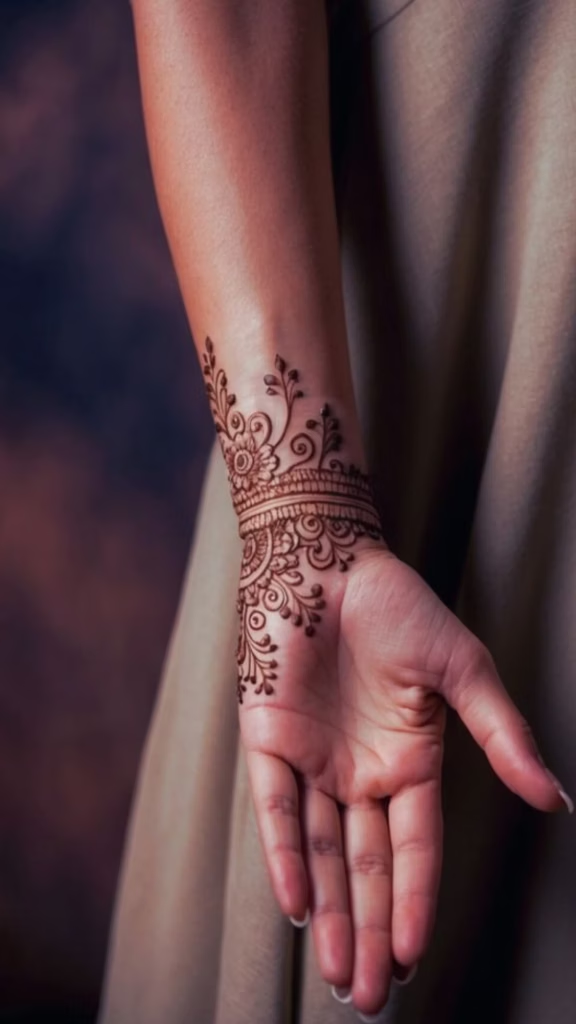
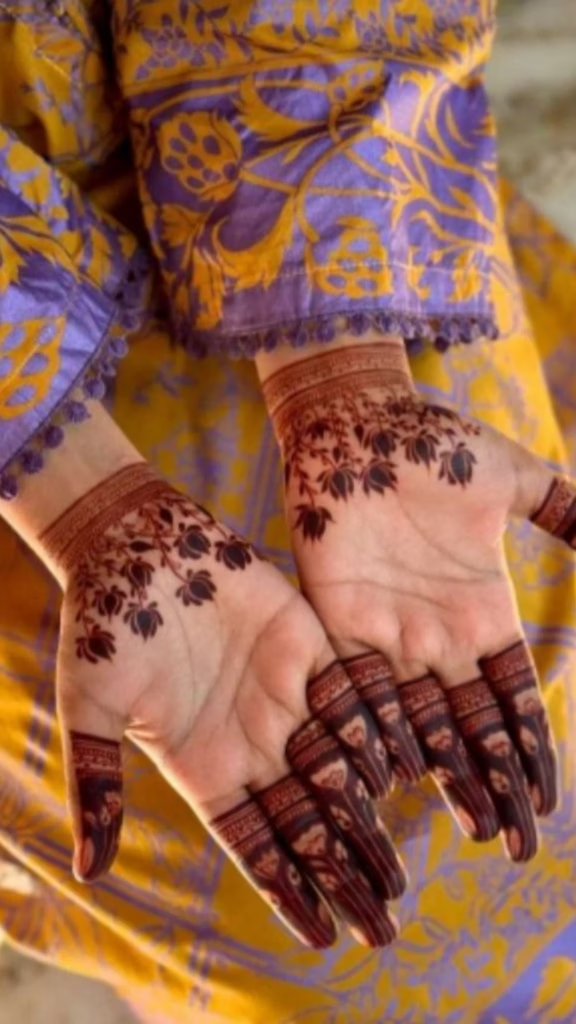
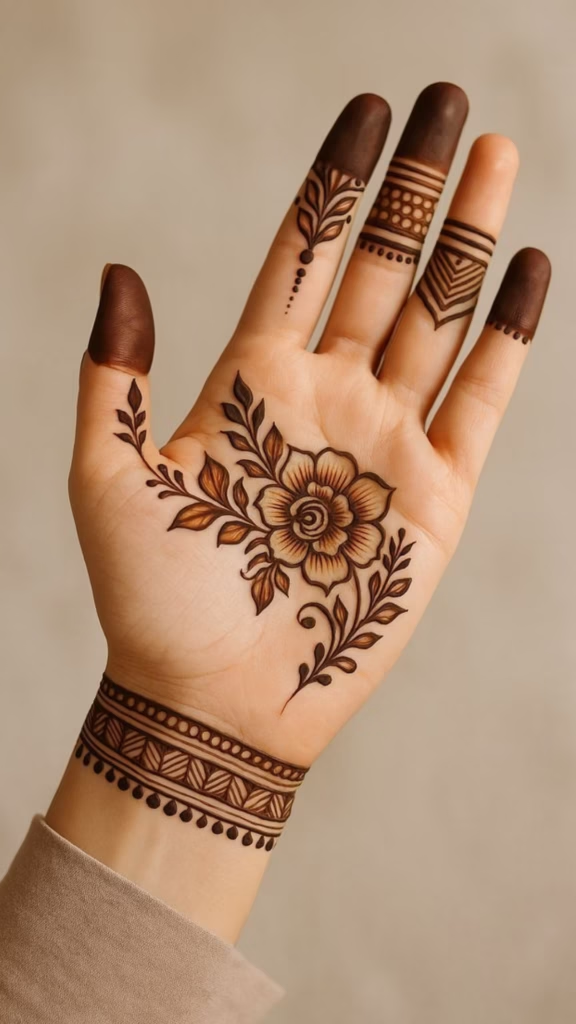
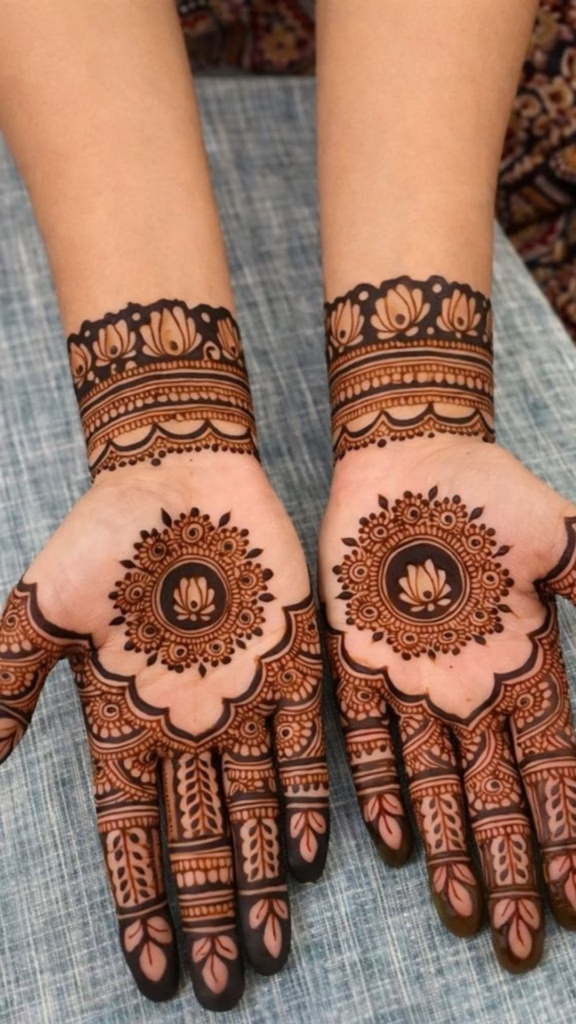
The mehndi cuff is jewellery made in henna, an ornate band at the wrist with elements trailing upward onto the palm. For women who want dressed-up hands at a wedding function without a full palm commitment, this is the most practical and elegant solution available.
It emerged from a specific kind of wedding guest. Someone who loves mehndi and wants to participate but finds full-hand coverage overwhelming for their daily life post-wedding. Two weeks with a dense design when you work with your hands every day, or have meetings, or generally move through the world in a way where heavy mehndi is an inconvenience, the cuff gives you the festive feeling without that commitment.
Half-hand designs divide the palm deliberately, lower half carries the design, upper stays bare, or vice versa. Neither version looks unfinished when it’s done well. Both read as considered. The difference between an intentional half-hand design and a design someone gave up on halfway is entirely in the quality of the edges and the deliberateness of where the mehndi stops.
Good for engagement functions, welcome dinners, pre-wedding brunches. Genuinely good for anyone who wants to wear mehndi beautifully without reorganising their life around it for two weeks.
What Does a Lotus Front Hand Mehndi Design Look Like?
Lotus Front Hand Mehndi Designs Images
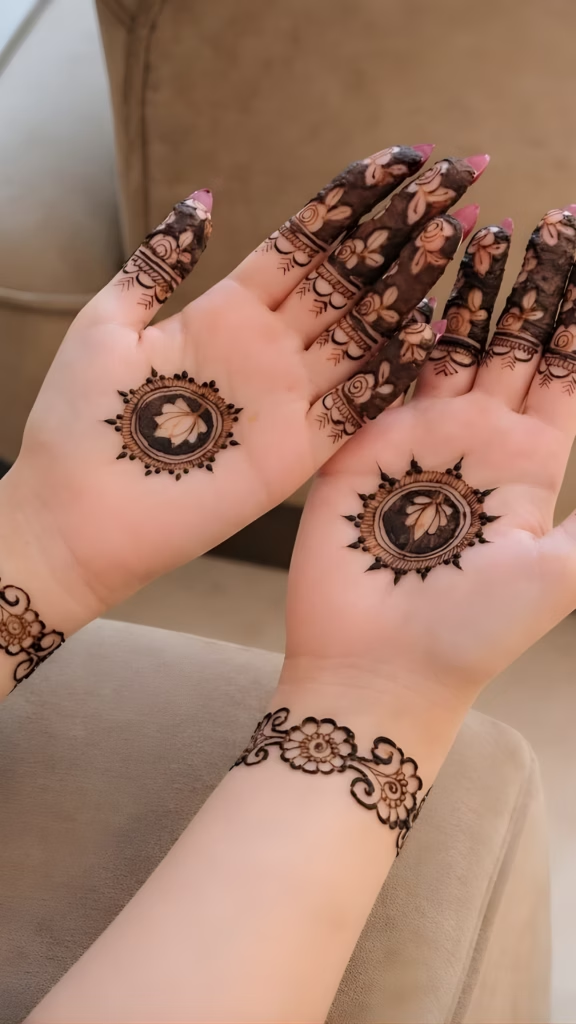
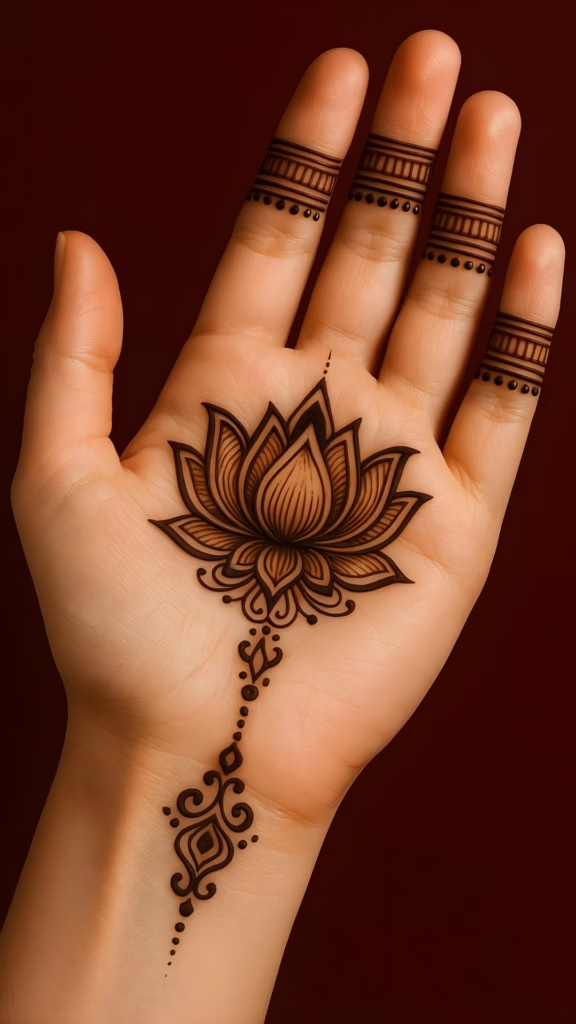
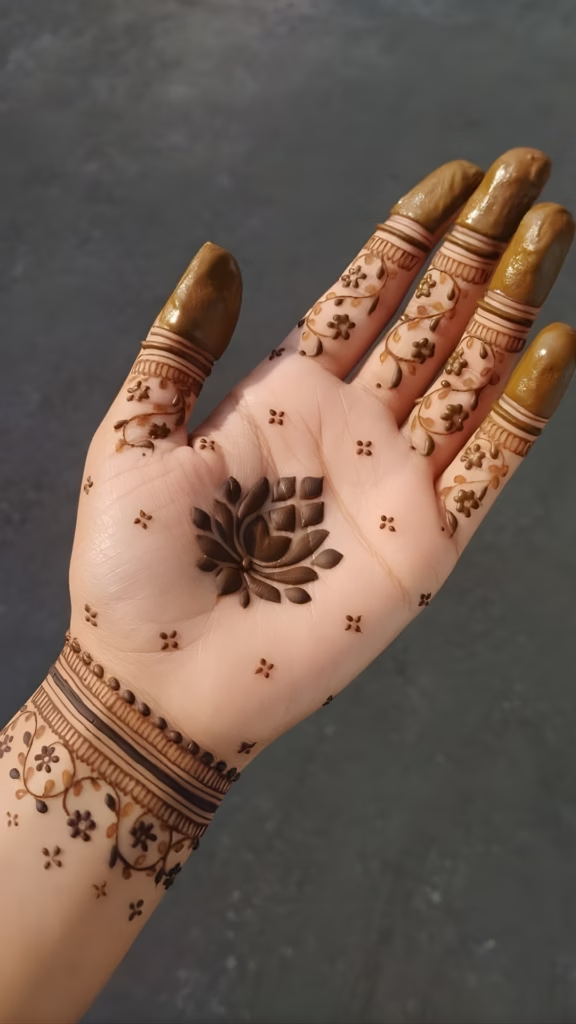
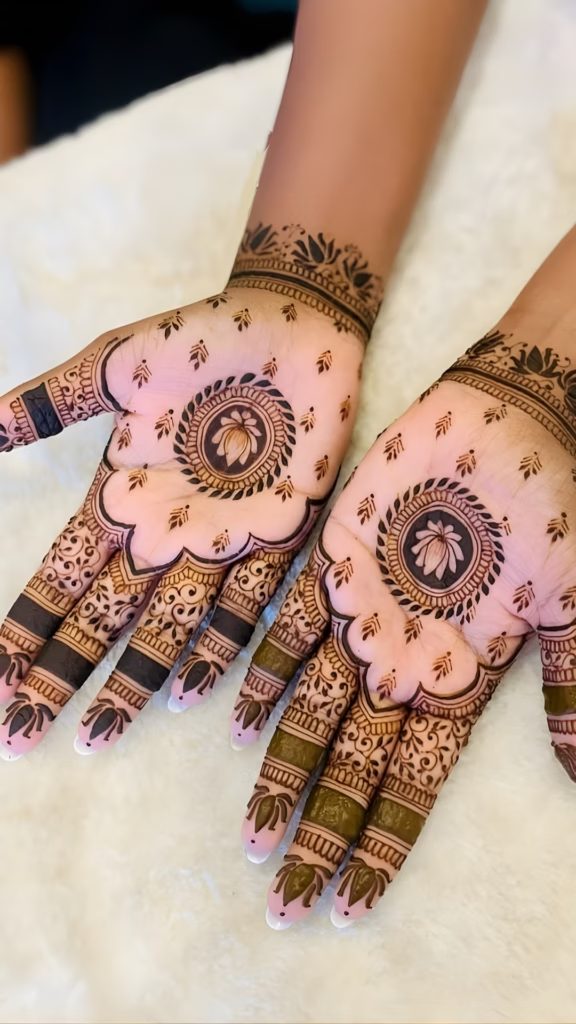
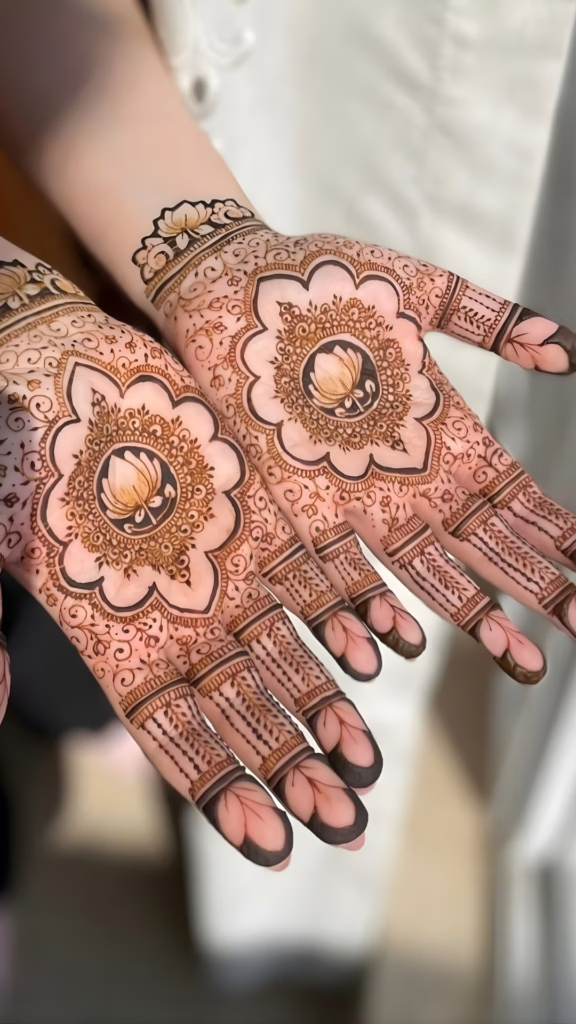
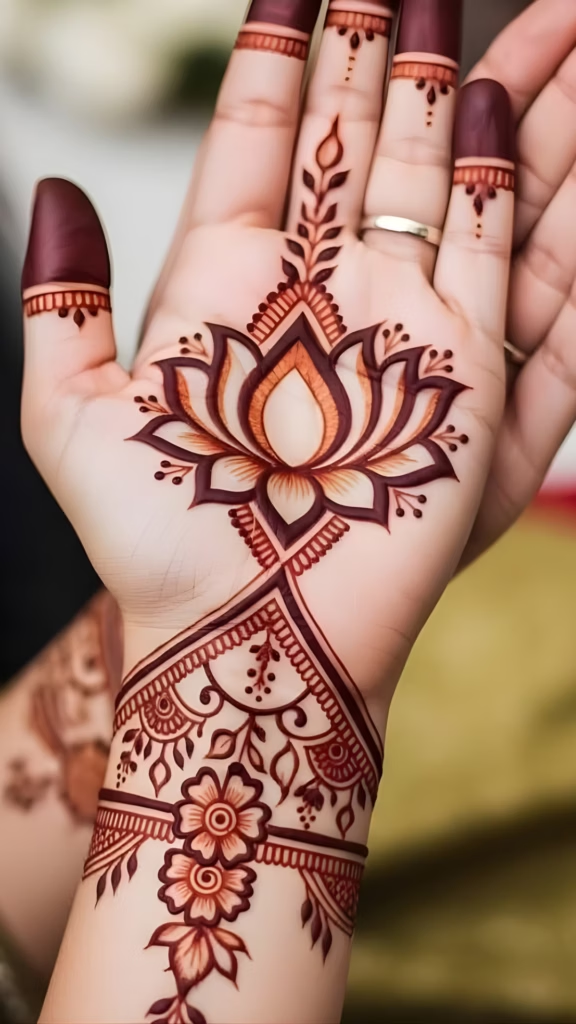
The lotus grows in muddy water and blooms perfectly above it. As a symbol for a woman entering marriage, which involves navigating genuinely complex waters, from day one, it’s almost too fitting to require explanation.
Simple version: clean petals, clear symmetry, precise centre, nothing else. This is one of the most achievable standalone designs and one of the most beautiful when the artist knows where to stop.
Elaborate version: multiple overlapping petal layers, fine internal line work in every petal, the lotus becoming the anchor of a full bridal design rather than just a motif within it.
The floating lotus, just the flower, perfectly centred, nothing connecting it to wrist or fingers, lives entirely on the quality of the lotus itself. Its symmetry, petal consistency, centre precision. When it’s right, nothing else is needed. When it’s slightly off, there’s nowhere to hide.
What Is Portrait Mehndi and How Does Storytelling Mehndi Work?
Portrait & Storytelling Front Hand Mehndi Designs Images
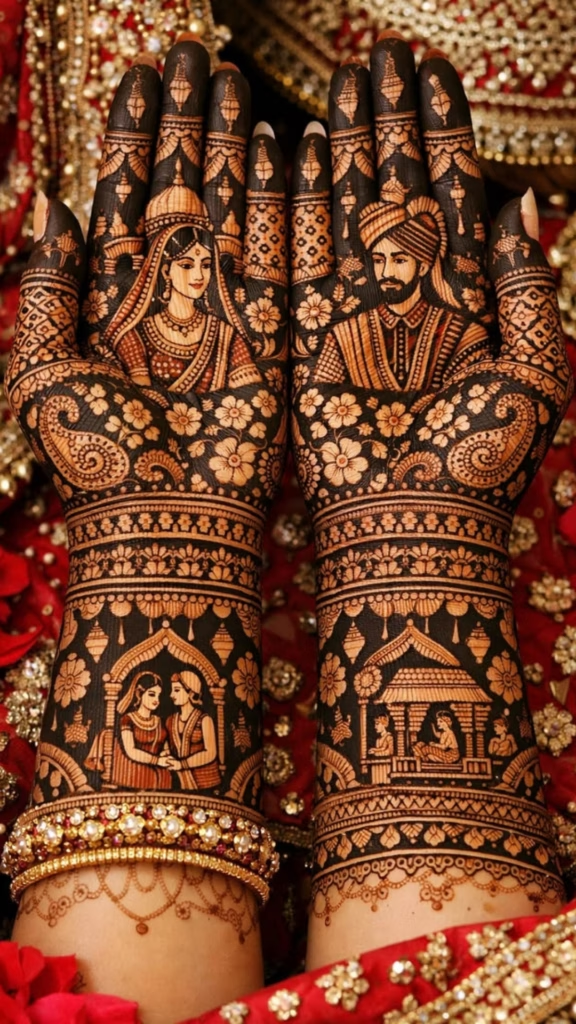
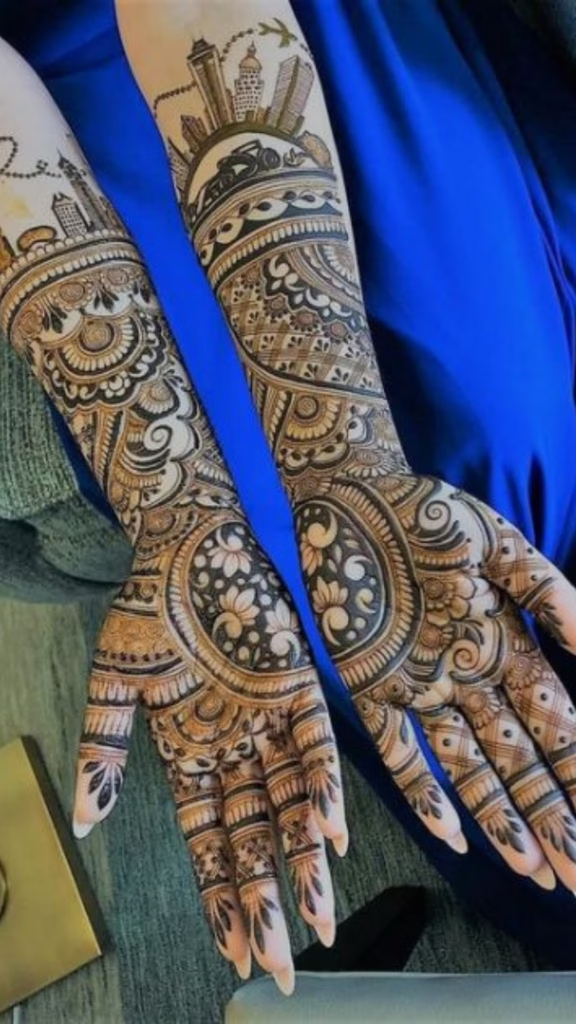
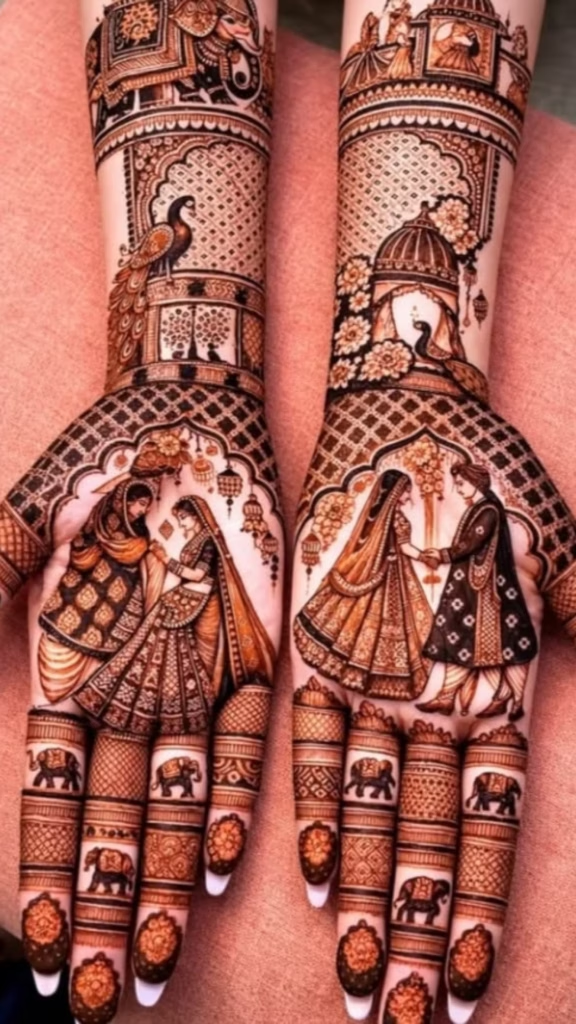
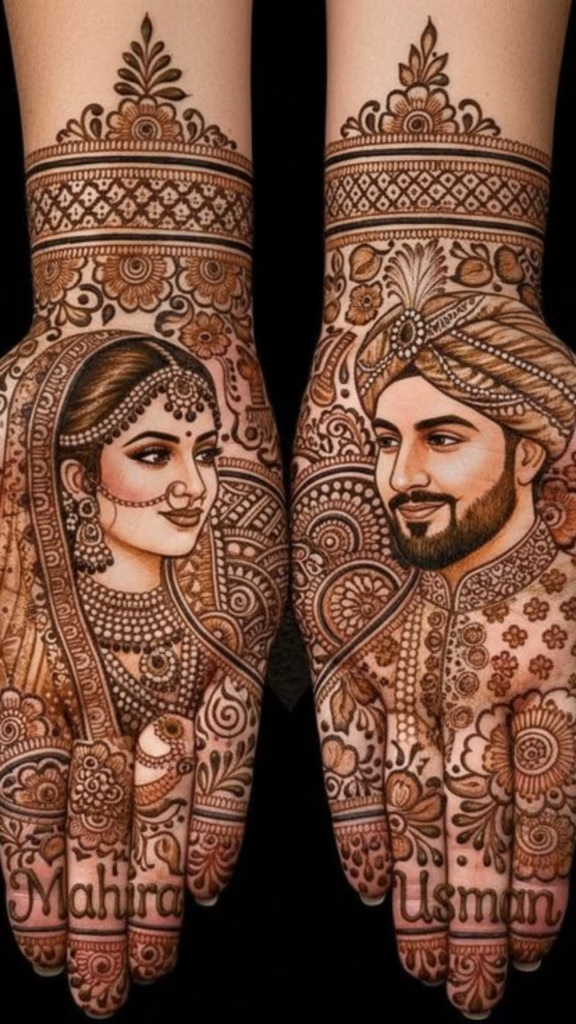
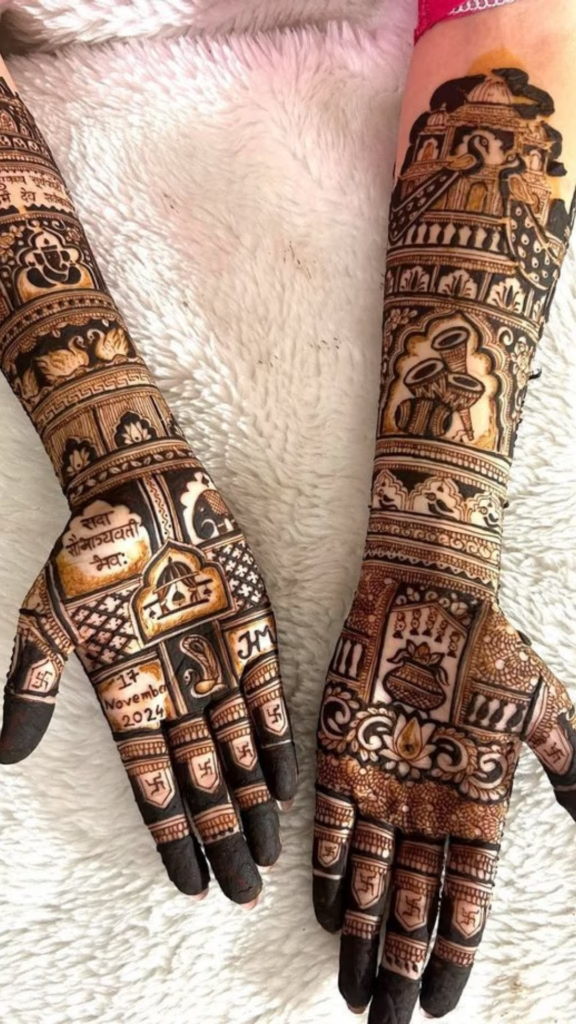
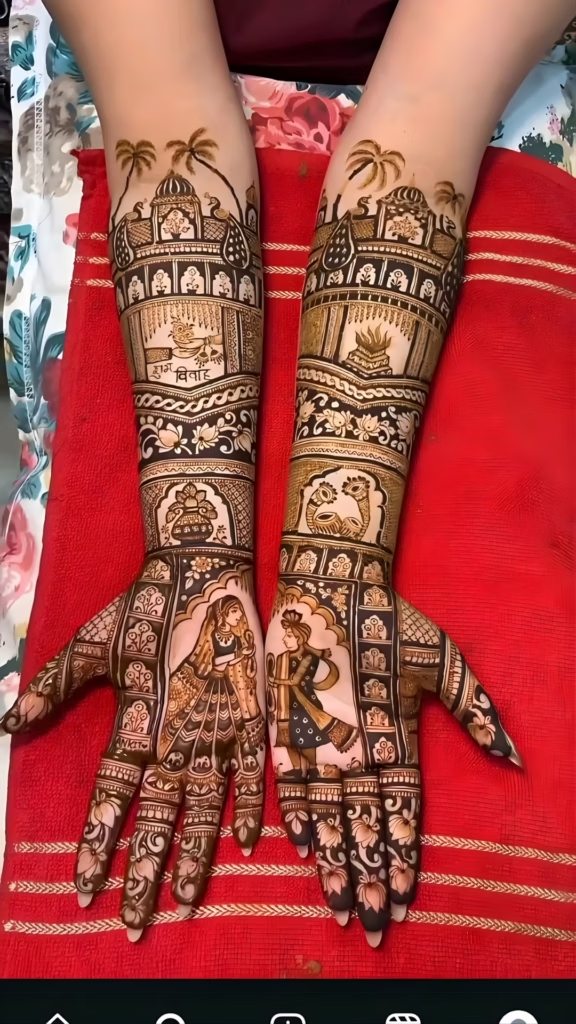
This is the category where guests put their drinks down and lean in properly.
Tiny scenes on a palm, bride and groom in miniature inside a jharokha arch, a wedding mandap with pillars and priest, a couple’s silhouettes surrounded by vines. People respond to this differently from other mehndi because it’s not just decoration. It’s about something. It tells a specific story about specific people.
The hidden elements are what guests talk about longest. A wedding date buried inside a floral border, readable only if you know where to look. A tiny mountain or airplane for a couple whose relationship was built on travel. The city where they first met, reduced to a recognisable skyline detail. These details outlast the mehndi itself, people describe them at other weddings, years later.
Reality check: portrait mehndi takes the most time and costs the most. A genuinely skilled portrait artist, one whose miniature faces actually look like faces, spends 6-8 hours on a complete design. They book out first, charge accordingly, and are worth every rupee if portrait work is what you want. The photographs from these designs are unlike anything else from a wedding, guests gathered around discovering the hidden date, the photographer flat on the ground capturing the mandap scene in frame.
Portrait and story mehndi is a category of its own. For hidden names, couple portraits, venue illustrations, and star-map designs, see our personalized bridal mehndi guide.
What Are Geometric Front Hand Mehndi Designs and Who Are They For?
Geometric & Modern Front Hand Mehndi Designs Images
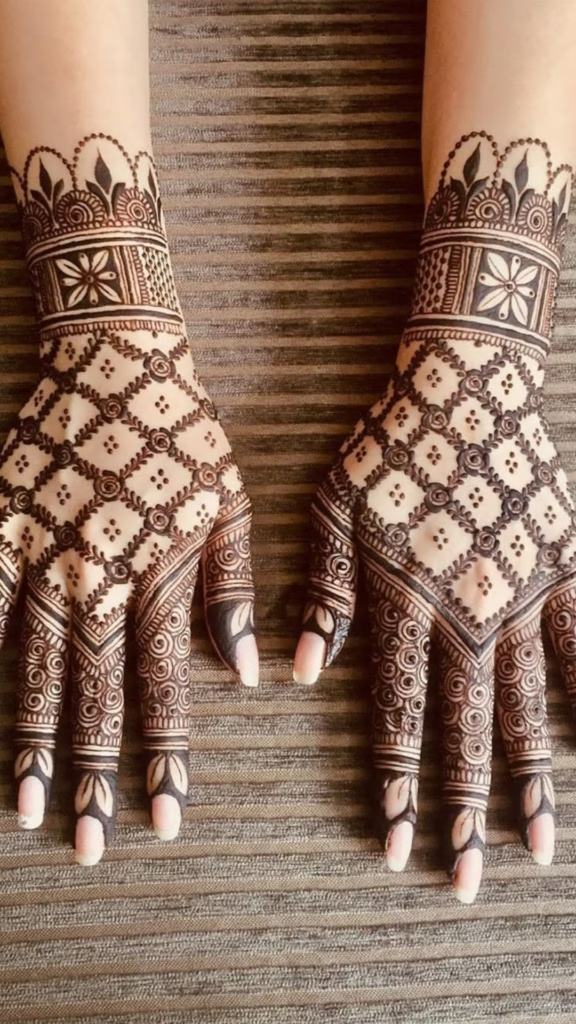
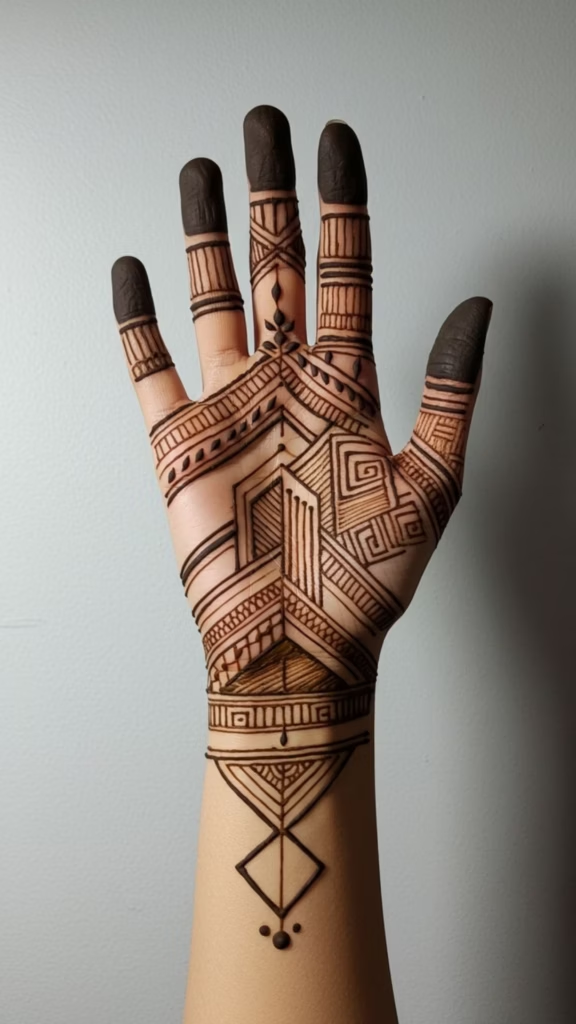
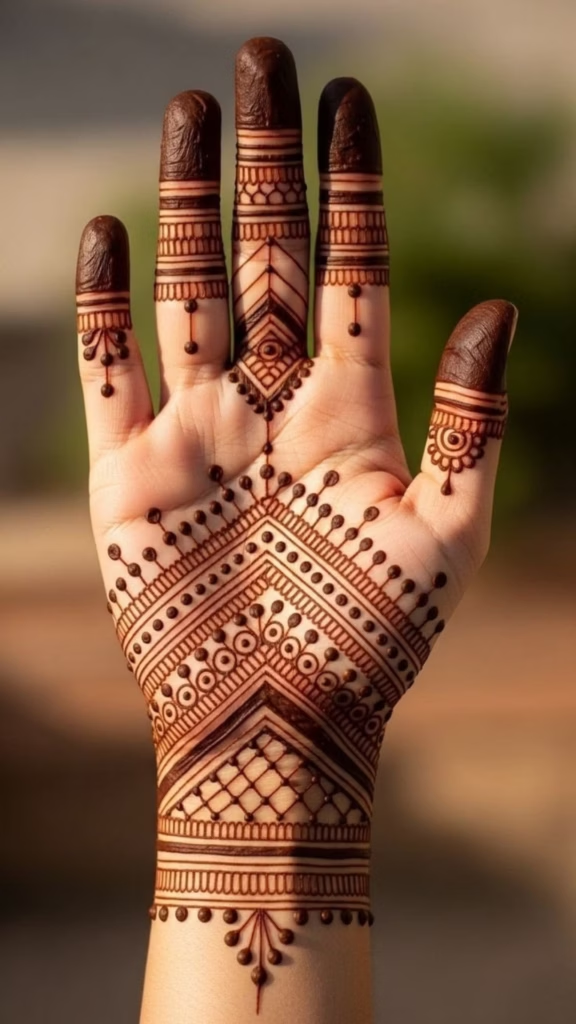
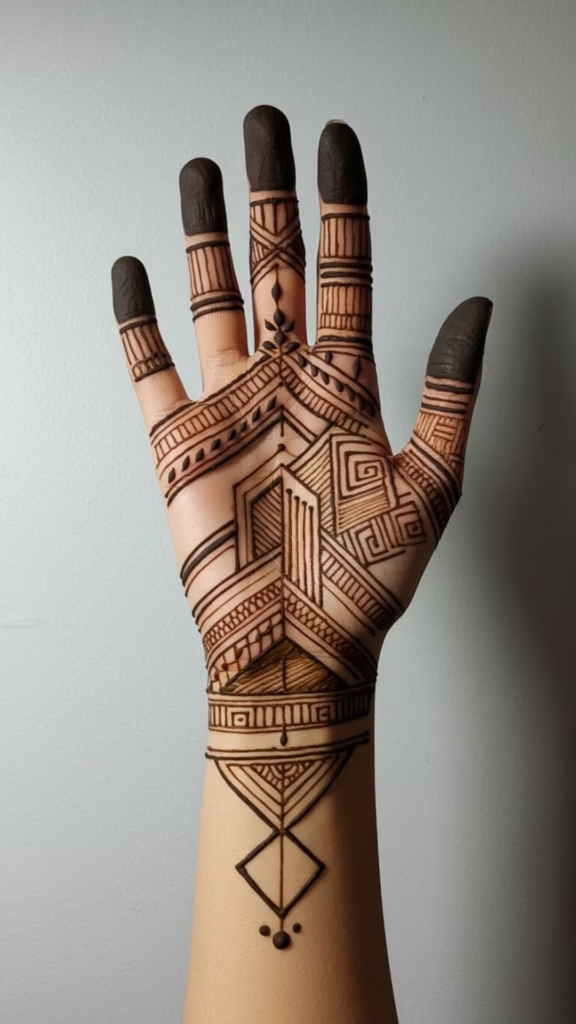
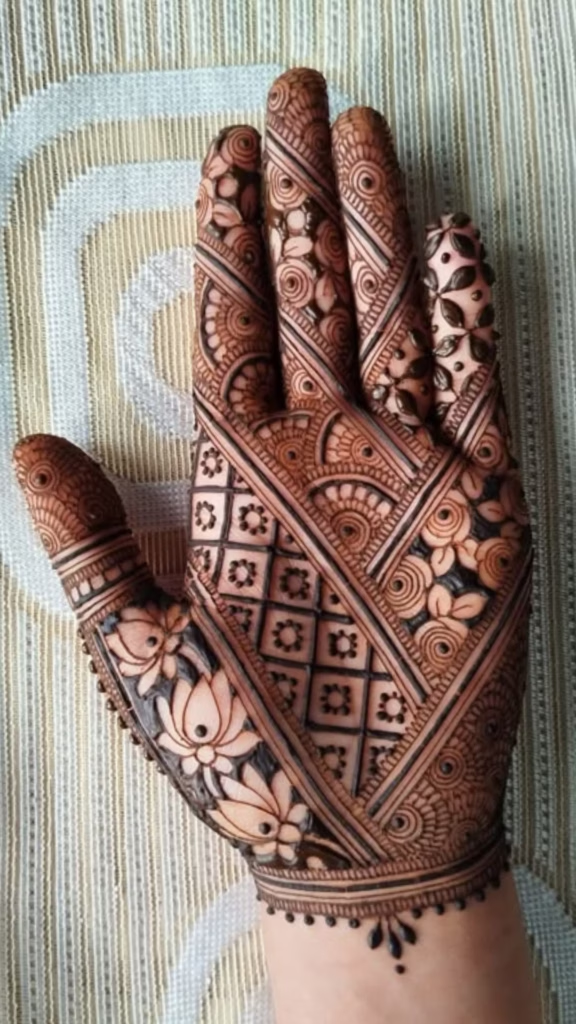
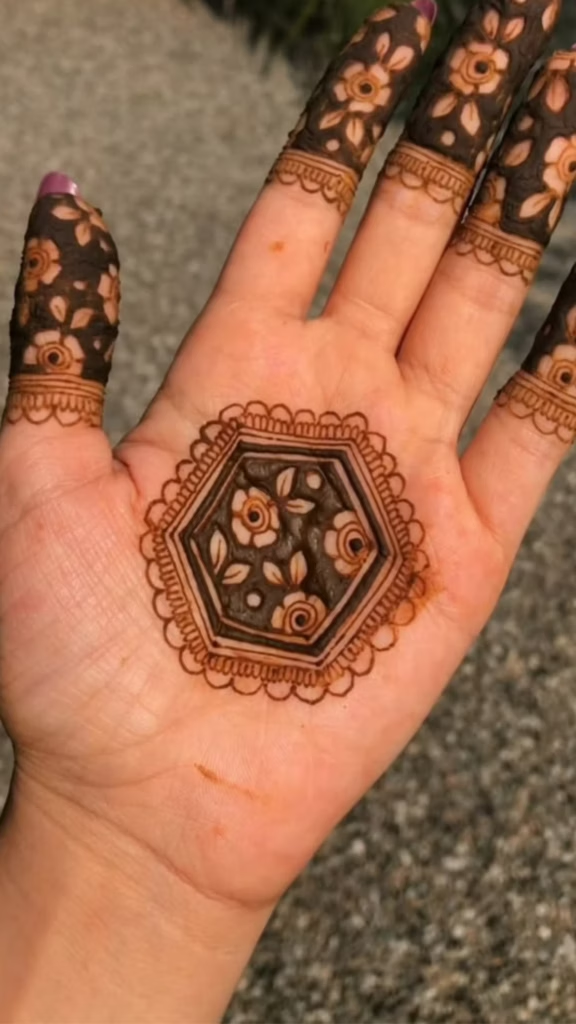
Not everyone who wants mehndi wants flowers. Some people want something that feels like wearable art rather than wedding tradition, and geometric mehndi is the honest, non-apologetic answer to that.
Sharp angles, straight lines, triangles, hexagonal grids, architectural arrangements built from precision rather than organic motifs. No peacocks. No paisleys. Lines placed with intention creating pattern through structure alone.
The catch nobody mentions enough: geometric mehndi is unforgiving. A slightly wobbly line in a floral design looks organic and natural. A wobbly line in a geometric grid looks like an error. Ask to see specifically geometric portfolio work before booking, not the artist’s general work, specifically geometric, because it requires a completely different kind of steadiness.
Beach weddings in Goa, mountain ceremonies in Himachal, rooftop celebrations in Mumbai, anywhere the aesthetic is Indo-western and the dress code leans contemporary, geometric mehndi sits comfortably. It doesn’t pull the look backward. It stays present.
What Is Tikki Mehndi Design and When Should You Choose It?
Tikki (Gol) Front Hand Mehndi Designs Images
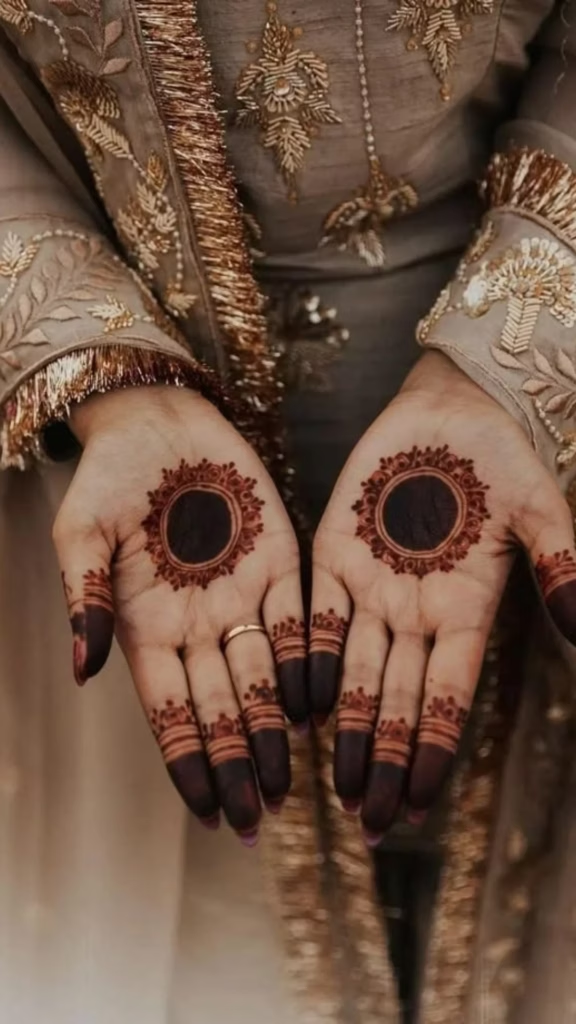
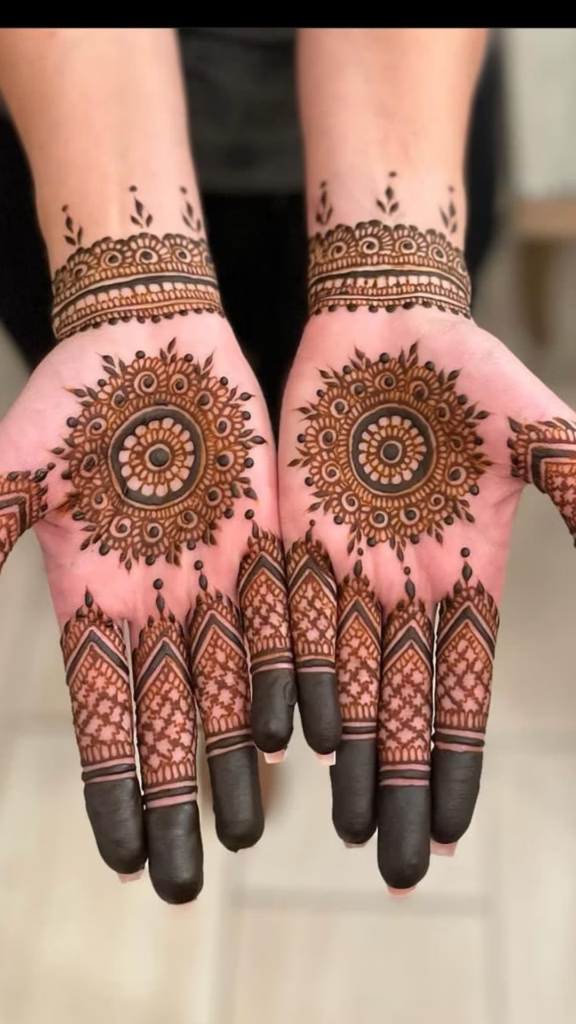
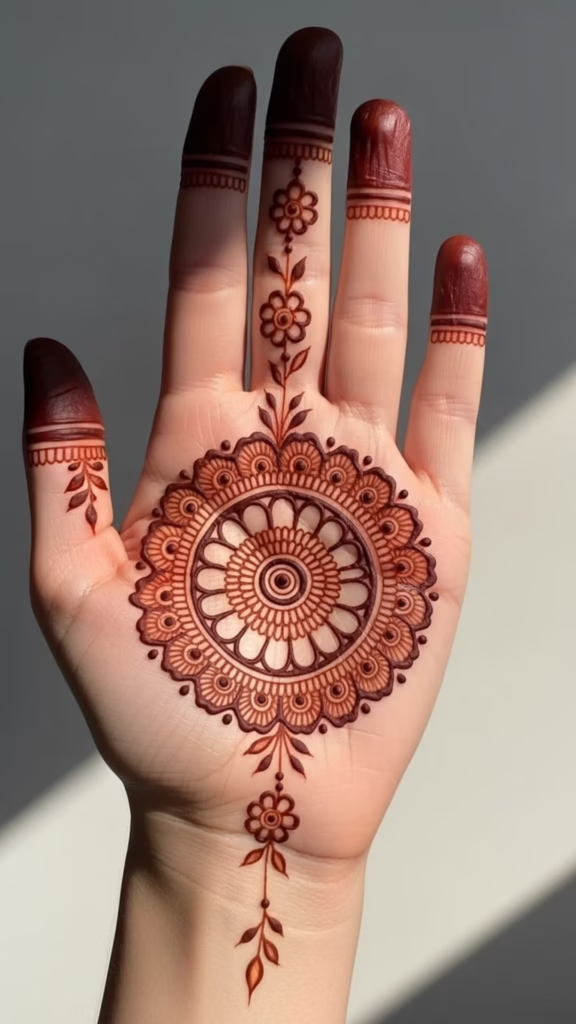
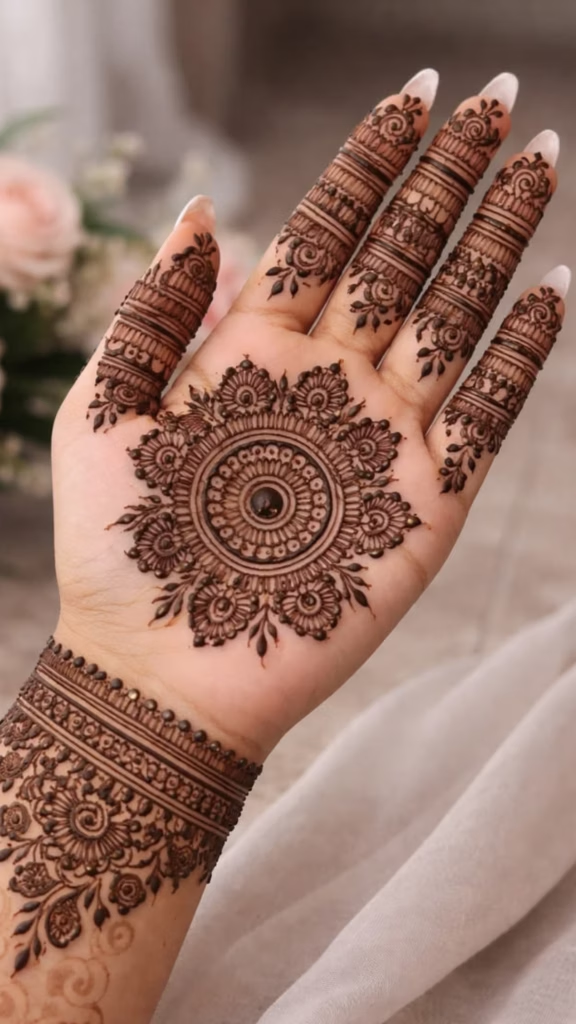
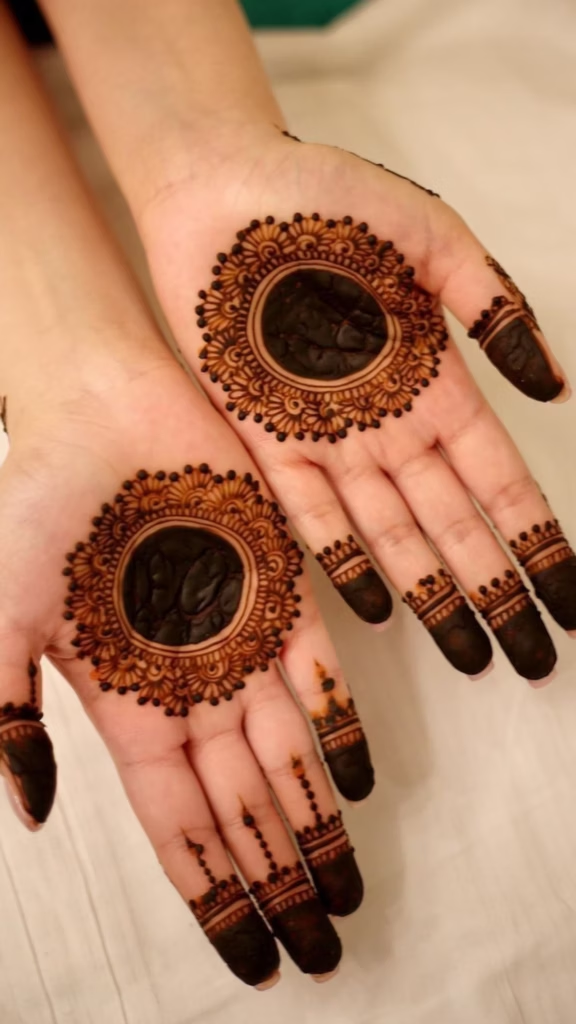
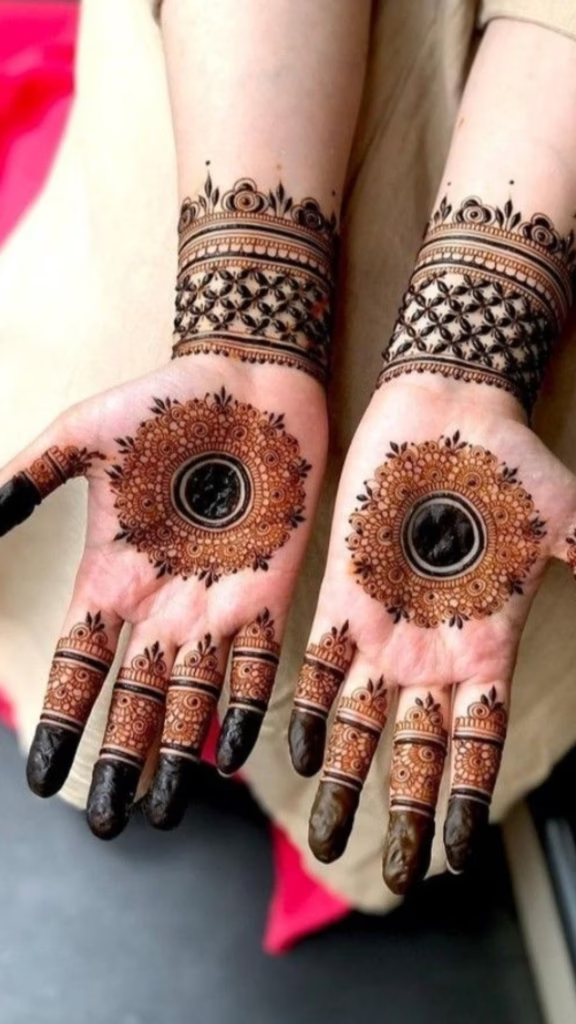
The tikki is one of mehndi’s oldest surviving motifs and it’s survived because it genuinely works at every level, for beginners, for experienced artists, for casual occasions and formal ones.
From across the room: a clean circle on the palm. Up close: concentric rings, dot work, tiny petal fills, geometric patterns inside geometric patterns. It rewards attention without demanding it.
Beginners applying mehndi at home should start here. The circular form forgives slight imperfections in ways that straight-line designs and floral trails don’t. A moderately wobbly ring in a tikki design still reads as a circle. A moderately wobbly straight line in anything else just looks wrong.
For North Indian engagement ceremonies specifically: the tikki on the bride’s right palm is often part of the ritual itself, not just decoration. It belongs there in the same way the ring does. That context matters, it’s one of those mehndi choices that’s genuinely correct for the occasion rather than simply attractive.
What Is Indo-Arabic Fusion Mehndi and Why Are Brides Choosing It?
Indo-Arabic Fusion Front Hand Mehndi Designs Images
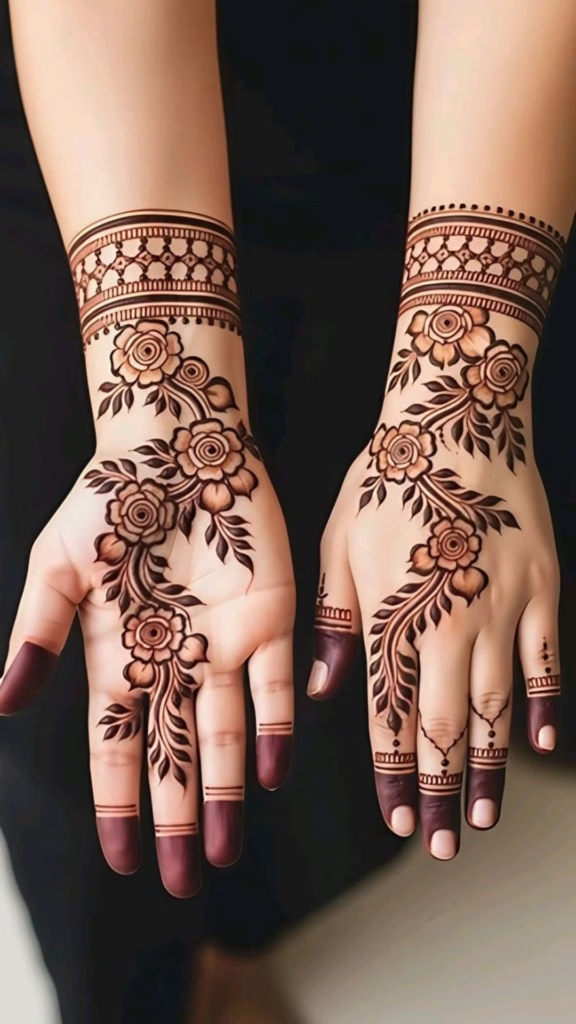
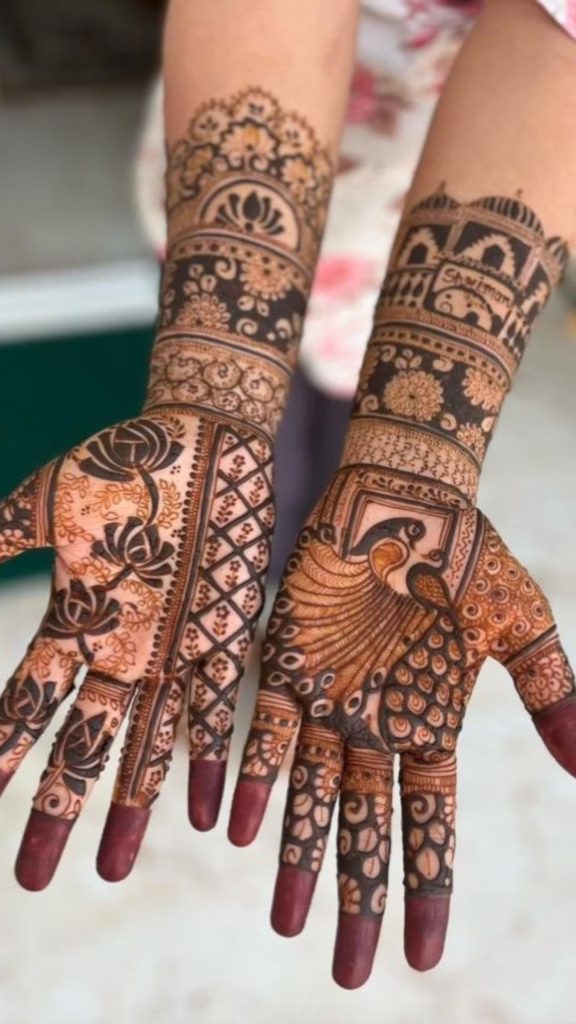
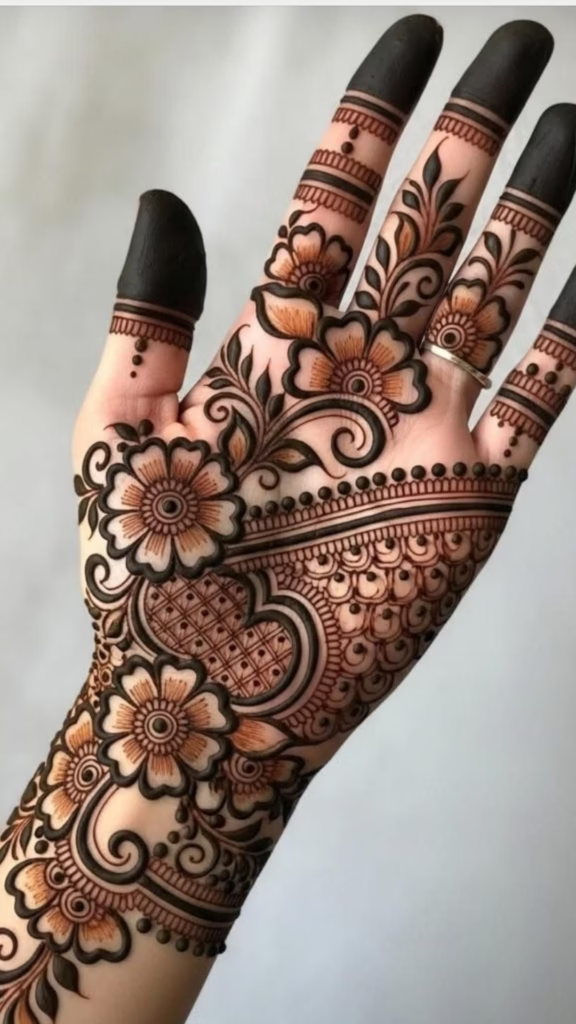
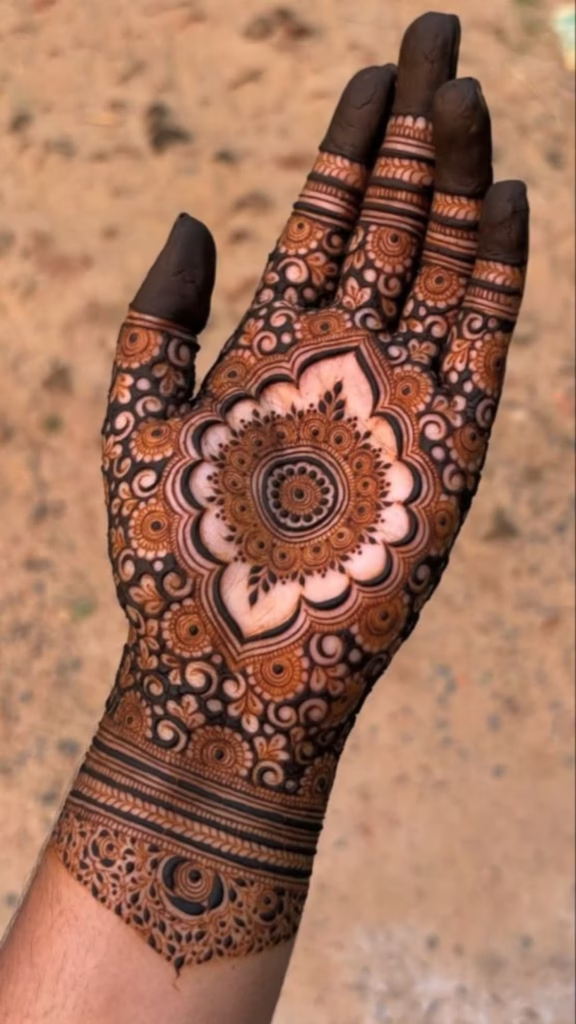
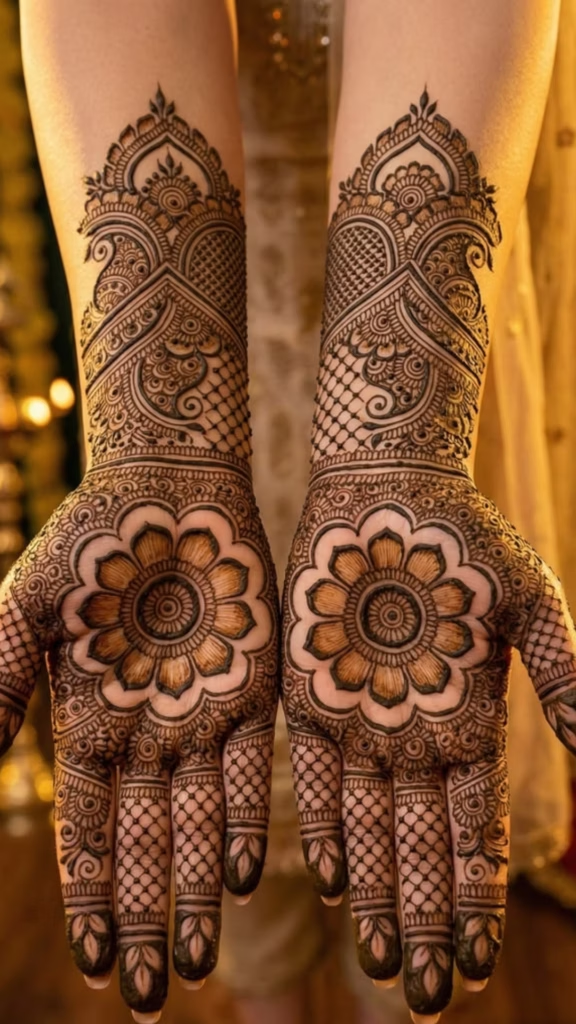
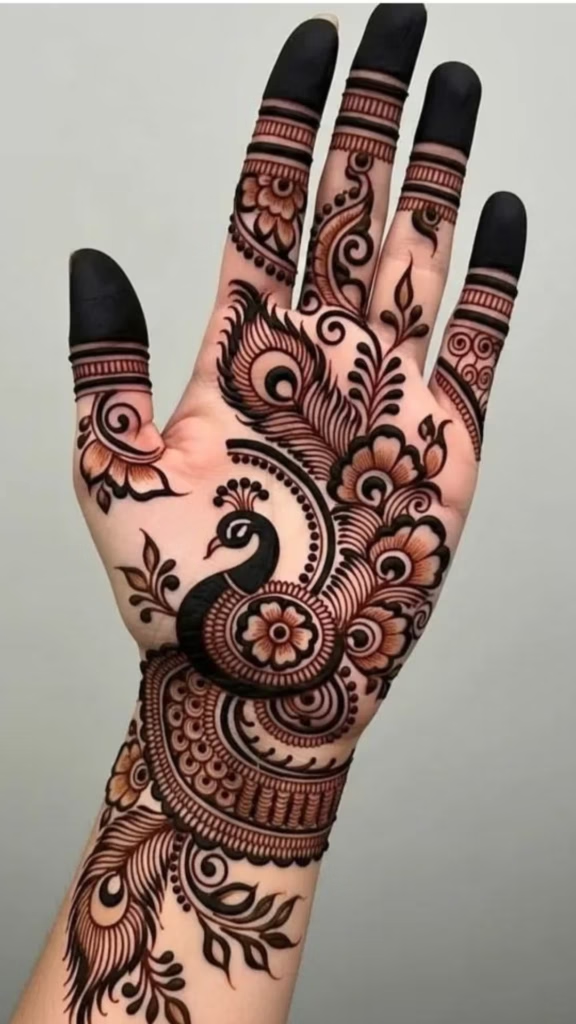
The Indo-Arabic fusion exists for people who can’t choose, and more importantly, for people who’ve realised they shouldn’t have to.
Arabic mehndi brings flow, negative space, modern visual sensibility. Indian traditional mehndi brings specific cultural motifs and the weight of a tradition that means something to the person wearing it. The fusion takes Arabic structural logic, diagonal movement, open florals, generous breathing room, and fills it with Indian cultural content. Paisleys inside Arabic flower petals. Jali borders at the wrist. A peacock inside a large open rose.
When an artist understands both traditions properly, the two styles don’t compete, they enhance each other. Arabic gives movement to Indian motifs that can feel static. Indian elements give depth and meaning to Arabic forms that can feel purely decorative.
In Delhi, Mumbai, Bangalore, Hyderabad, anywhere brides are navigating between inherited tradition and personal contemporary aesthetic, the Indo-Arabic fusion is the most commonly requested bridal style and has been for a few years running. It’s popular because it solves a real problem that many modern brides actually have.
What Is Finger-Focused Mehndi and Why Is It Trending in 2026?
Finger-Focused Front Hand Mehndi Designs Images
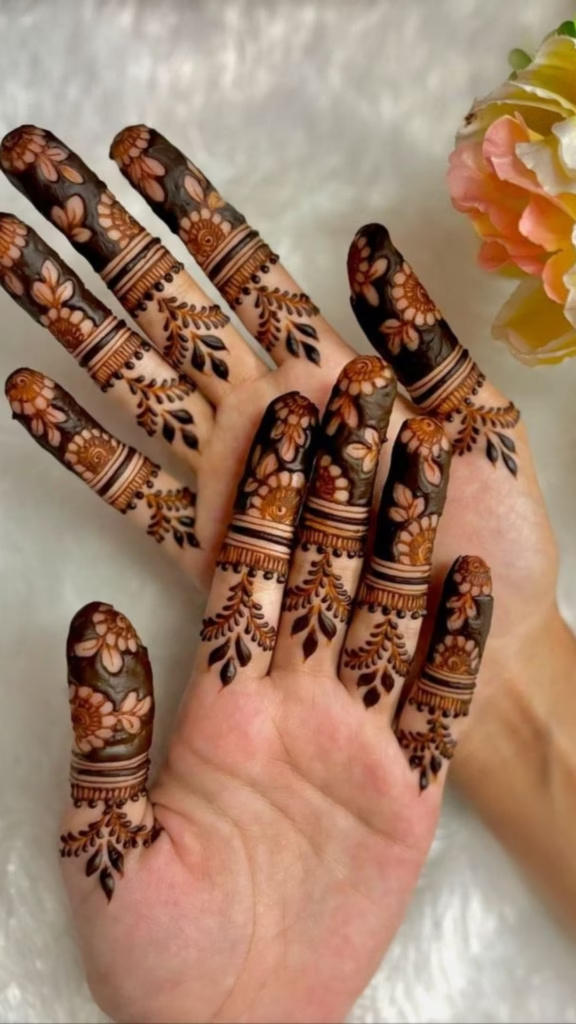
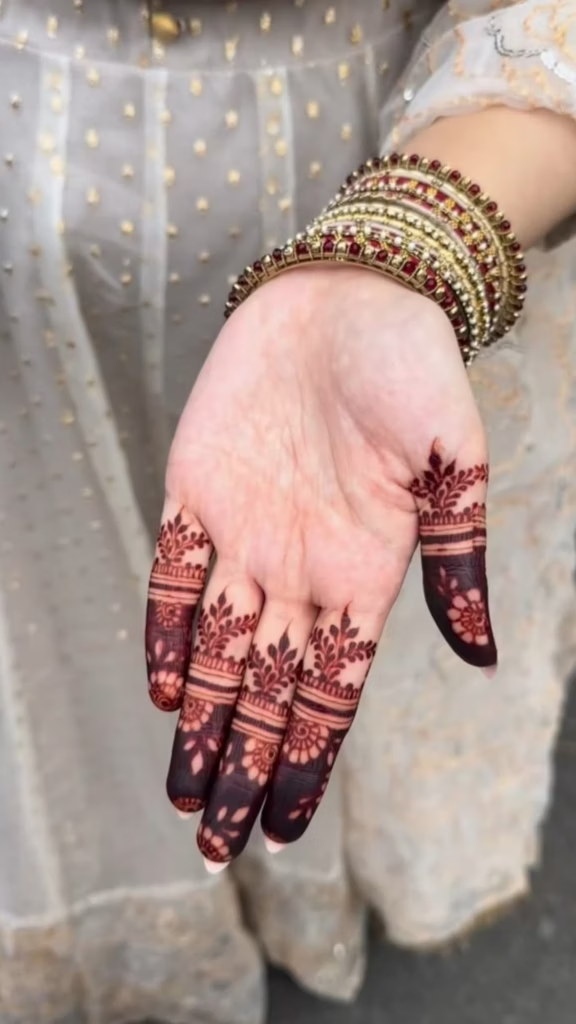
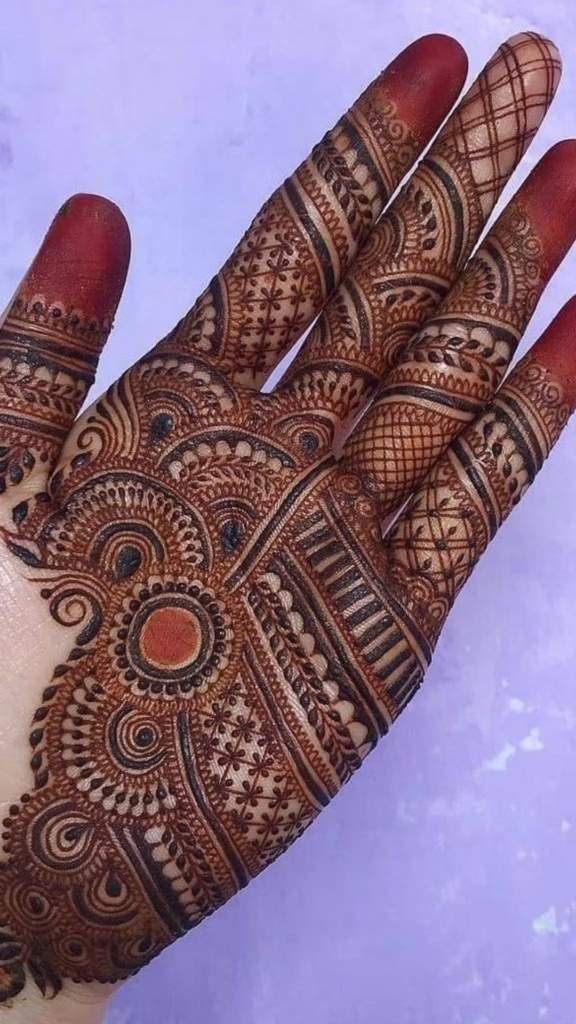
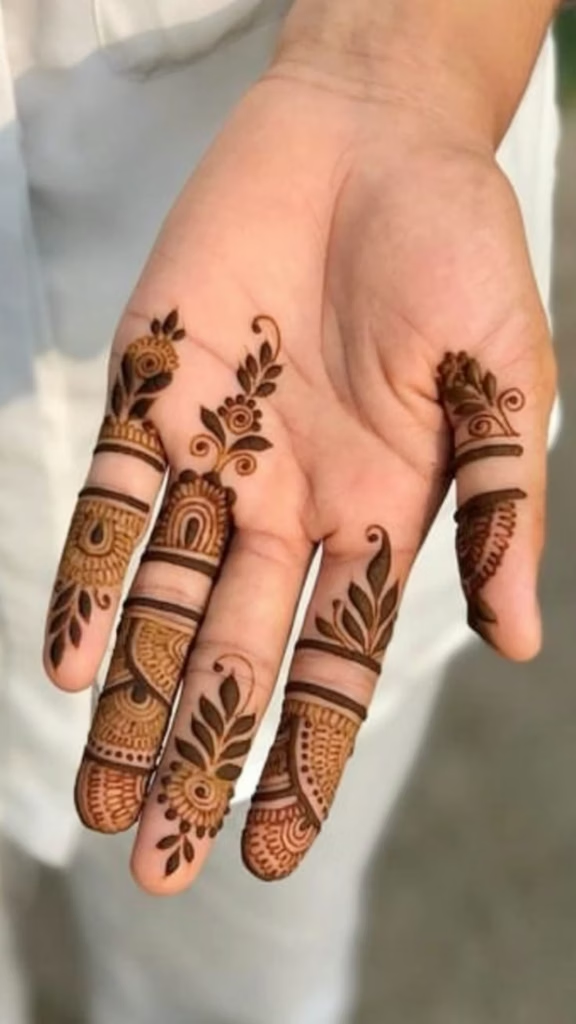
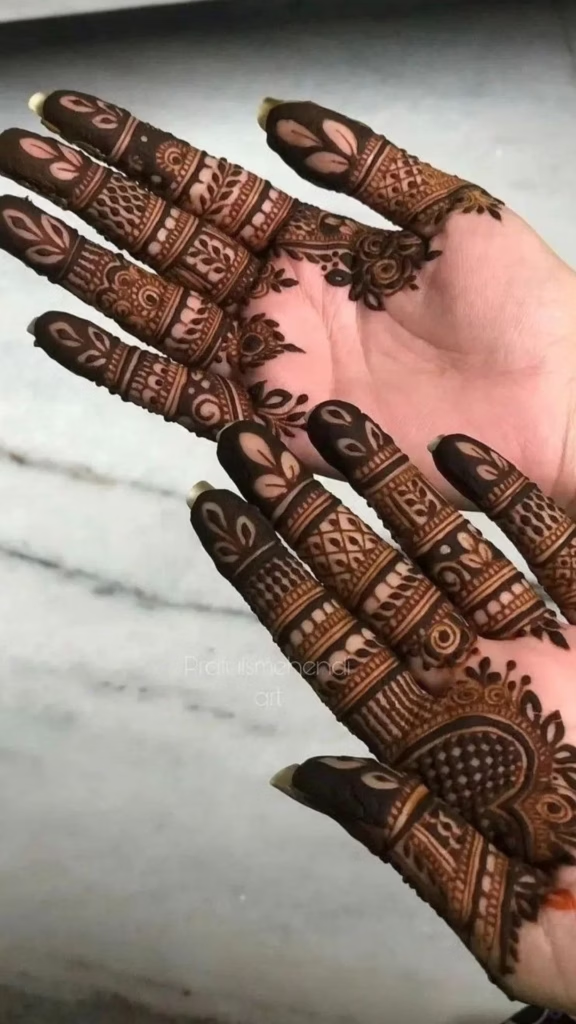
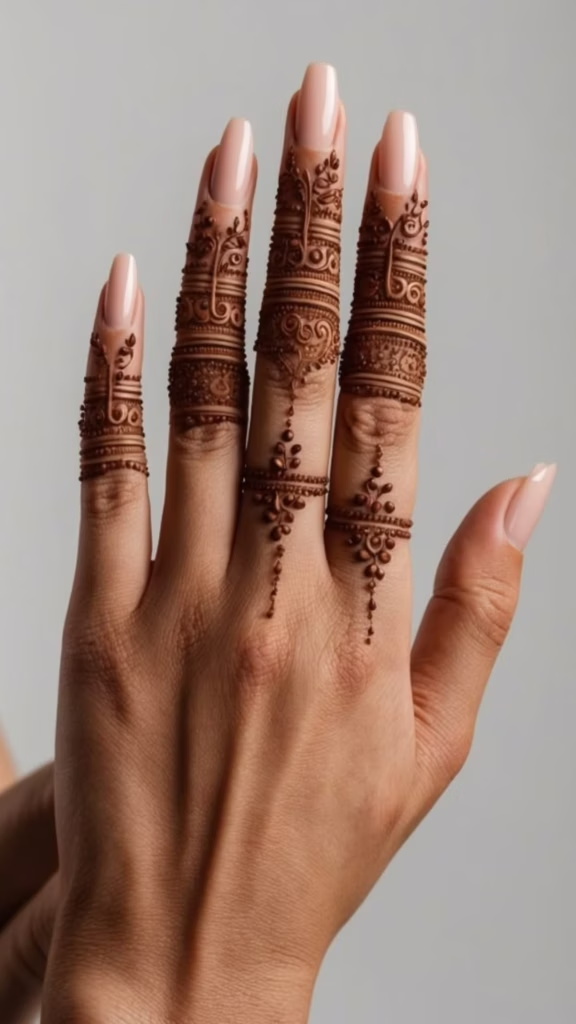
The most genuinely original mehndi trend of 2026 isn’t a motif or a style. It’s a placement decision that flips conventional logic entirely.
Finger-focused mehndi concentrates everything on the fingers, knuckle bands, full-length finger covers, henna rings stacked at different joints, intricate wraps running from fingertip to base, while the palm below stays largely or completely bare. Each finger is its own canvas. The palm is intentionally empty.
Open your hand and the fingers command everything. Close it and the contrast between richly decorated fingers and bare palm reads as a deliberate artistic decision rather than an unfinished one.
Younger wedding guests and bridesmaids are choosing this strongly this year. It photographs exceptionally well, particularly the flat-lay hand shot that everyone takes at weddings now. It’s quicker than full-hand designs. And crucially, it feels personally chosen rather than traditionally inherited, which matters to a generation that engages with cultural tradition on its own selective terms.
What Front Hand Mehndi Design Is Right for Kids and Teenagers?
Front Hand Mehndi for Kids & Teens Images
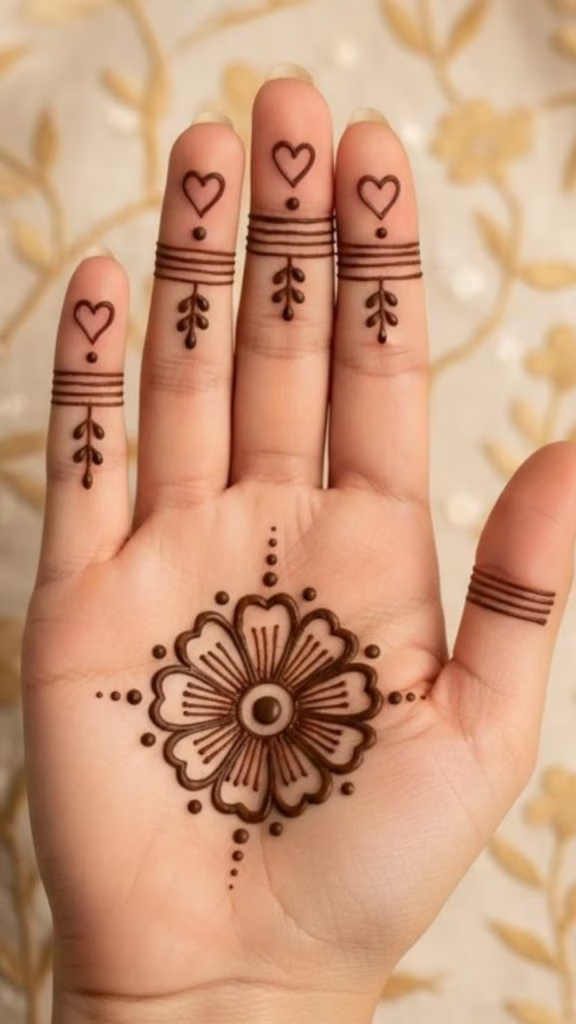
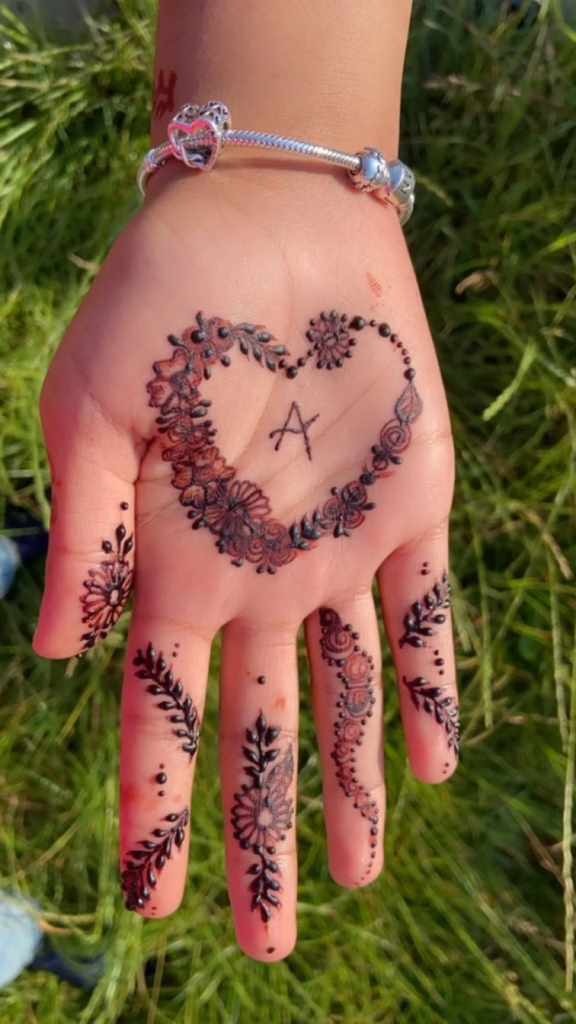
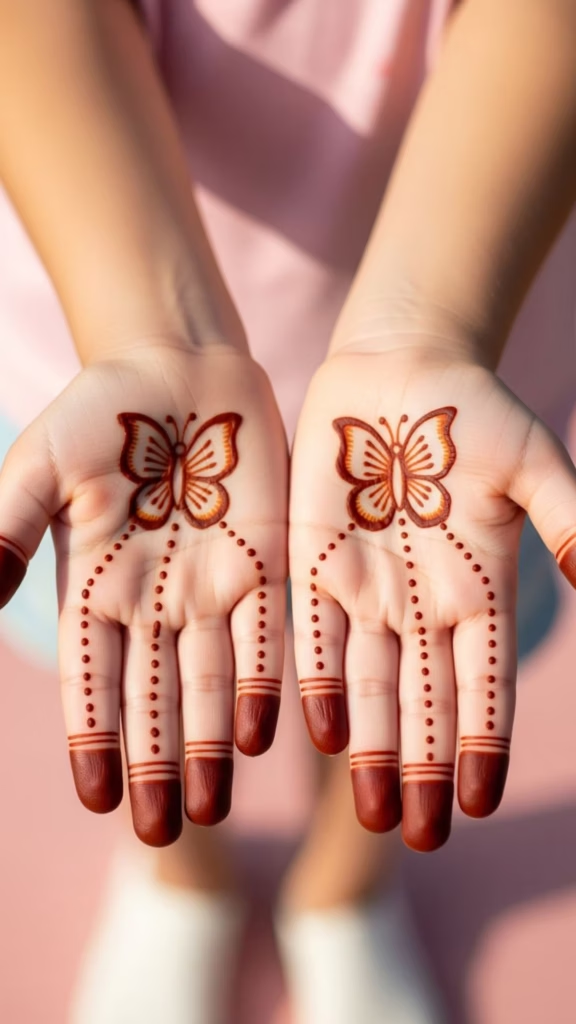
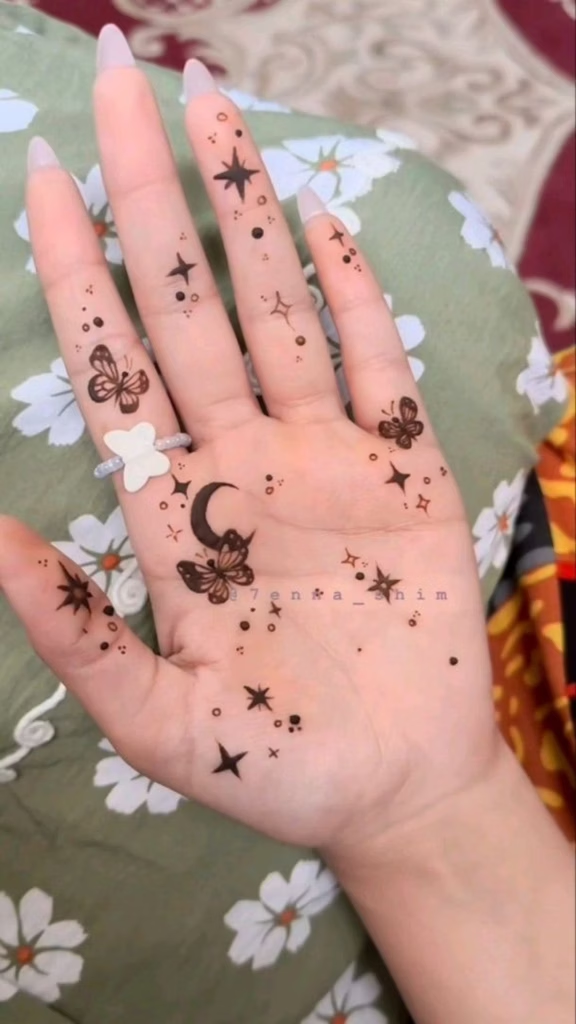
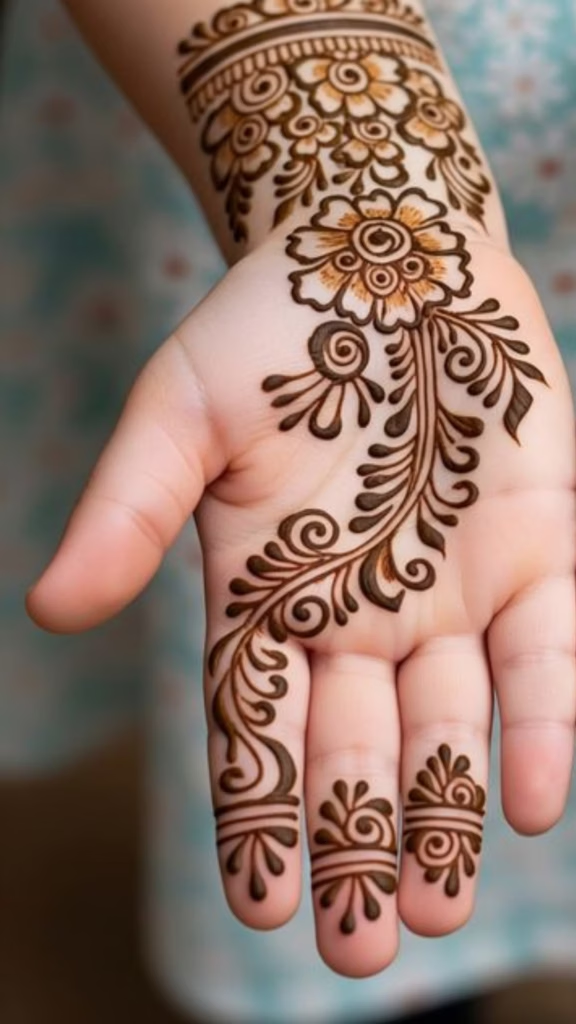
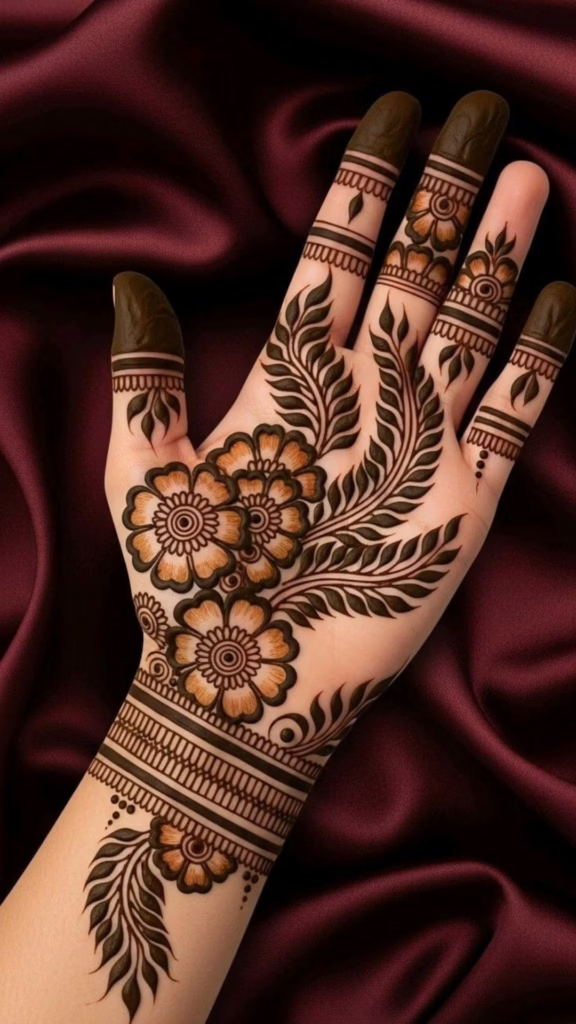
Children at weddings deserve proper mehndi, not a rushed scribble because the artist has fifty adults still waiting.
Young children: one flower centred in the palm, clean petals, done in ten minutes before their attention completely leaves the room. Short paste time, their skin is more sensitive and they genuinely won’t understand why they can’t touch anything.
Teenagers are a different conversation entirely. Mehndi is a real aesthetic choice for older girls at weddings right now, not just participation in a family ritual. Give them design input. Star arrangements, initials in vine work, a clean Arabic trail, geometric patterns they found themselves online. A teenager who chose her own design sits longer, cares more about aftercare, and ends up with better mehndi than one who got whatever the artist had time for.
Tell the artist in advance. Tell them children will need designs, roughly how many, roughly what ages. Good mehndi artists who work weddings regularly are completely comfortable with this, many of them genuinely enjoy it as a change of pace from six hours of bridal work.
Which Front Hand Mehndi Design Should You Choose for Karwa Chauth, Diwali, Eid and Teej?
Festival Front Hand Mehndi Designs Images
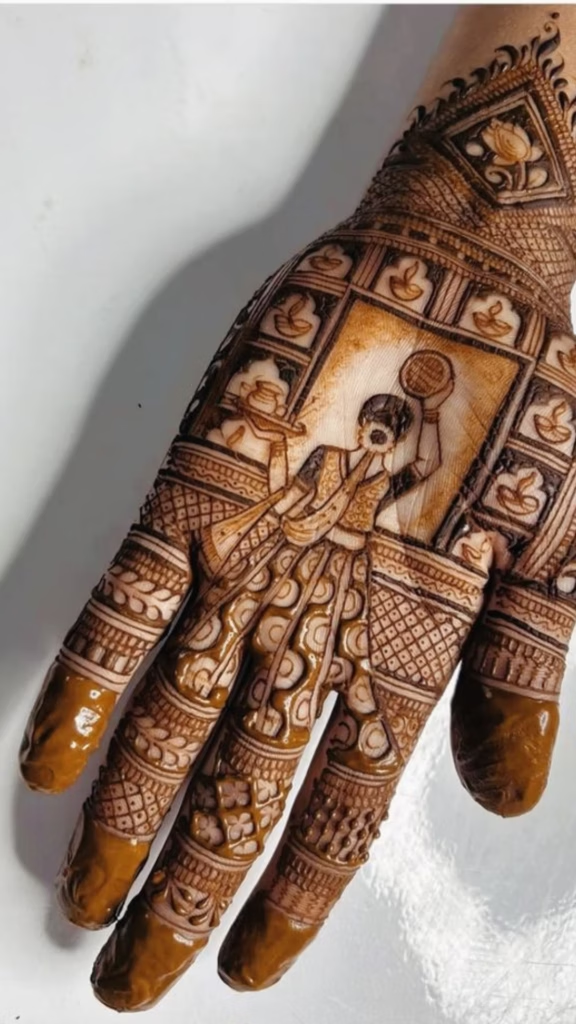
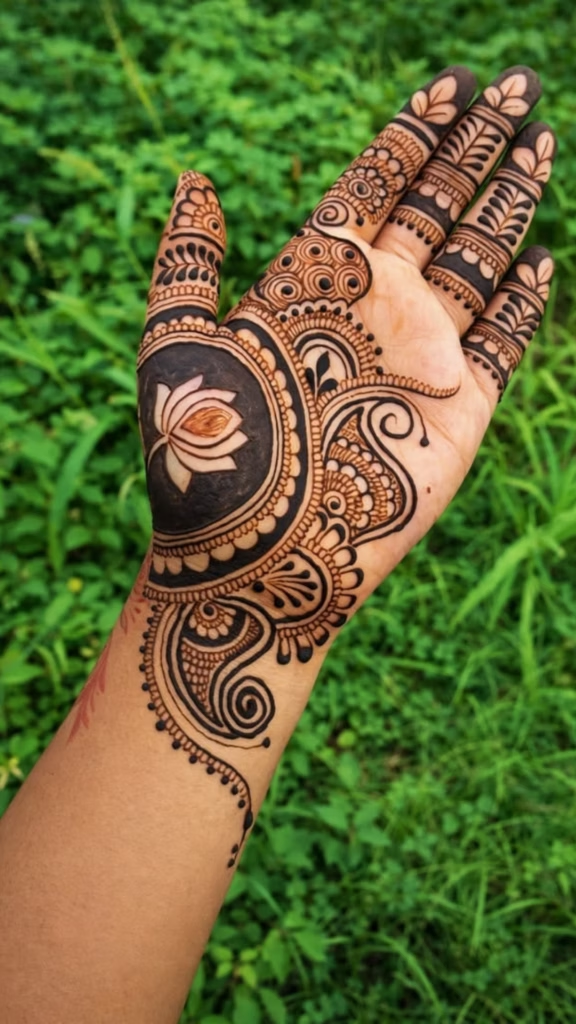
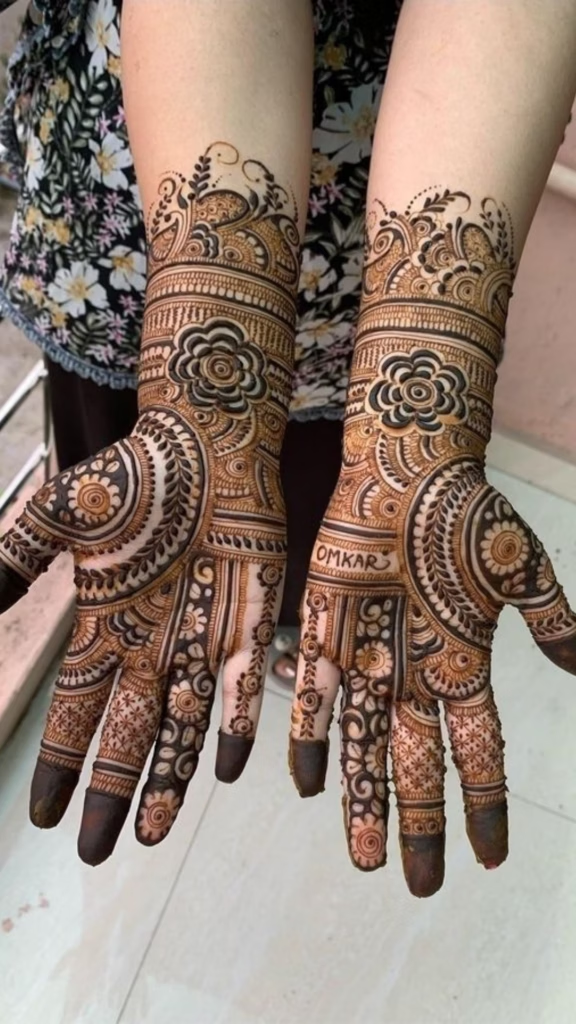
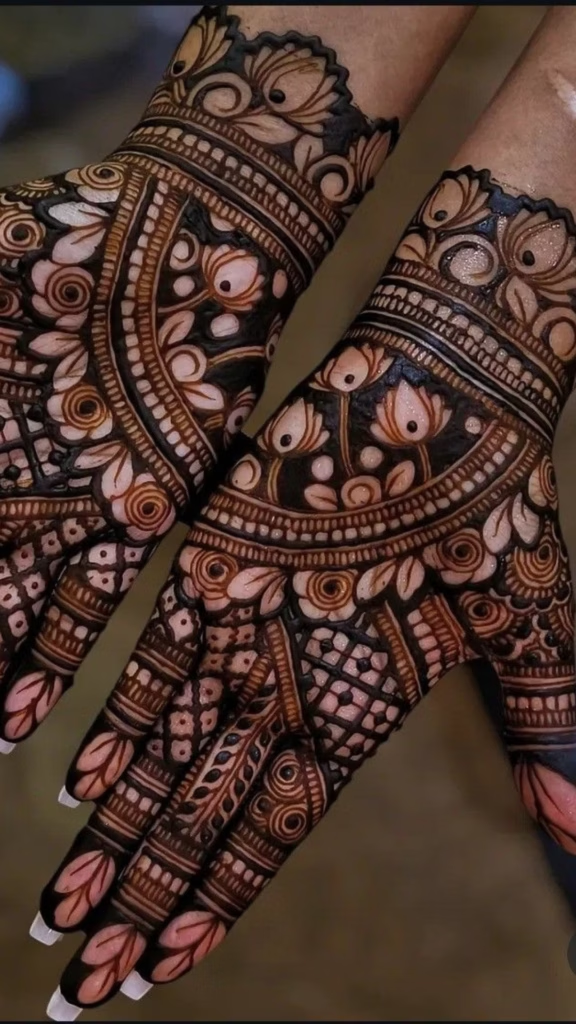
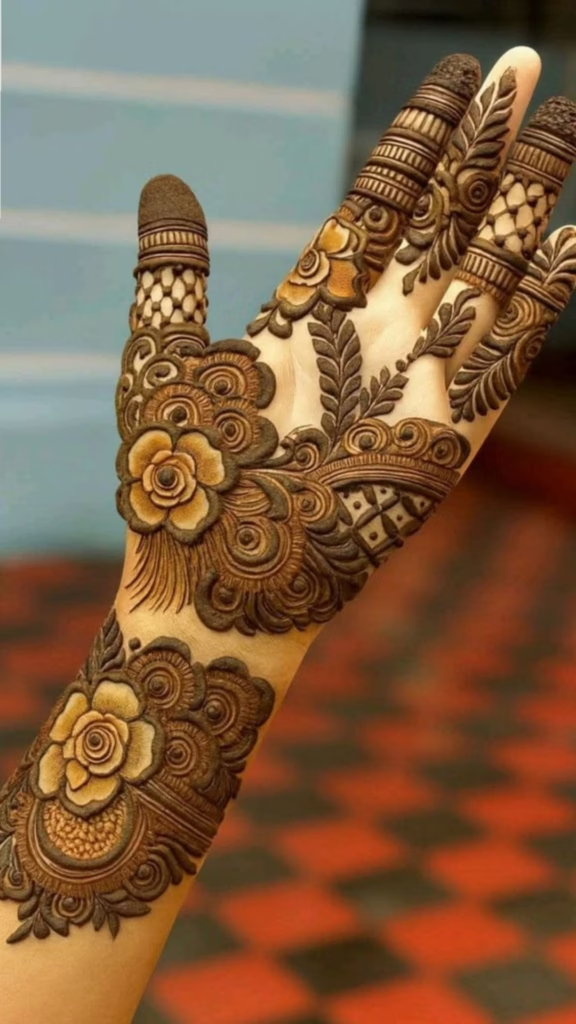
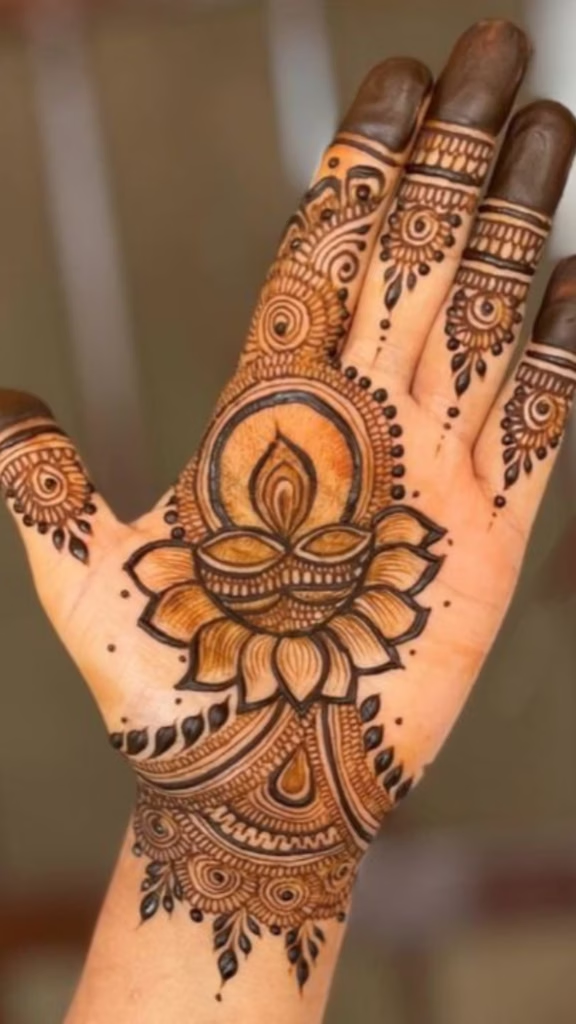
Different festivals carry different visual traditions, and matching the design to the festival matters more than most people realise.
Karwa Chauth: The moon is the ritual’s central image, it has to be in the mehndi. A mandala moon centred in the palm, traditional border work around it. Most married women include their husband’s name hidden somewhere inside the design. Finding the name has become its own small tradition, guests look for it, family members try to spot it before the bride points it out.
Diwali: Festival preparation is genuinely chaotic and nobody has six hours to sit for mehndi in the middle of it. A diya motif surrounded by rangoli-inspired geometric patterning, achievable in under an hour, is the realistic and beautiful answer.
Eid: Eid: Arabic style, naturally. See our Eid mehndi design guide for crescent-moon and Chaand Raat ideas.
Teej: Underrated mehndi occasion. In communities where Teej is practised properly, the mehndi reflects the weight of the occasion, full hand coverage, traditional motifs, a seriousness and density you’d associate with bridal designs. It’s not an afterthought for the families where it genuinely matters.
How Do You Get a Darker Mehndi Stain on Your Front Hand?
This question comes up at every single mehndi session. Here’s what genuinely works and what doesn’t.
Time is non-negotiable. Time is non-negotiable. Six to eight hours minimum for any real stain. Overnight for bridal mehndi.
Warmth helps more than most people use it. Gentle heat near dried paste, a candle at safe distance, clove steam, low heating pad, helps dye penetration. Not scorching. Comfortable warmth. Brides whose mehndi ceremony happens in afternoon heat with naturally warm palms stain consistently darker than those in heavily air-conditioned rooms.
Lemon-sugar sealing is real. Equal parts fresh lemon juice and sugar, dabbed carefully over dried paste with cotton. It seals the surface, slows cracking, adds moisture. Traditional mehndi artists do this routinely because the difference is visible.
Scrape don’t wash. Back of a butter knife or spoon to remove paste. Then coconut or mustard oil over the design immediately. Never water first.
24 hours without water is the rule everyone breaks and regrets. Water in the first 24 hours lifts pigment before it’s finished setting. The people who skip this step always notice the difference and always wish they hadn’t.
How Do You Take Care of Front Hand Mehndi After Application?
Paste is off. Design is on. The next 24 hours determine the next two weeks.
Scrape the dried paste, never wash it, using something blunt and flat. Immediately rub coconut oil, mustard oil, or baby oil over the entire design. This creates a barrier against moisture hitting the fresh stain.
First 24 hours: minimum water contact. When washing is unavoidable, minimum water, pat dry, never rub. No bleaching soaps.
After 24 hours the stain keeps deepening for another day before natural fading begins. Daily mustard oil extends the colour meaningfully. Avoid swimming, long soaks, aggressive scrubbing anywhere the mehndi sits.
Properly applied and genuinely cared for: rich colour for 10-14 days, visible but lighter for close to three weeks.
How to Book a Mehndi Artist for a Destination Wedding in India
Mehndi at a destination wedding needs the same advance planning as the venue itself. Top artists in Jaipur, Udaipur, Goa book 6-12 months ahead for peak season. October through February weddings: start looking the moment your venue is confirmed.
Match artist to location and style specifically. A Delhi Arabic specialist and a traditional Jaipur artist are bringing completely different skills. Look at regional portfolios with your specific design style in mind.
Confirm in writing who is actually showing up. “Will you personally be applying my mehndi?” ask this directly, get confirmation in writing. Senior artists sometimes send junior assistants on event day without informing the client. This happens more than it should.
Build your ceremony timeline around the mehndi session, not around other events. Bridal front and back: minimum four hours for the bride alone. Every additional person needing mehndi requires either more artists or a longer window. This needs to be in your ceremony schedule from the beginning.
Schedule mehndi photography separately from application day. Peak stain is 24-36 hours after paste removal. That’s when you want your photographer there, not the evening of application when everything is still fresh and slightly raw-looking.
Our team at Destination Weddings India connects couples with verified mehndi artists across more than 25 cities. Reach out if you need introductions based on your specific style and venue location.
How to Choose the Right Wedding Venue for Your Destination Wedding
A destination wedding usually feels confusing at the start, and most of it comes down to the venue. It decides everything, your budget, your guest list, how the whole wedding feels.
The problem isn’t finding options. There are too many. The real problem is figuring out what actually makes sense for you.
If you’re stuck there, Destination Weddings India helps couples find and book venues across India based on what actually works, not just what looks good online.
Because the right venue isn’t the fanciest one. It’s the one that fits your wedding without forcing things.
Contact Destination Weddings India
[contact-form-7 id=”7681dff” title=”Blog-Marketing”]
Explore More Wedding Planning Guides
If you’re planning a wedding, these guides will help you figure out the rest of the details step by step:
- Shaadi Muhurat 2027 – Complete list of wedding dates to plan your functions in advance
- Haldi Decoration Ideas – Simple to elaborate setups that actually work in real weddings
- Wedding Card Design Ideas – Invitation styles that match different wedding aesthetics
- Simple and Beautiful Mehndi Designs – Easy designs for small functions and guests
- Bridal Mehndi Designs for Indian Weddings – Detailed styles for brides across different wedding themes
- Mehndi Design Ideas – A mix of trending and traditional designs for every occasion
What Do People Most Often Ask About Front Hand Mehndi Design?
Frequently Asked Questions About Front Hand Mehndi Design
What is the difference between front hand and back hand mehndi design?
Front hand is your palm side, inner wrist, palm, inside of fingers. Back hand is the outer surface. Both together make a complete bridal look. The front hand is the more auspicious placement in Indian wedding ritual because it faces upward during the pheras, the ring ceremony, most of what matters most.
Which front hand mehndi design is best for a bride?
Traditional heritage venue wedding: Rajasthani full-hand. Modern bride, shorter sitting time: Arabic or Indo-Arabic fusion. Long outdoor destination ceremony: Arabic or large floral, they hold up across varying light and temperature better than dense traditional designs.
How long does front hand mehndi last?
10-14 days with real aftercare. Palm side lasts longer than back of hand because the skin is thicker and absorbs more pigment.
Can I apply front hand mehndi at home by myself?
Simple designs, one flower, an Arabic trail, a basic wrist band, yes, with a good cone and patience. Portraits, jali work, anything bridal: no. Those require hands that have drawn them hundreds of times.
Which front hand mehndi design lasts the longest?
Dense, heavily filled designs, full Rajasthani coverage, detailed mandala, because concentrated application means deeper penetration. Arabic and minimal designs stain beautifully but fade slightly sooner.
When should I apply mehndi before my wedding day?
1-2 days before your main ceremony. Peak stain hits 24-36 hours after paste removal. You want that peak during the pheras, not during the application session.
Is front hand mehndi only for Indian weddings or can anyone wear it?
Not at all. Arabic and minimal styles particularly have moved freely across cultural settings for years. Brides of every background choose mehndi because they find it beautiful, meaningful, or simply theirs. Tradition doesn’t require a particular passport to participate in.
About the Author: