
200+ real mehndi designs with photos, sorted by style and by how much time you have. Simple, minimal, Arabic, front hand, back hand, full hand, kids and festival designs, all in one place.
Explore Mehndi Designs by Type
| Simple & Beautiful Mehndi Designs | Front Hand Mehndi Designs |
| Bridal Mehndi Designs | Personalized Bridal Mehndi |
Table of Contents
Latest Mehndi Design Trends for 2026
The biggest mehndi trend of 2026 is restraint: cleaner, lighter designs that are comfortable to wear for hours. From what we see at weddings and across Instagram and Pinterest, filling every inch of the hand is no longer the goal.
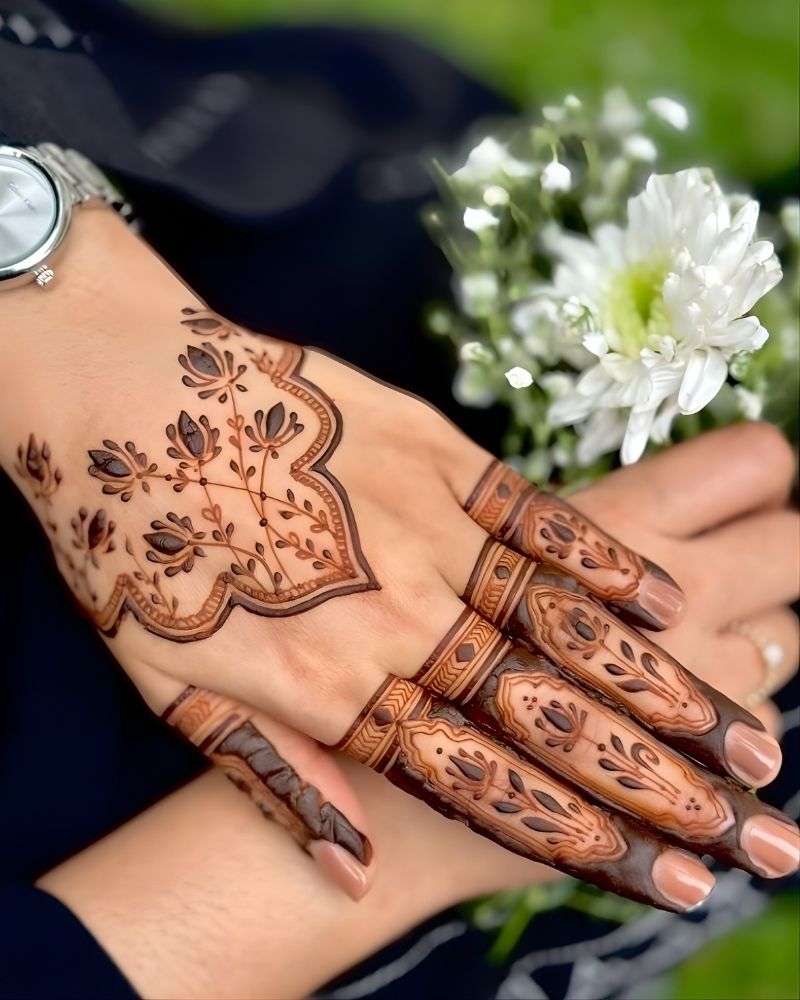
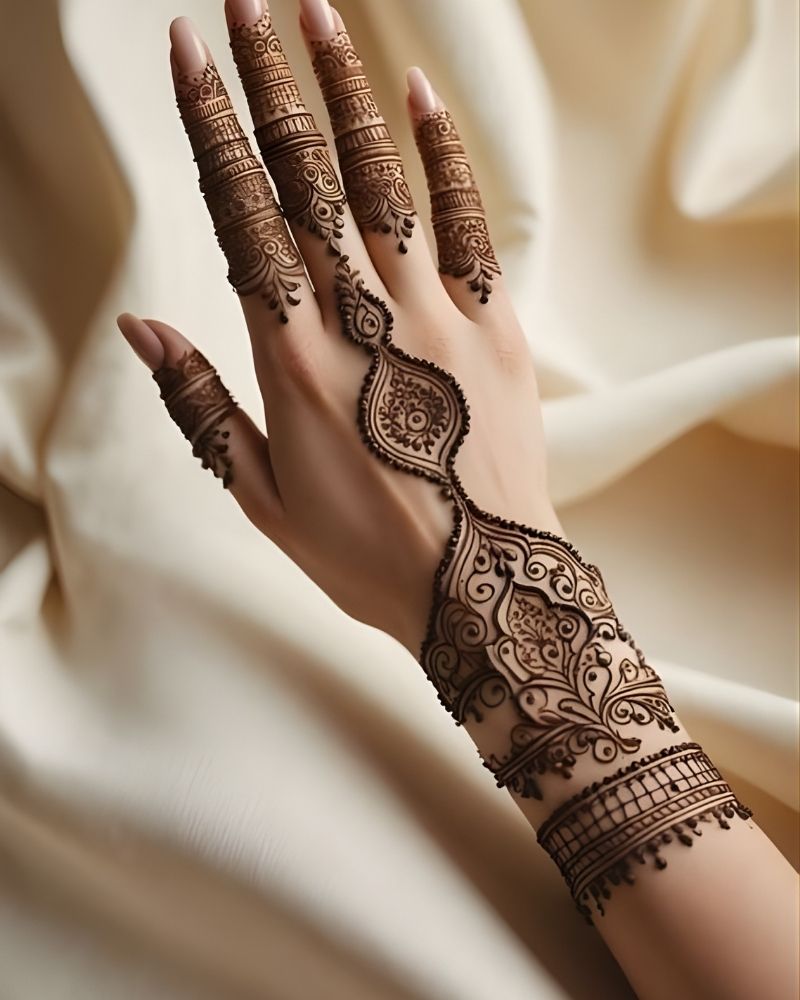
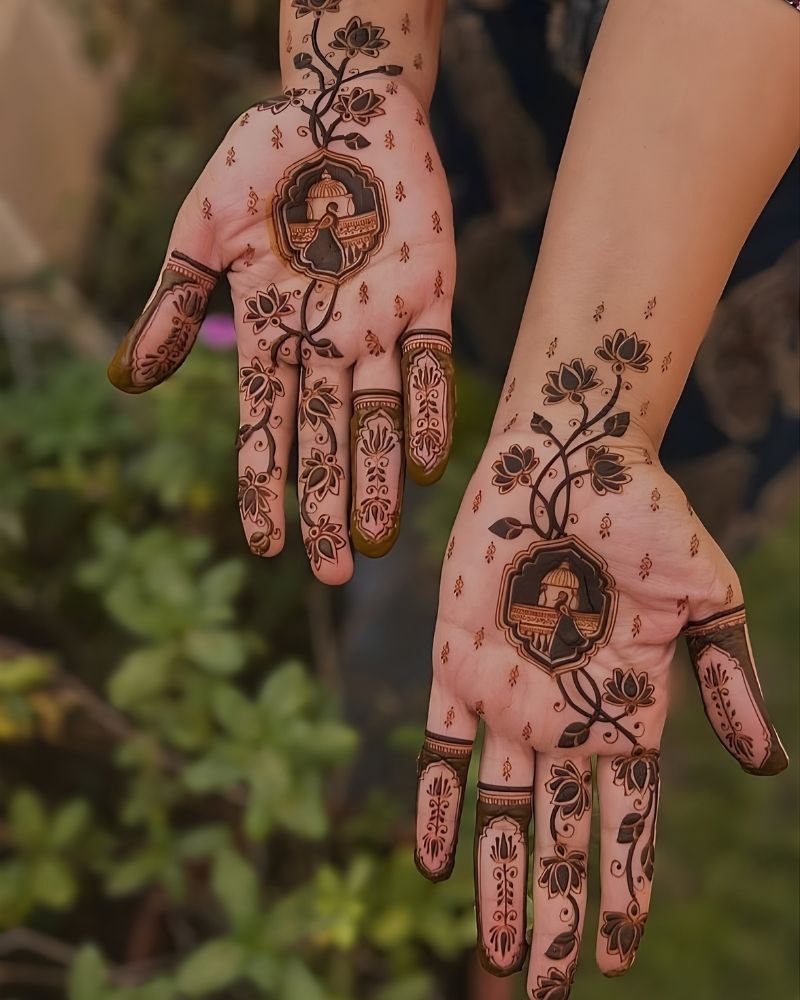
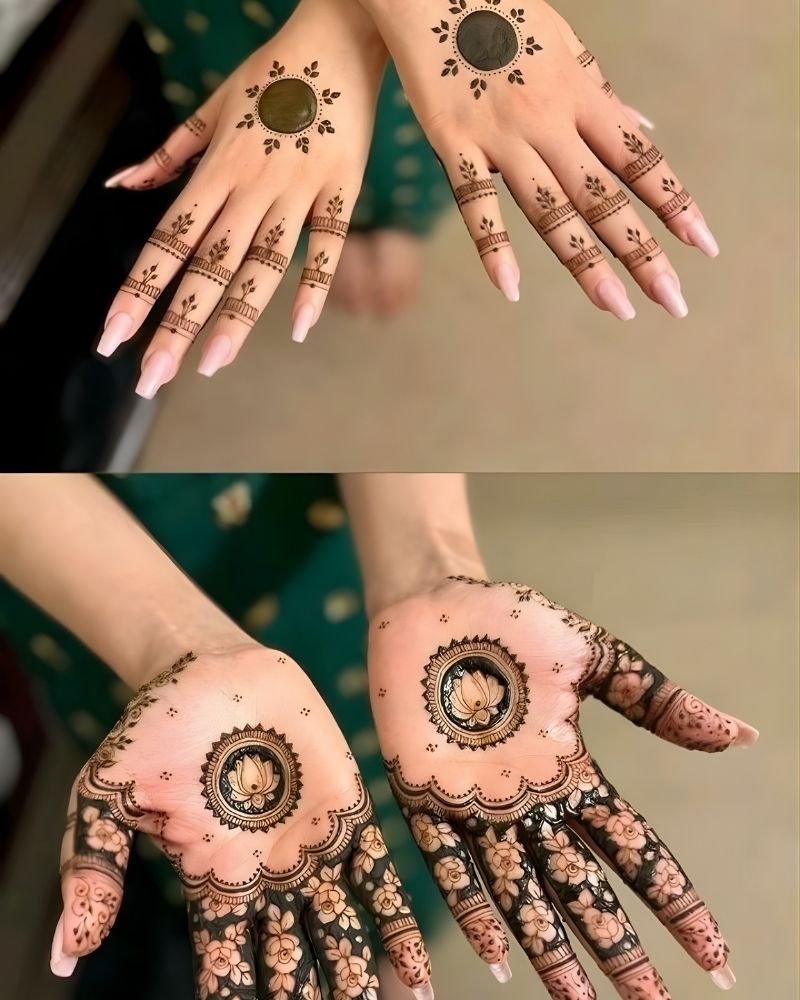
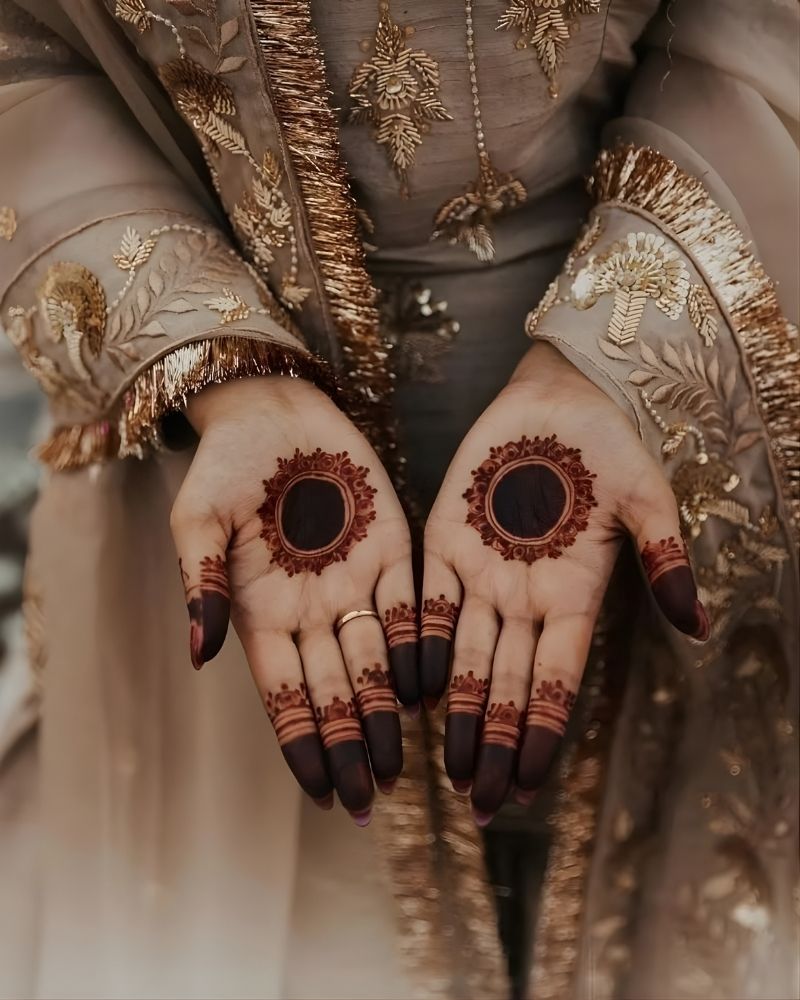
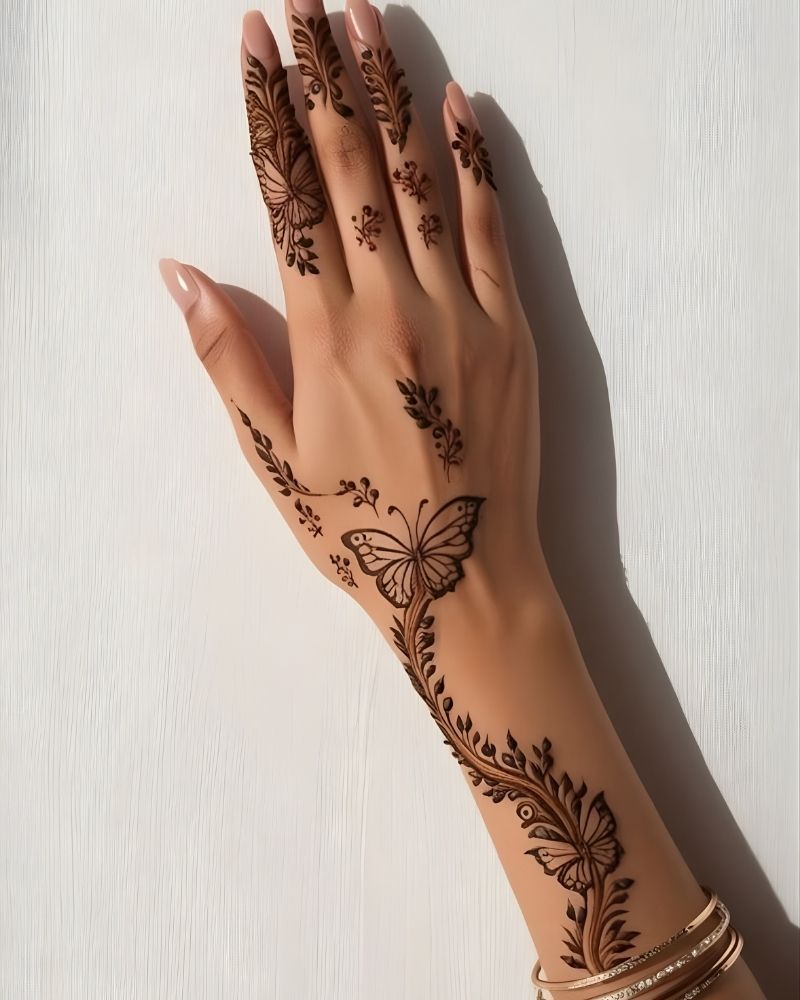
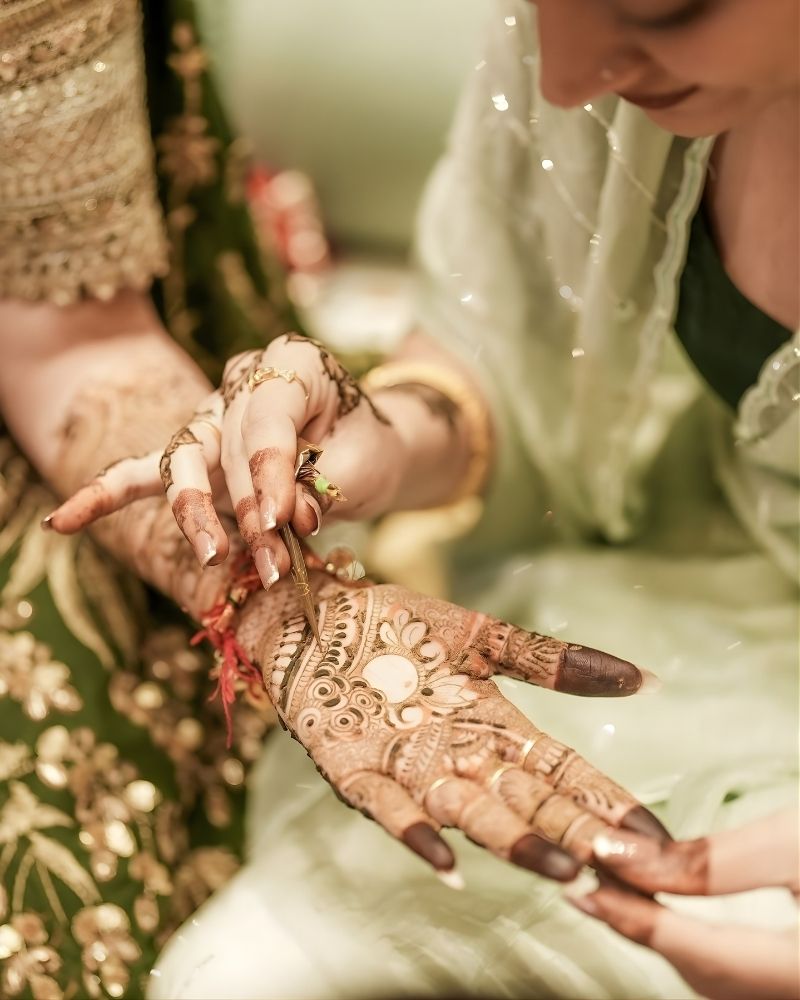
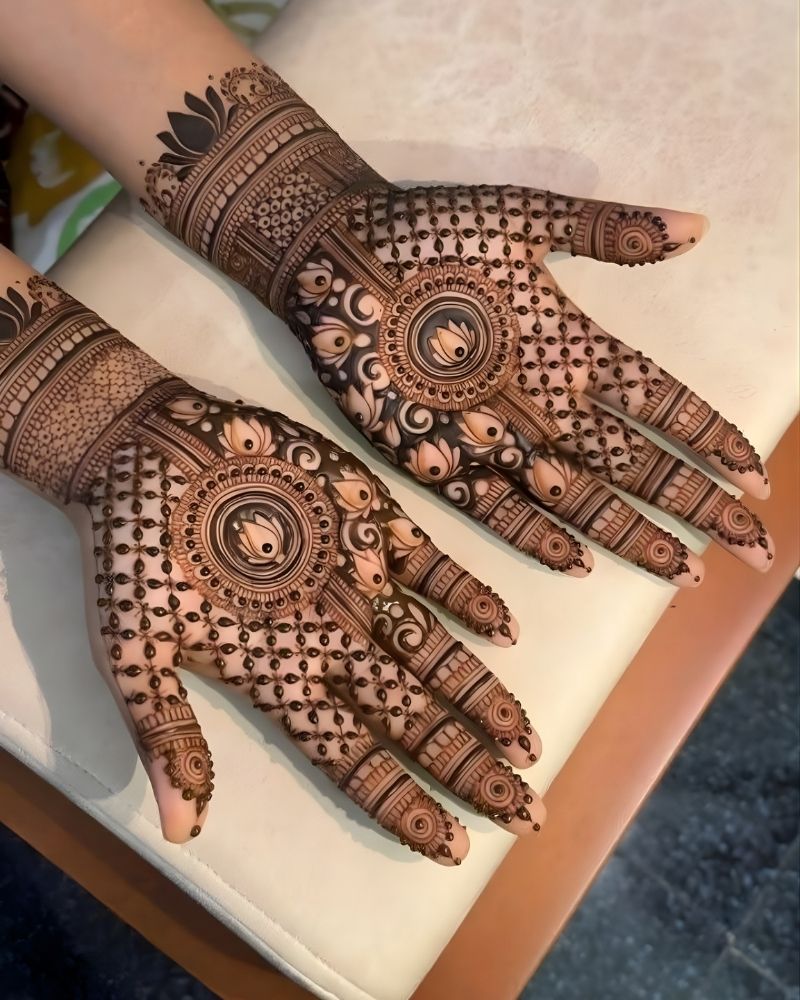
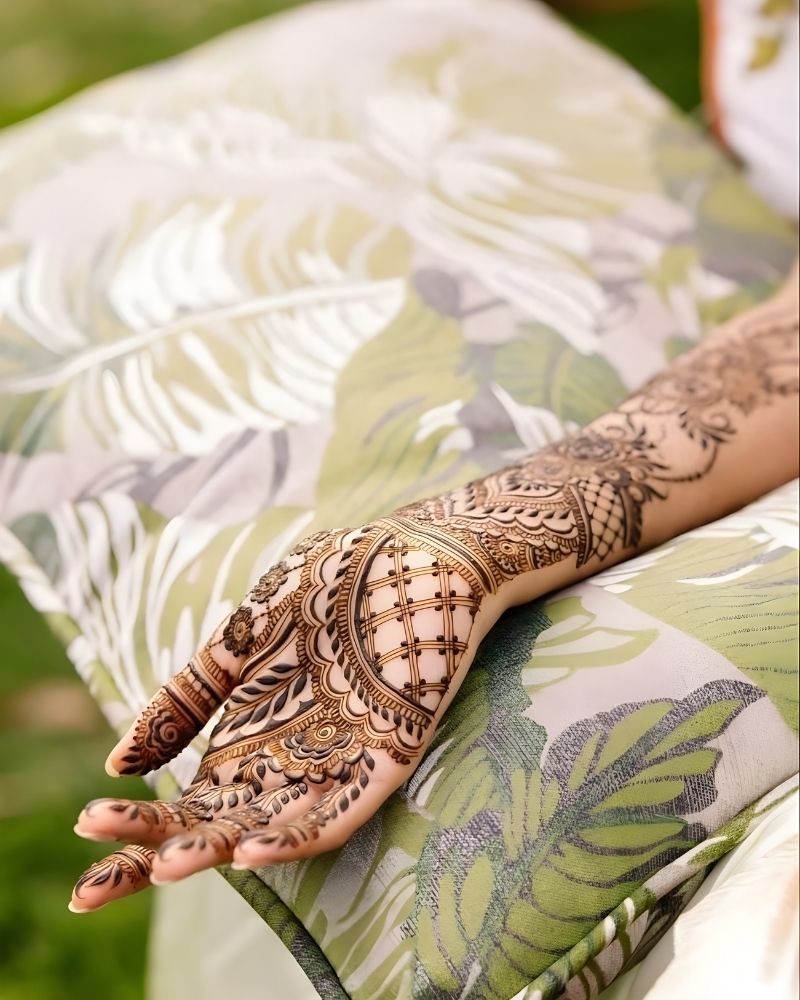
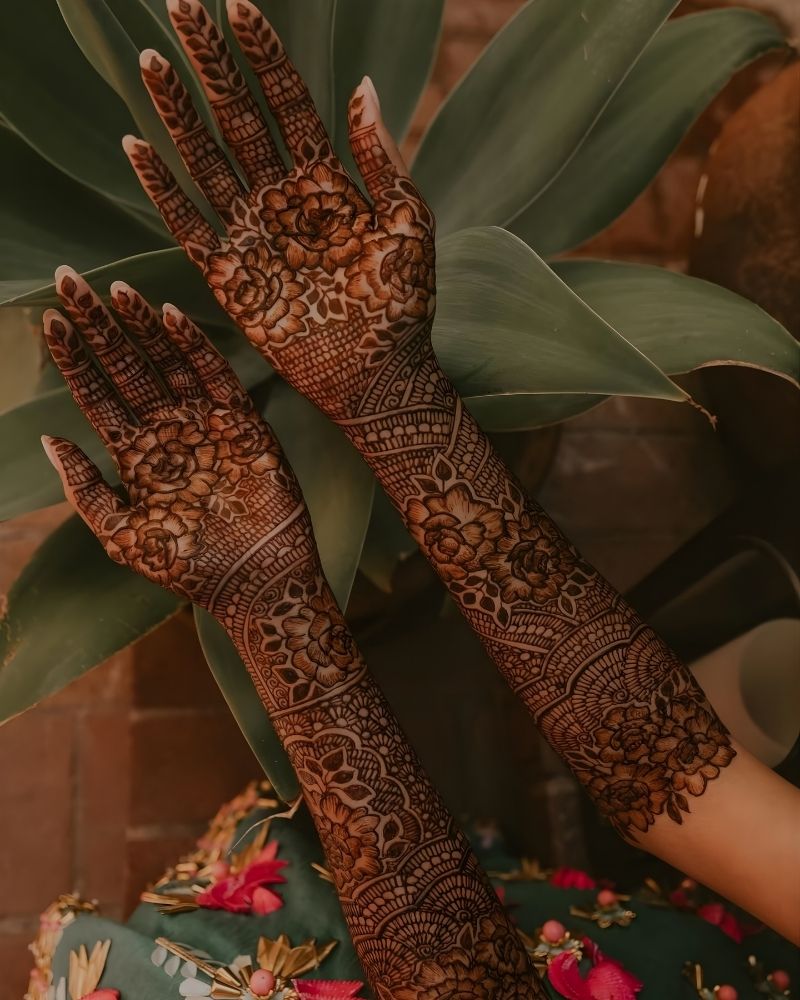
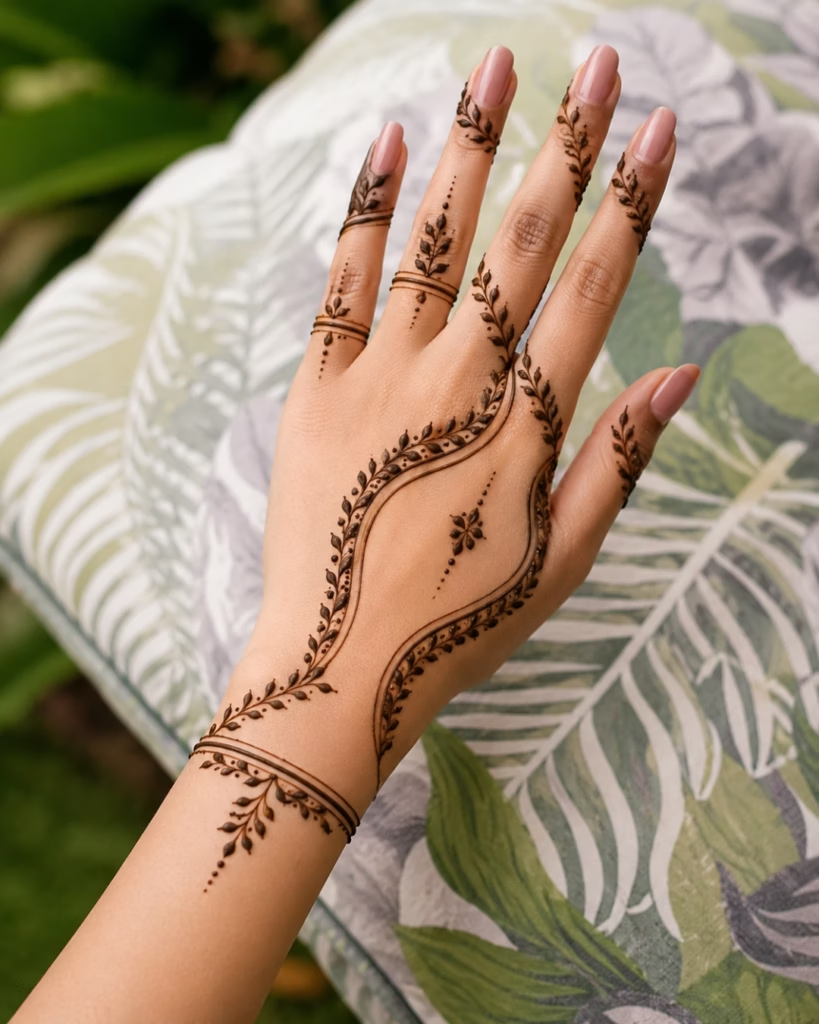
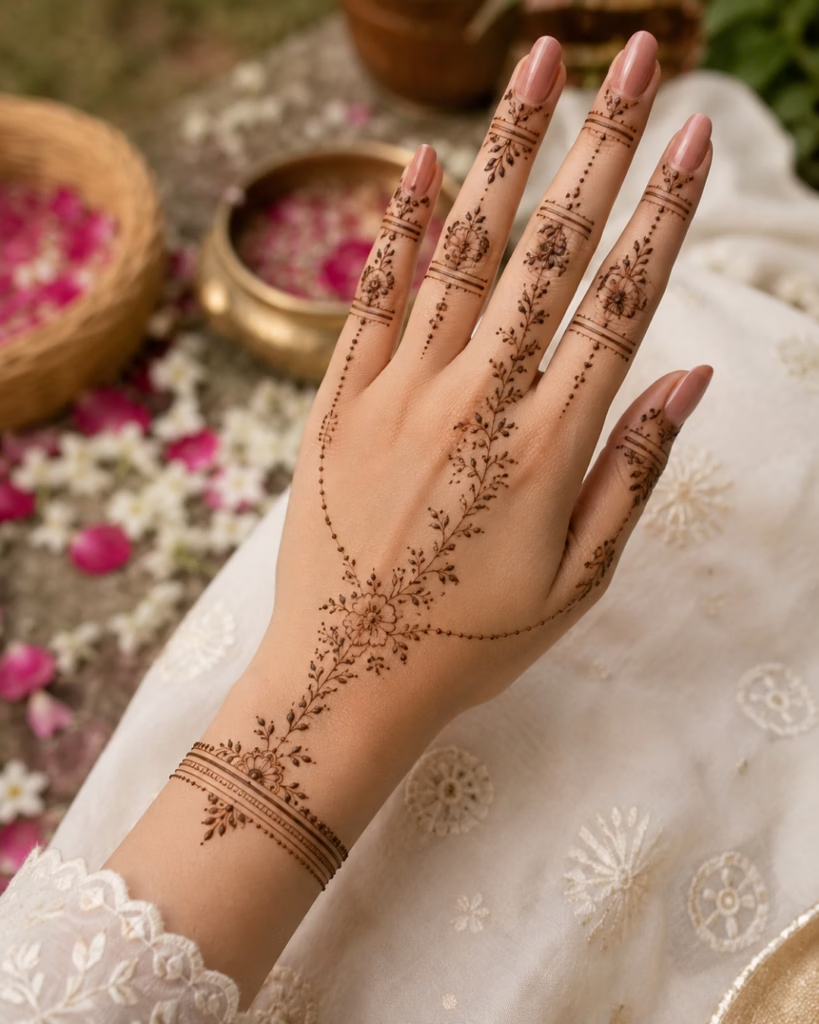
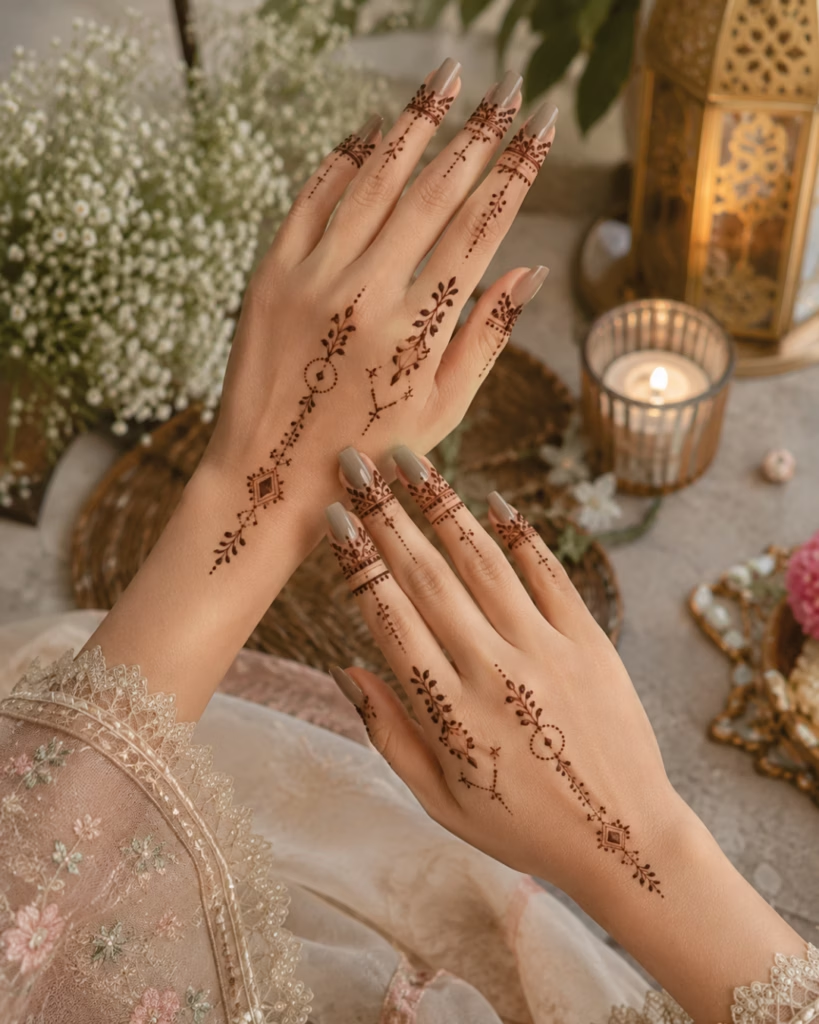
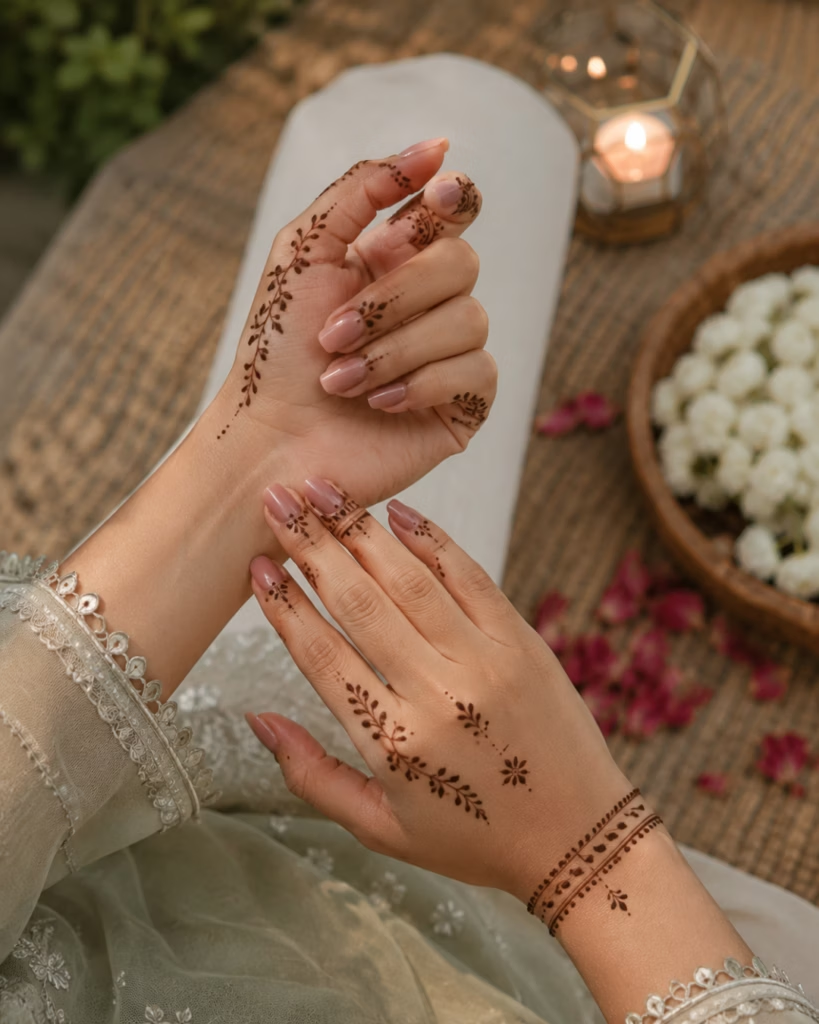
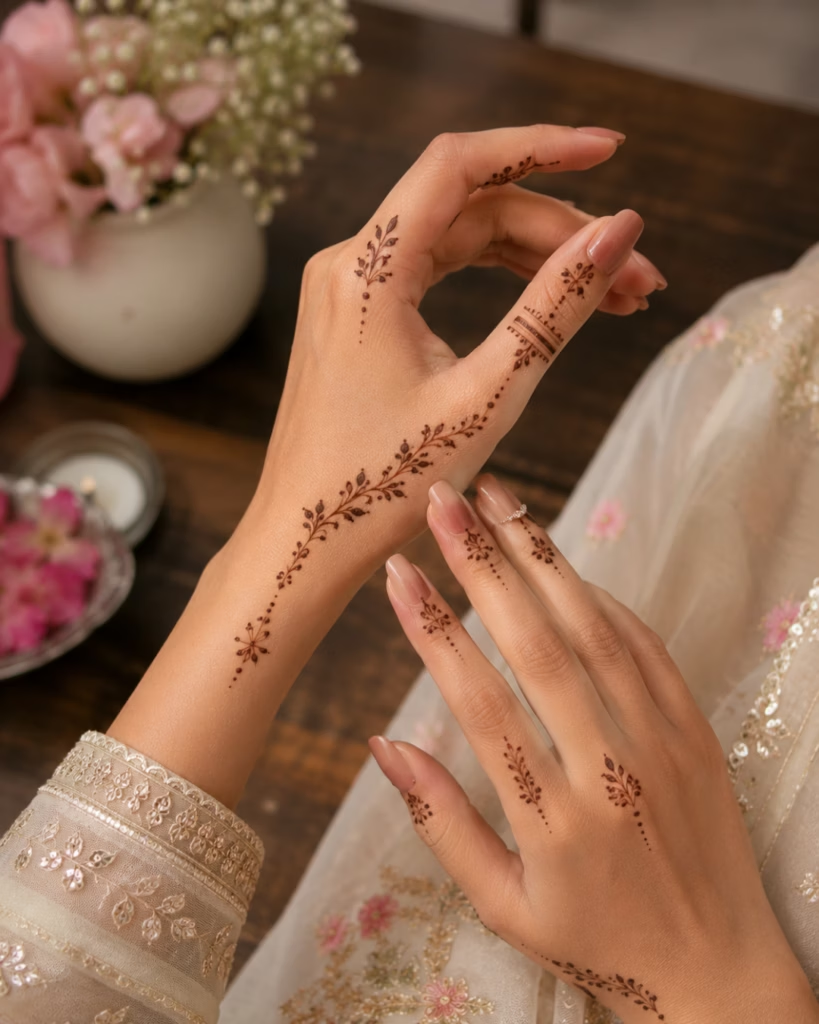
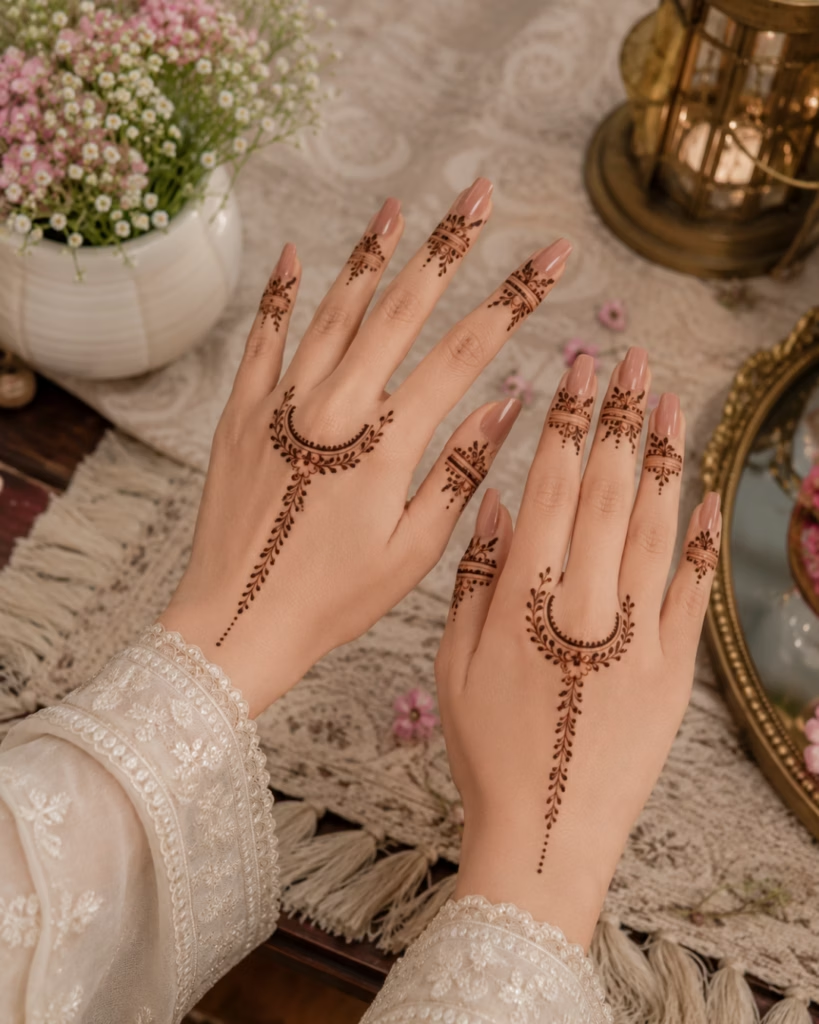
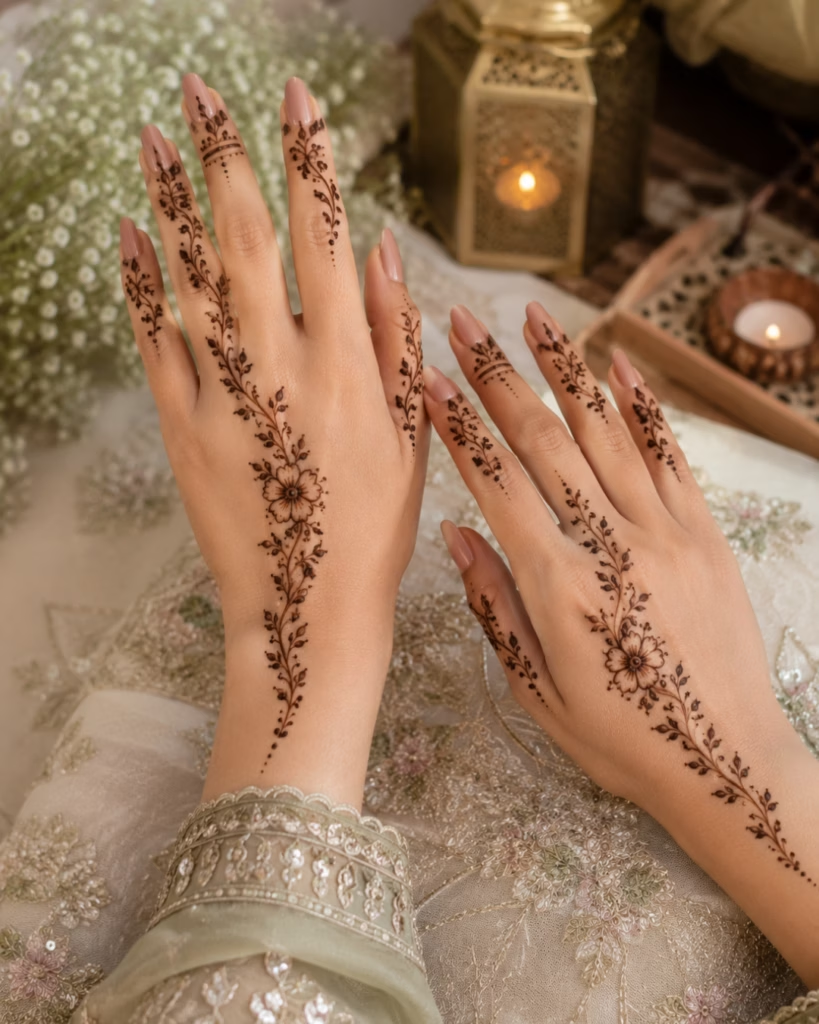
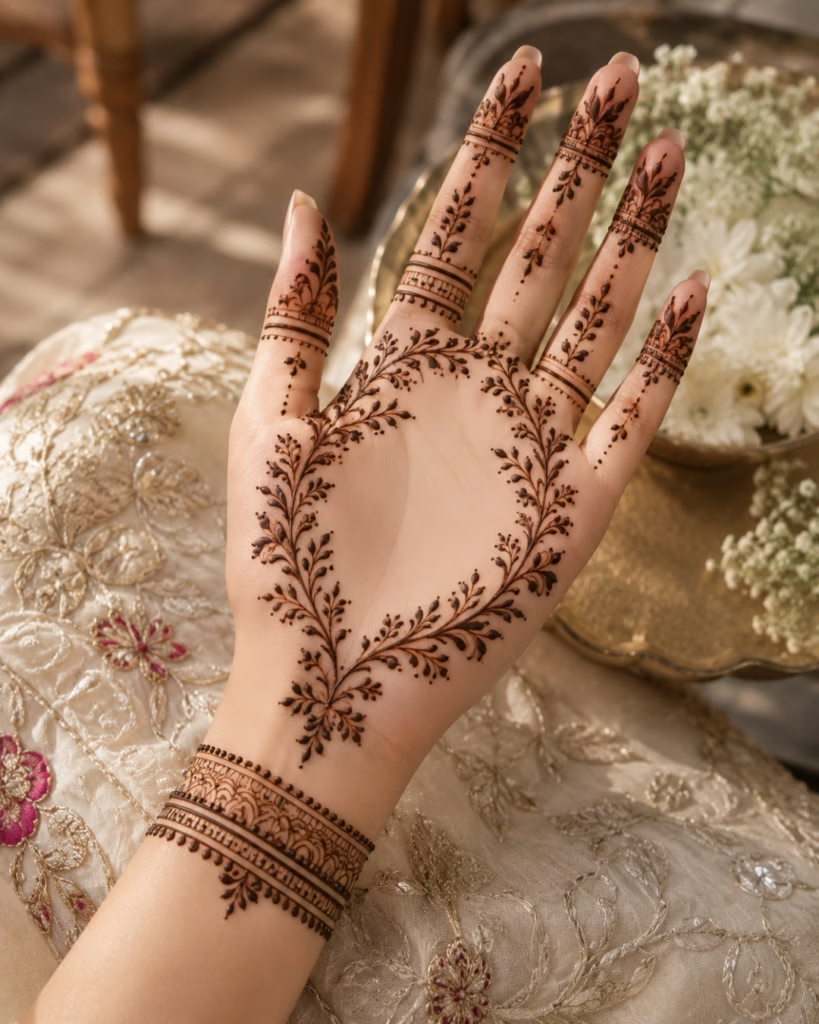
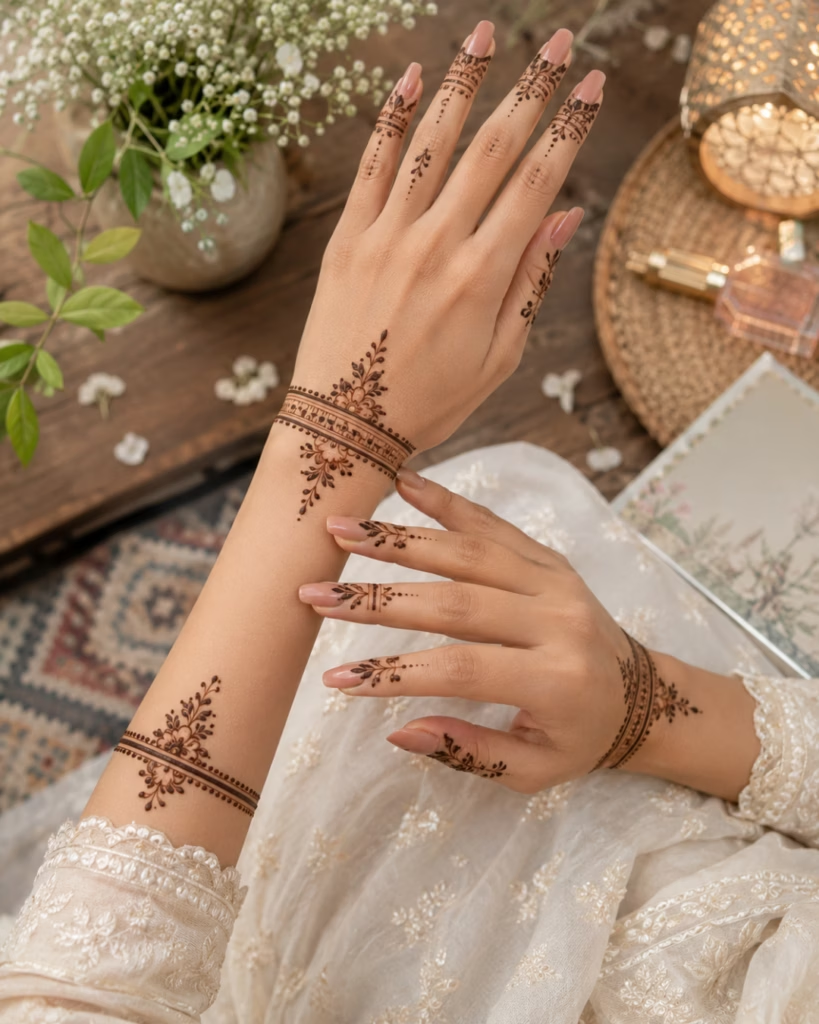
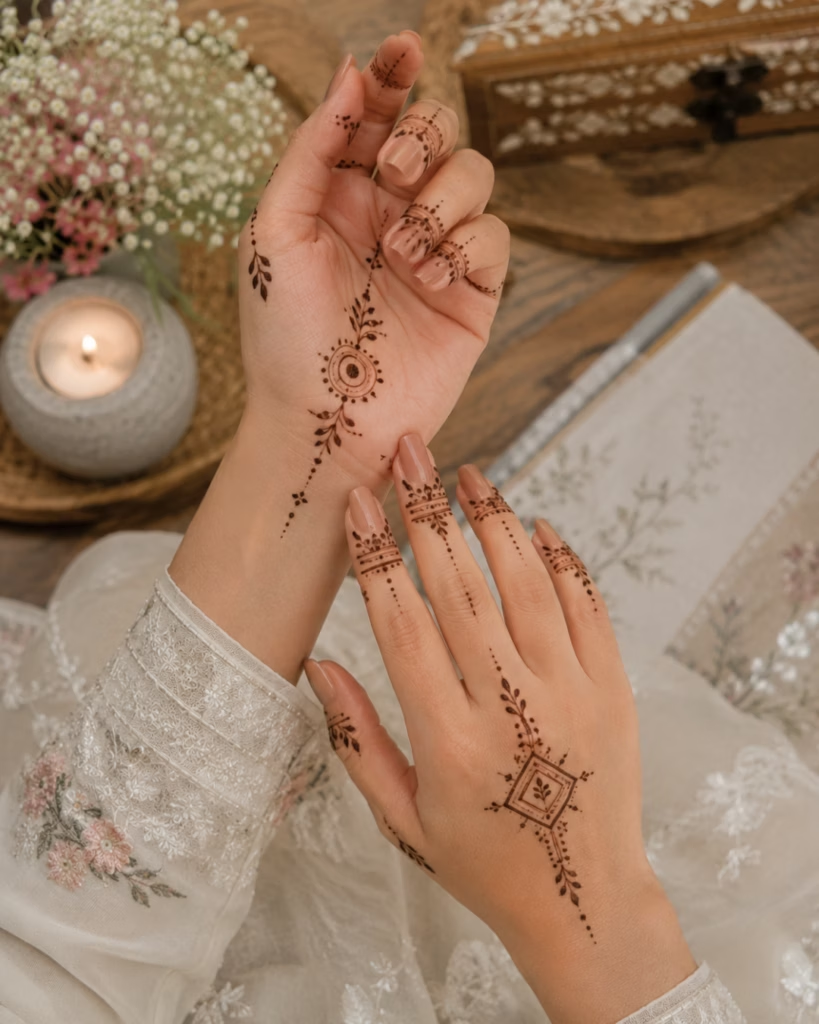
Bold, royal designs still rule weddings. But for pre-wedding functions and festivals, lighter designs win in 2026.
Simple Mehndi Design (Easy, Beautiful and Comfortable)
Simple mehndi designs use light florals, dots and short trails that take 15 to 30 minutes to apply, making them the most searched mehndi category in India. They are perfect for beginners, office wear, small festivals and family gatherings.
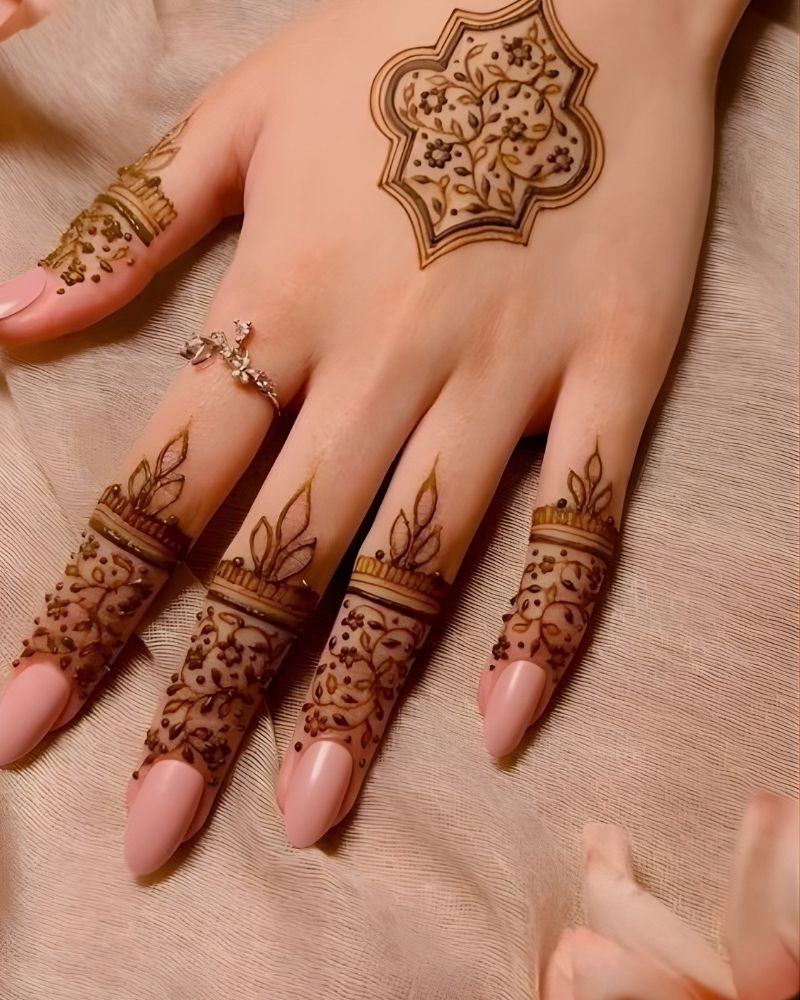
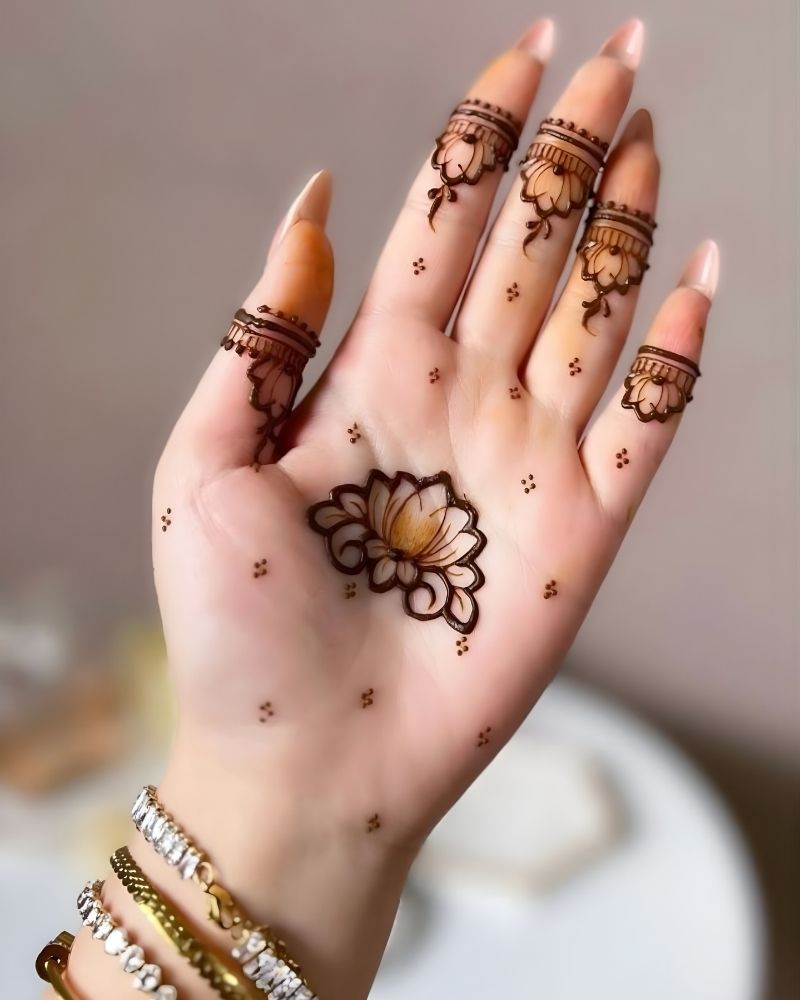
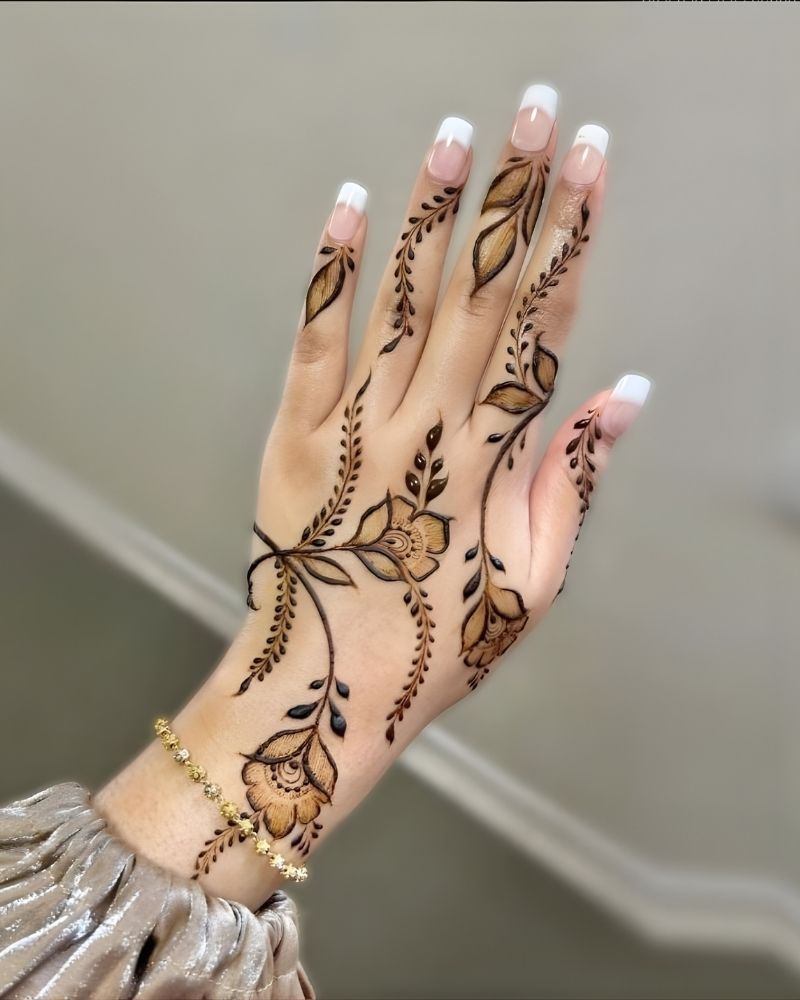
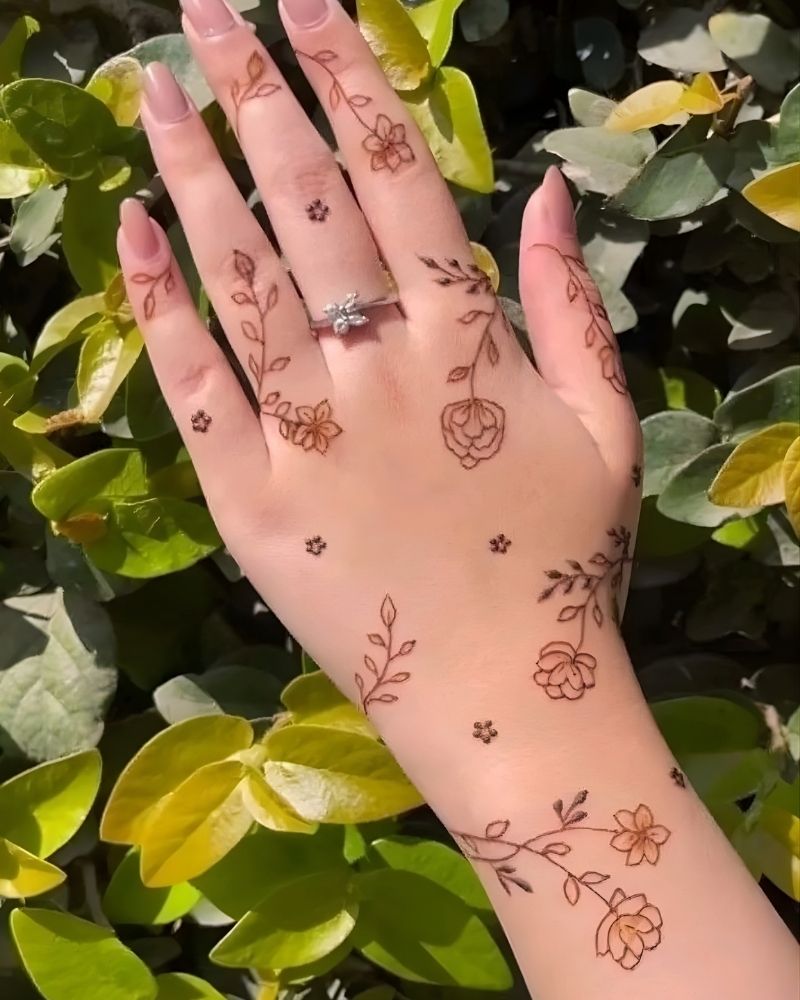
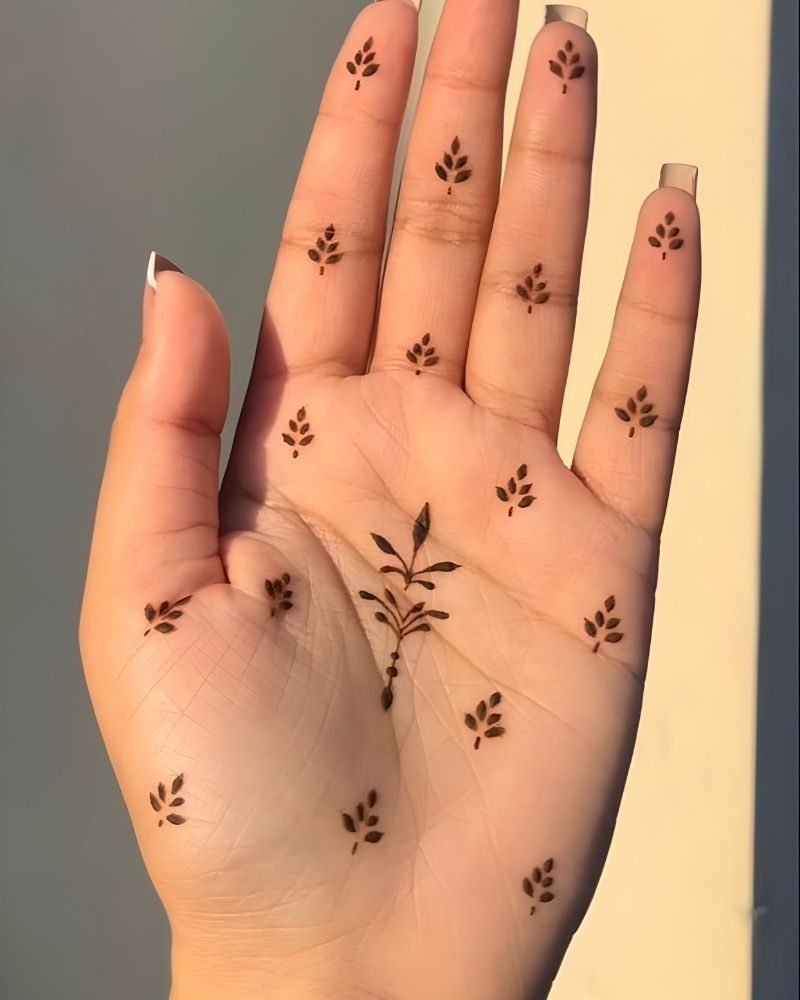
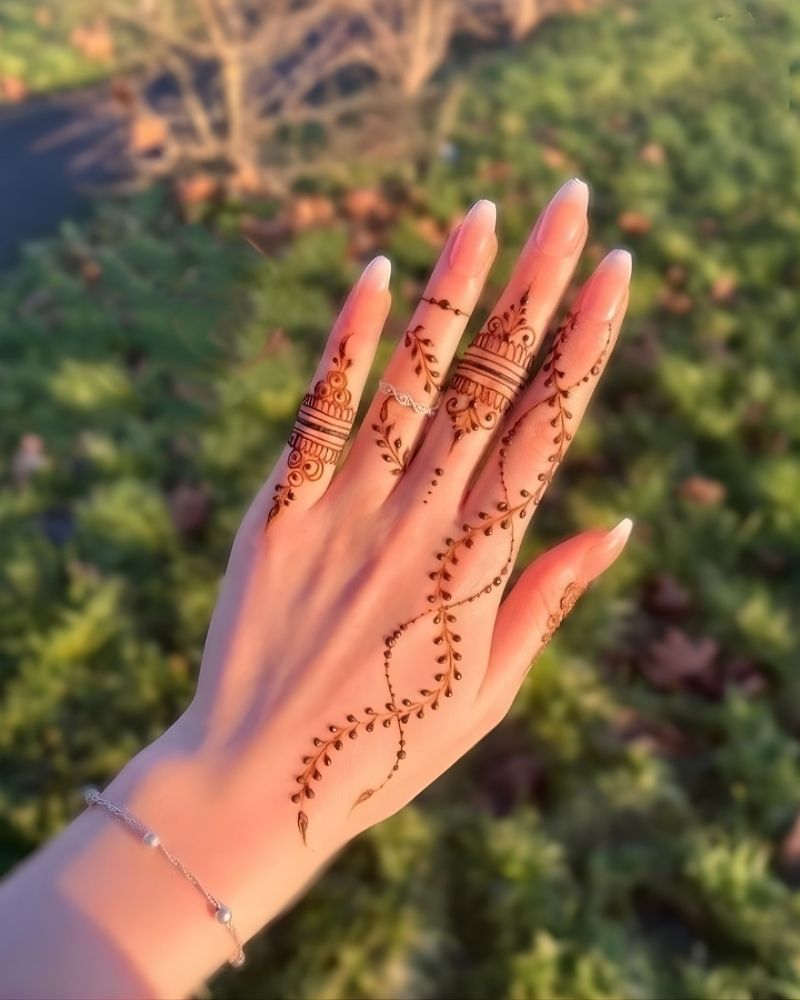
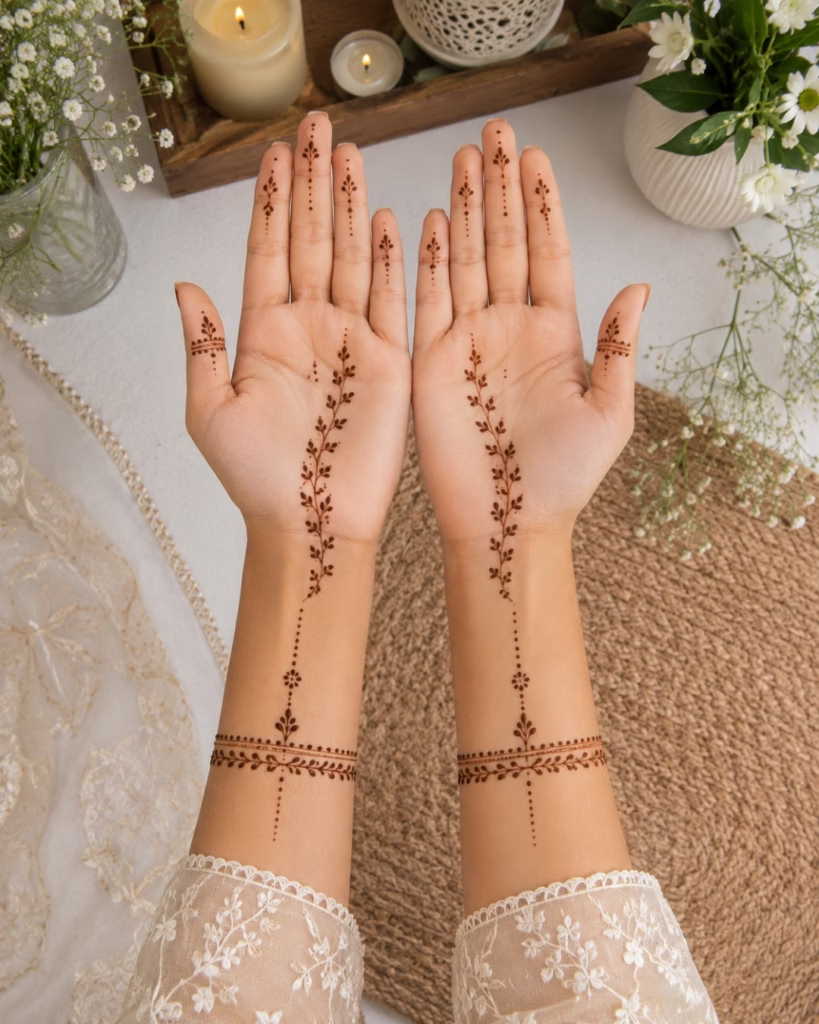
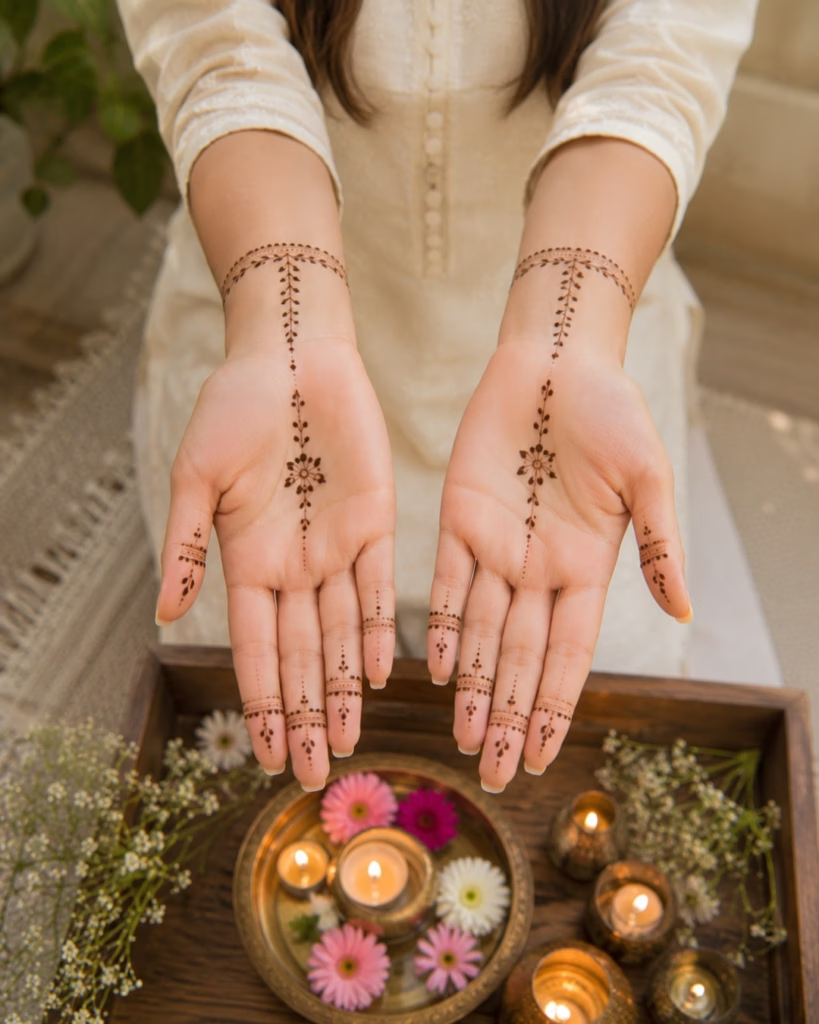
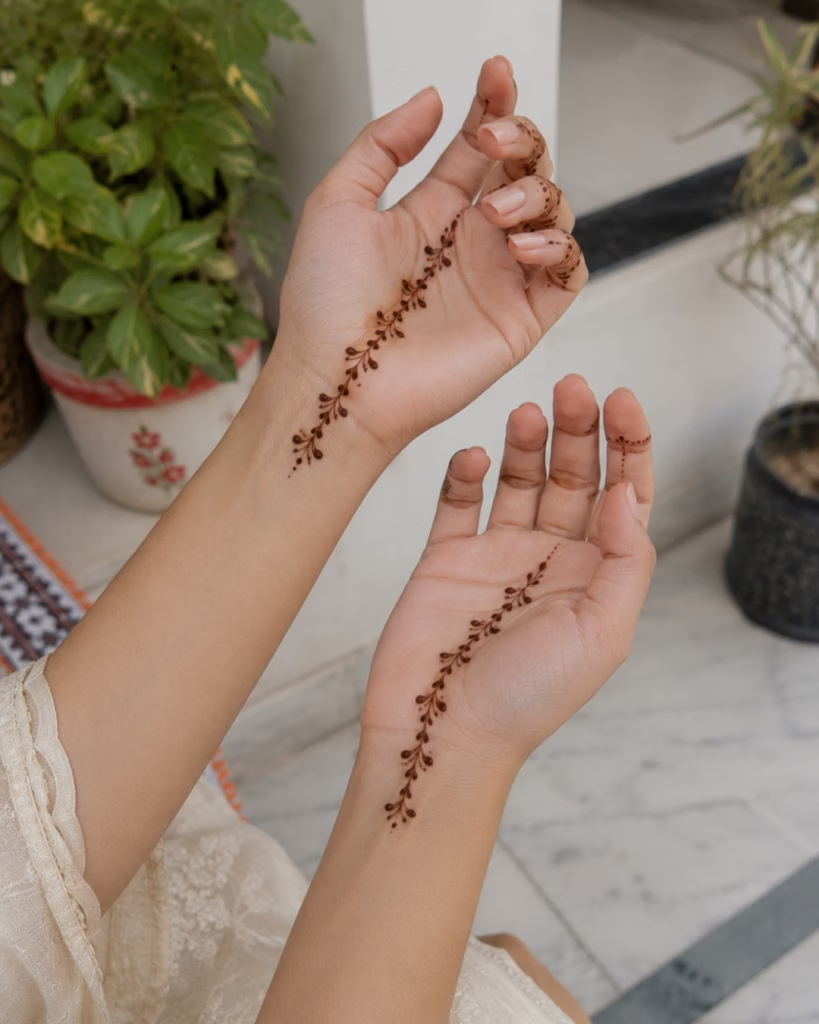
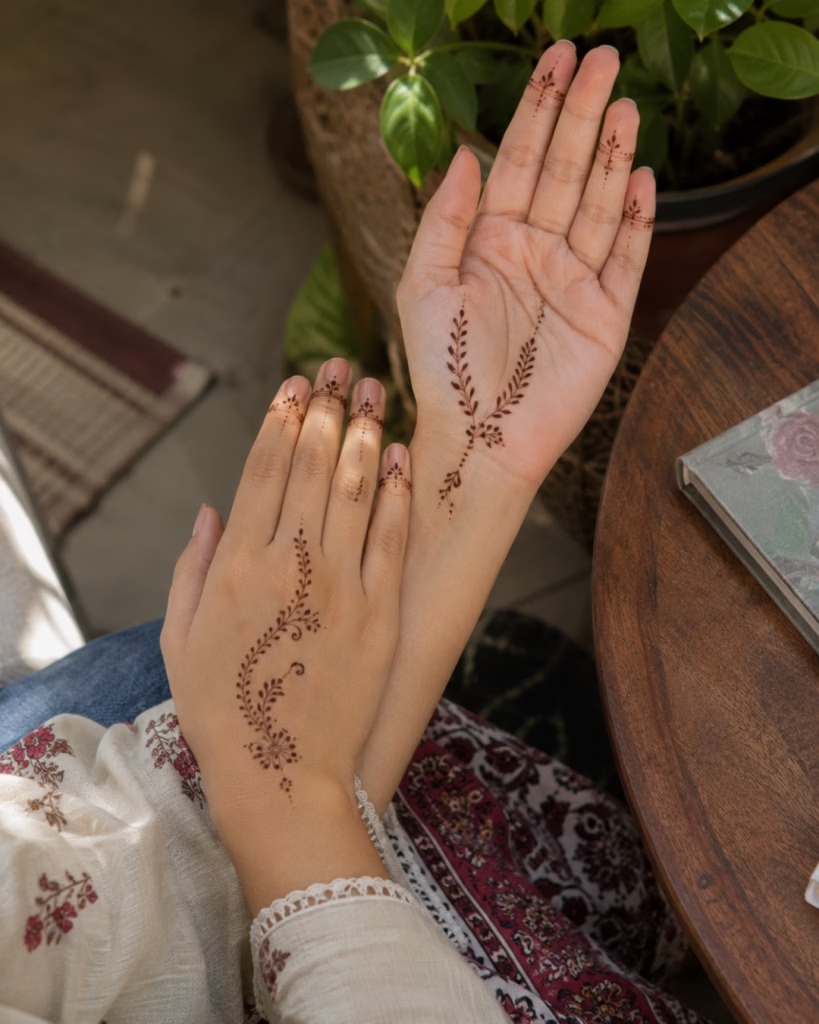
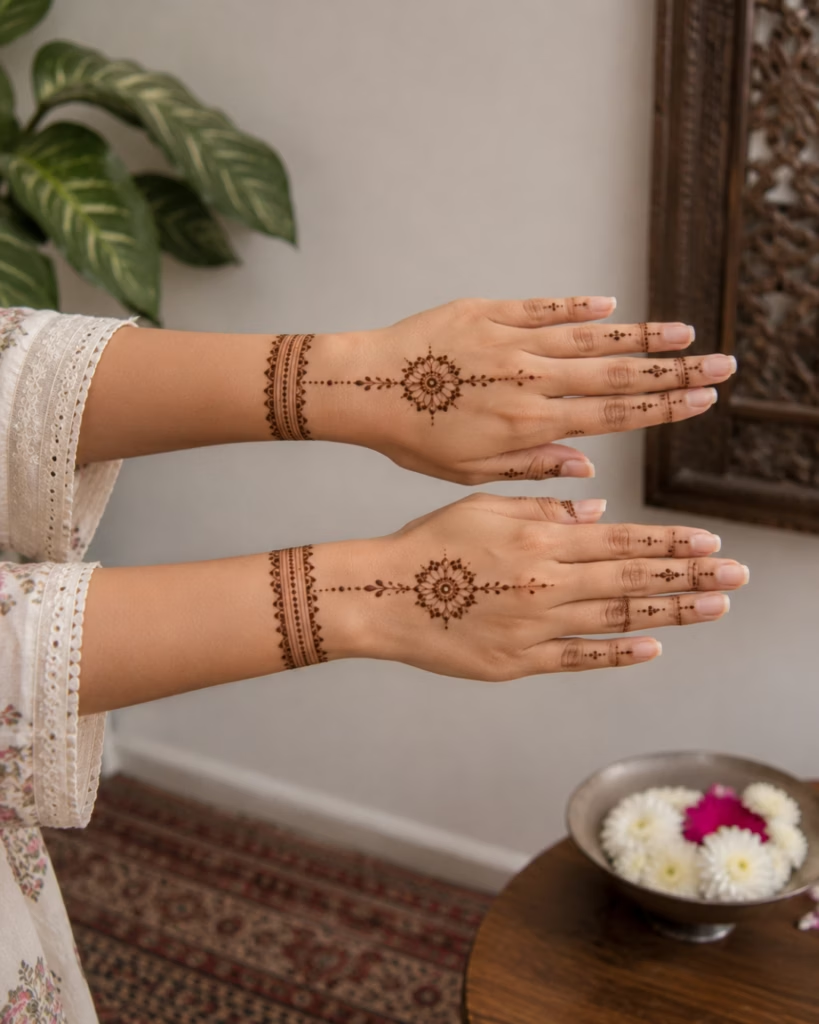
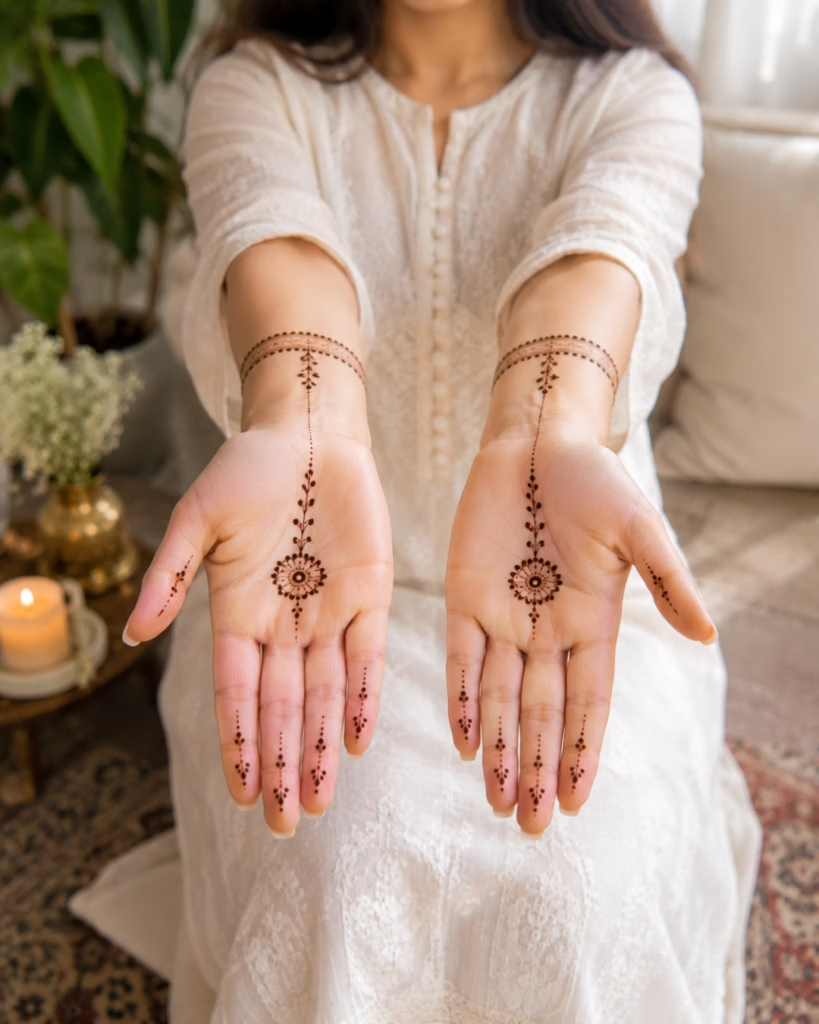
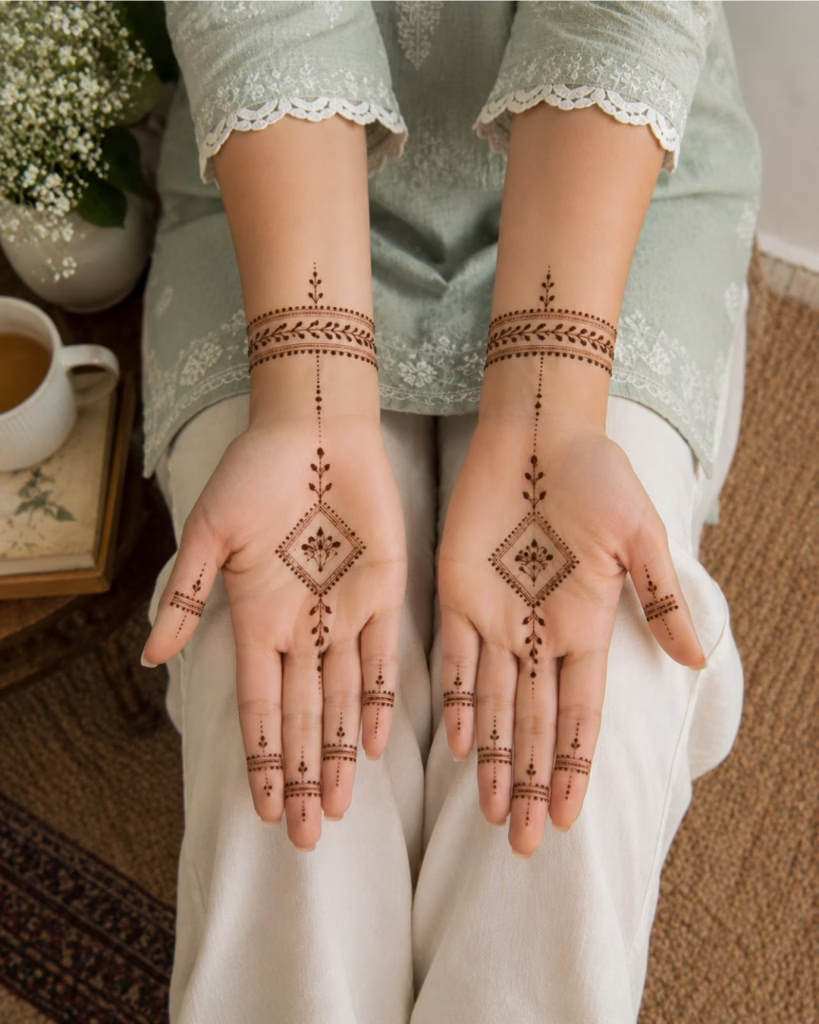
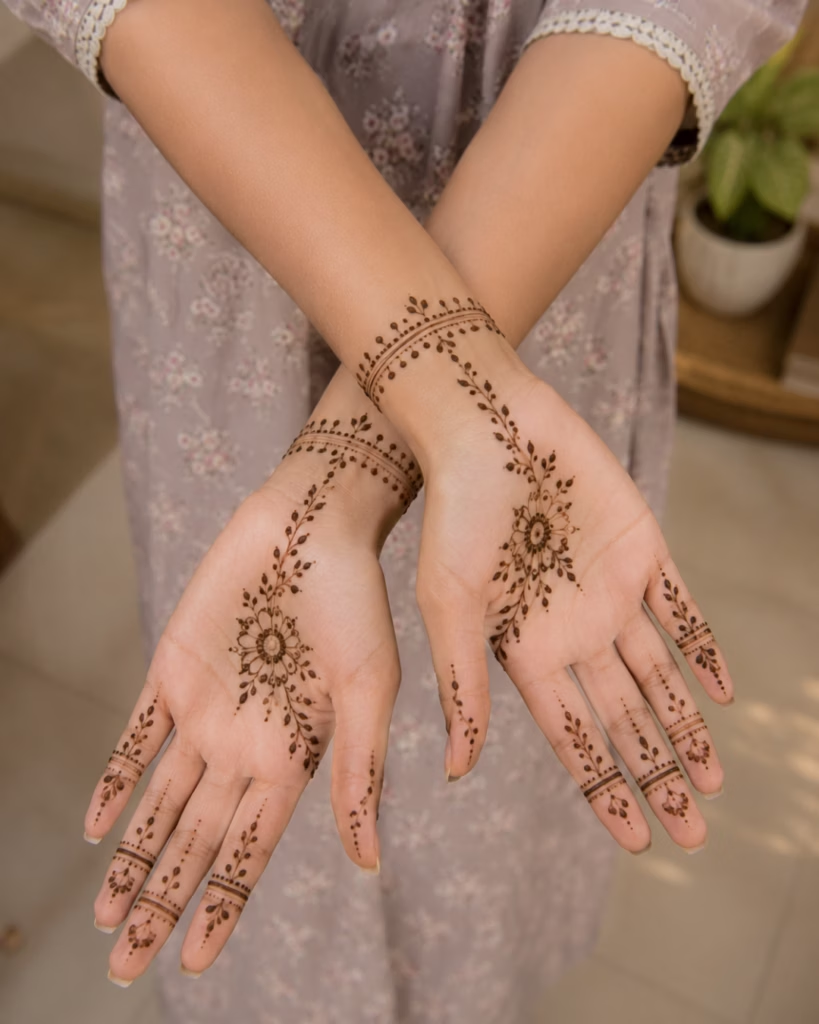
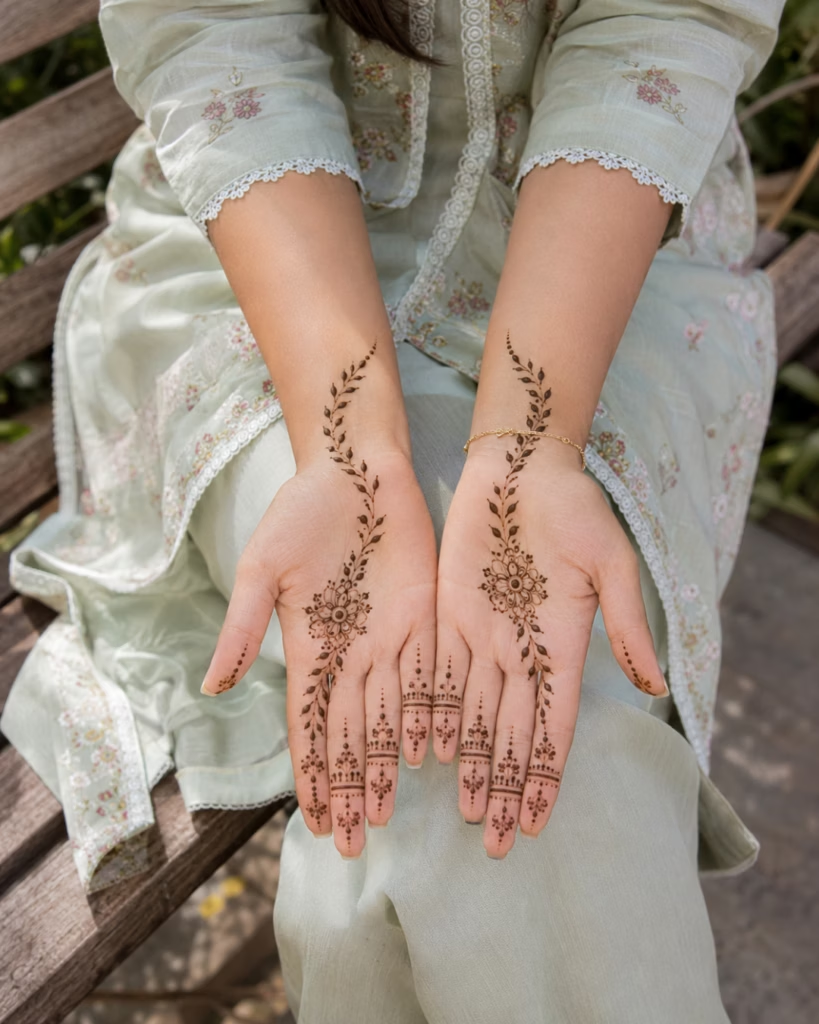
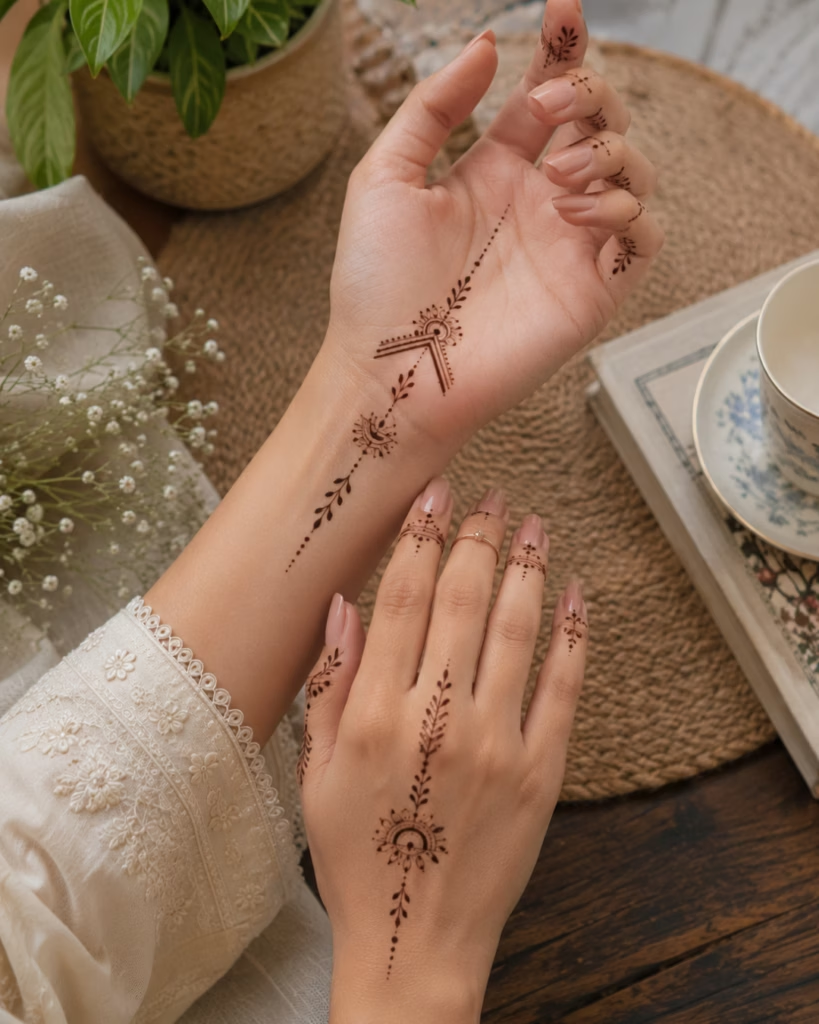
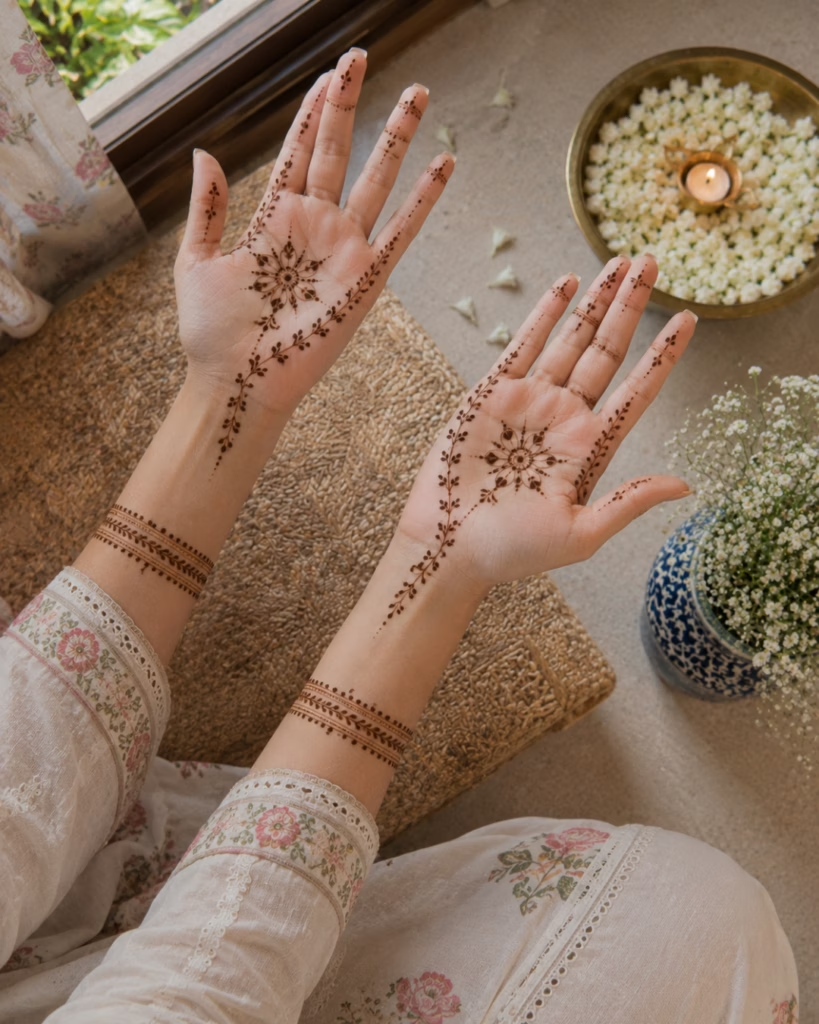
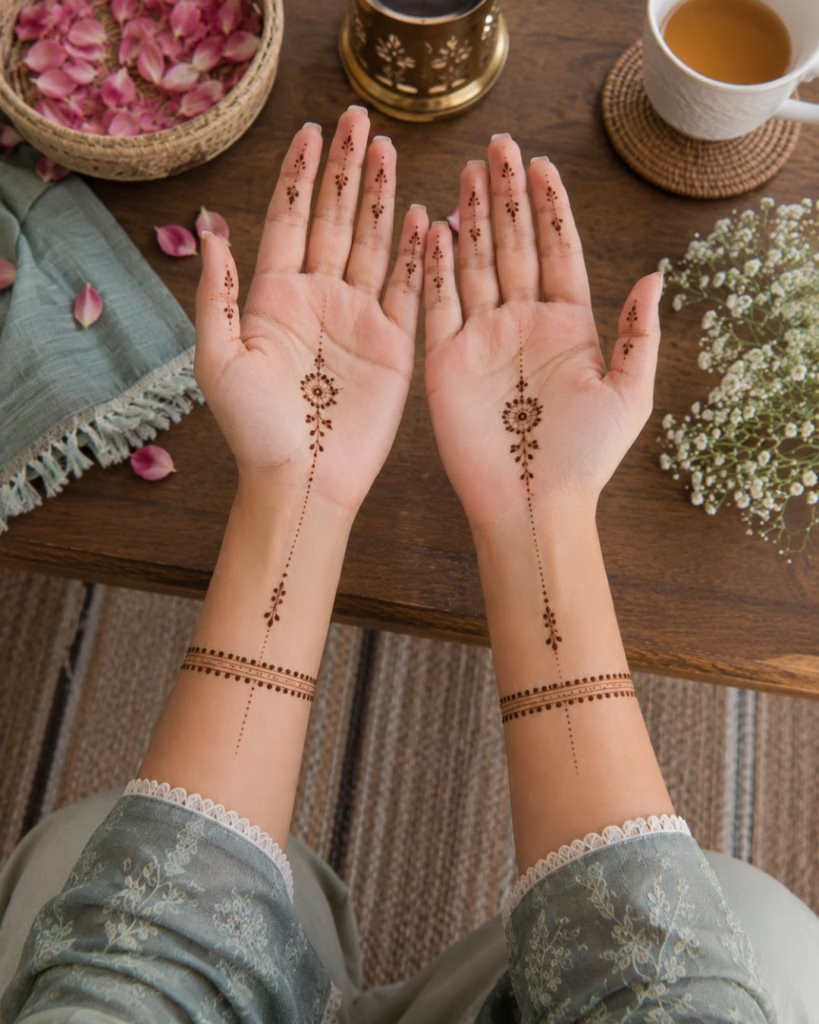
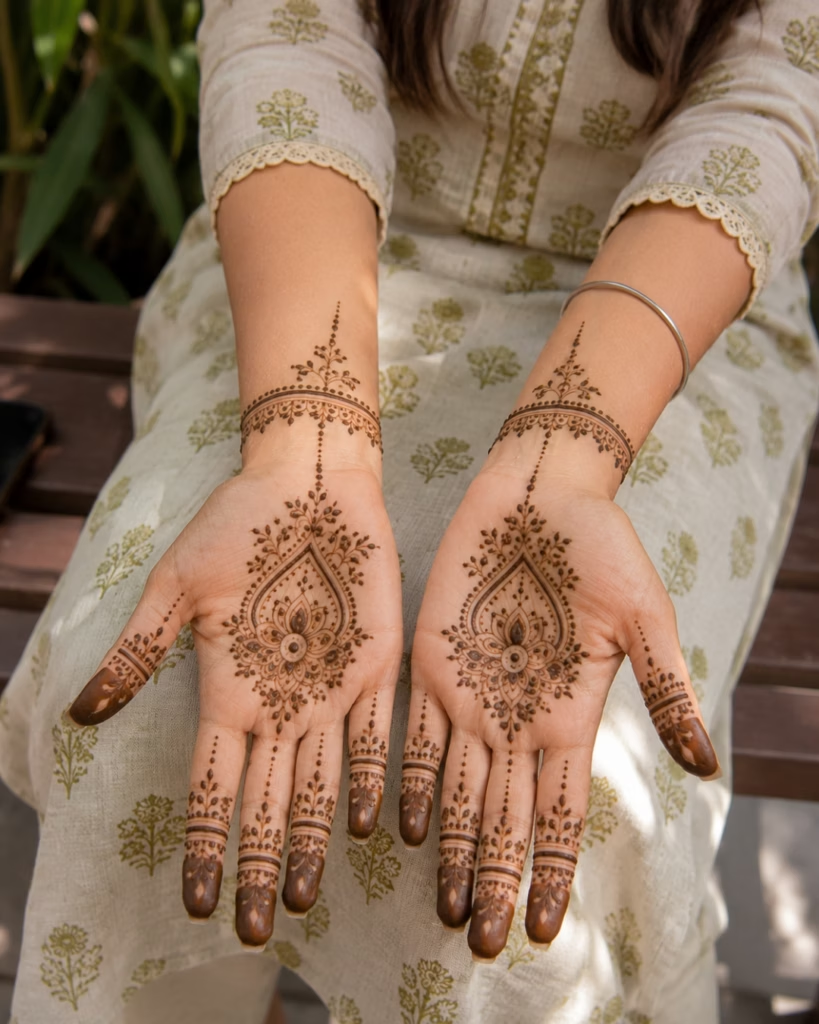
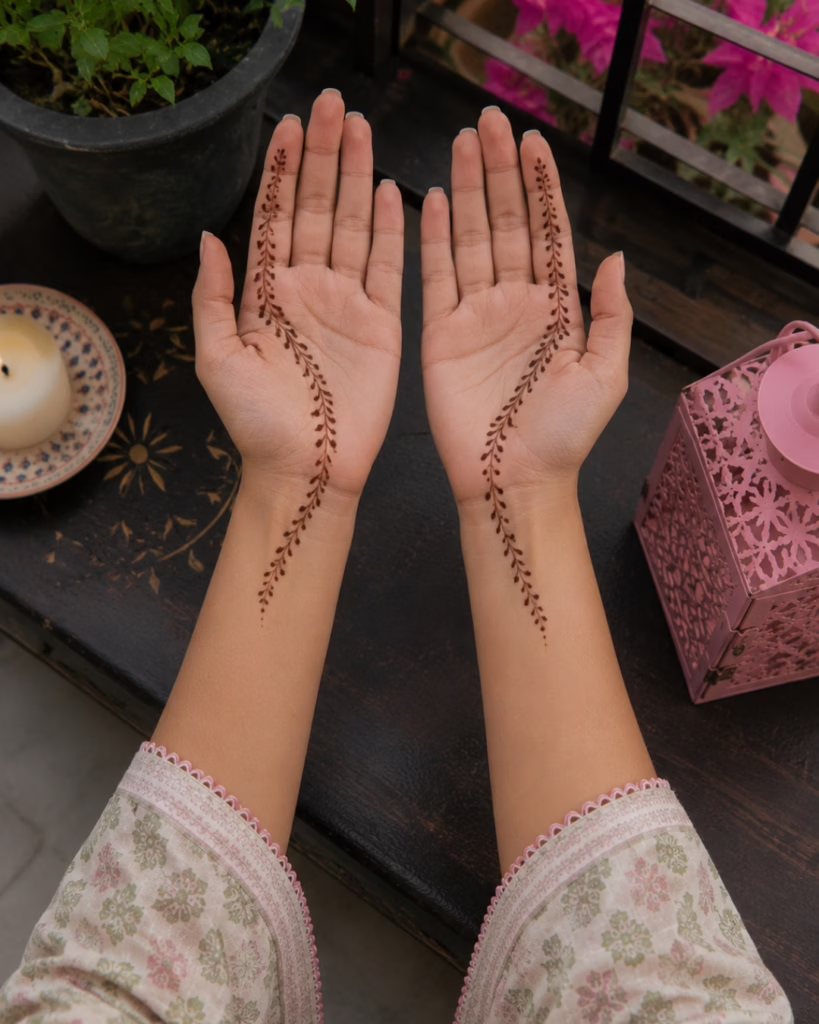
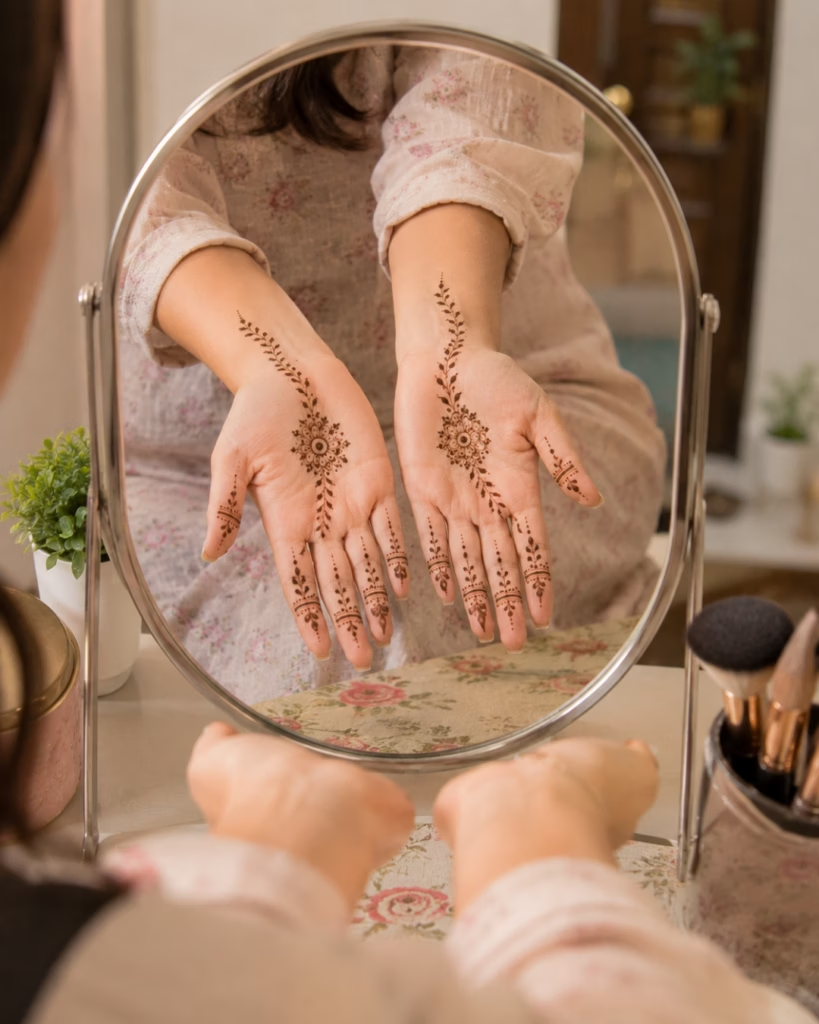
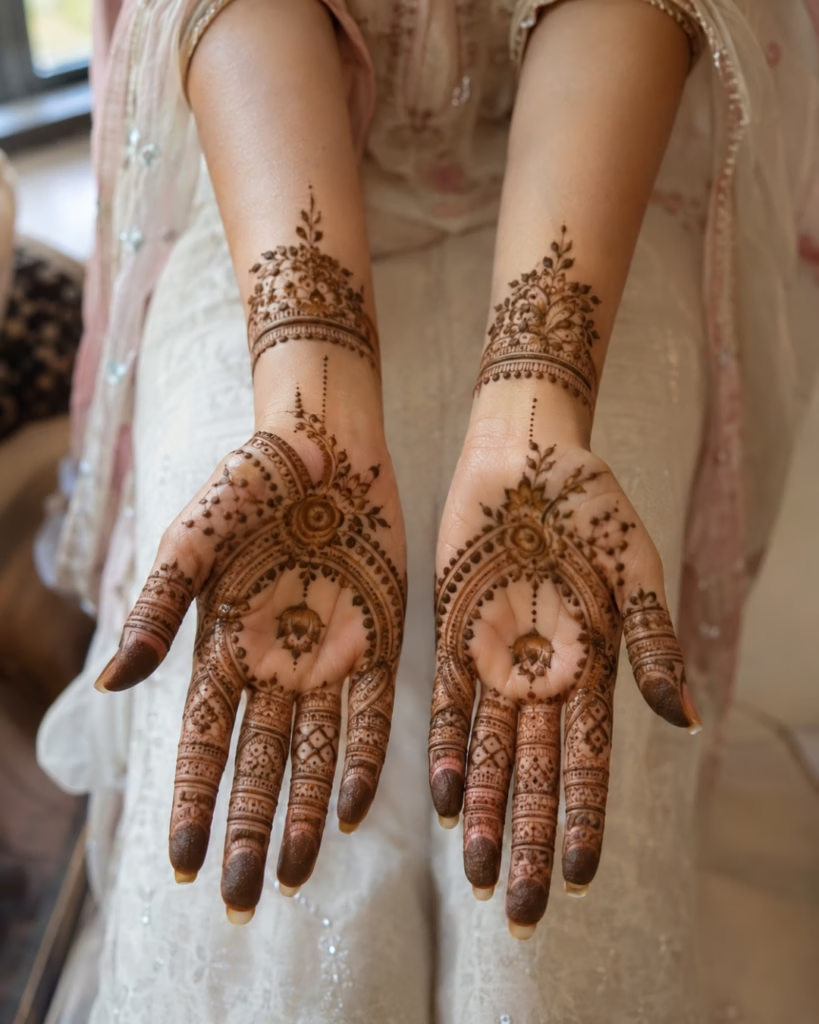
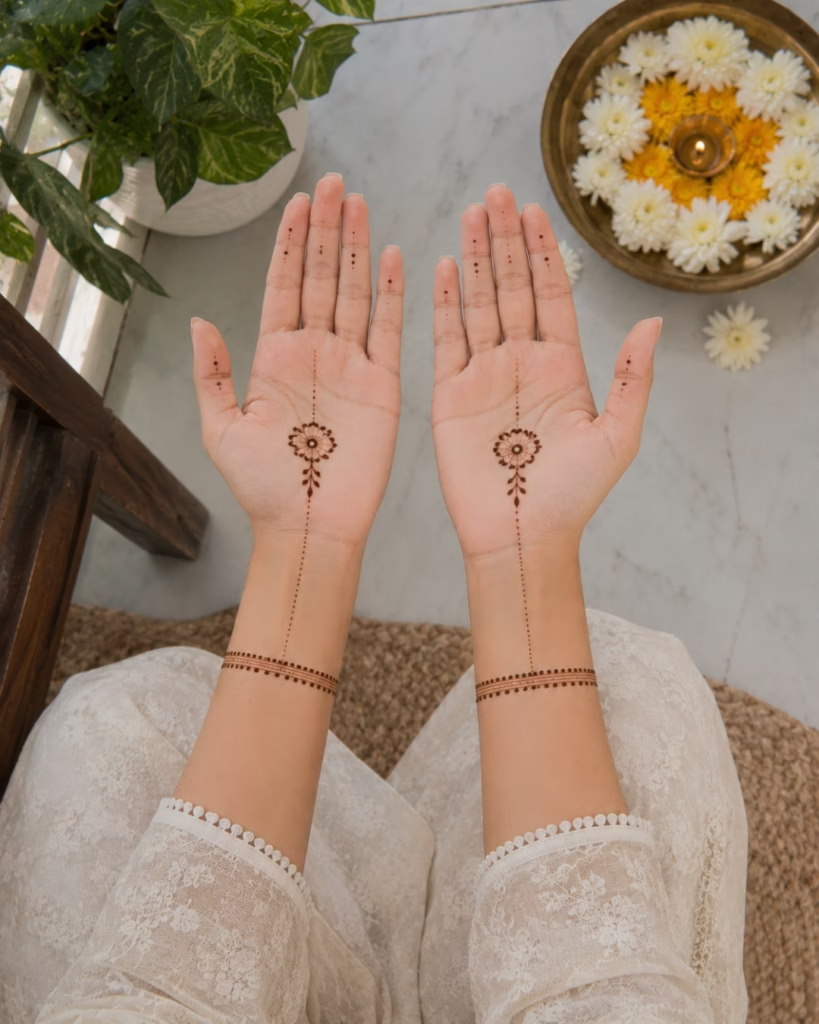
Why choose simple mehndi: applies fast, feels light through long days, and fades gracefully. It often looks better on day 3 than heavy designs do.
For 30+ more styles with beginner stroke order, see our complete simple mehndi design 2026 guide.
Minimal Mehndi Design
Minimal mehndi designs use thin khafif lines with deliberate open space, so the skin around the design becomes part of the pattern rather than something left unfilled.
The stain from lighter application comes up warm amber instead of near-black, and it fades evenly instead of turning patchy. Minimal designs are also the most comfortable to wear through a long function, since thin paste dries faster and does not crack when your hands are in use.
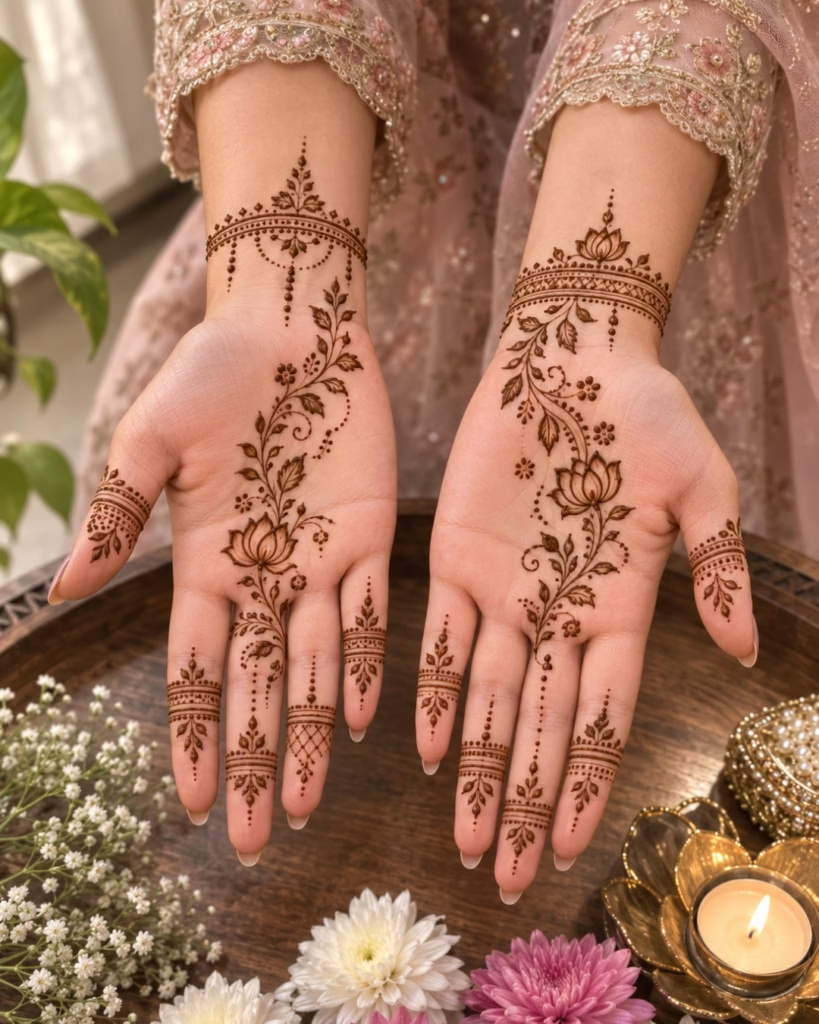
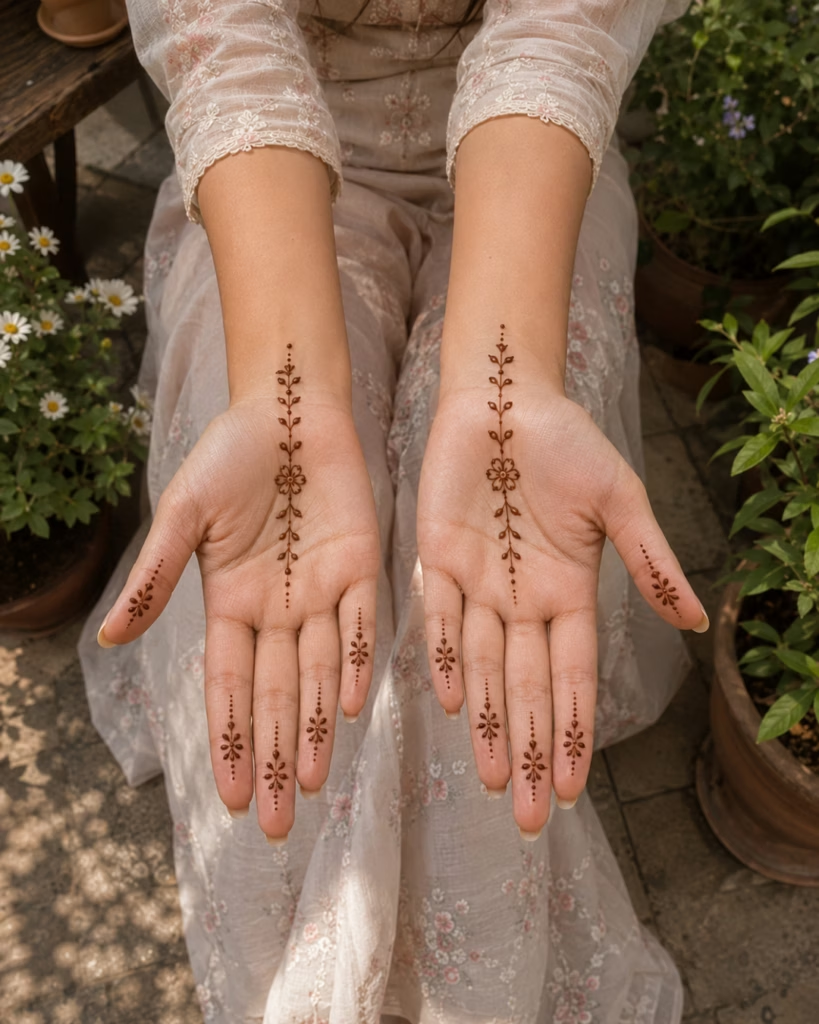
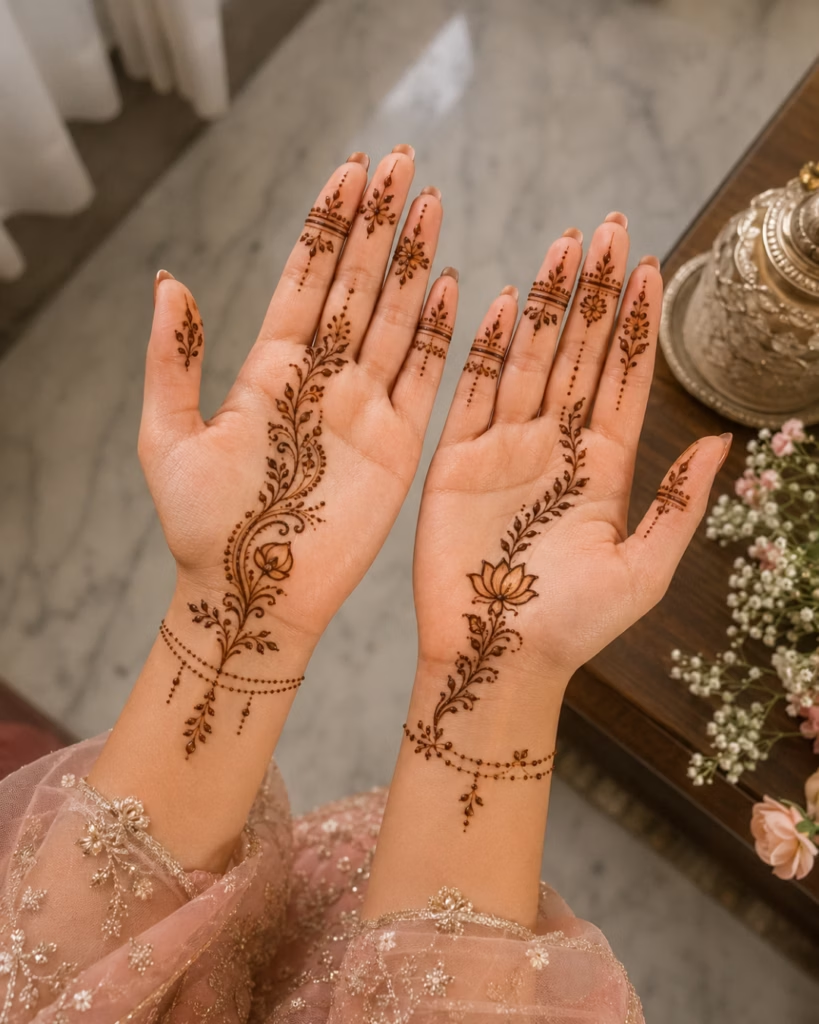
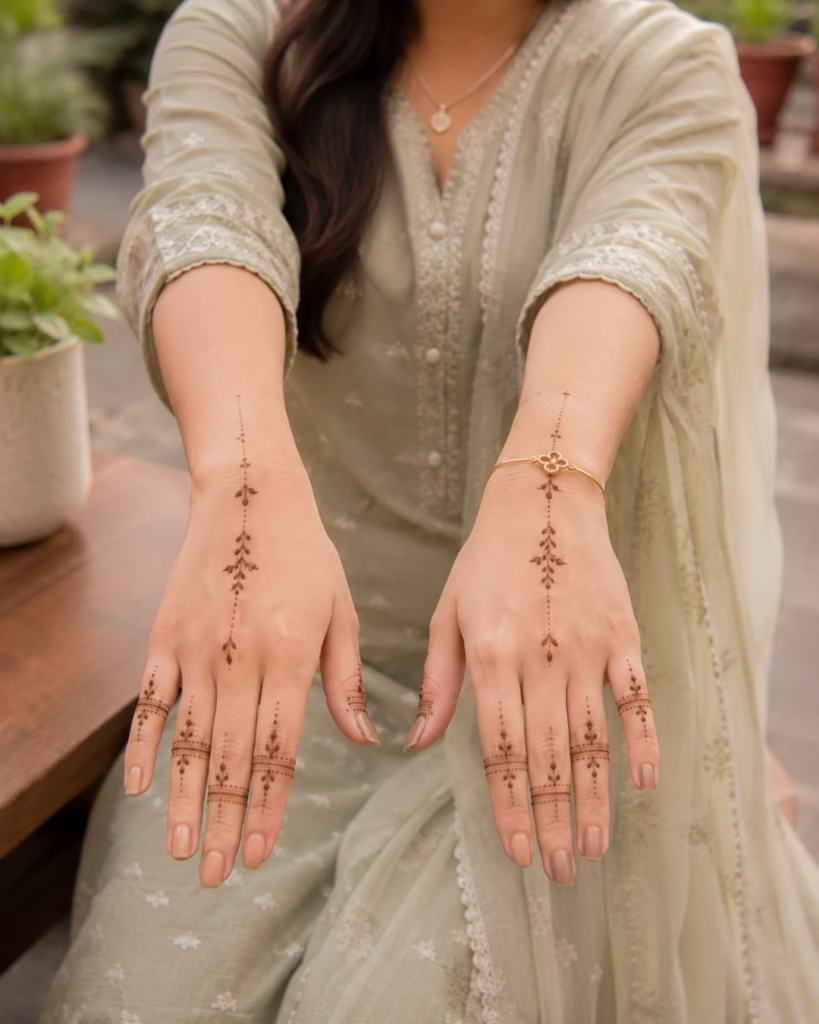
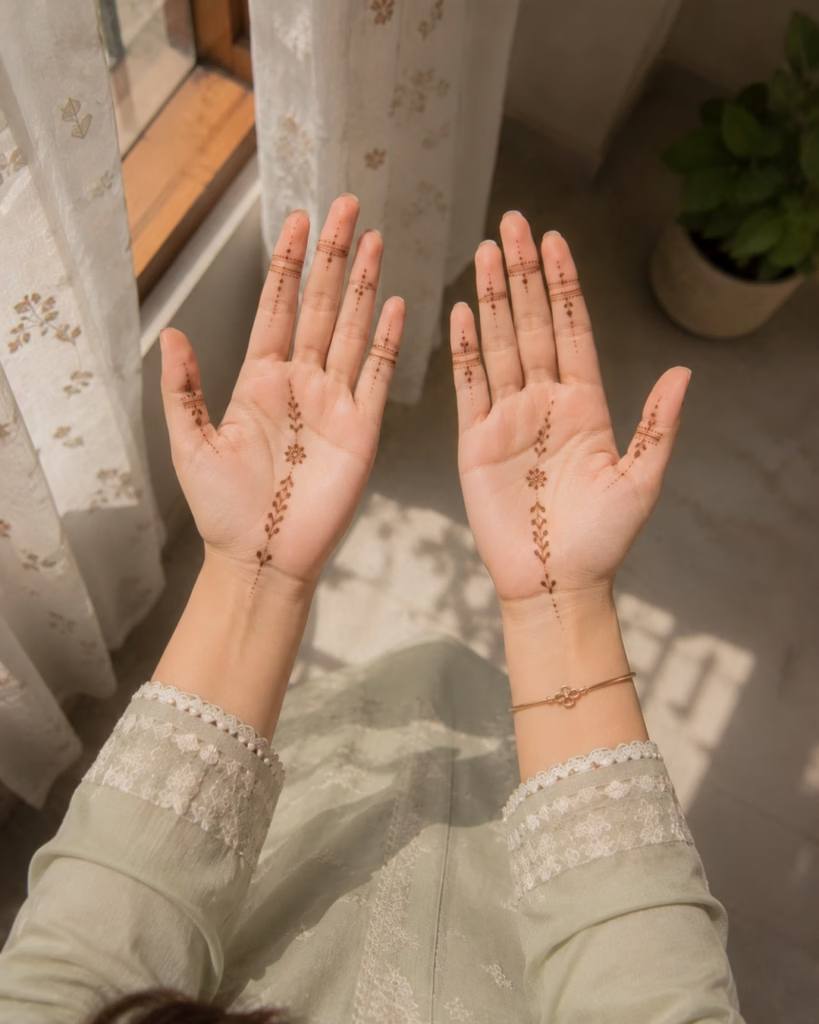
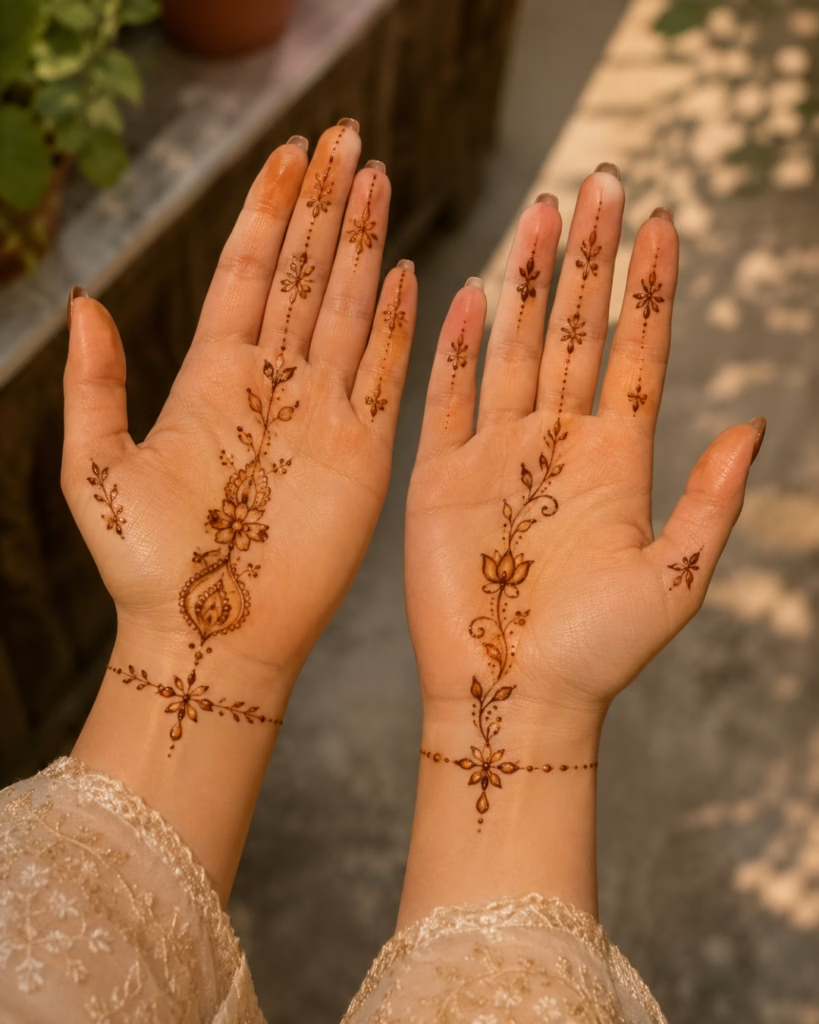
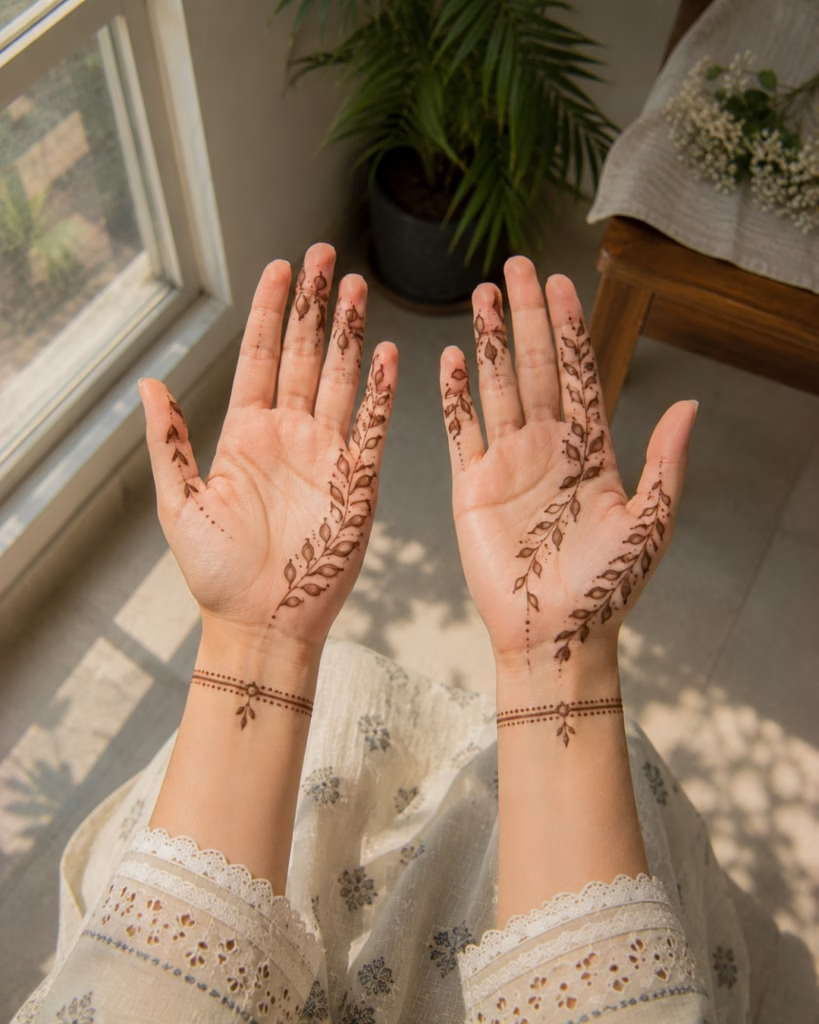
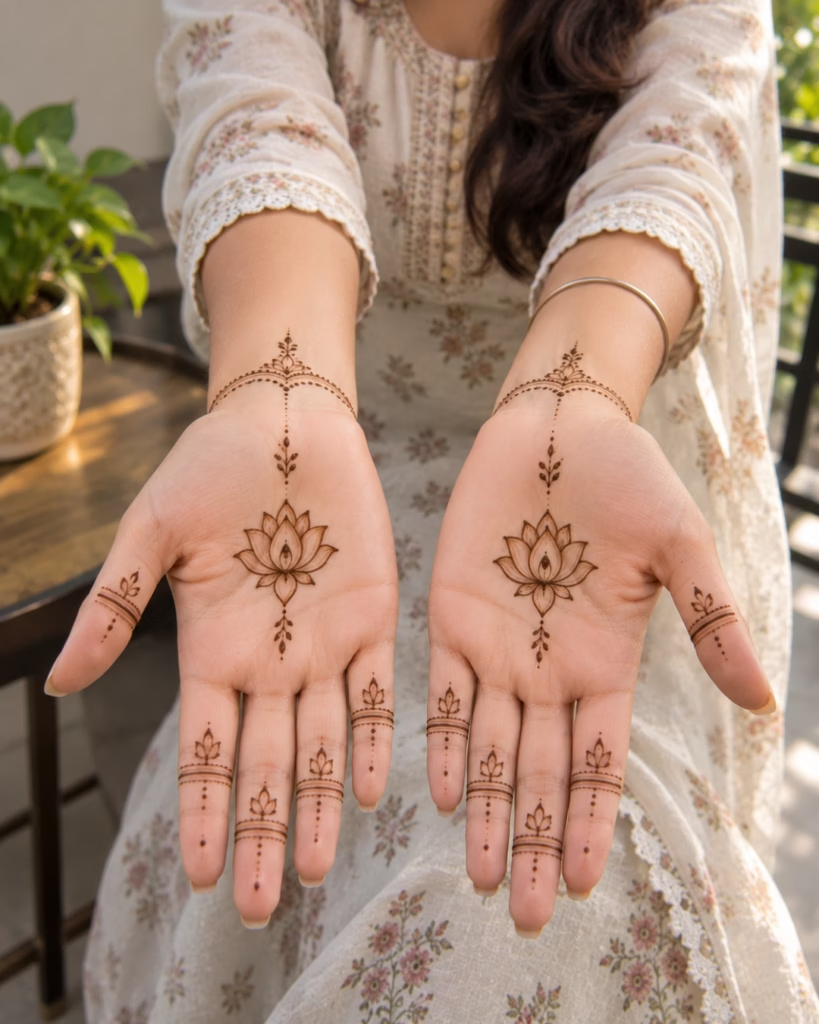
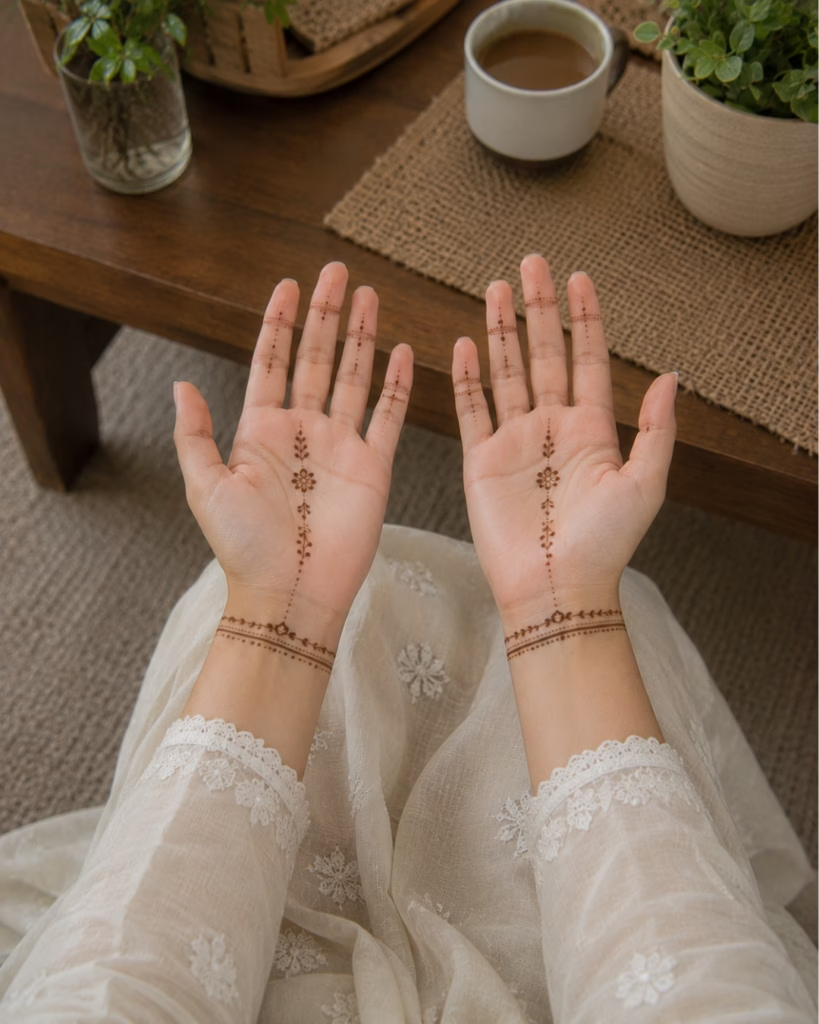
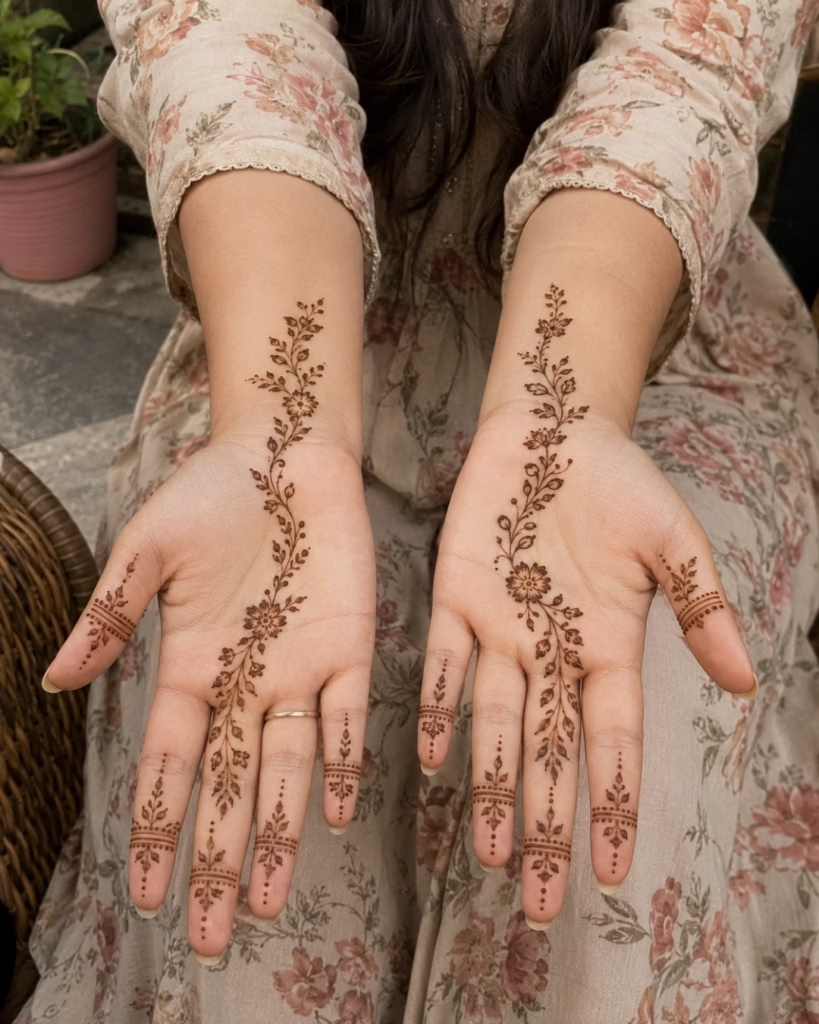
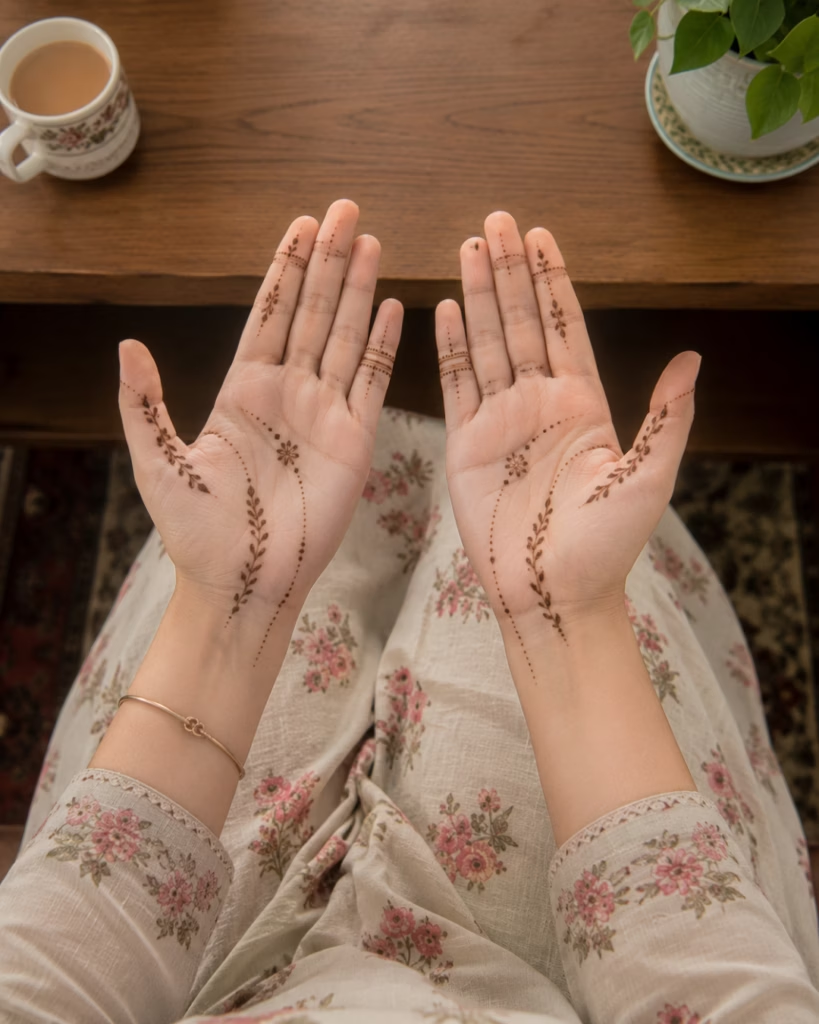
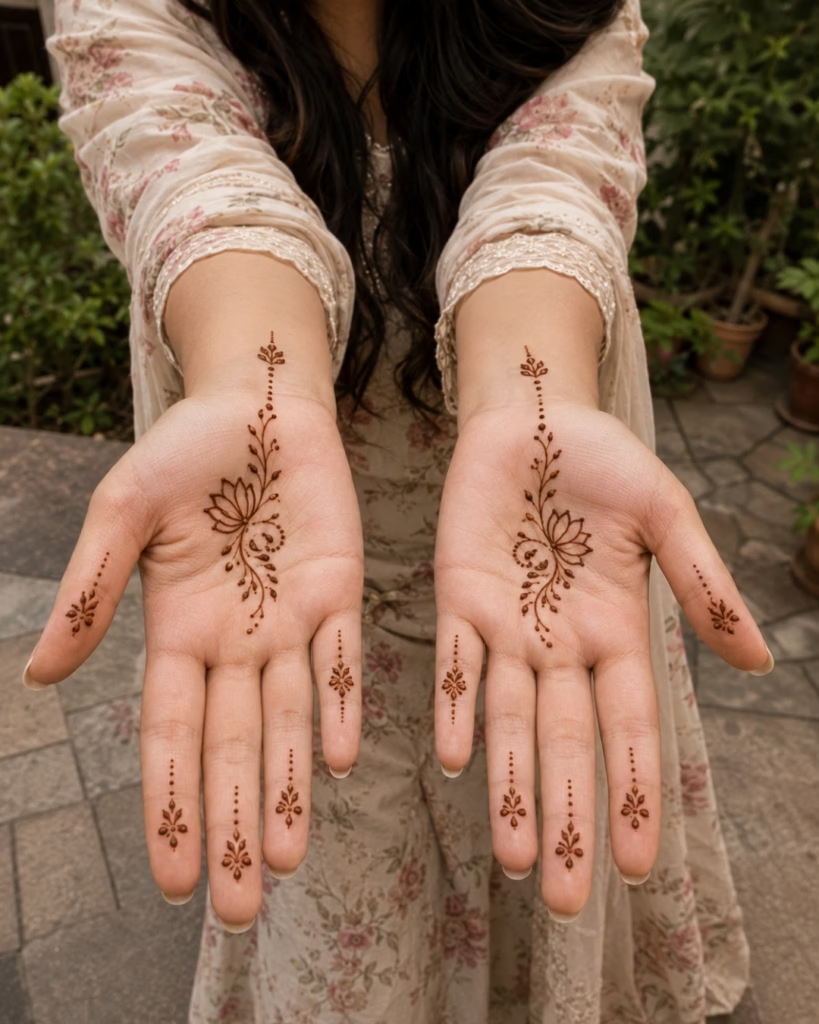
Best for: engagements, office festivals, brides who want mehndi without heavy coverage, and anyone whose hands stay busy through the day.
Small and Short Mehndi Design
Small mehndi designs cover one zone only, the centre of the palm, two fingers or the wrist, and finish in under 15 minutes.
A small round tikki with a dot border is the most requested small design. Short designs work the same way on the back hand: one trail from the wrist to the index finger, nothing else.
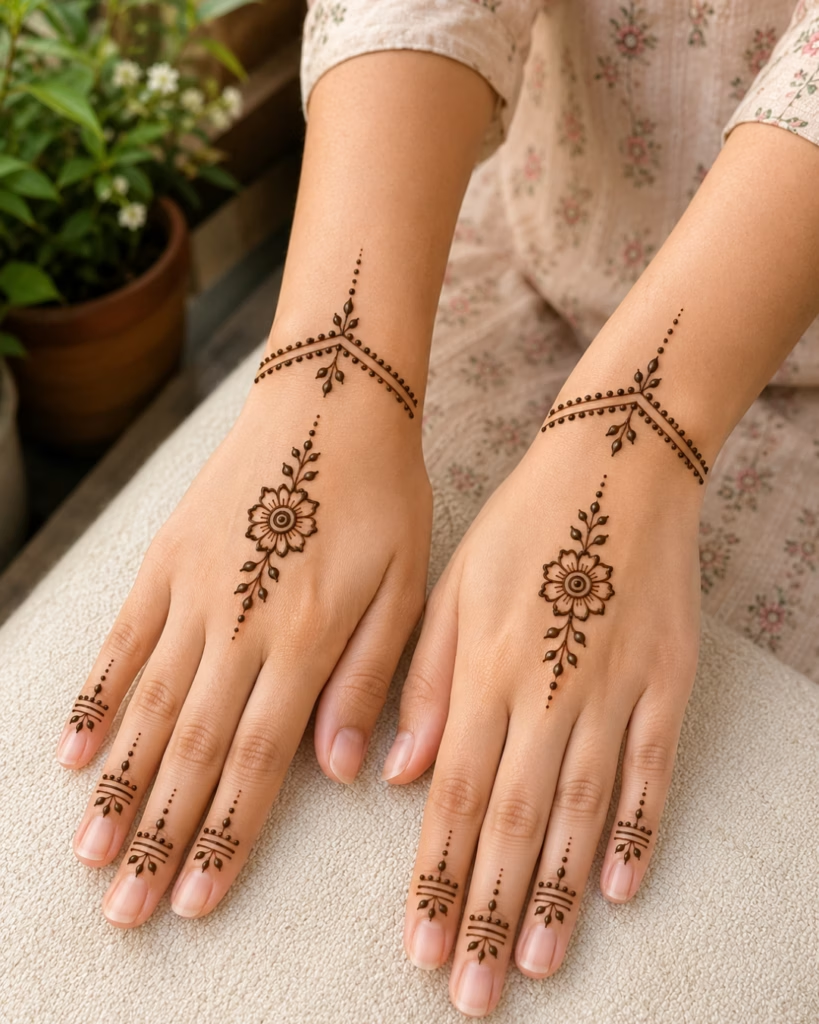
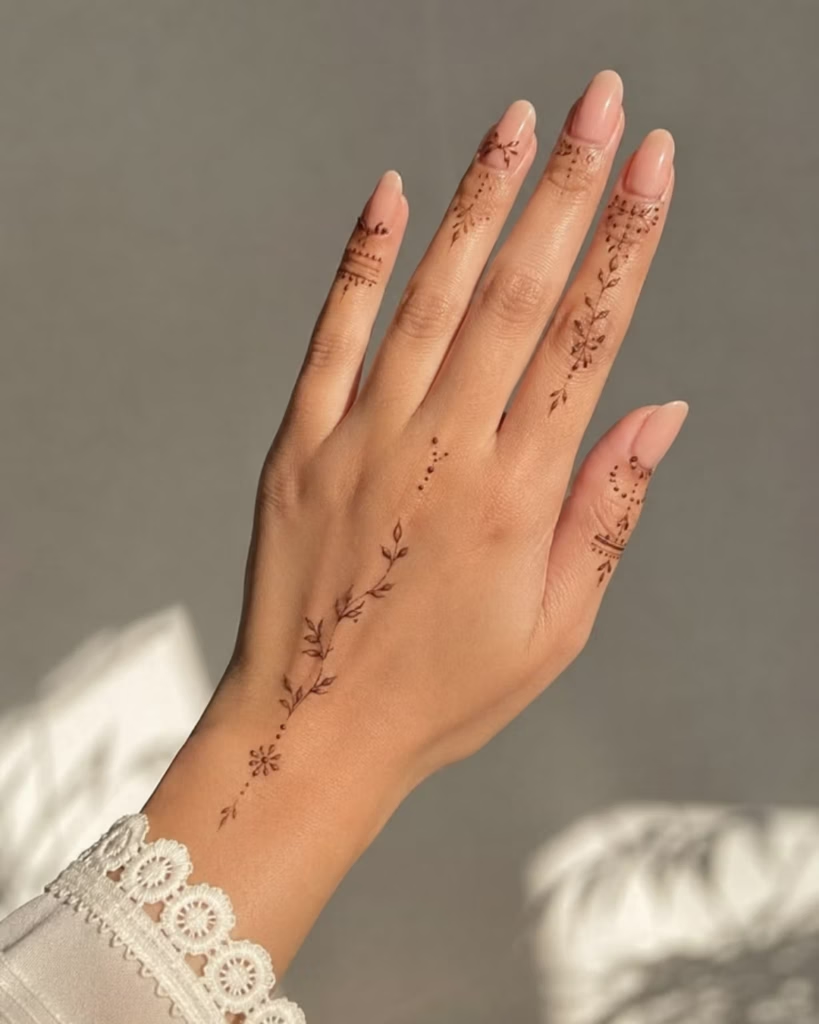
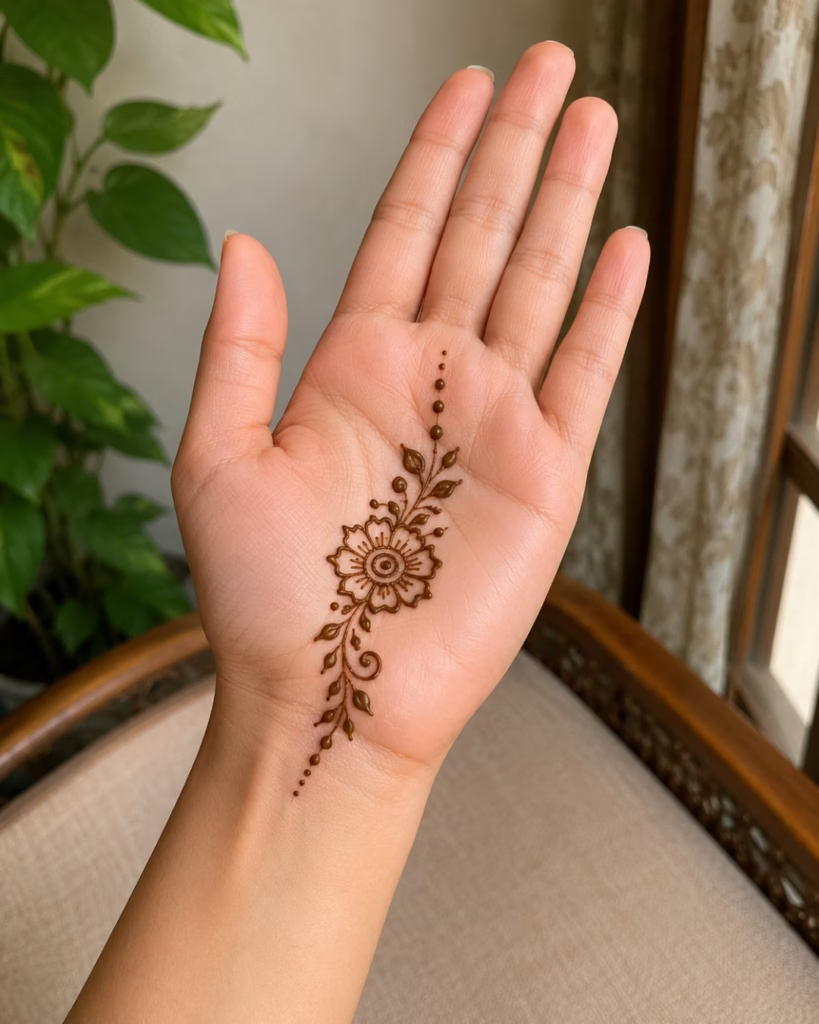
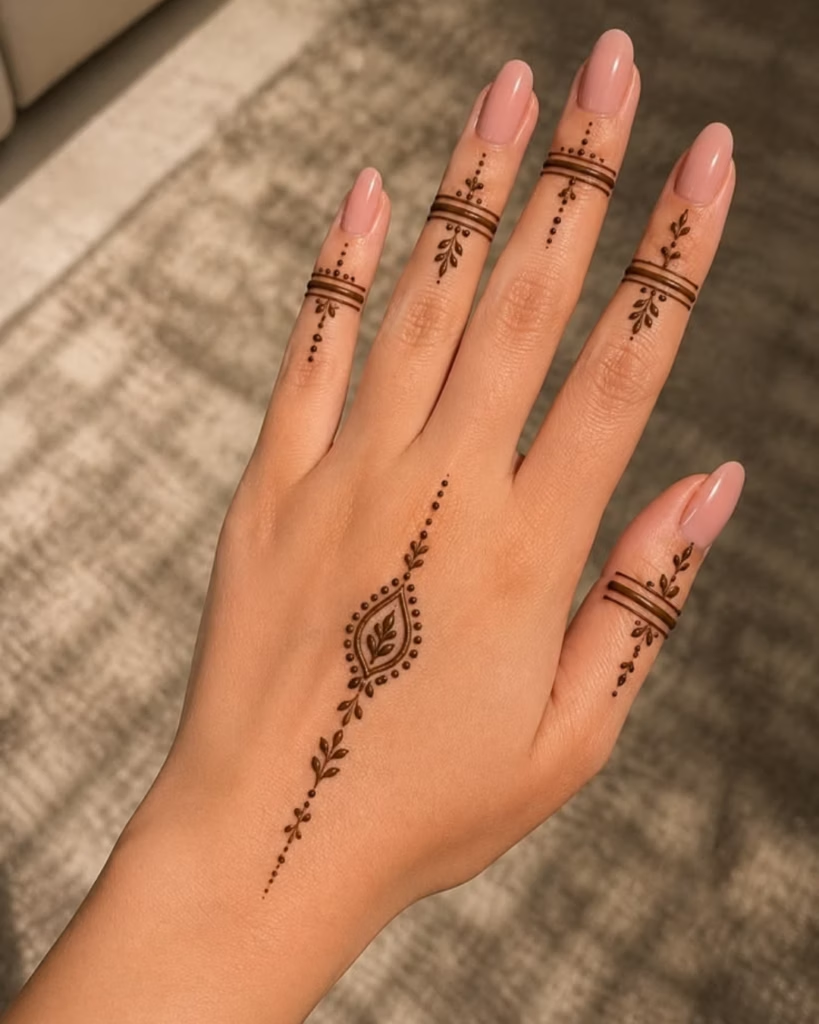
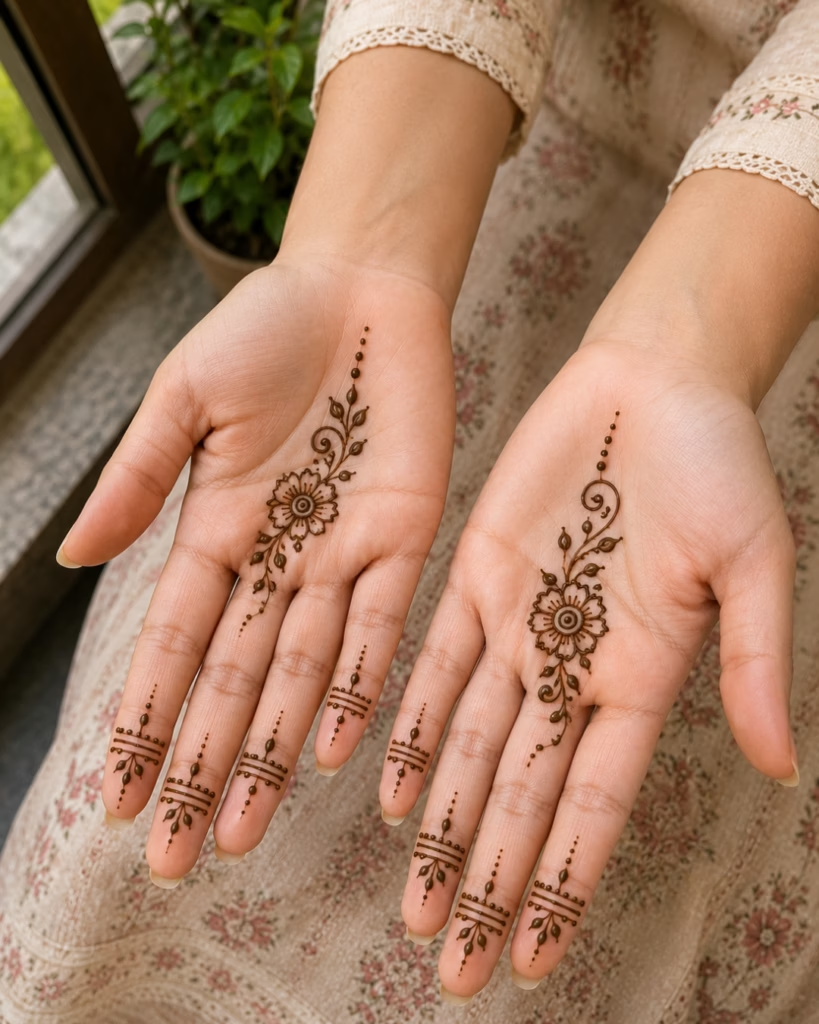
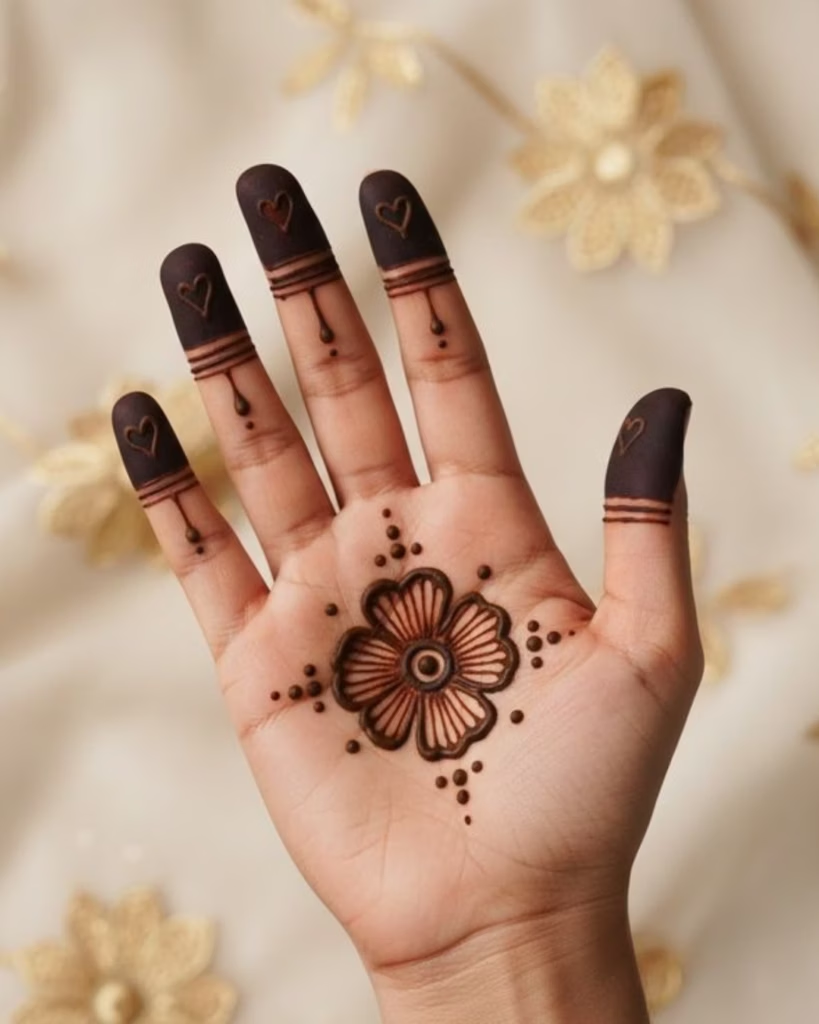
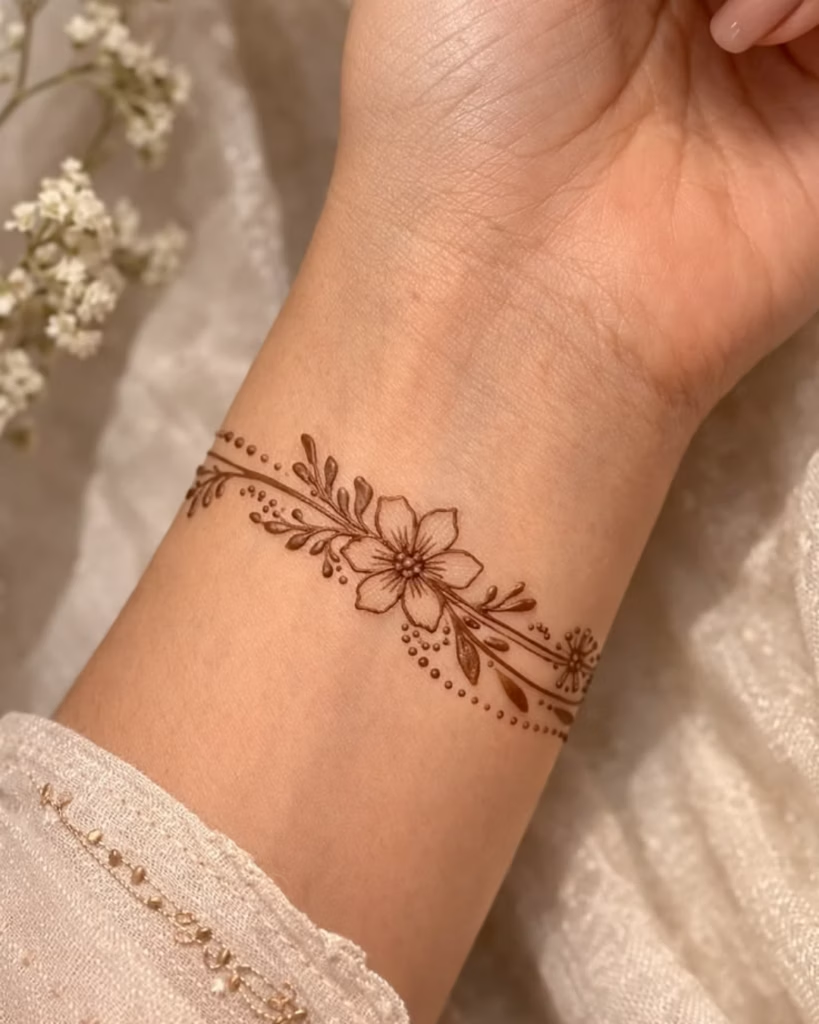
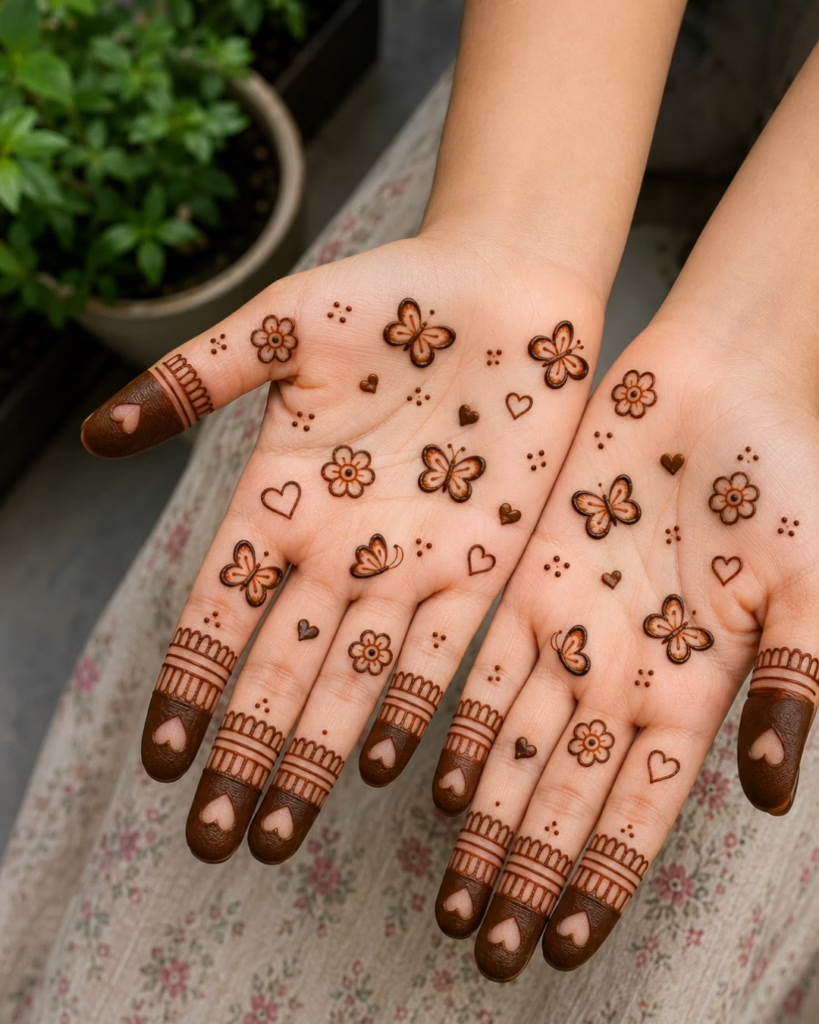
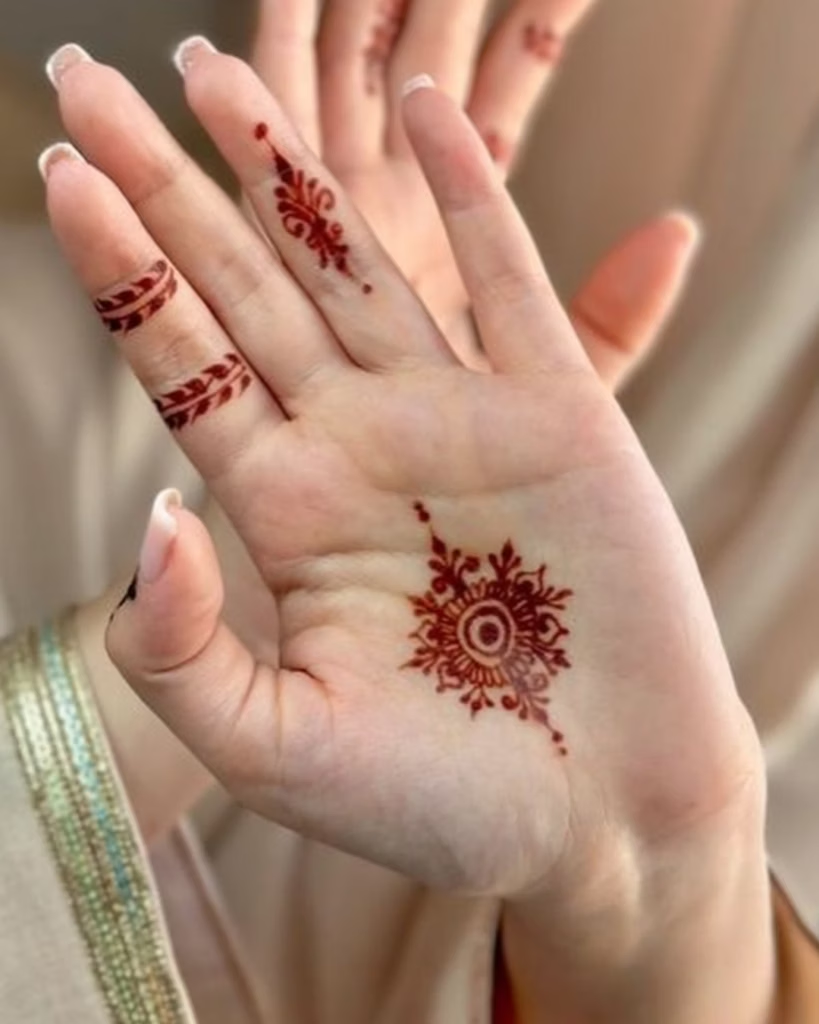
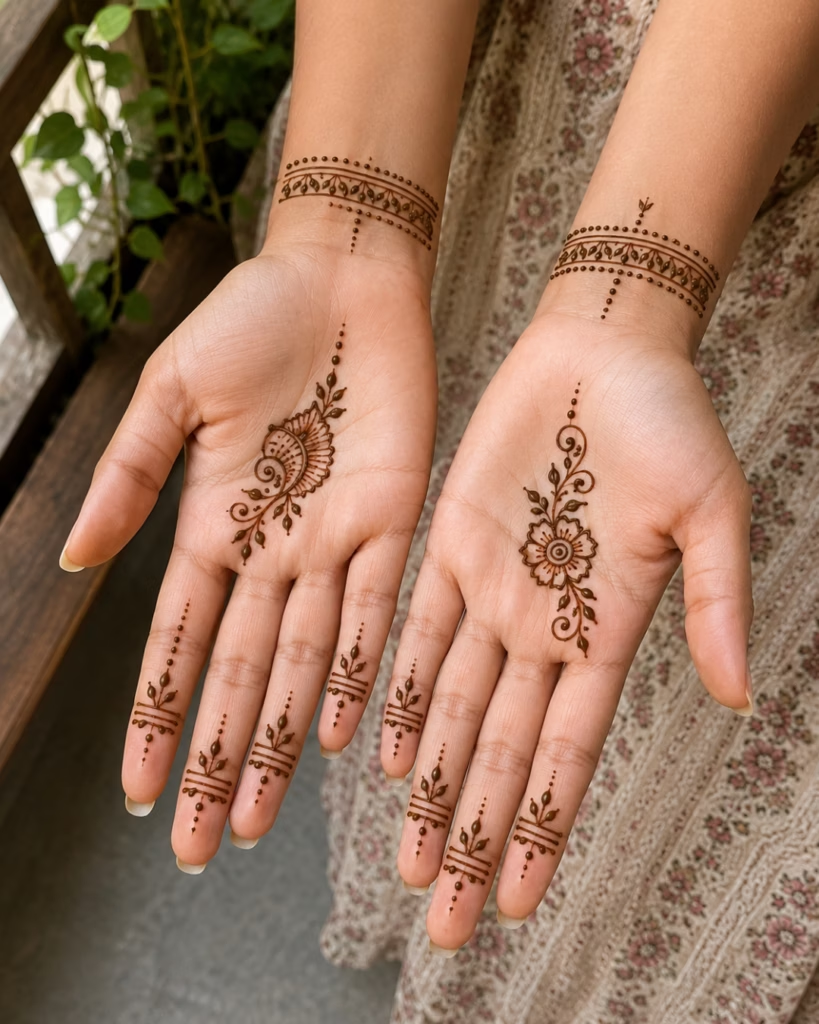
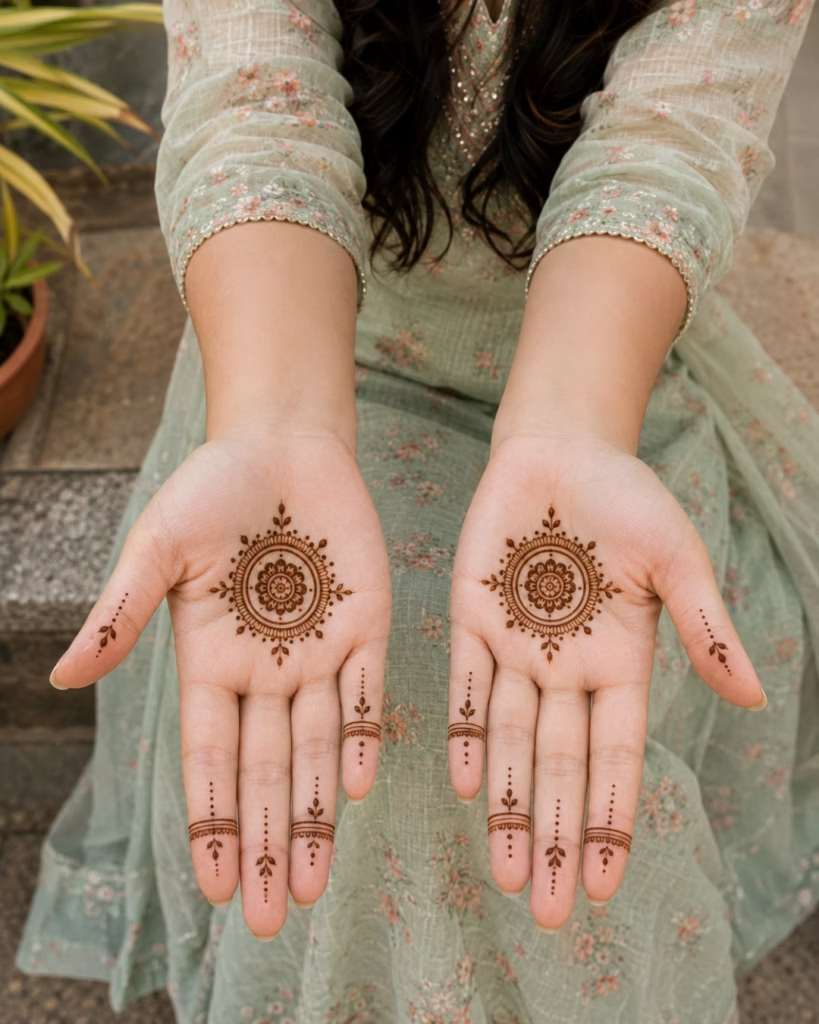
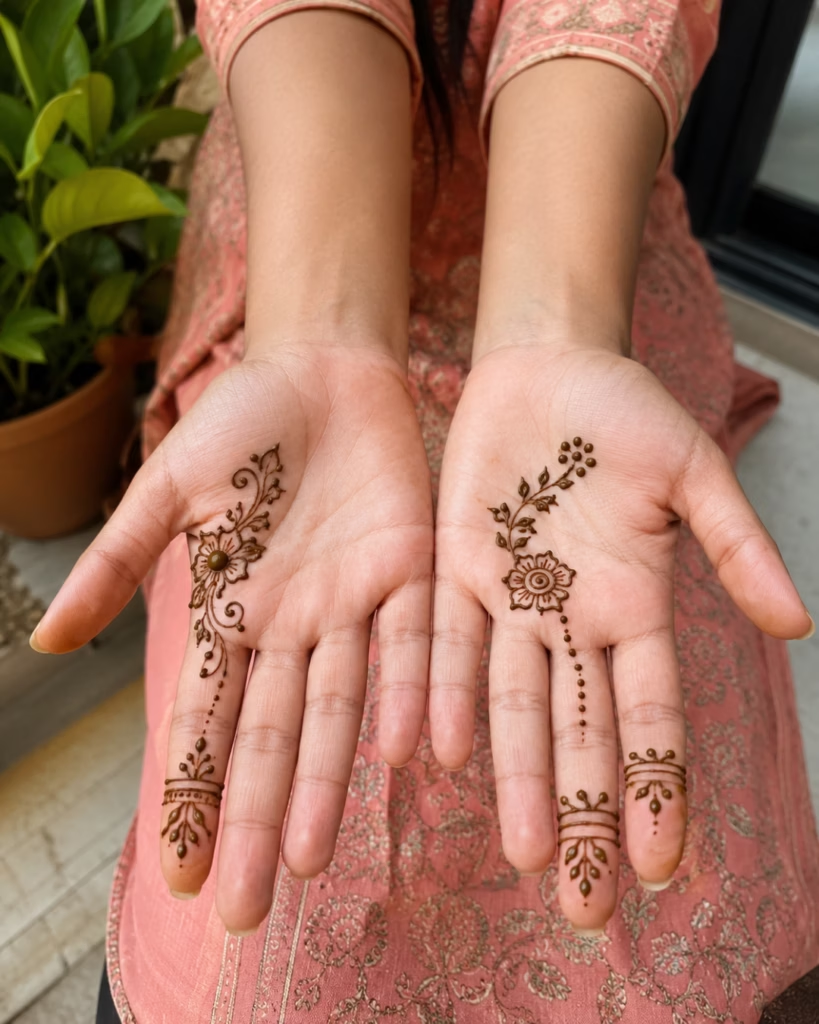
Best for: last-minute festivals, office days, and anyone who wants mehndi without two weeks of commitment.
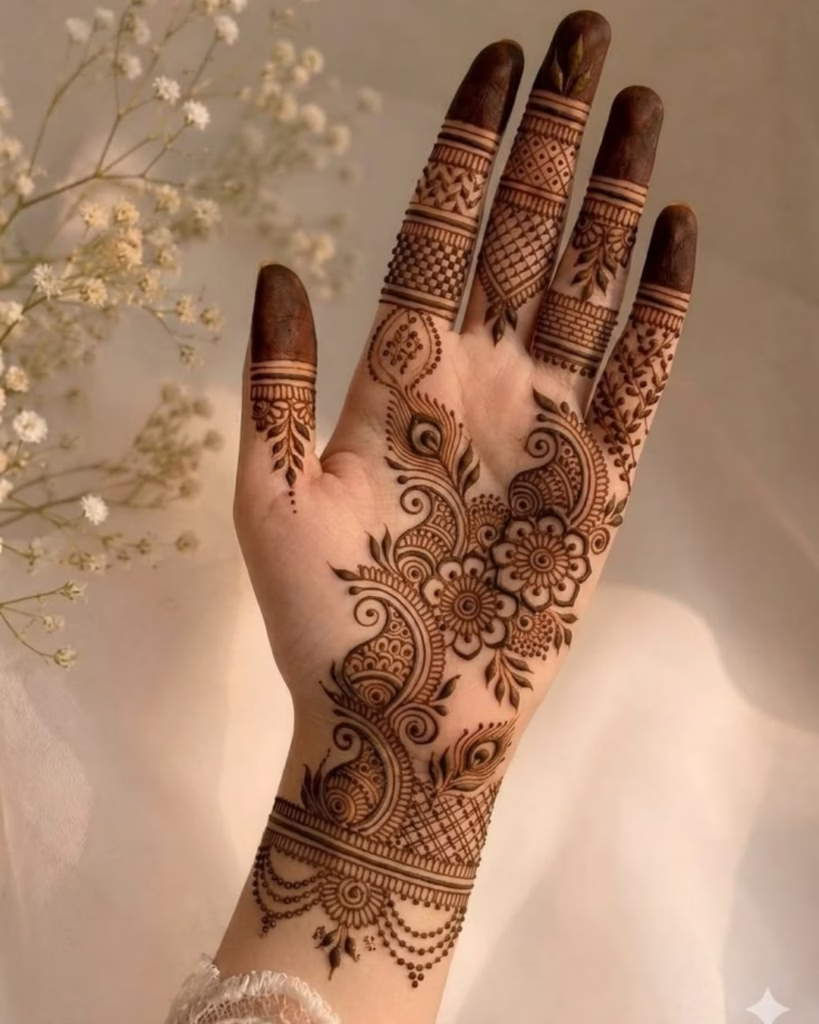
Front Hand Mehndi Design
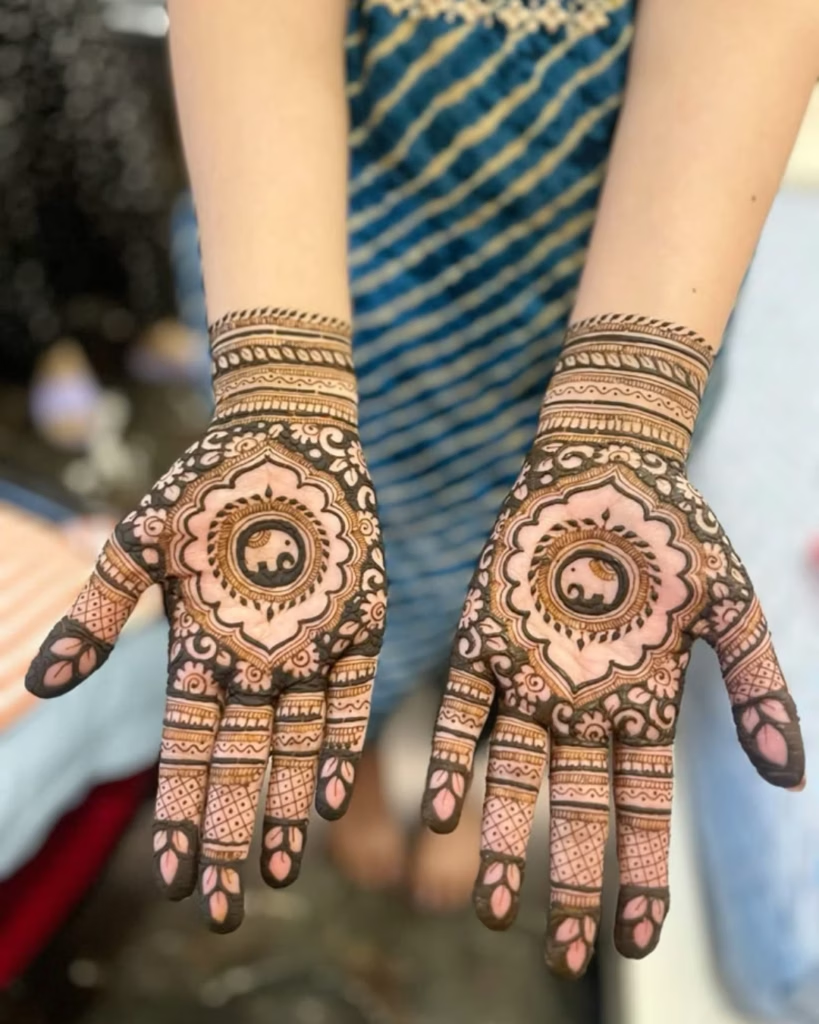
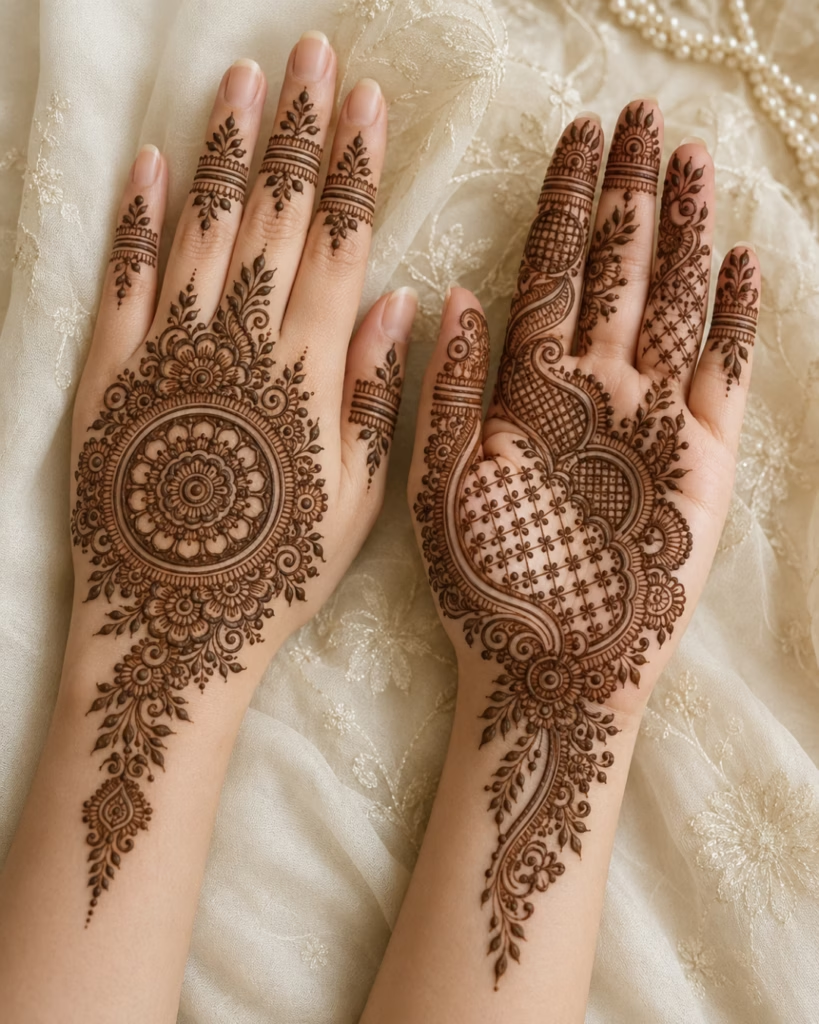
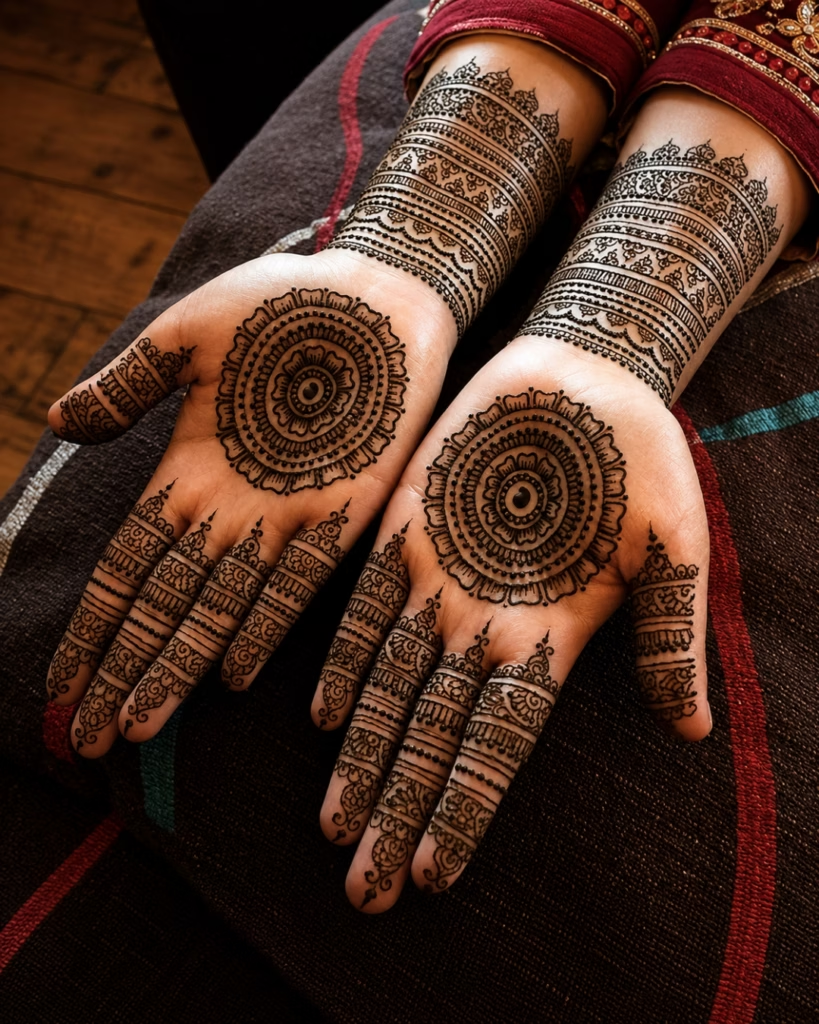
Front hand mehndi designs decorate the palm and fingers, the part of your hand most visible while greeting guests, accepting blessings and in close-up photos. Palm-centred mandalas, floral trails and finger detailing are the most popular front hand styles in 2026.
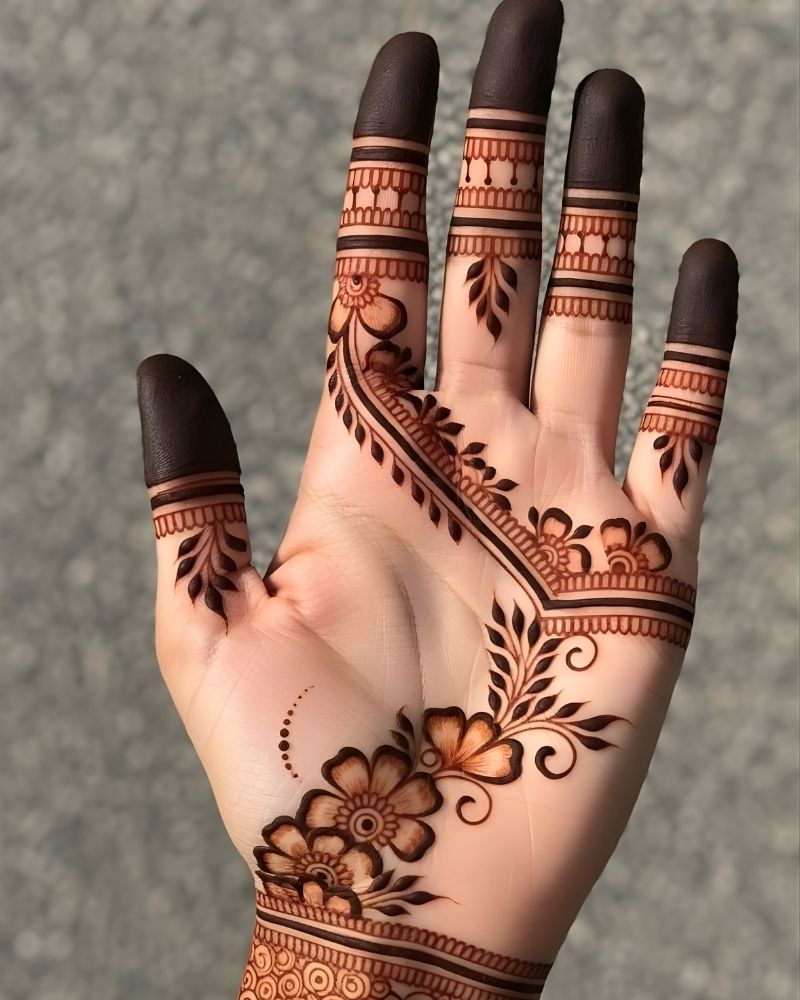
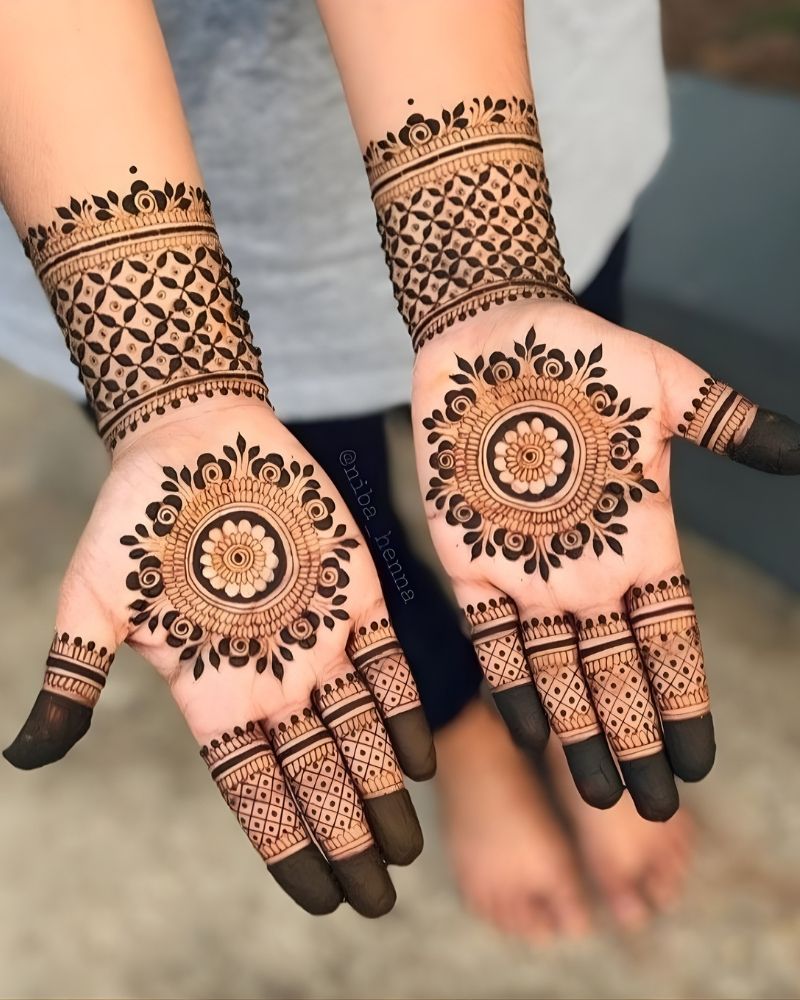
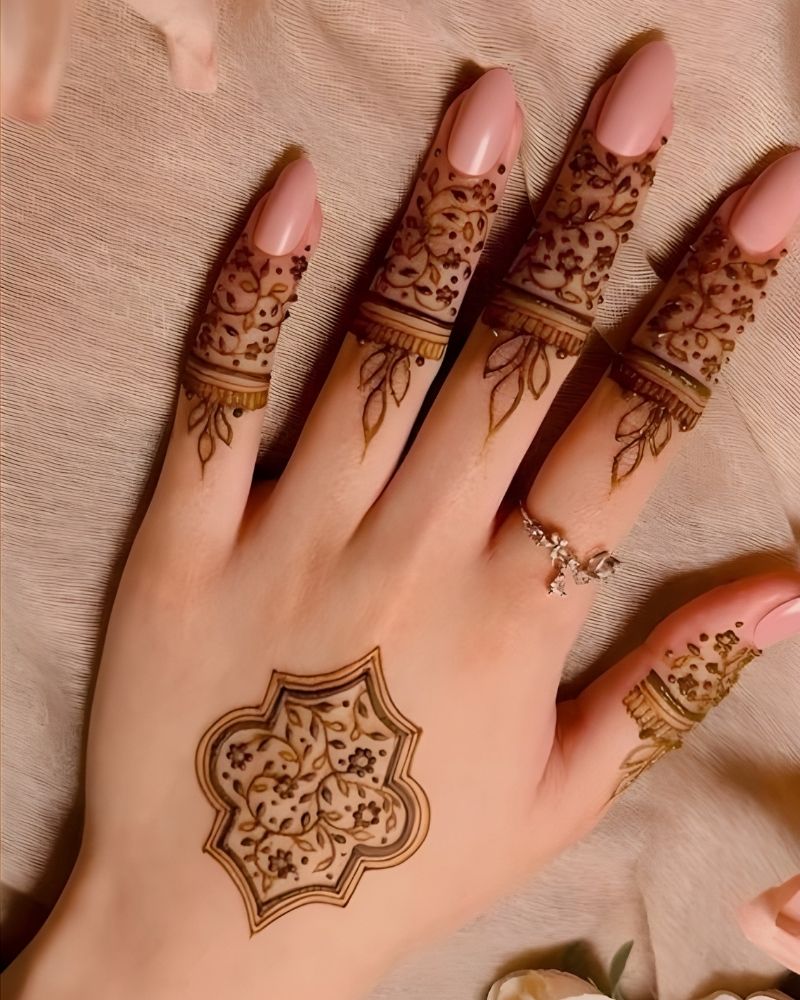
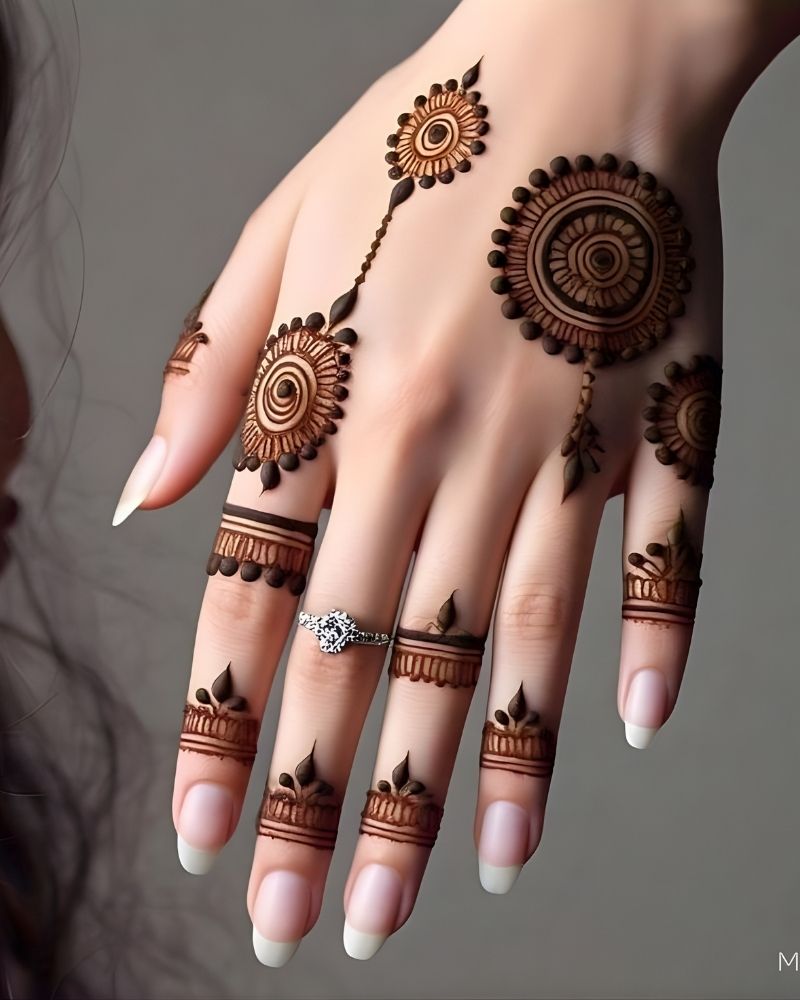
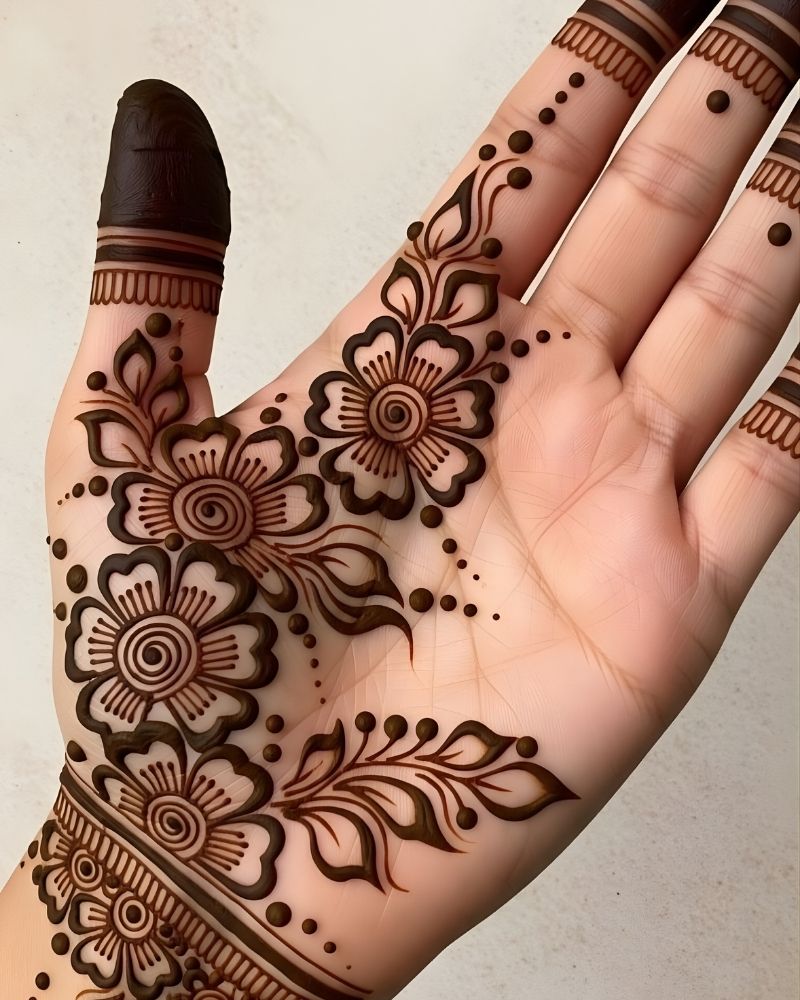
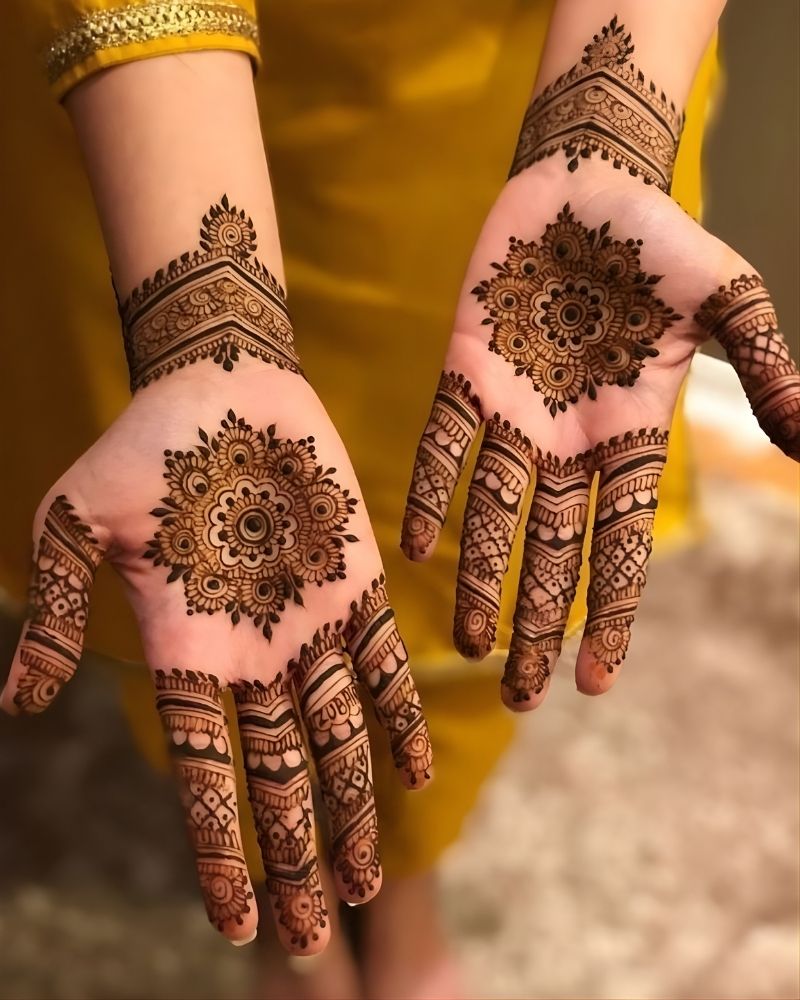
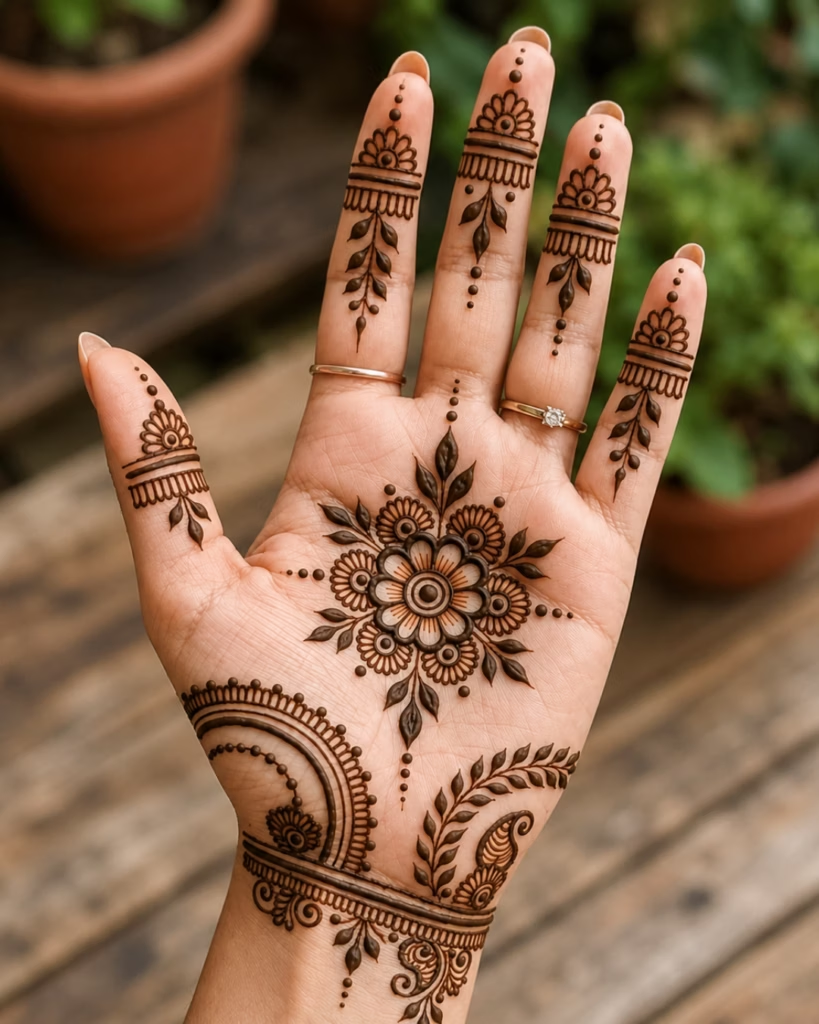
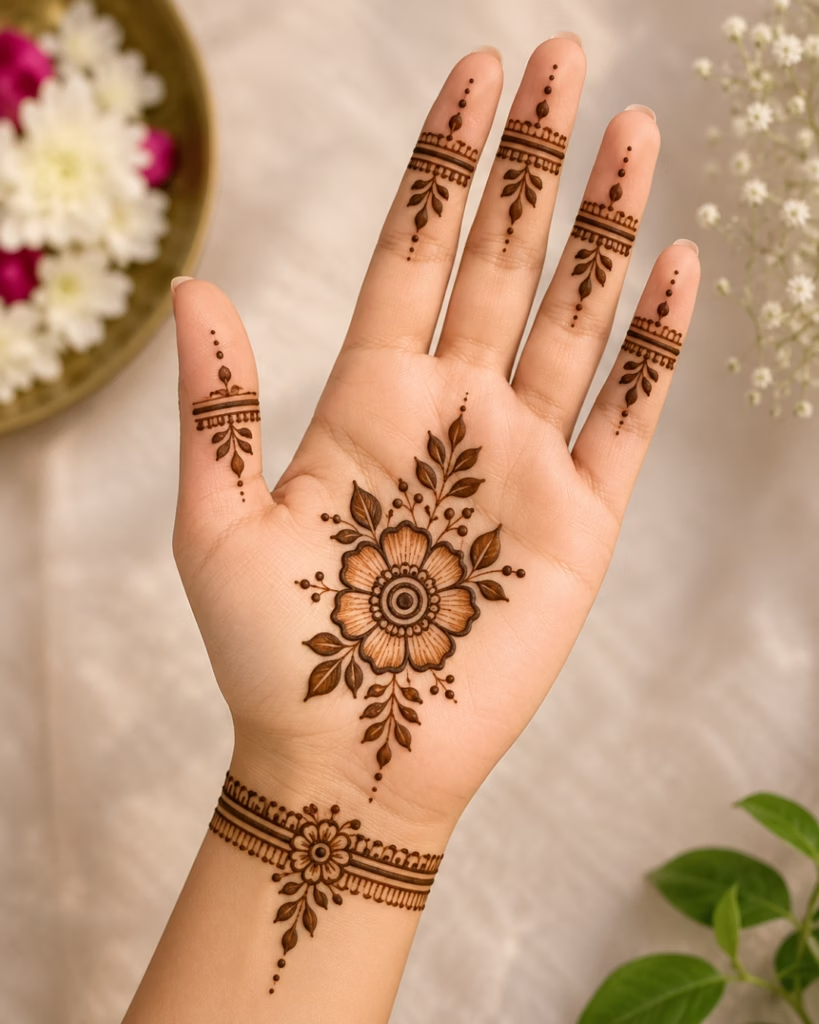
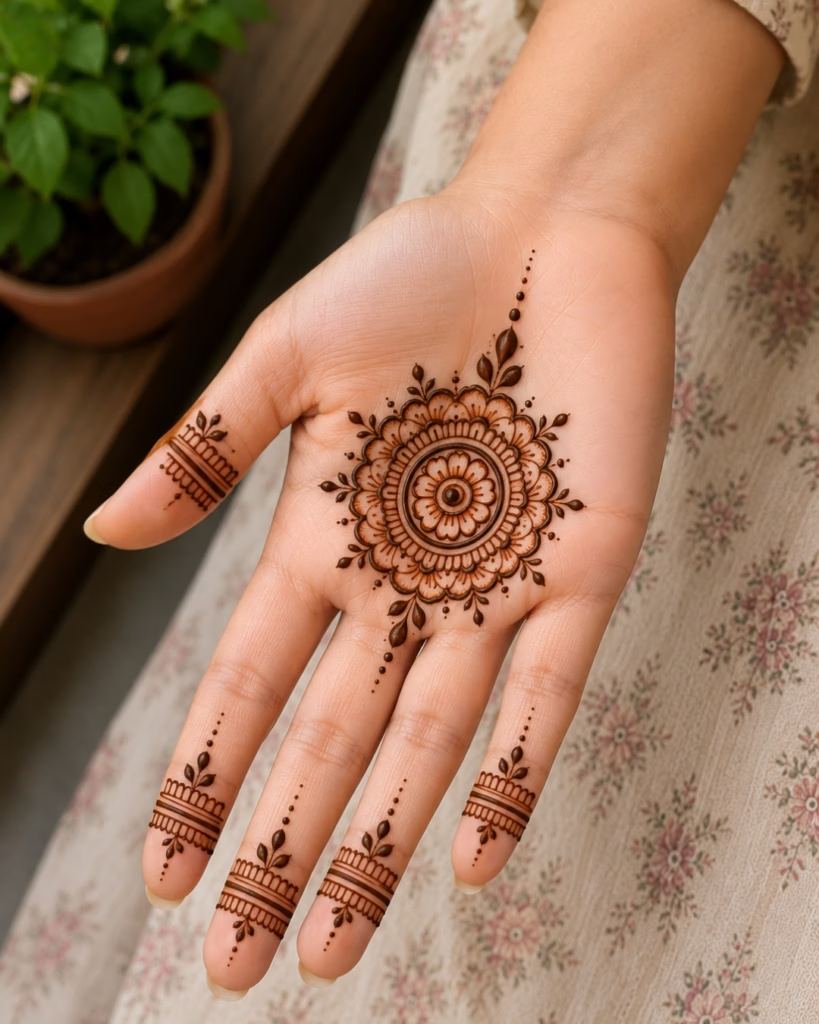
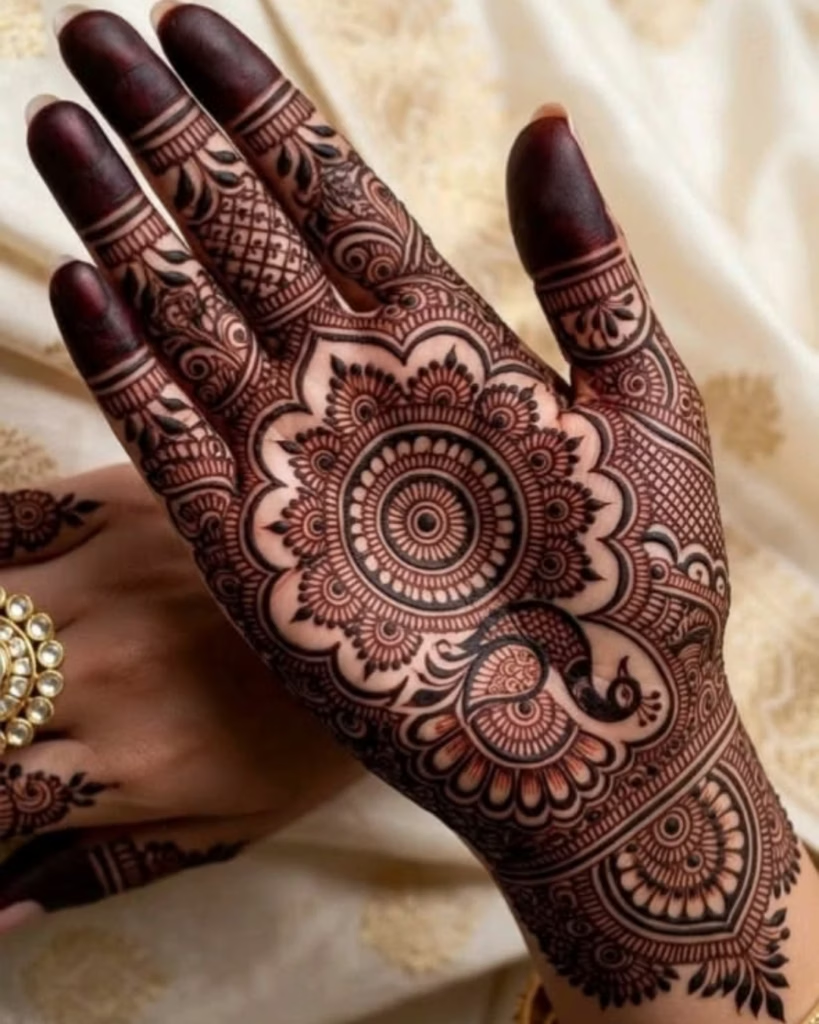
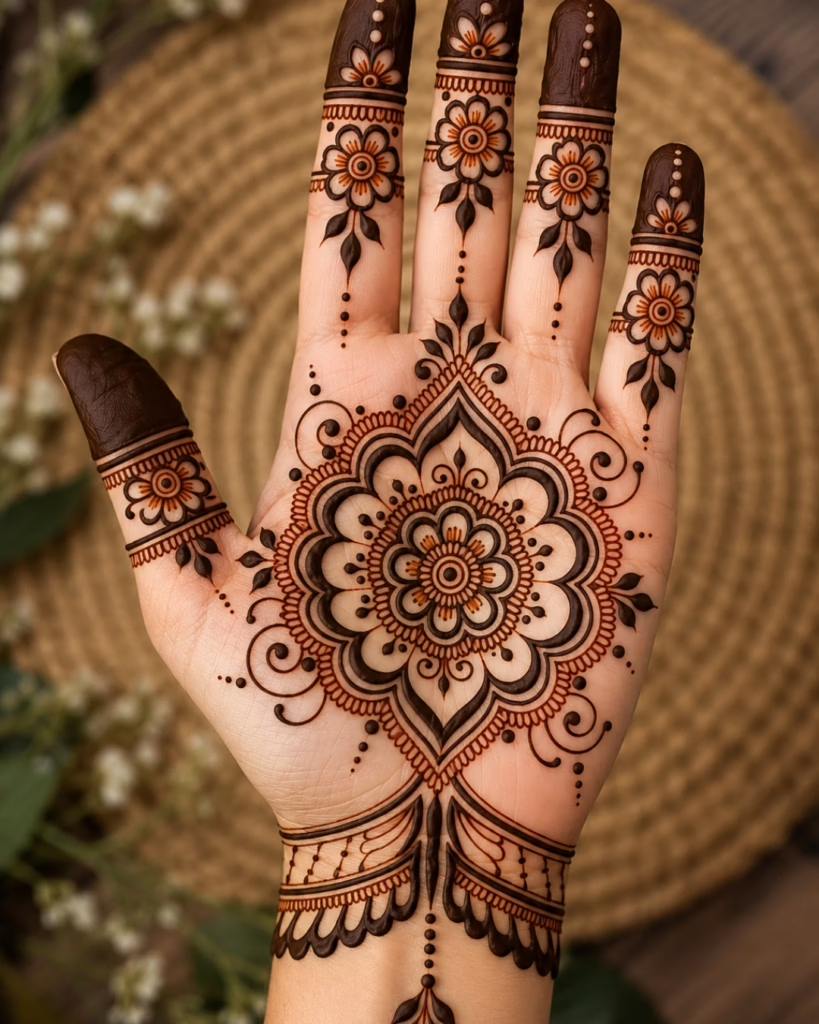
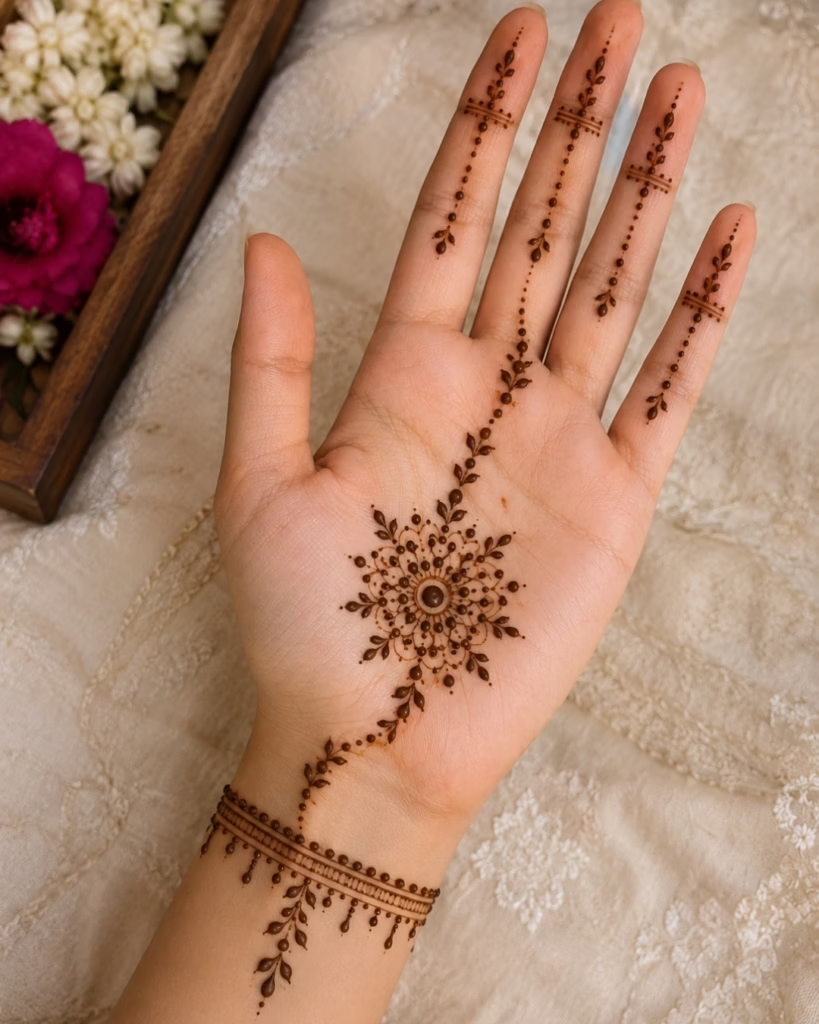
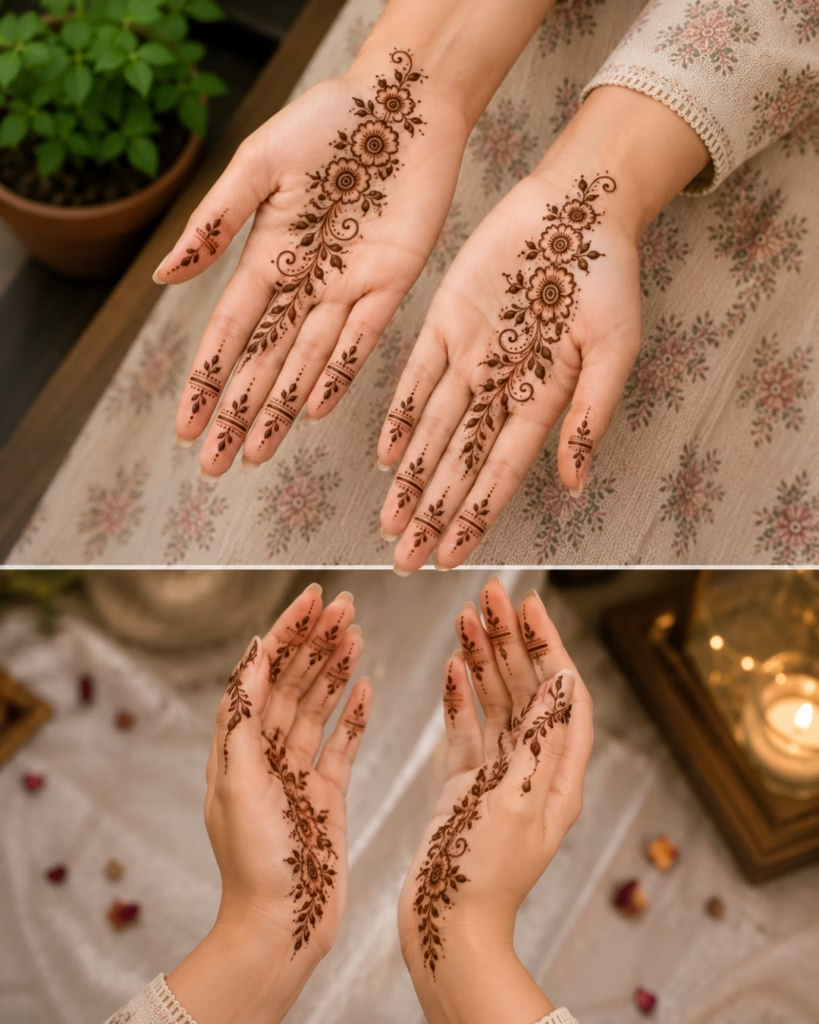
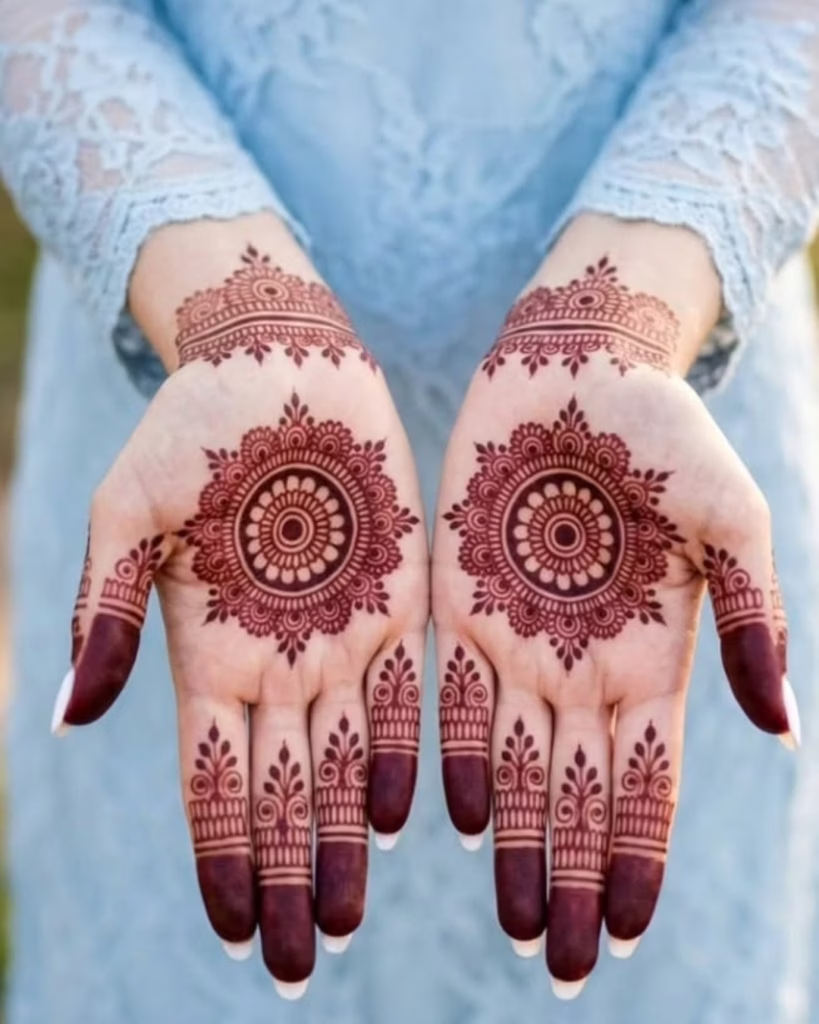
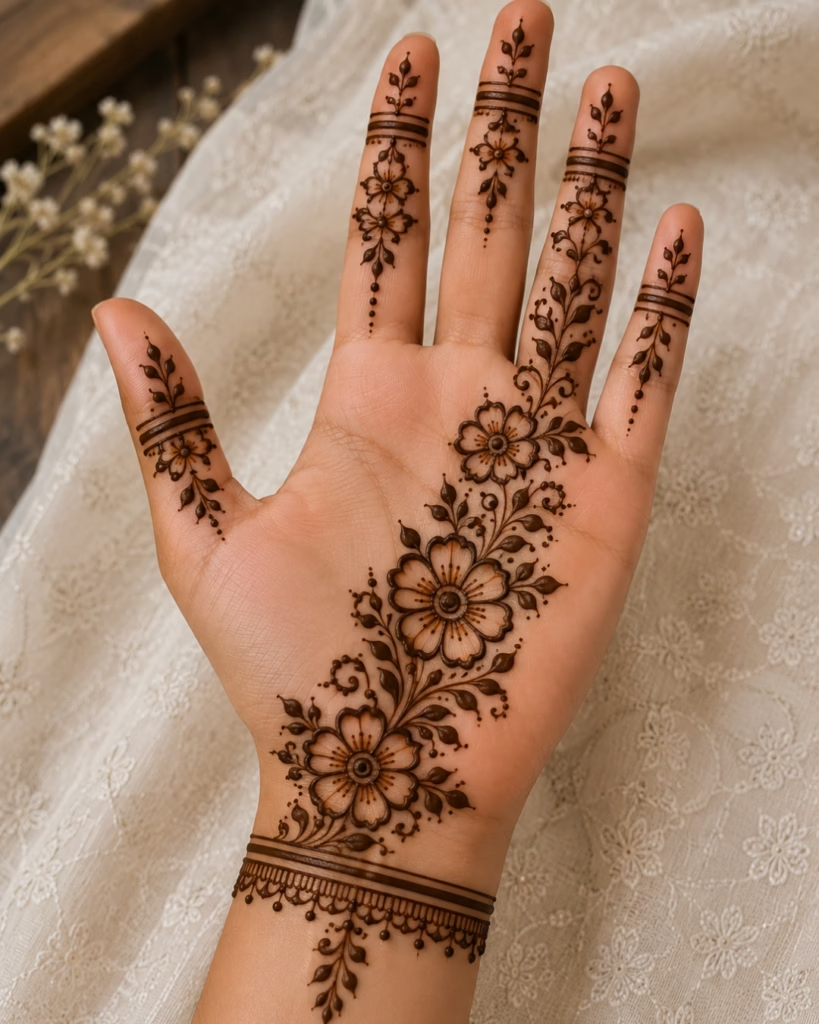
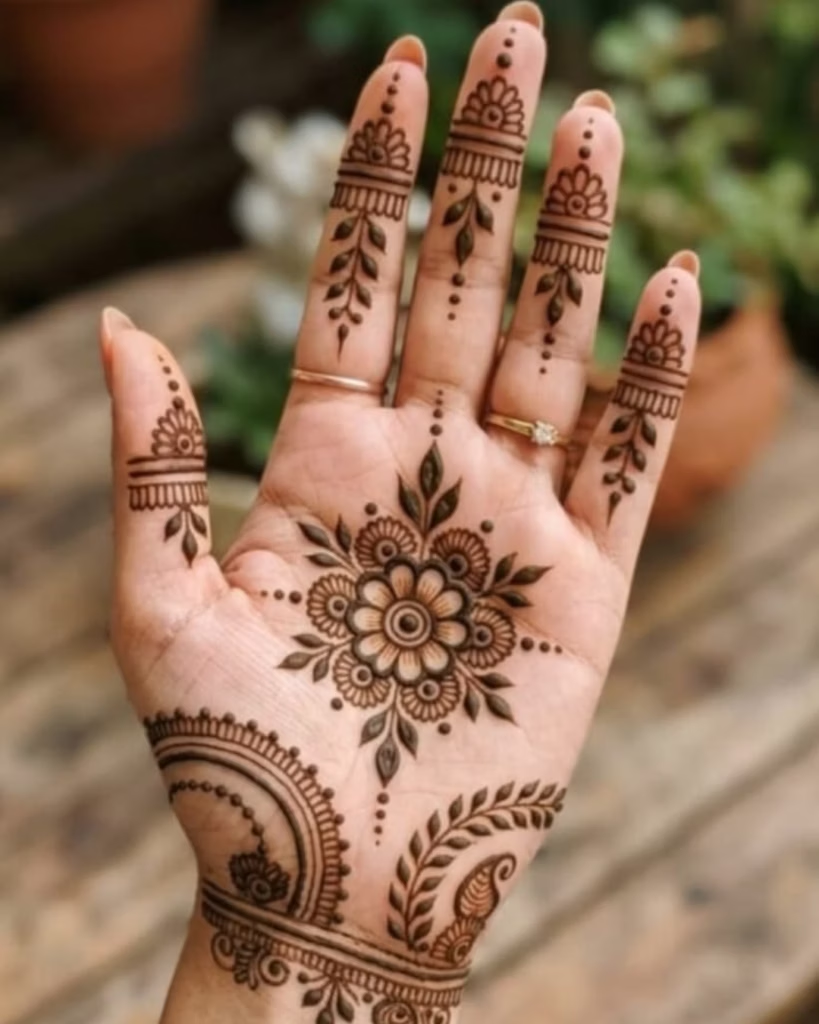
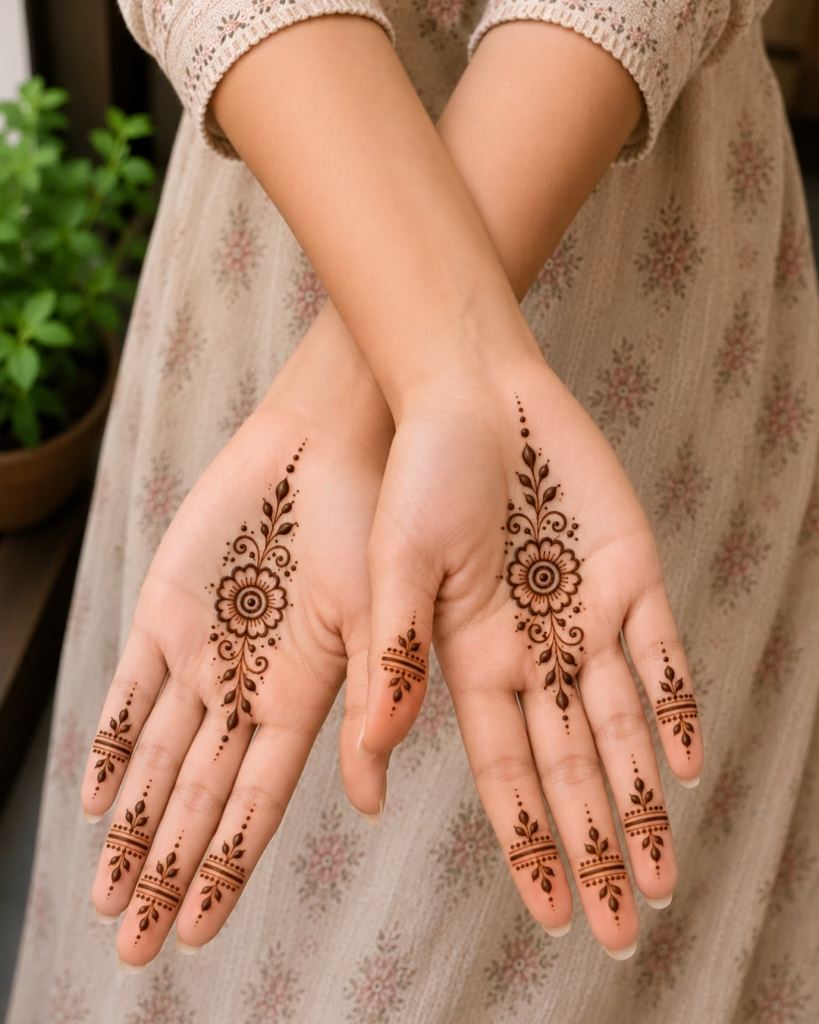
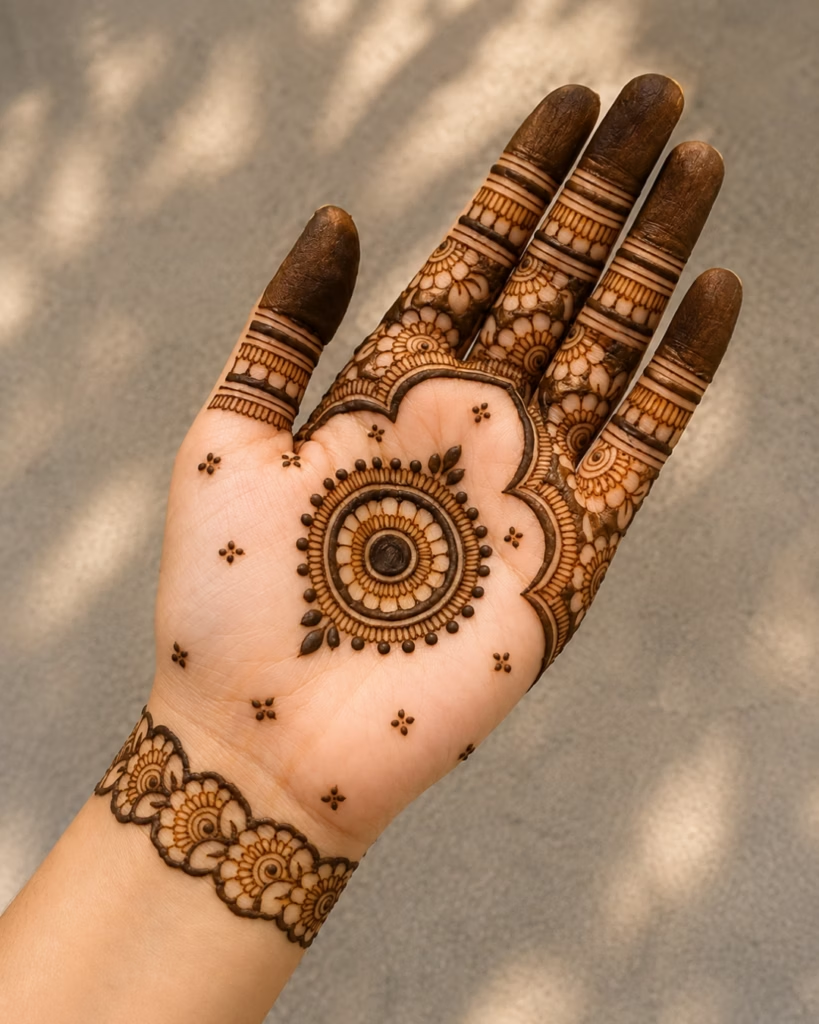
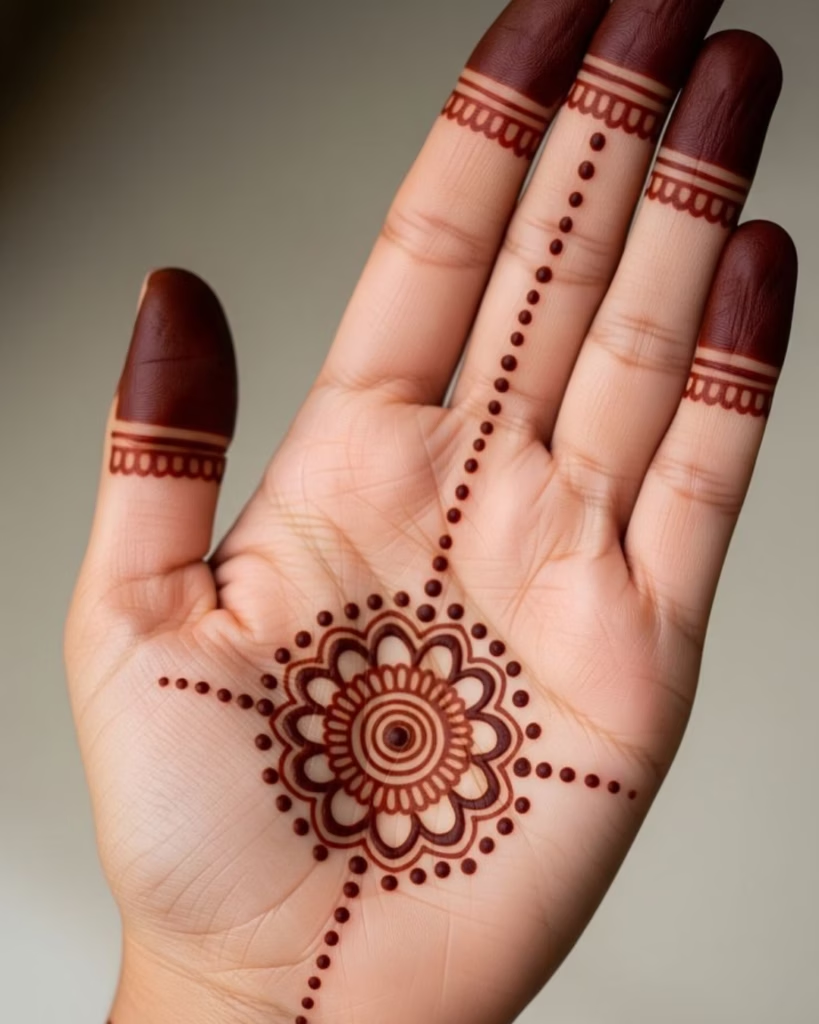
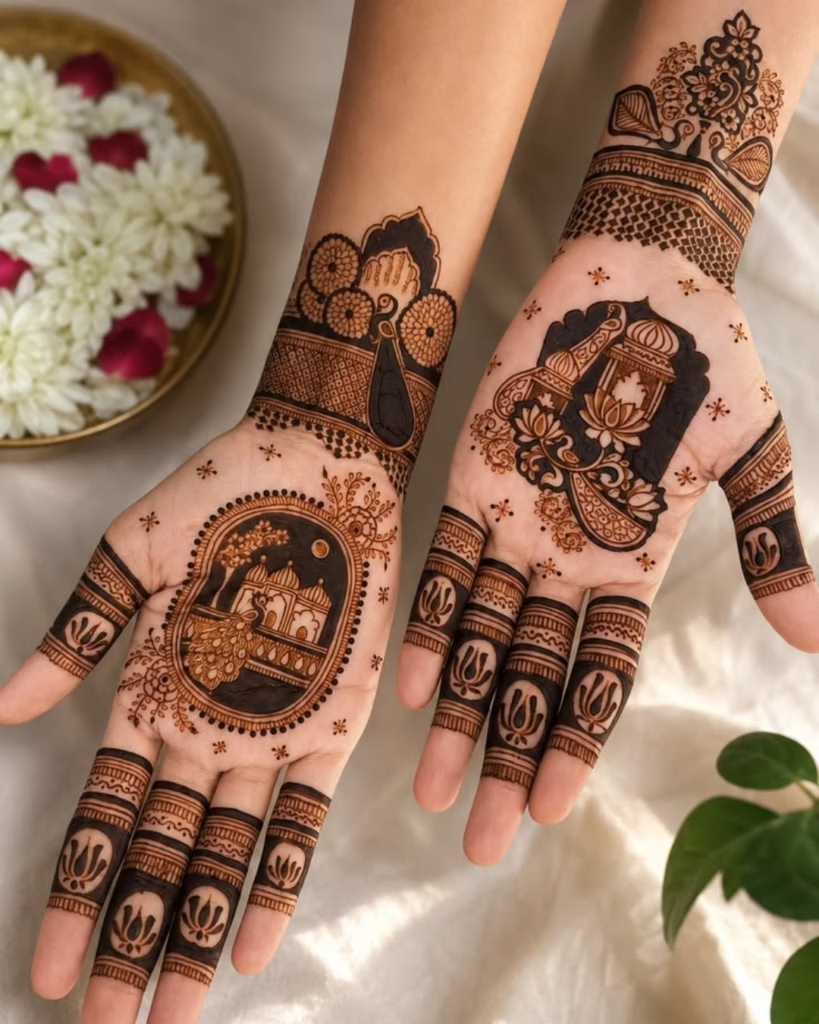
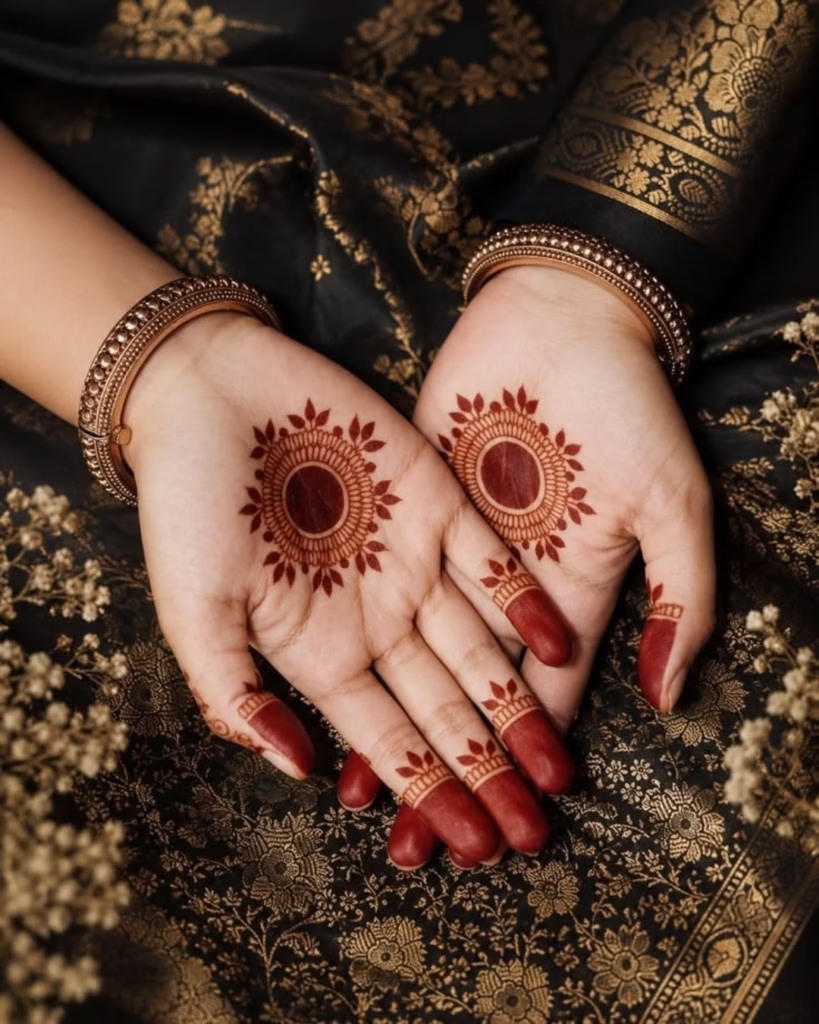
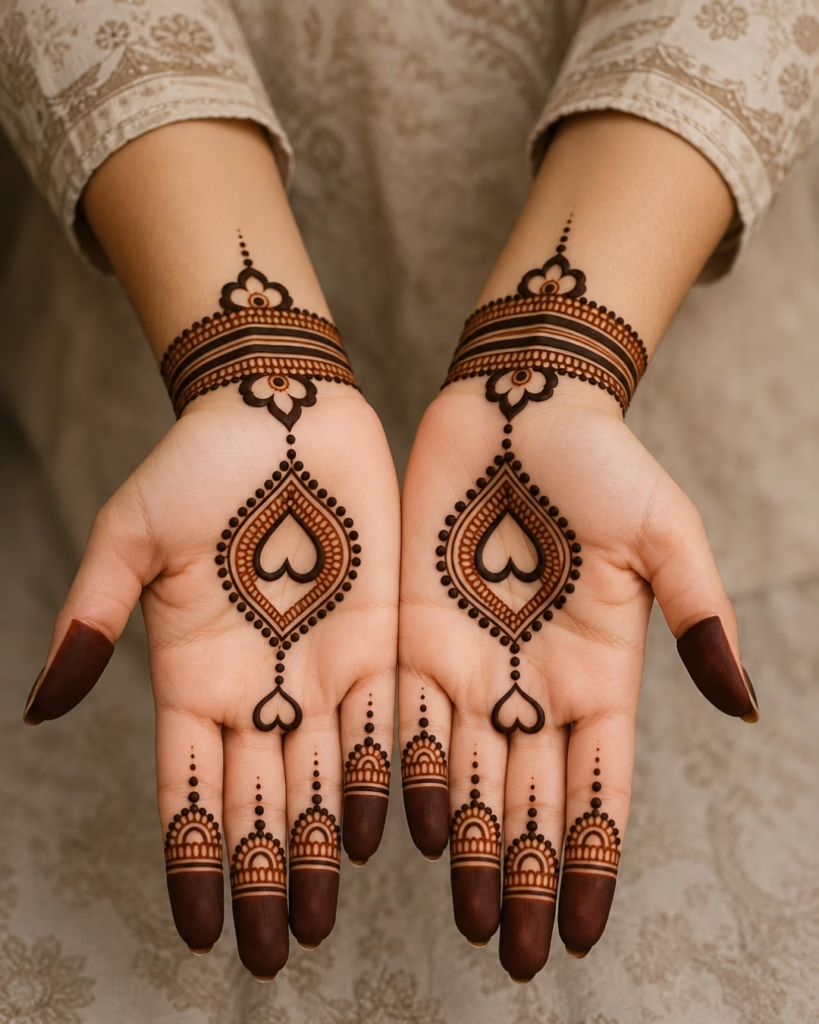
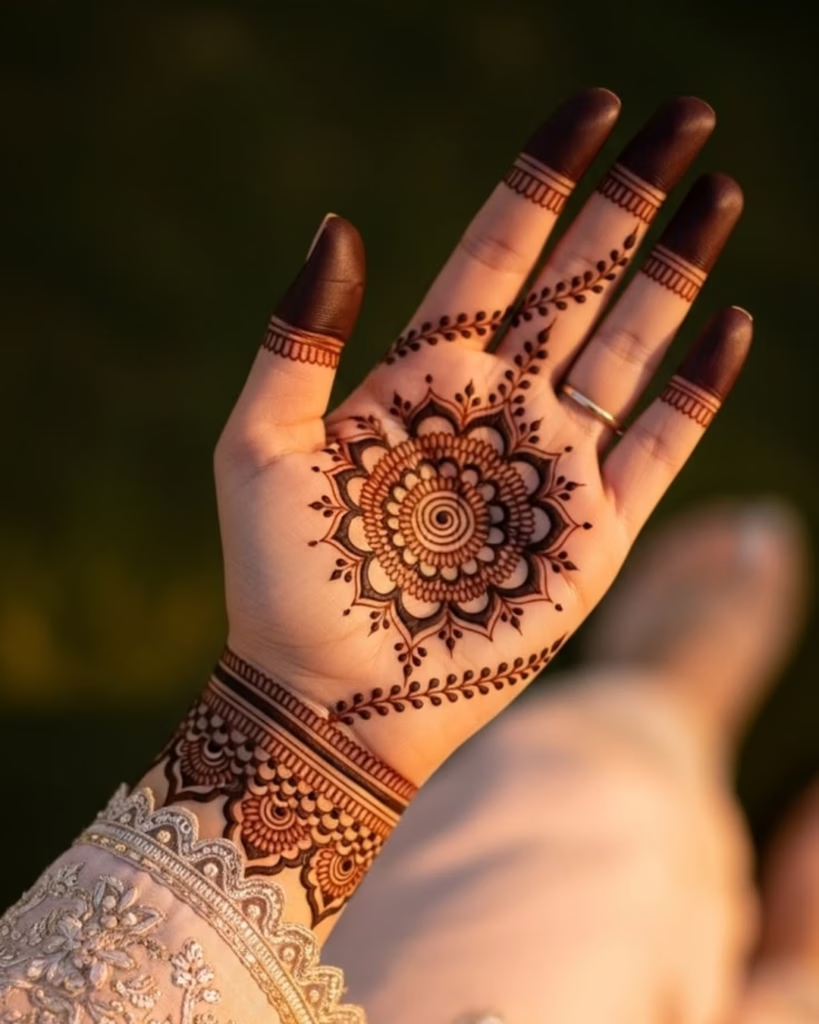
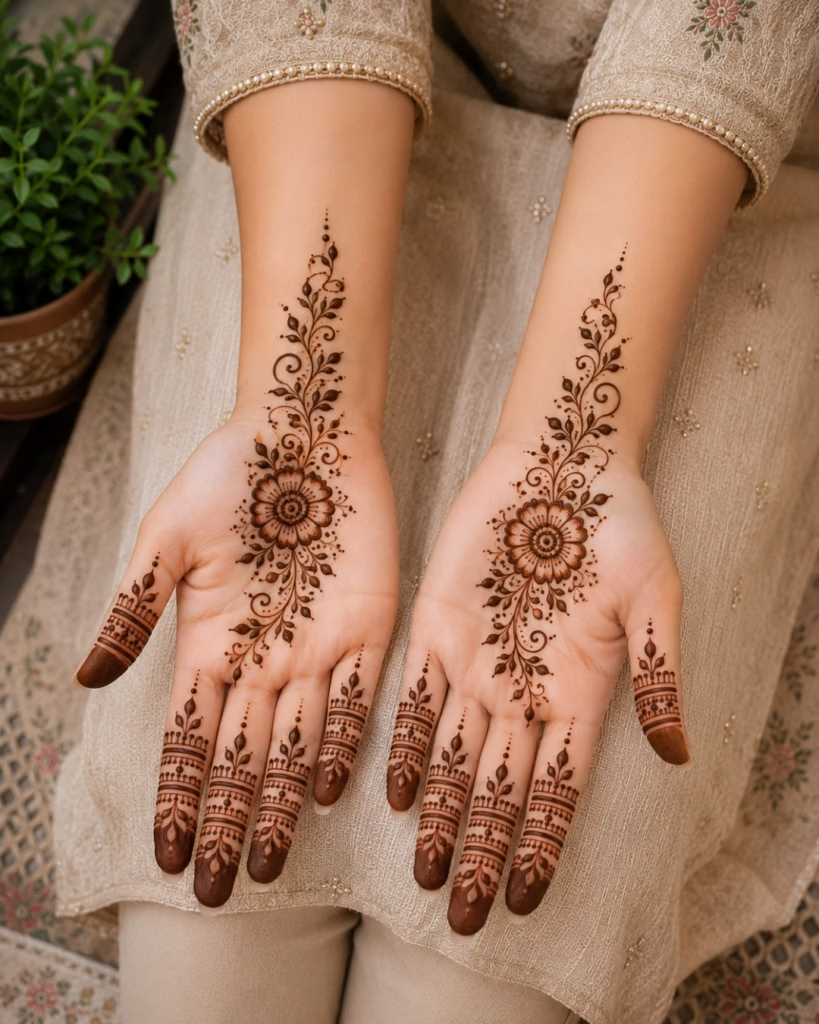
Quick tip: if your function involves lots of photos, invest in the palm. It carries the most visual weight in candid shots.
For the full guide with styles for every hand shape, see our front hand mehndi design guide.
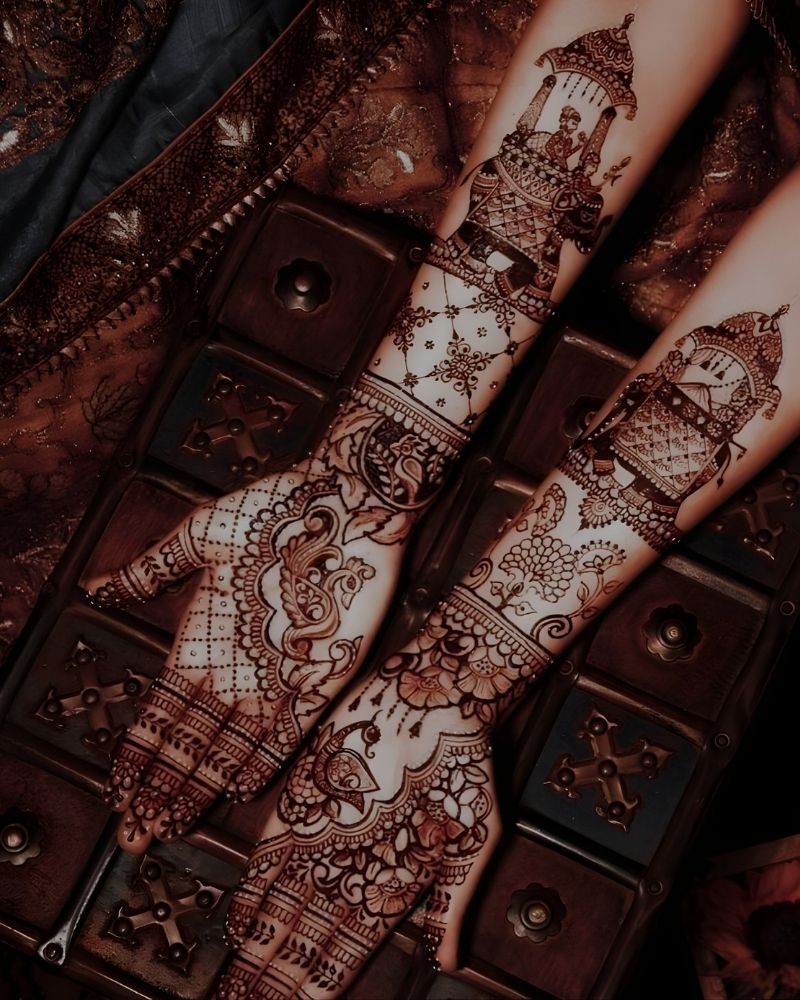
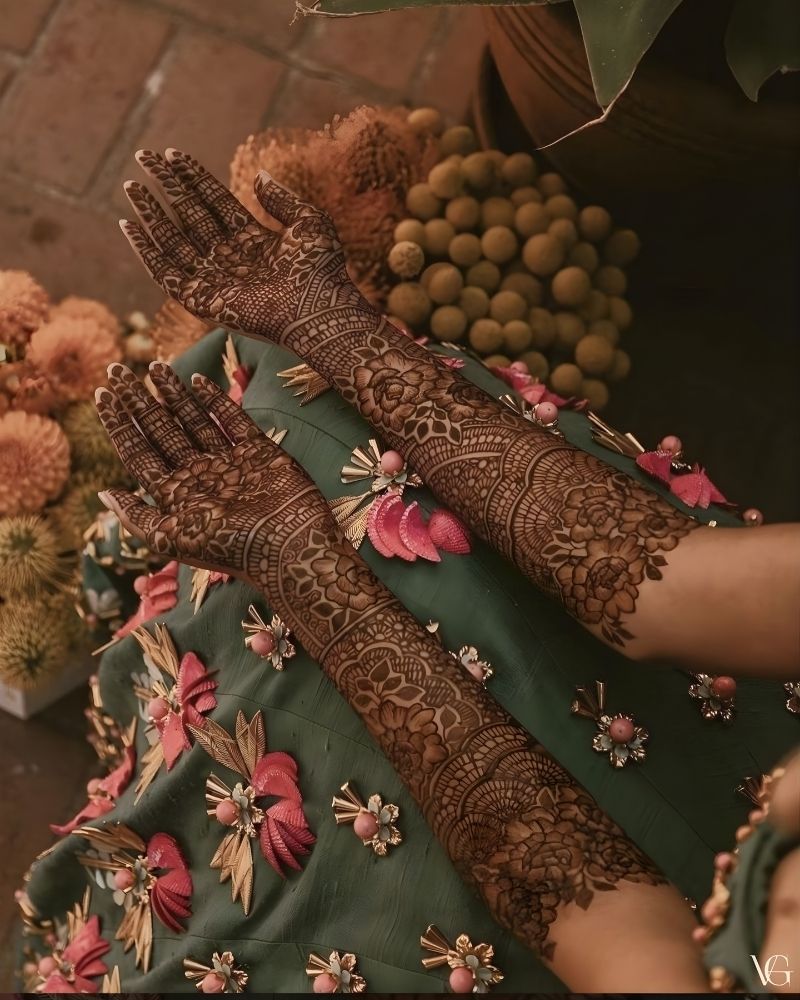
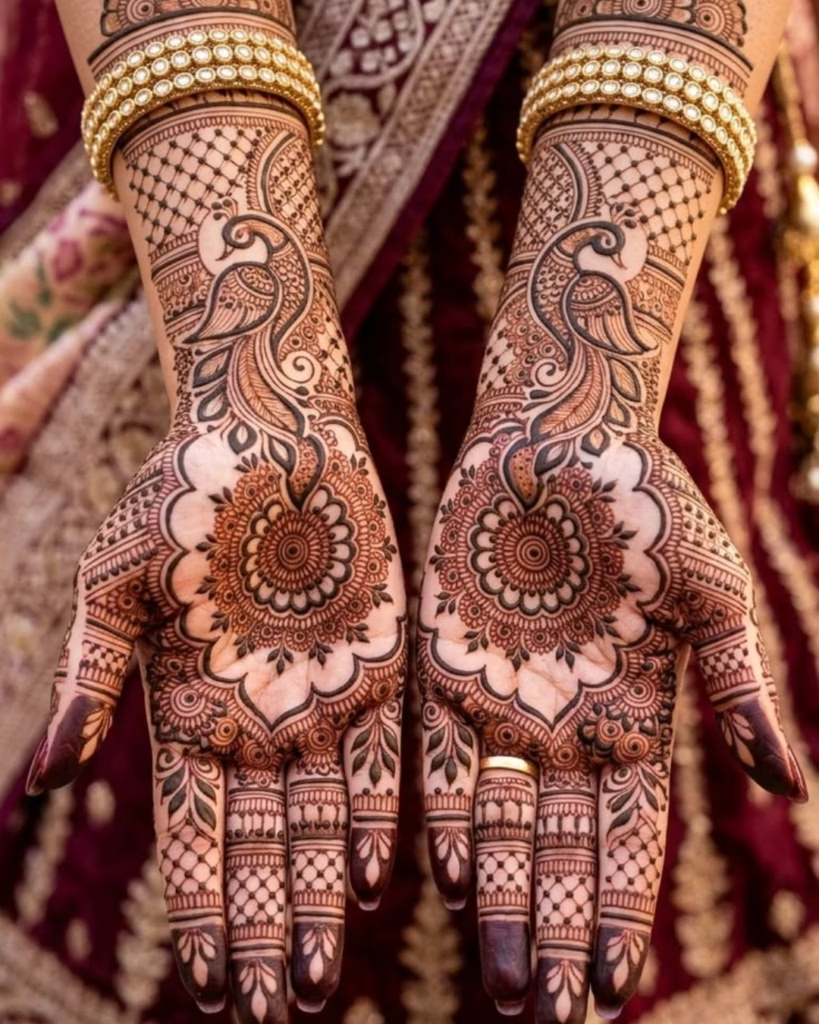
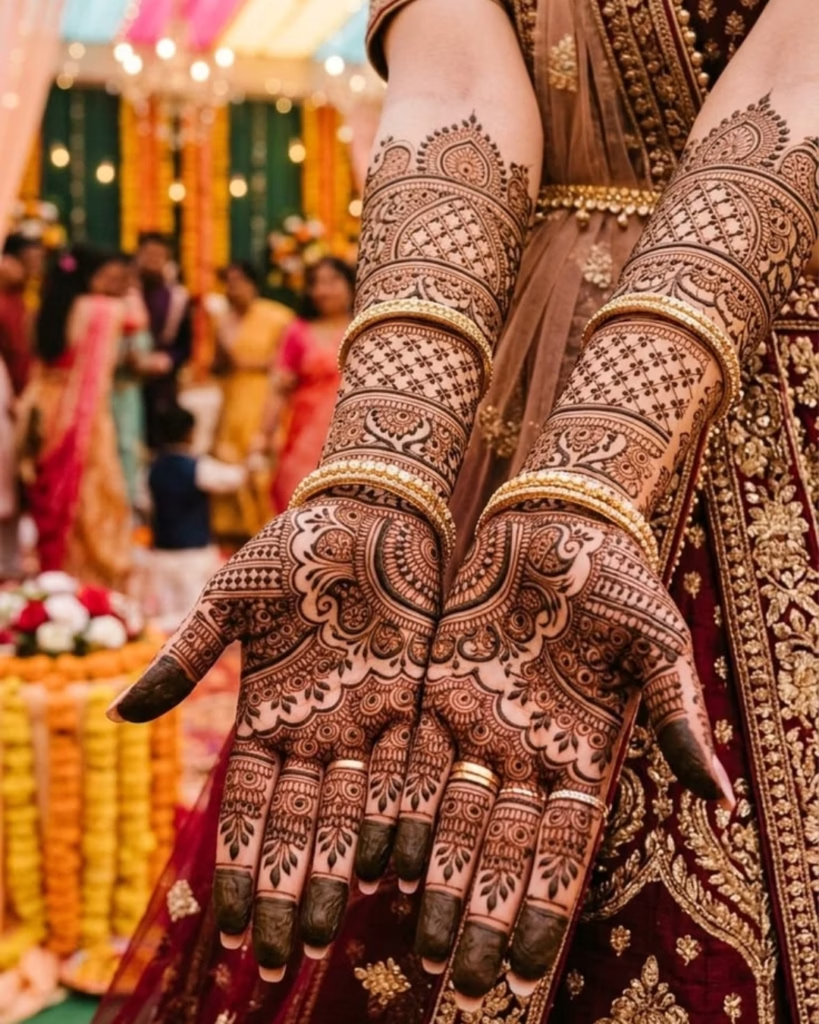
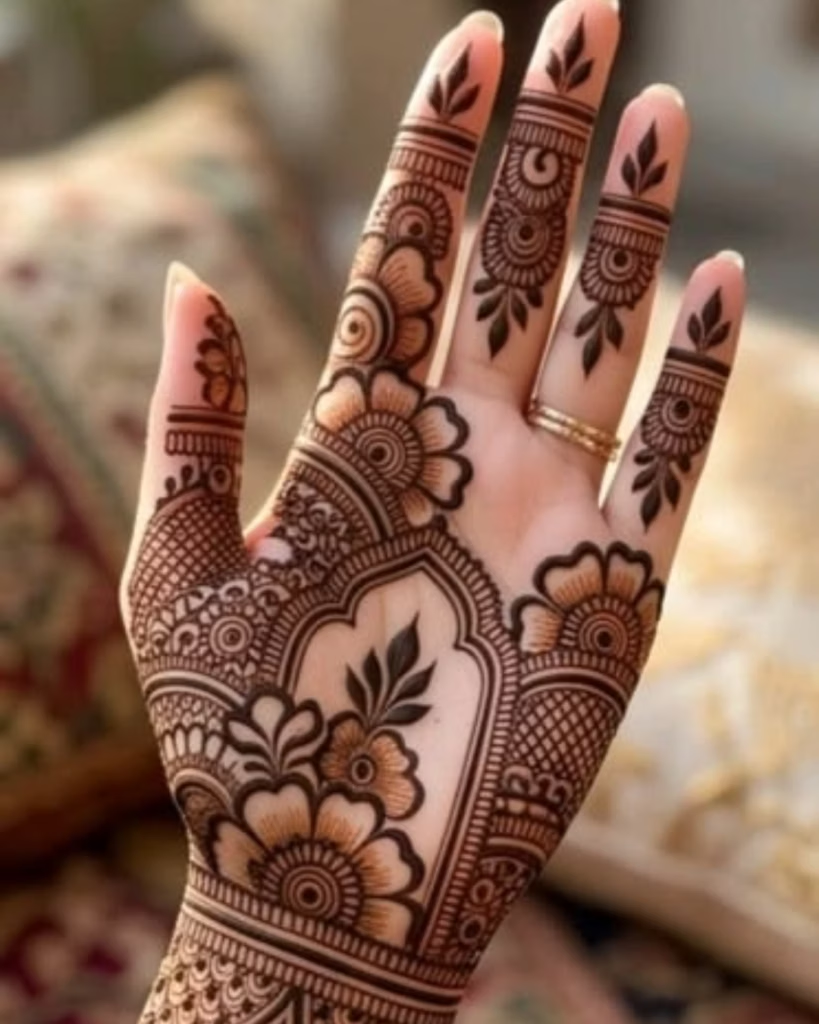
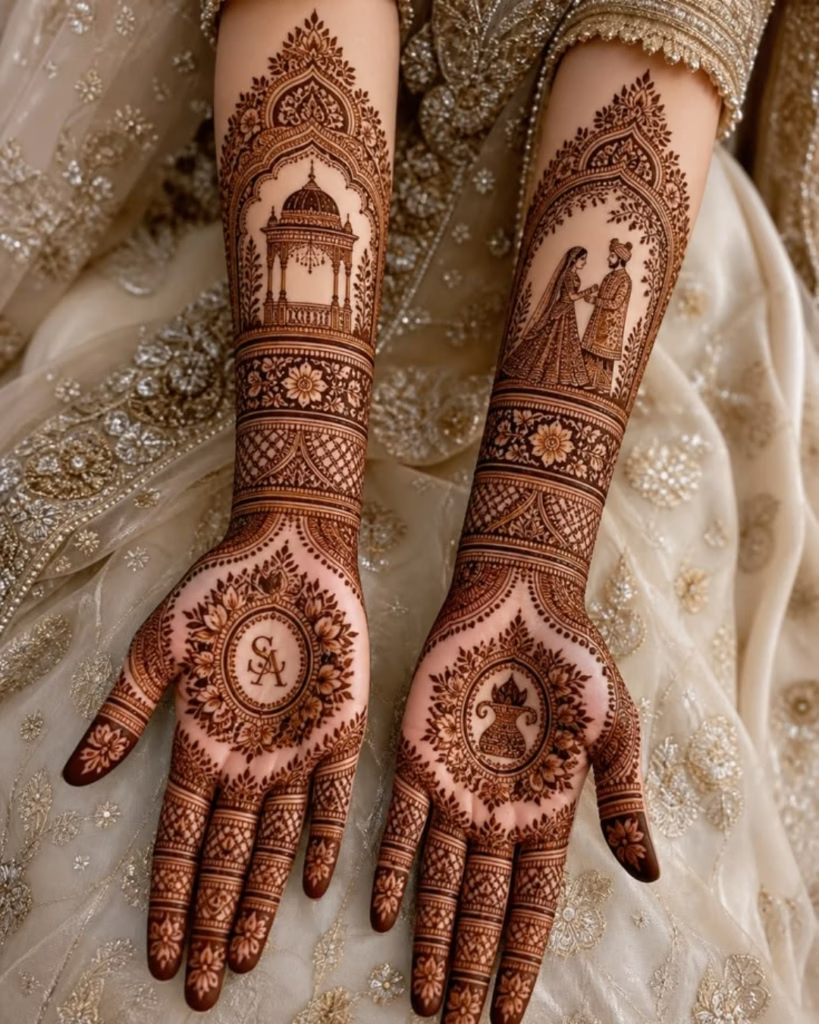
Royal Front Hand & Full Hand Mehndi Designs
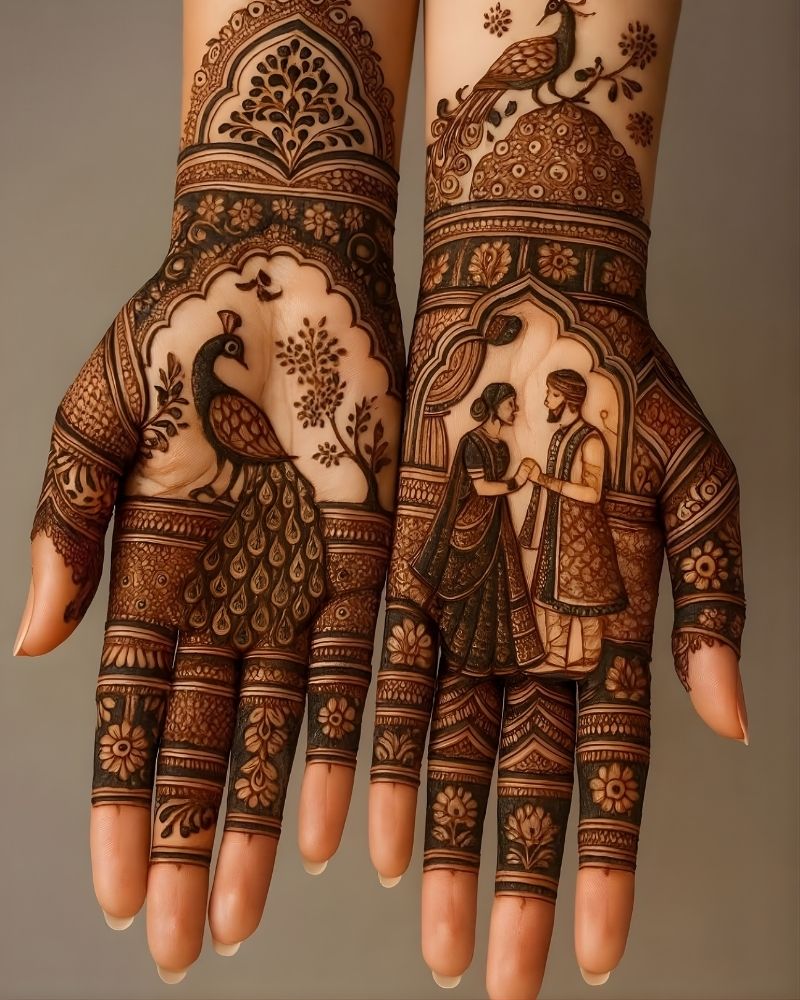
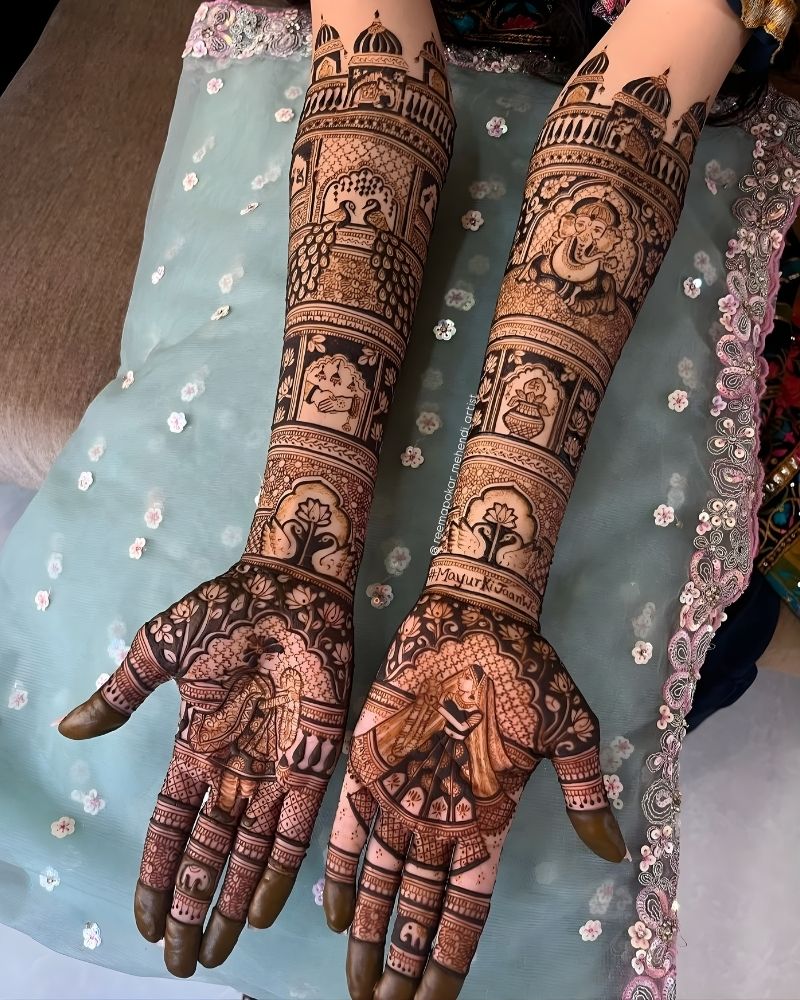
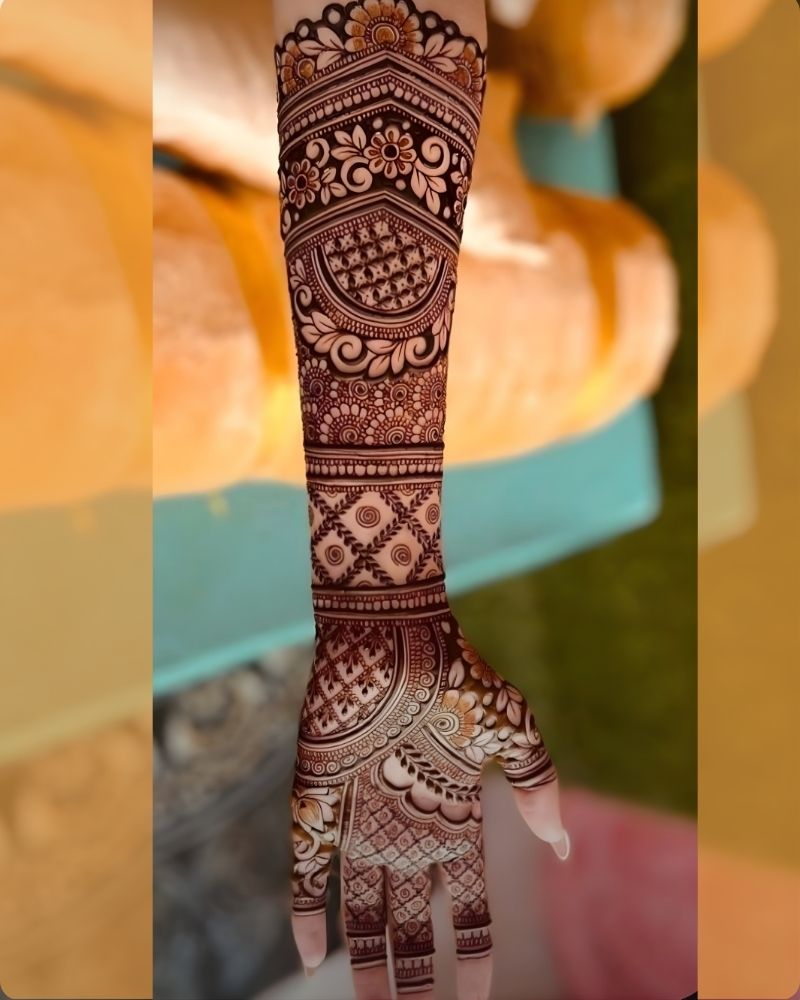
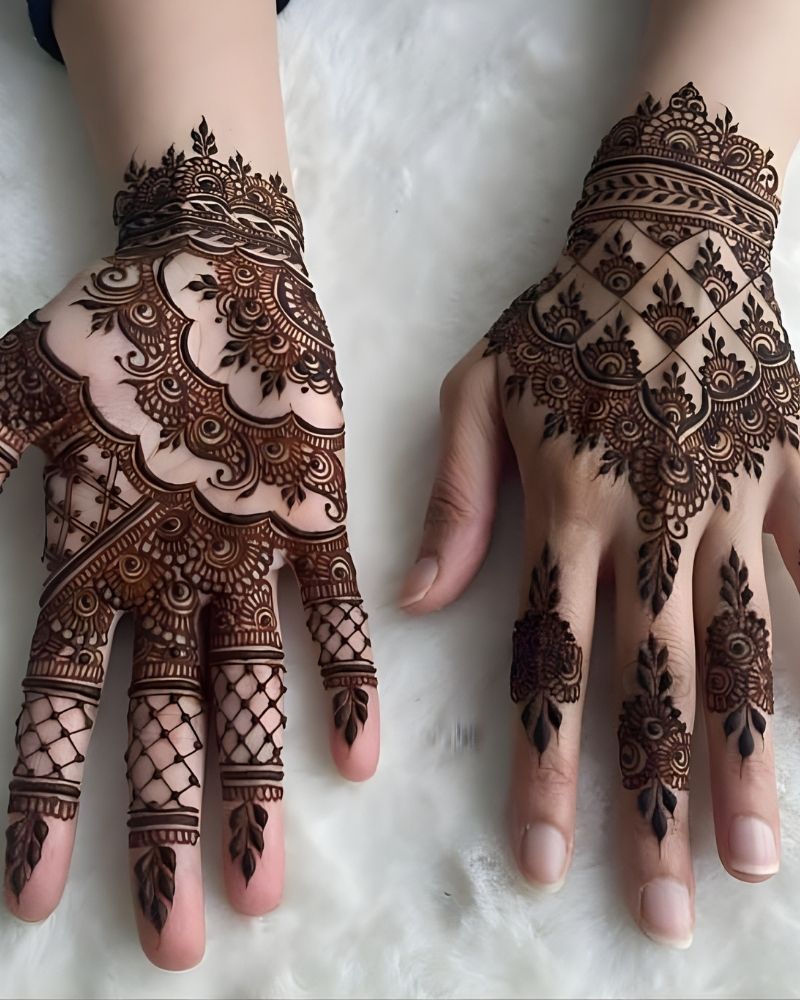
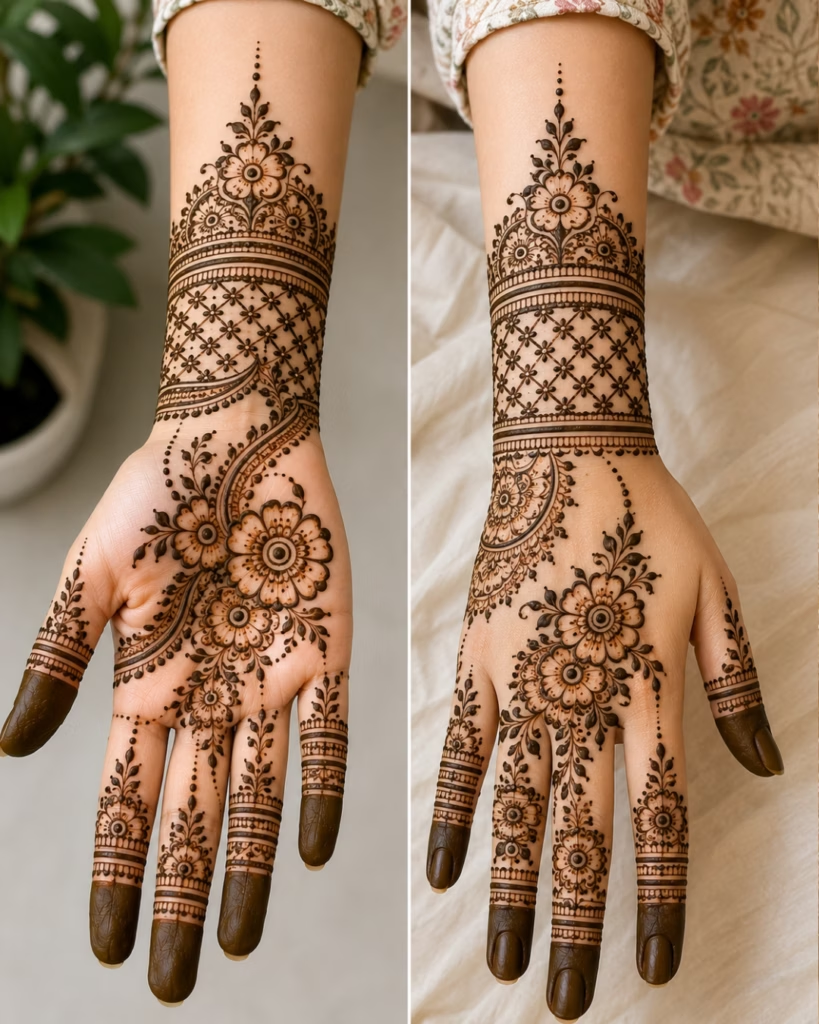
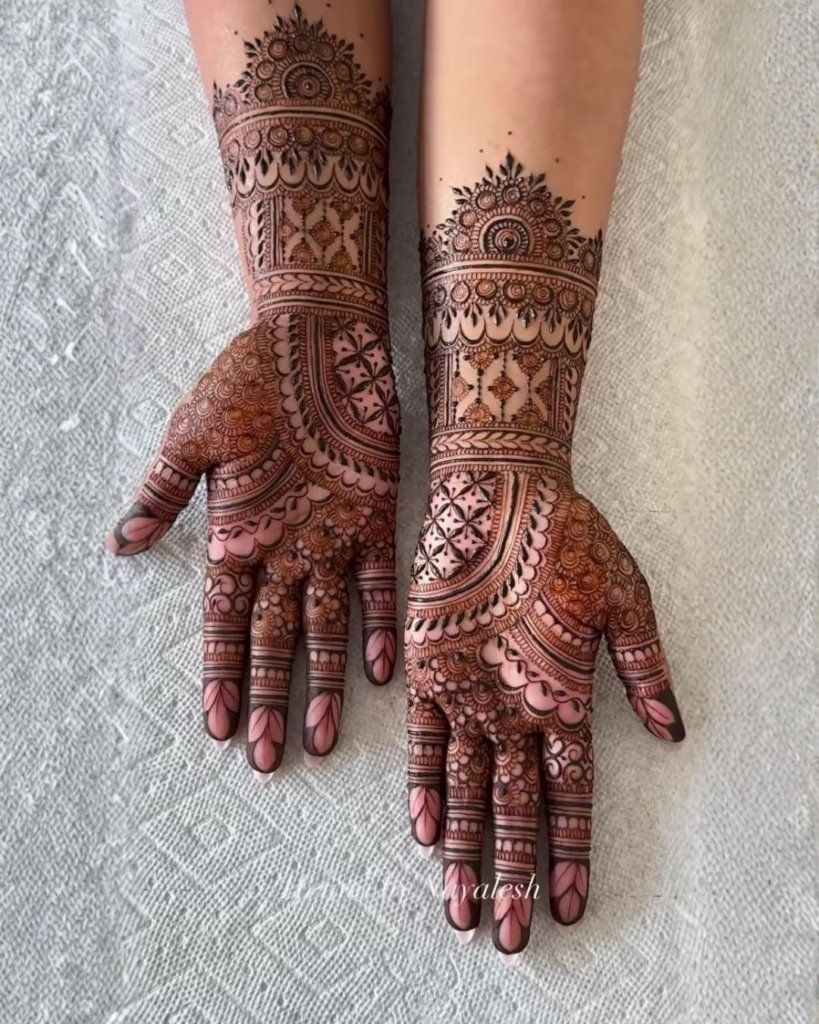
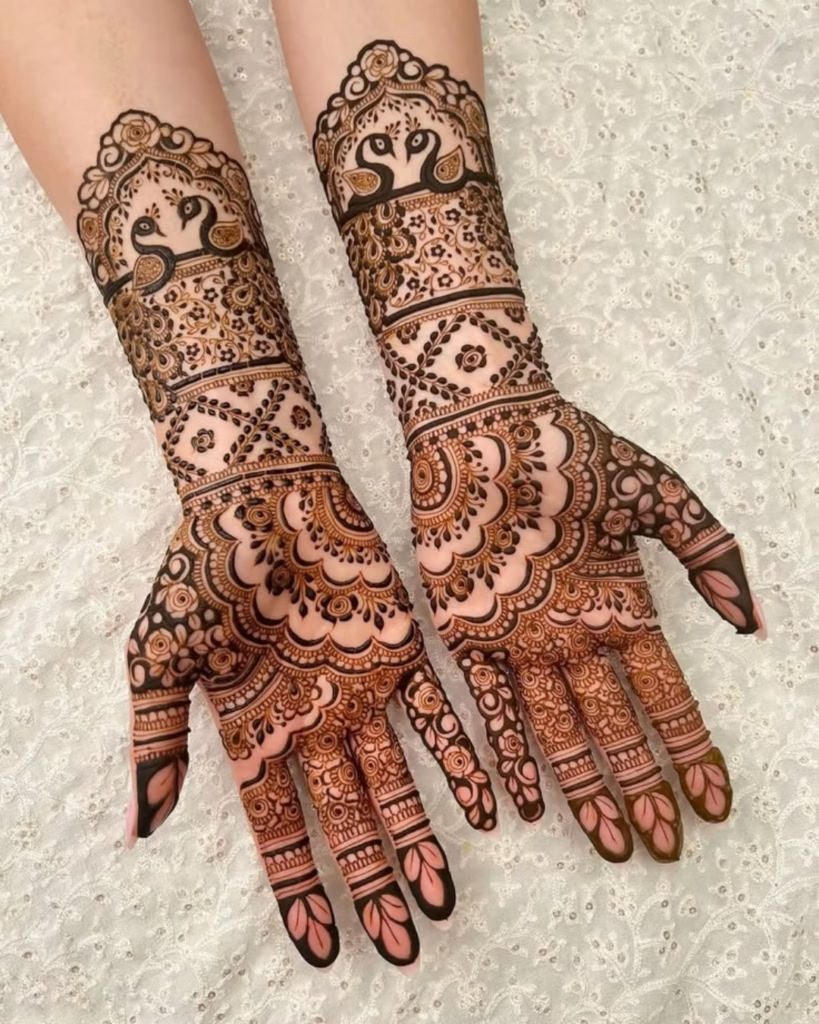
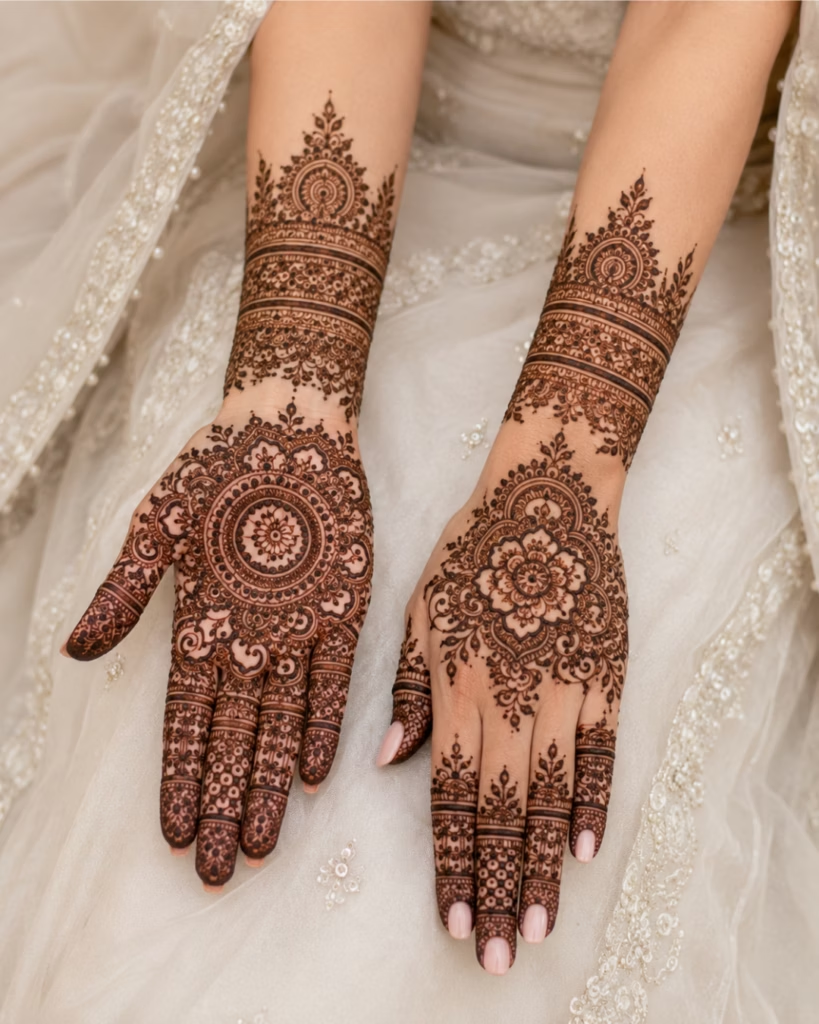
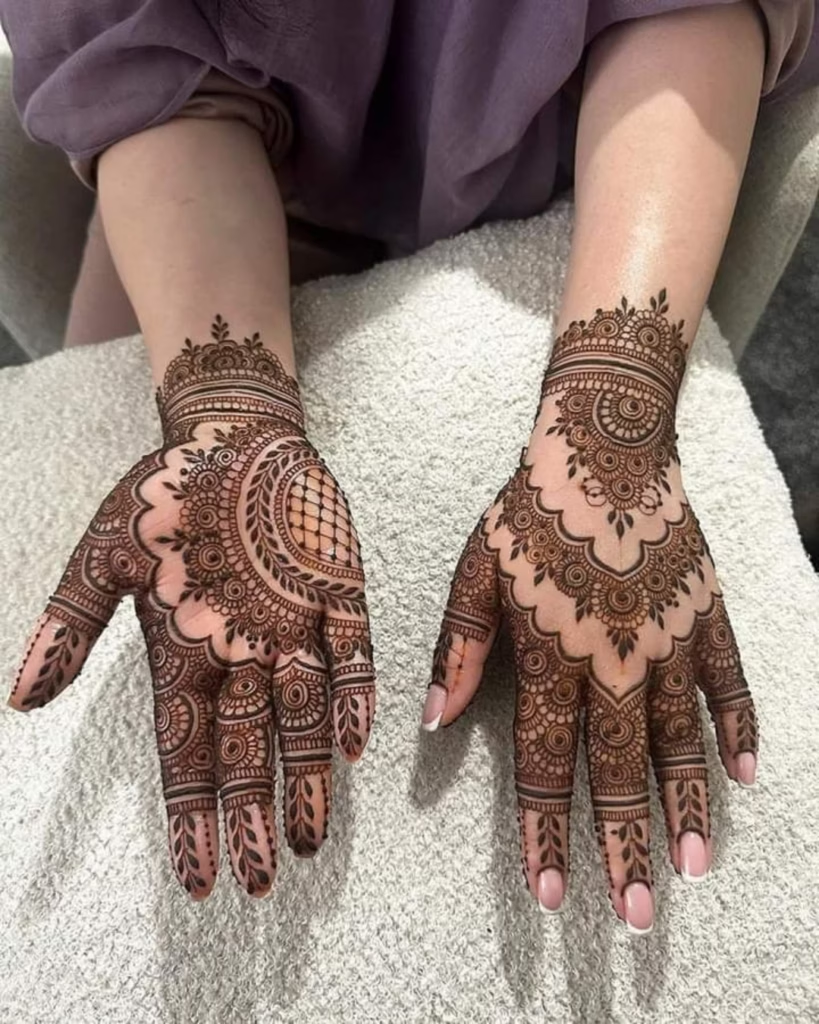
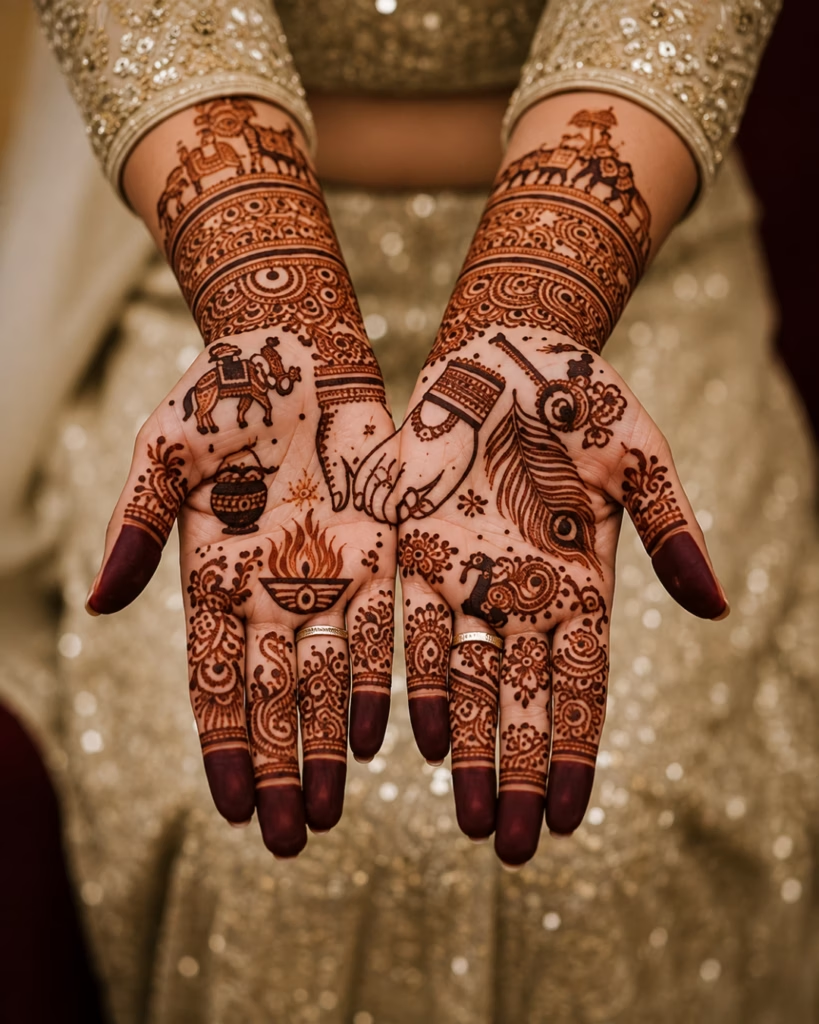
Royal full hand mehndi designs cover the entire palm, fingers and wrist with dense traditional patterns, and are the standard choice for brides at Indian weddings. The 2026 bridal favourite is a mix: a detailed, expressive palm with lighter fingers, which looks rich but stays comfortable through a 10-hour wedding day.
Royal Full Hand Mehndi Design
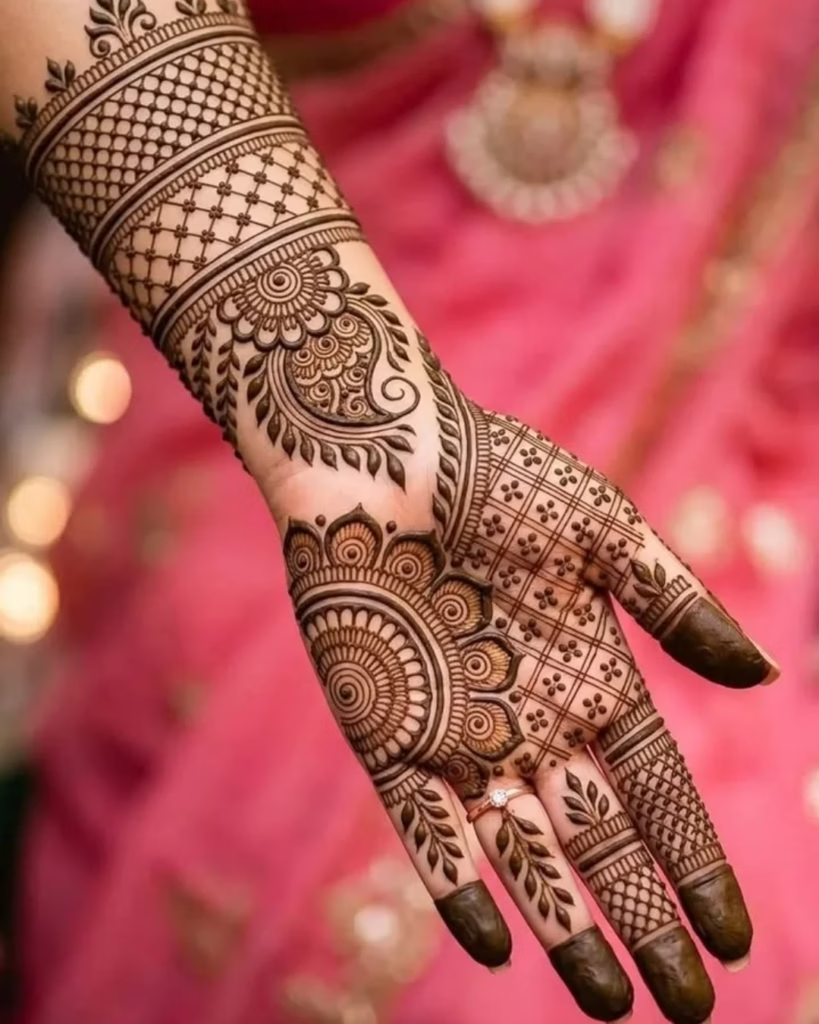
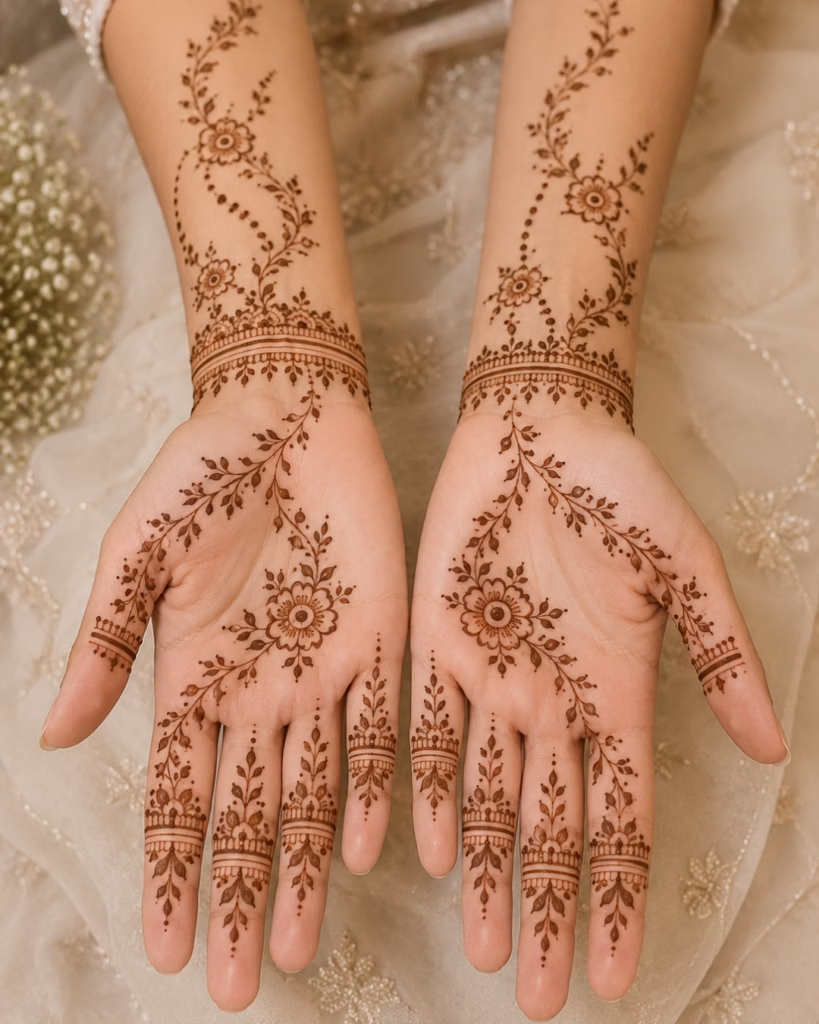
Simple Full Hand Mehndi Design
Simple full hand designs cover the same area with fewer, larger elements, so they finish in about 90 minutes instead of 4 hours.
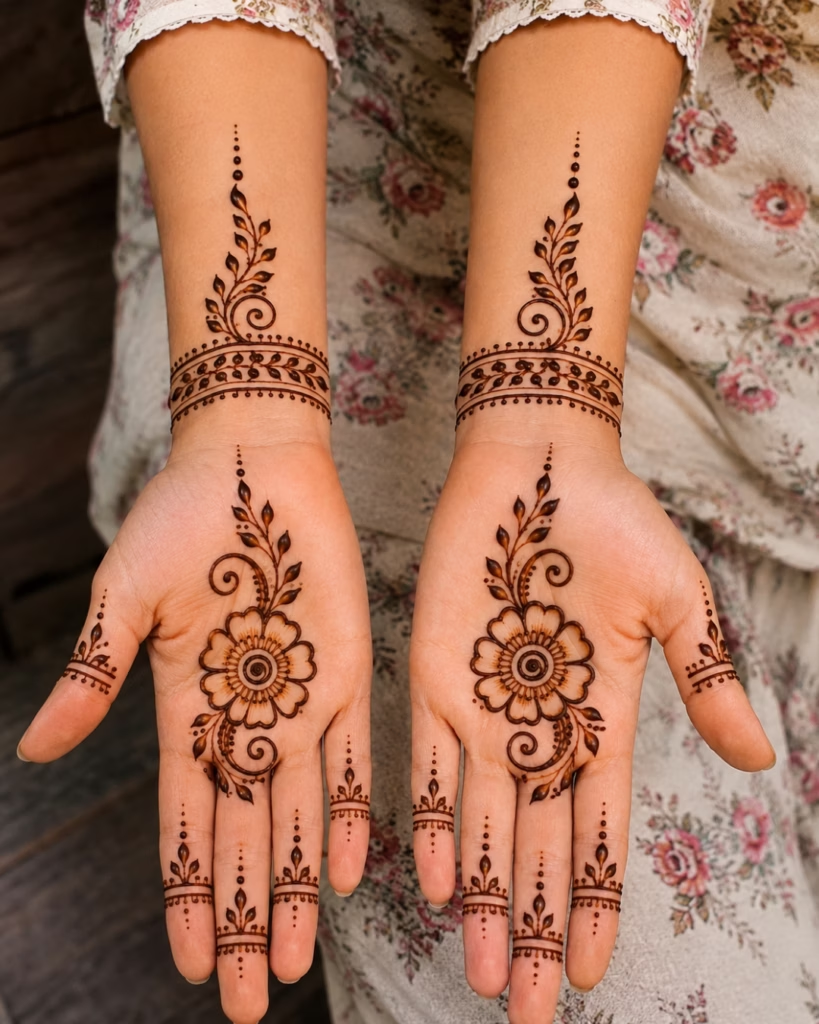
Modern Full Hand Mehndi Design
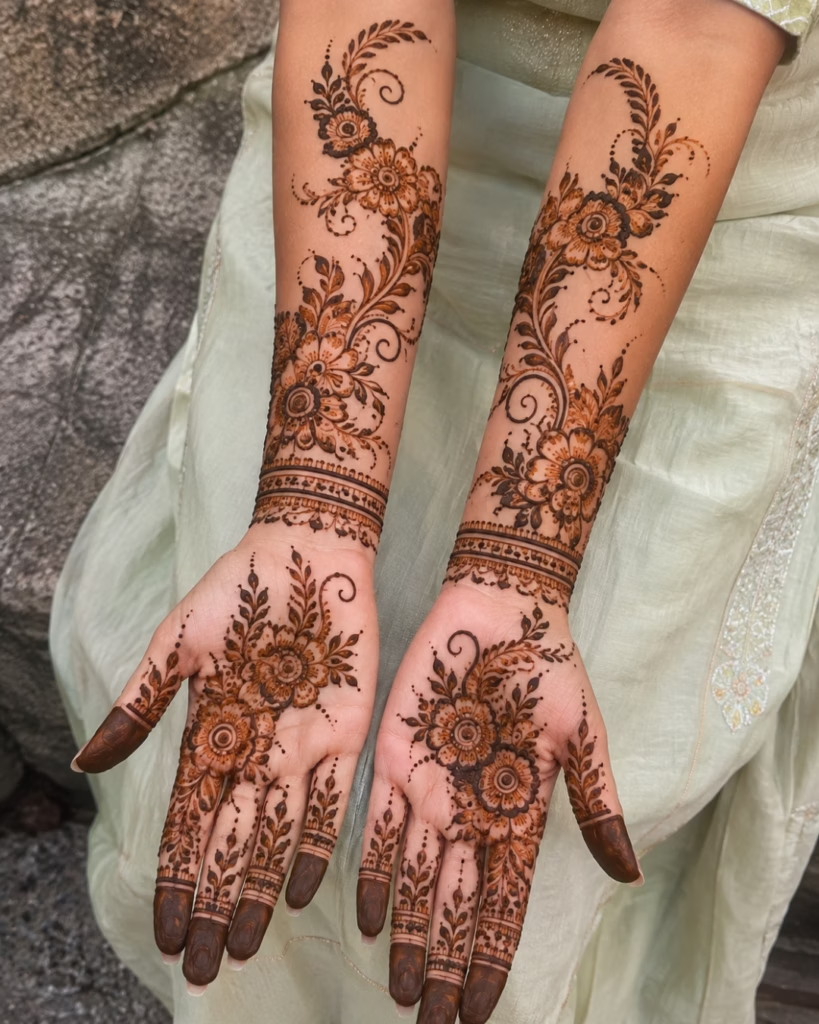
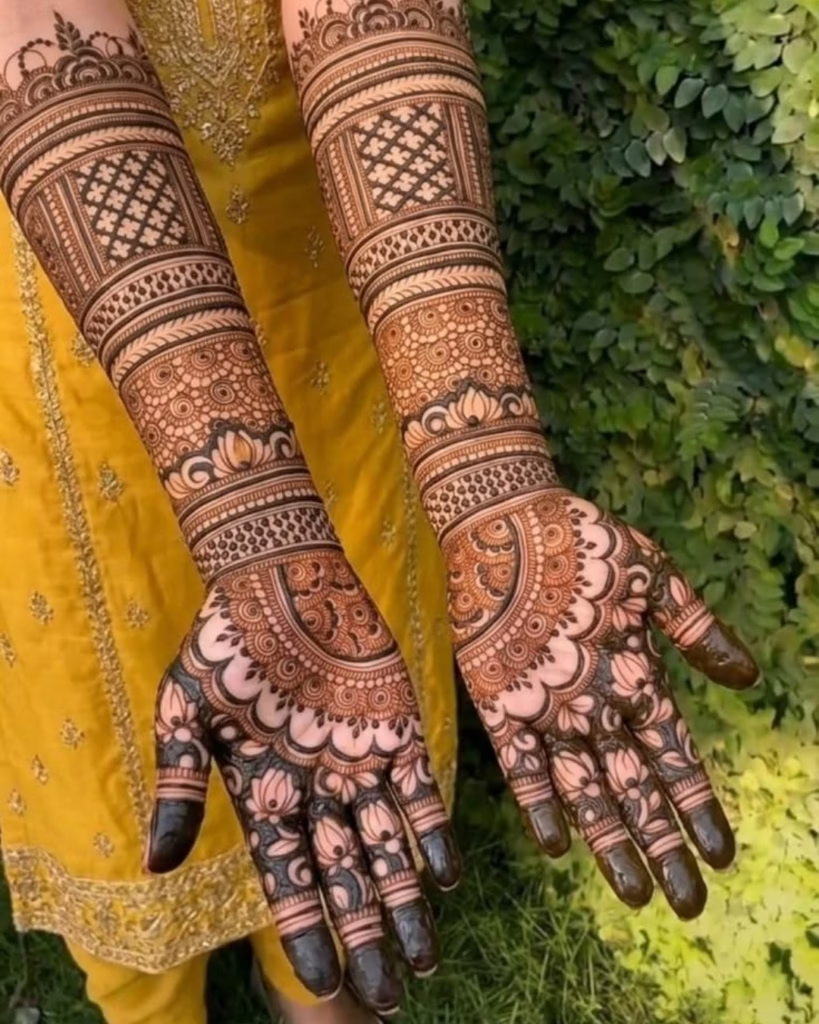
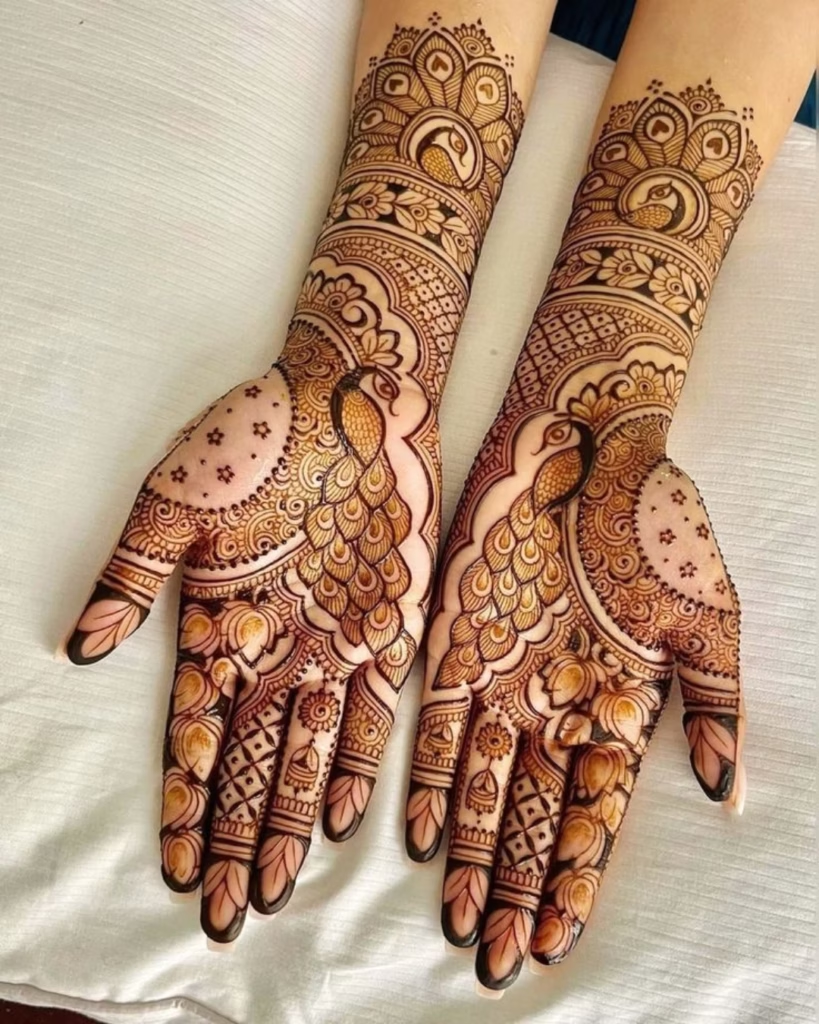
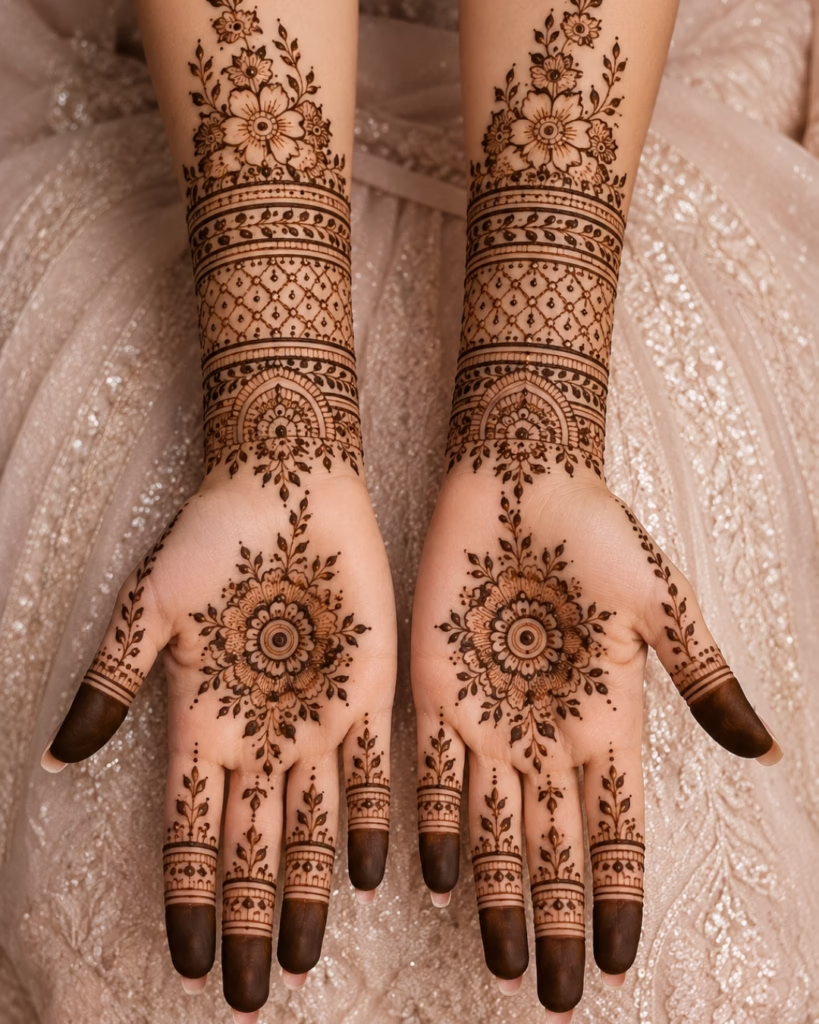
Sitting time: full royal designs take 3 to 5 hours. If that is too long, Arabic-style bridal designs finish in 90 to 120 minutes and still look bridal.
For 50+ full dulhan, royal and engagement styles, see our bridal mehndi design 2026 guide. Want your love story in the design itself? Explore personalized bridal mehndi designs.
Back Hand Mehndi Design (A Modern Favourite)
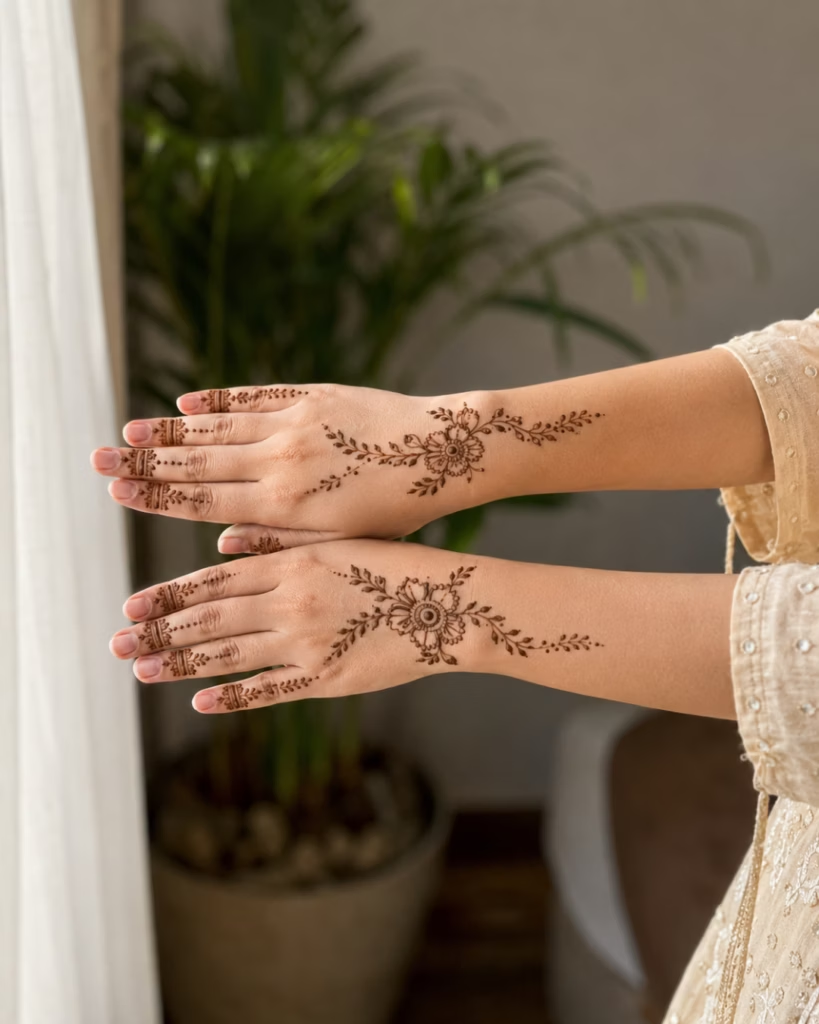
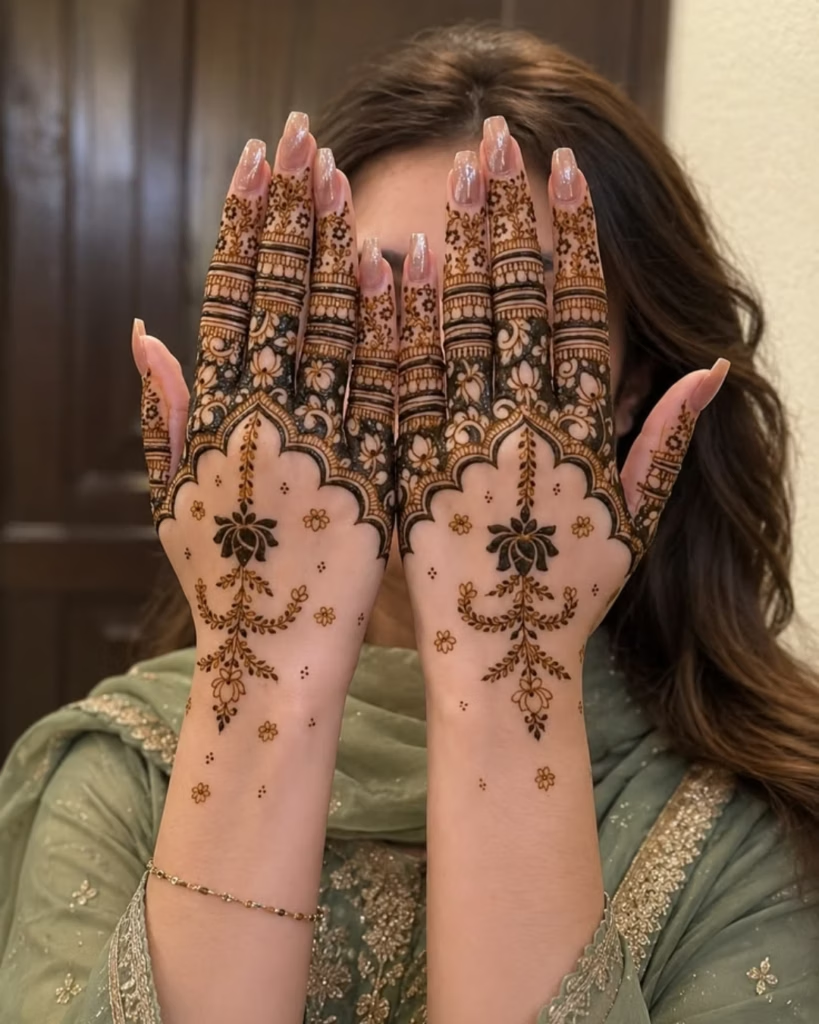
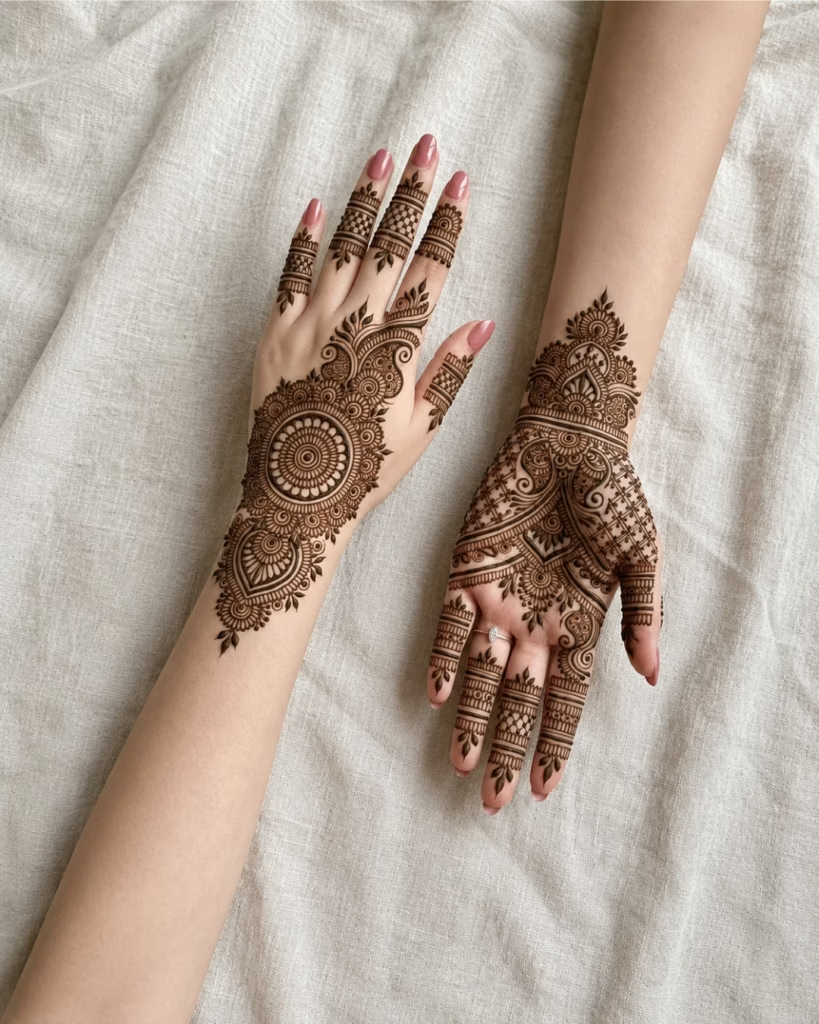
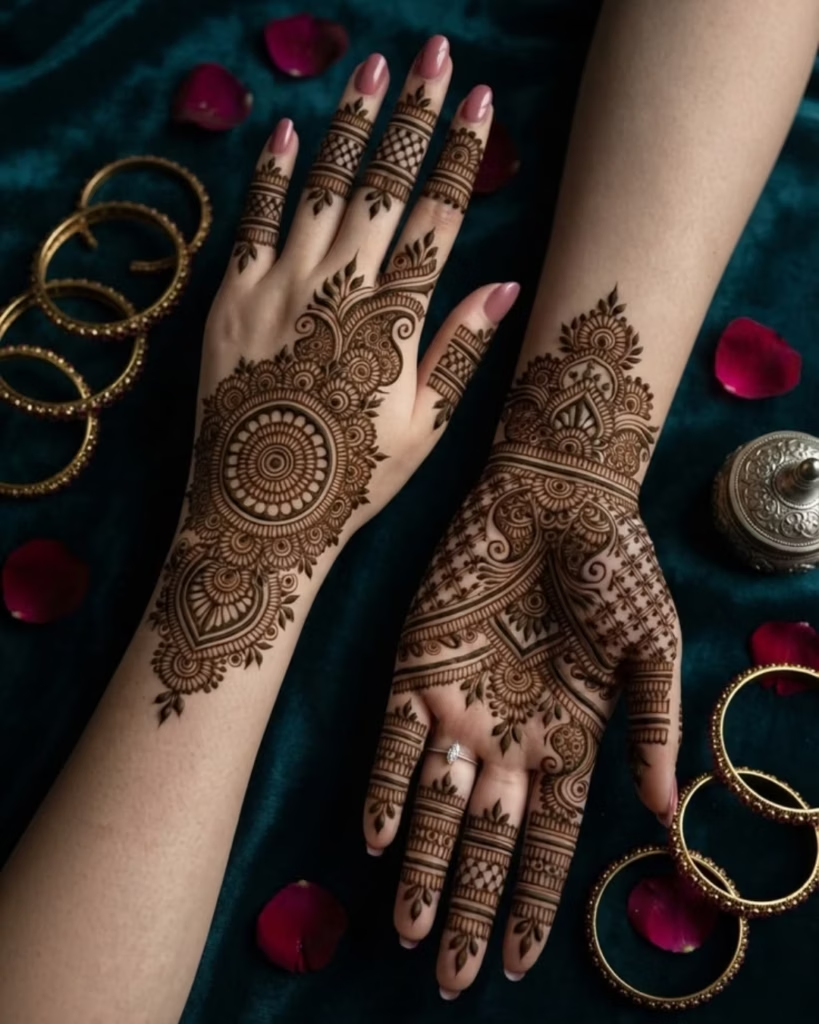
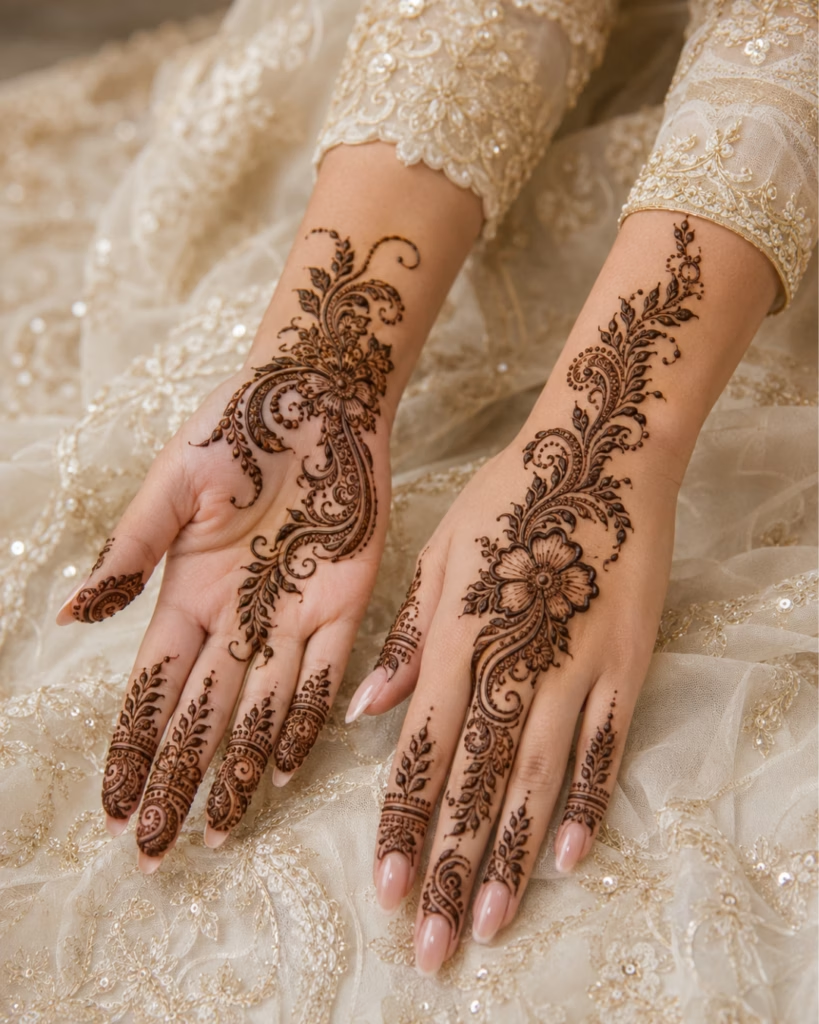
Back hand mehndi designs decorate the back of the hand instead of the palm, and are the fastest-growing mehndi trend of 2026, especially for destination weddings and outdoor functions. They photograph beautifully in natural light, feel lighter than full hand designs, and suit bridesmaids, family members and minimal-loving brides.
Simple Back Hand Mehndi Design
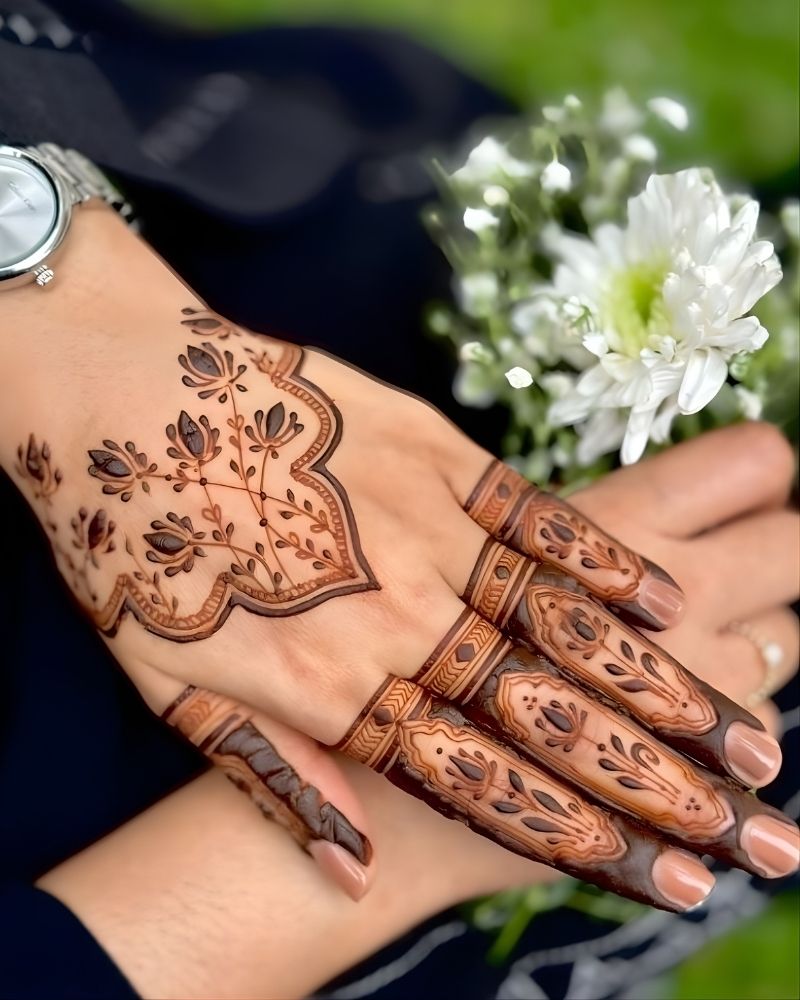
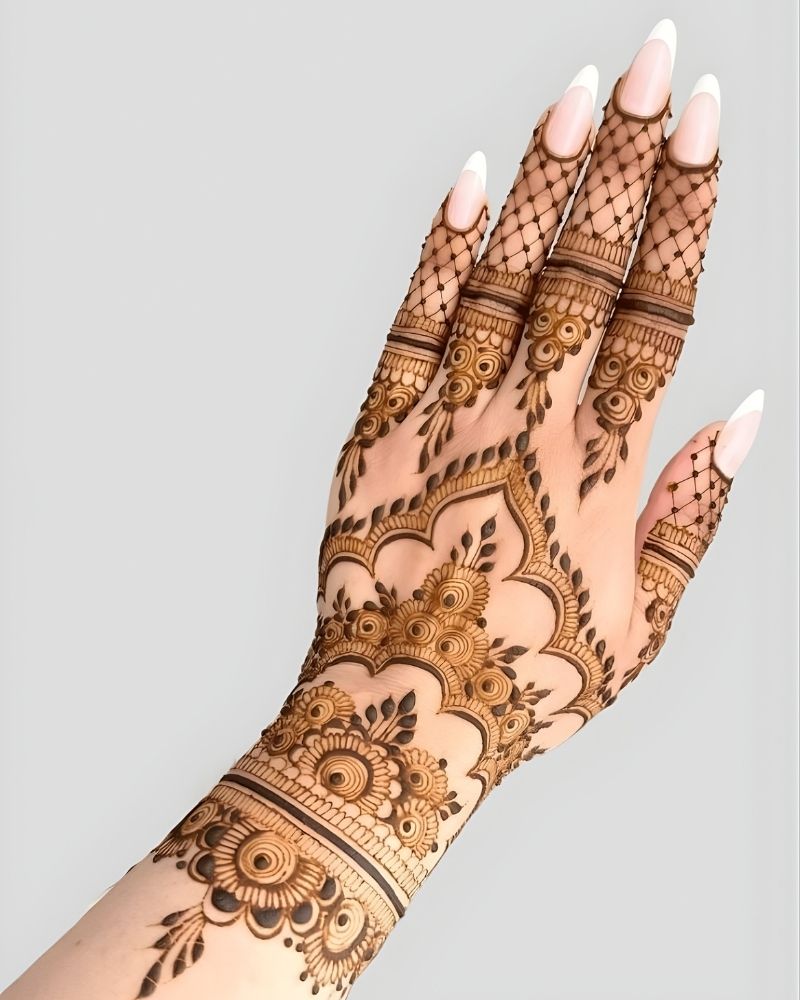
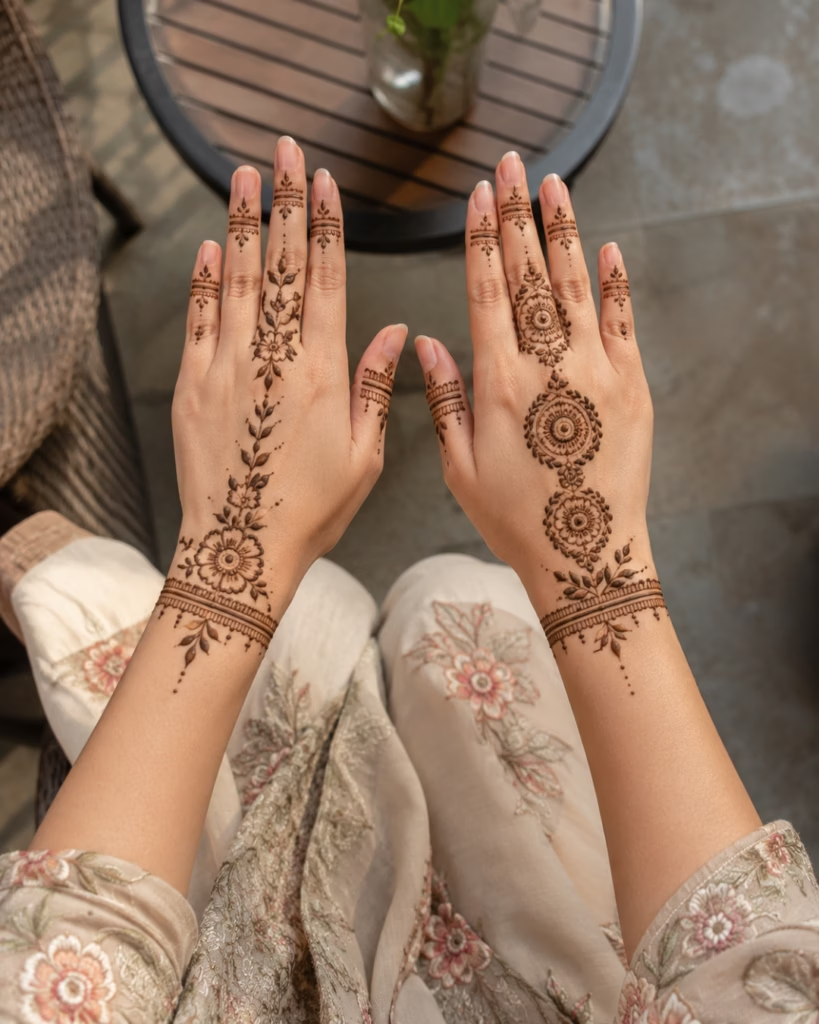
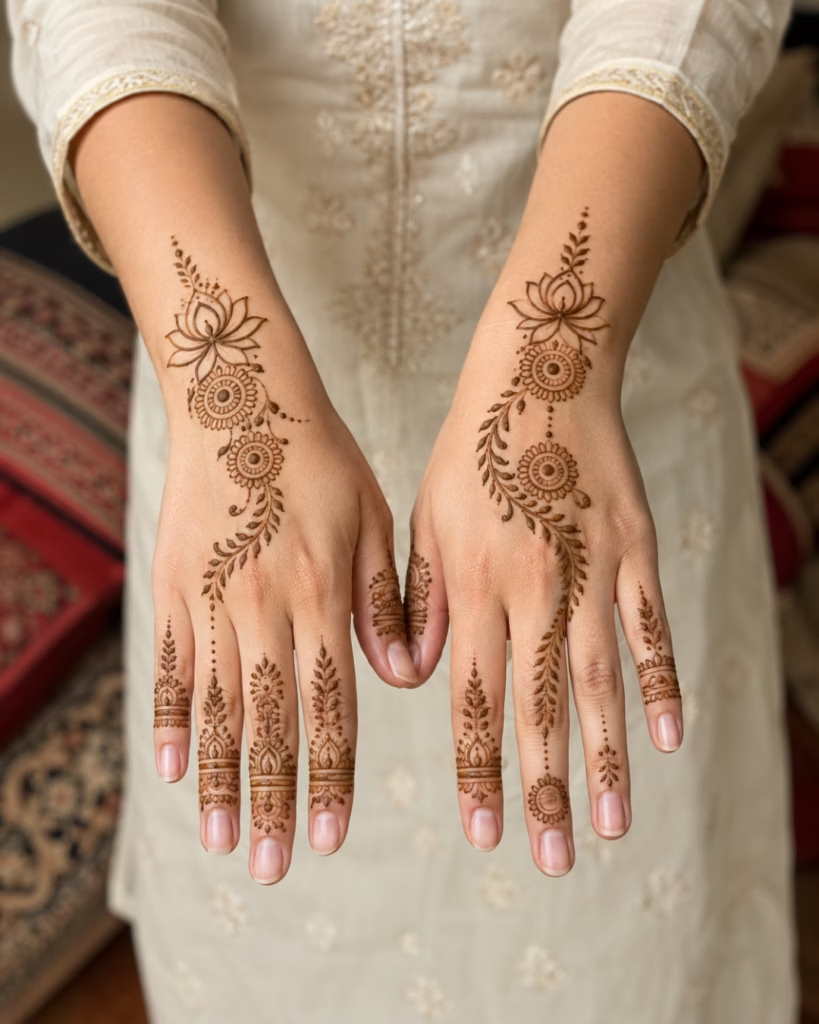
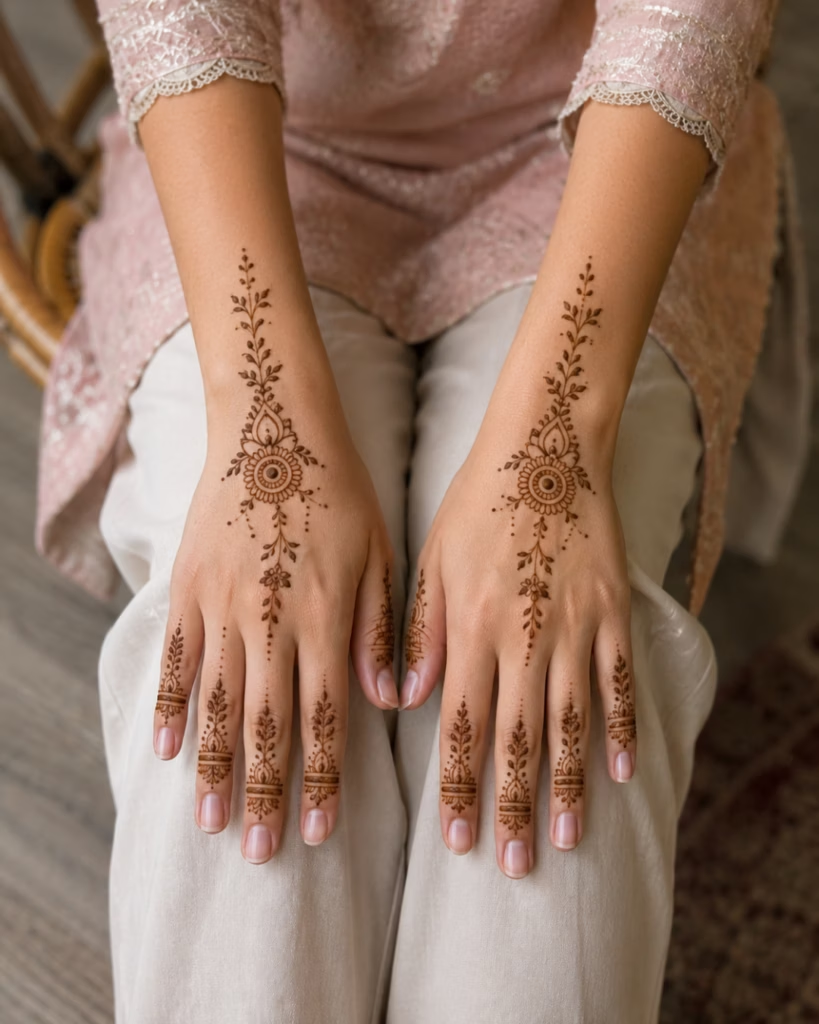
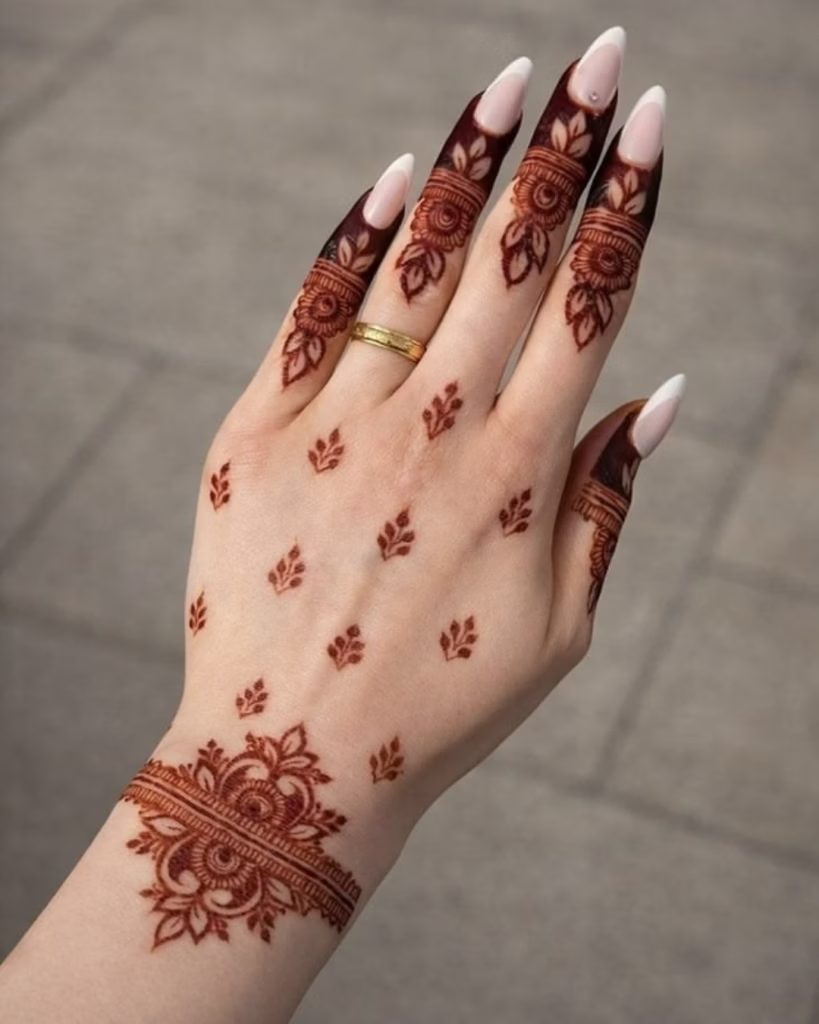
Stylish Back Hand Mehndi Design
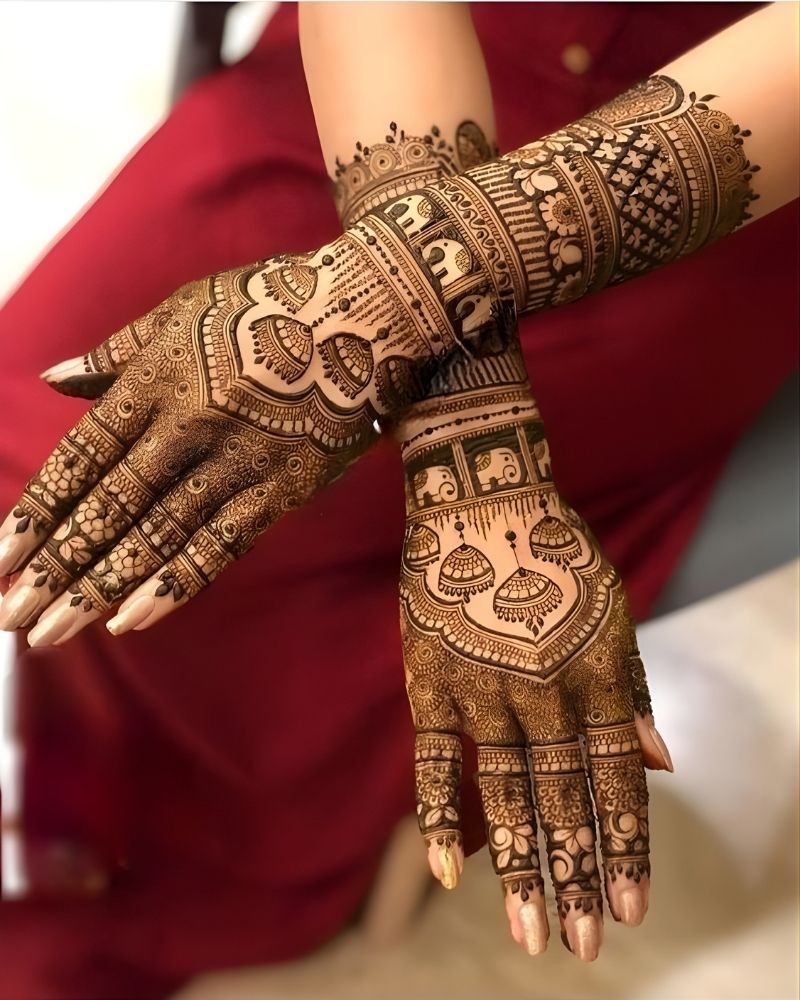
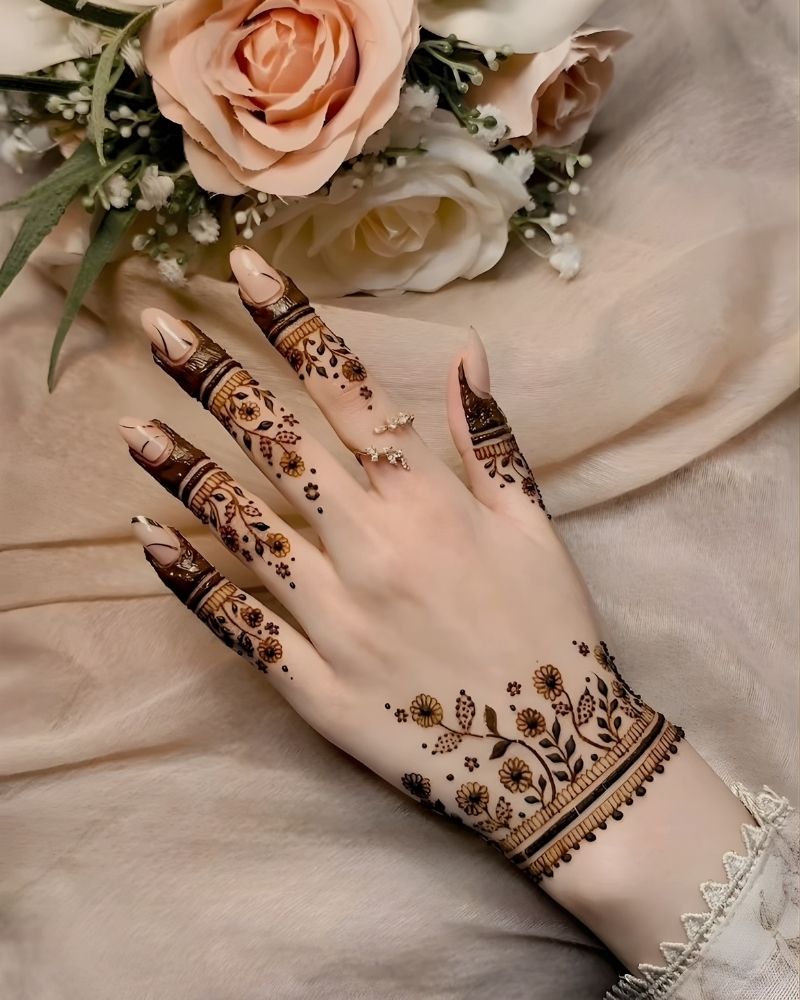
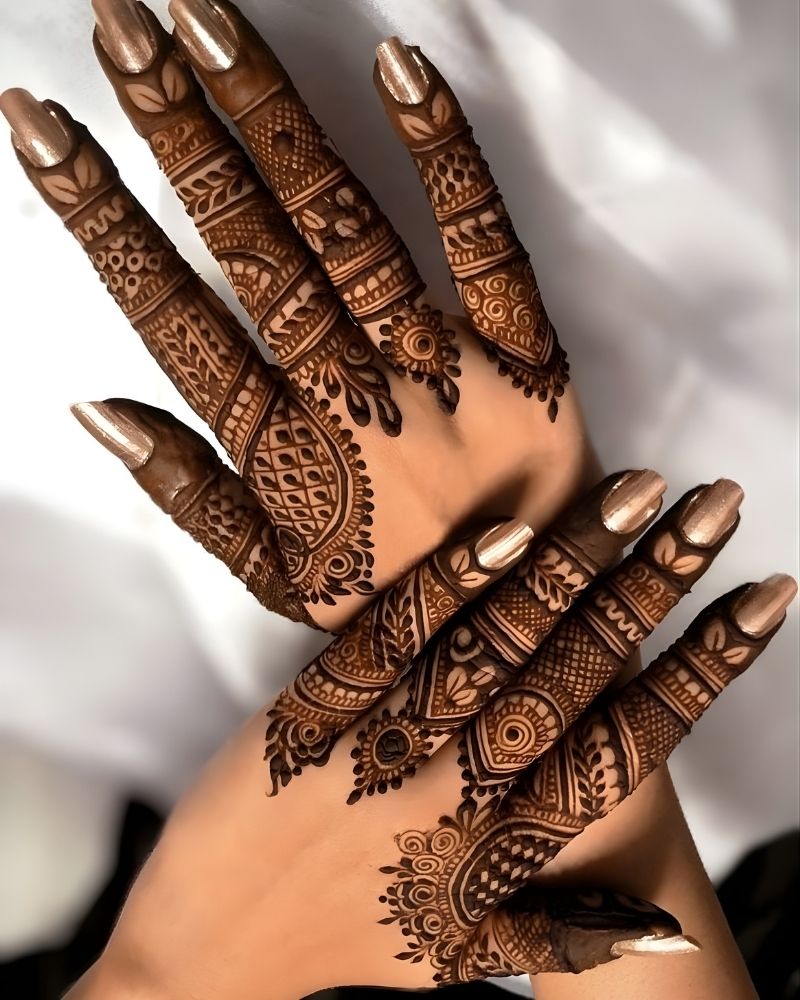
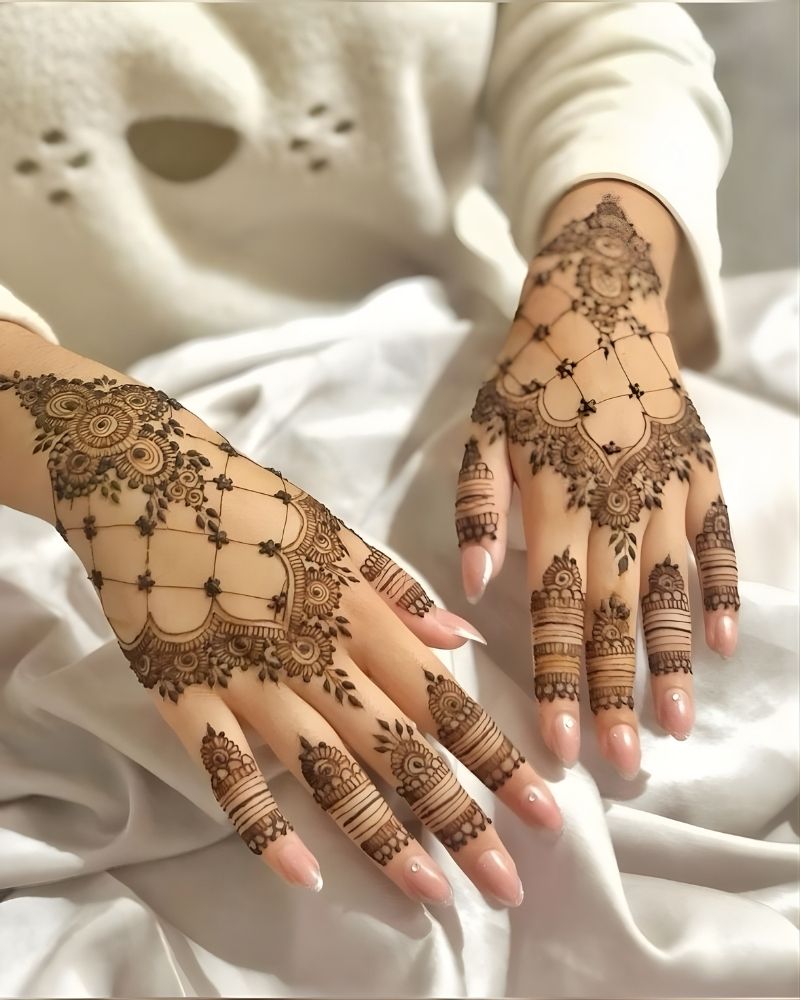
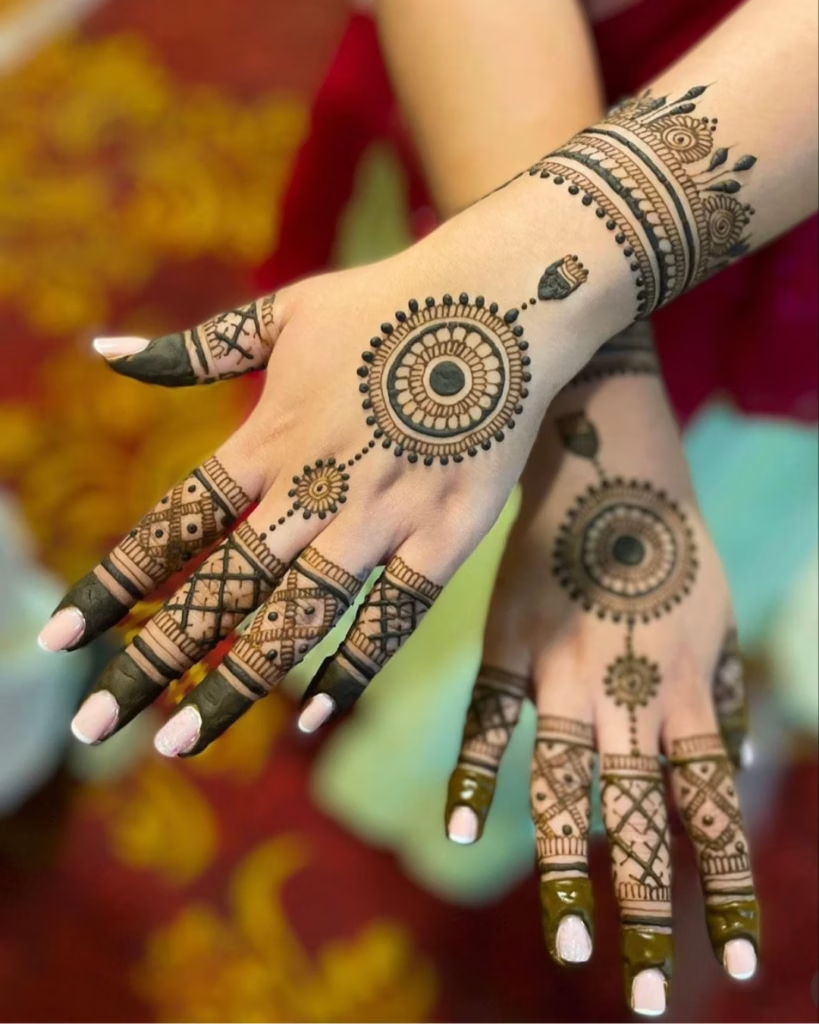
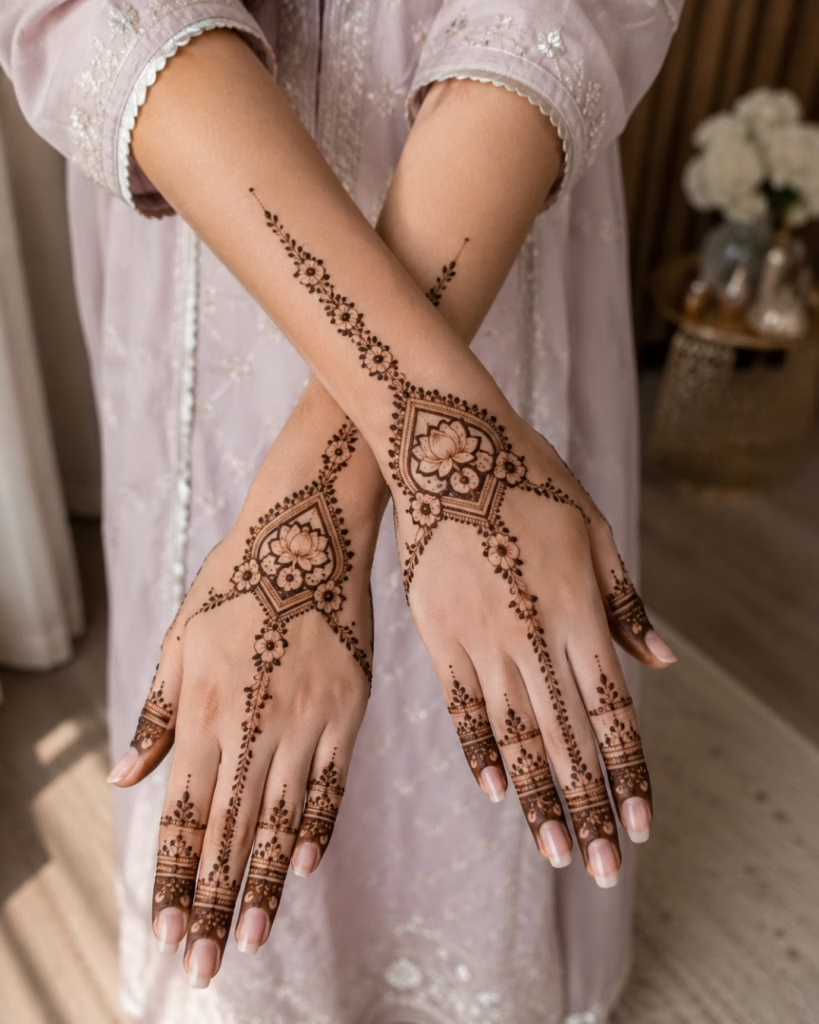
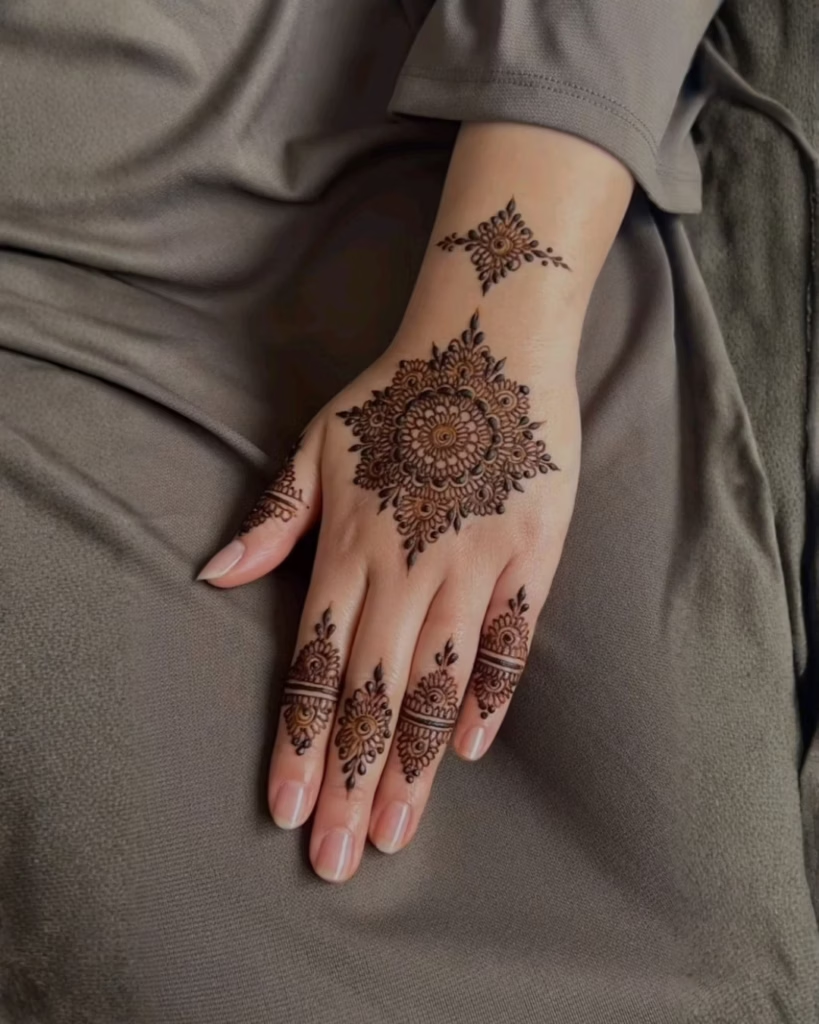
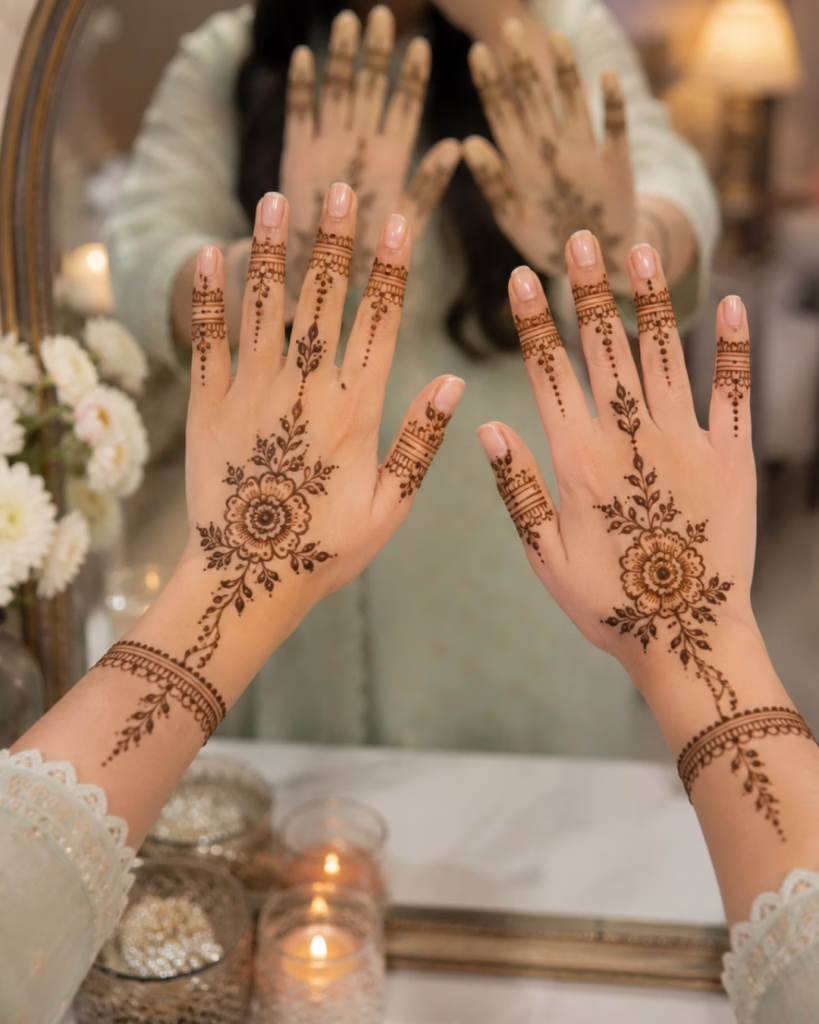
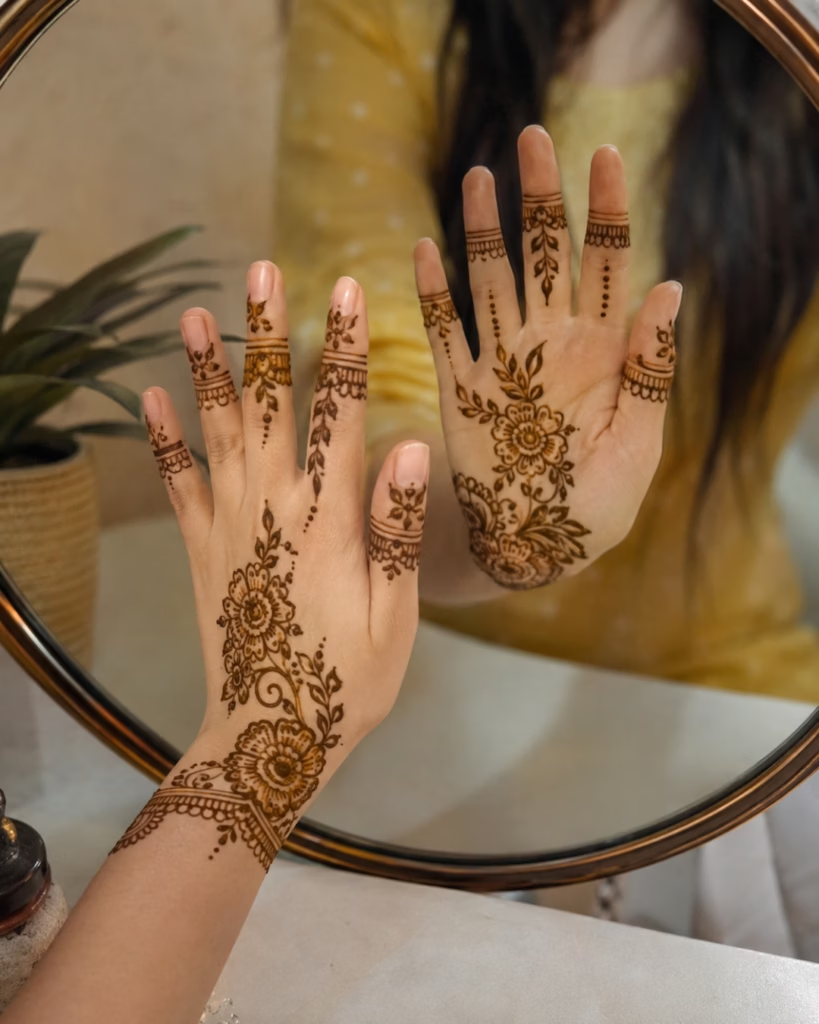
Arabic Back Hand Mehndi Design
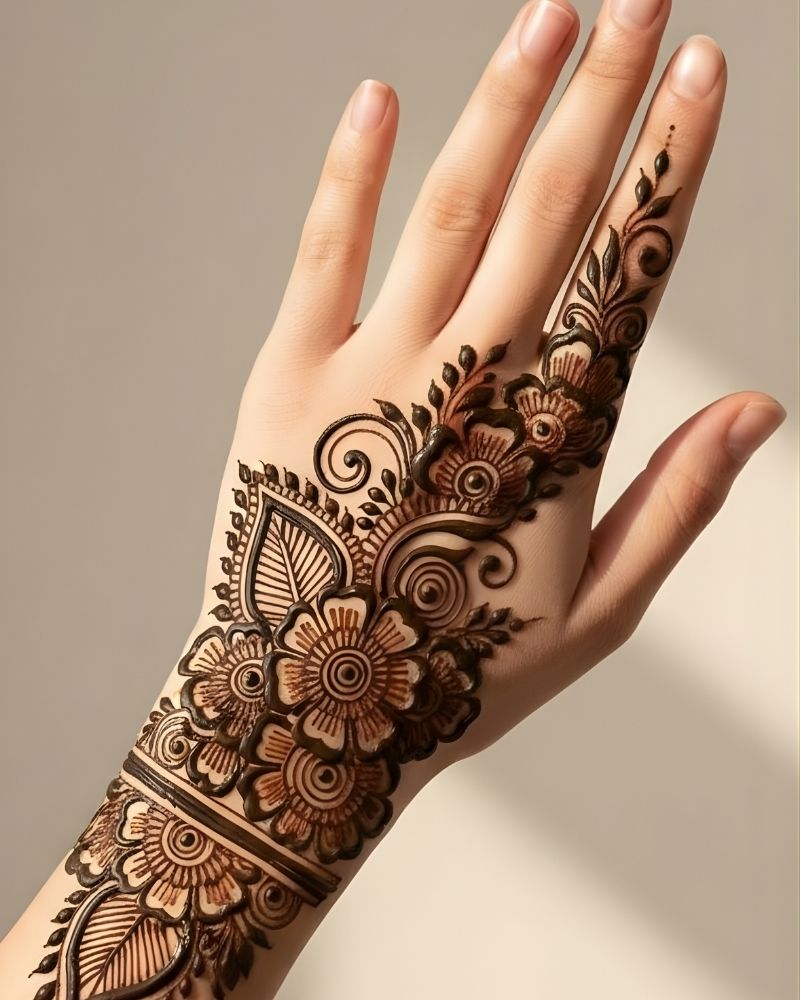
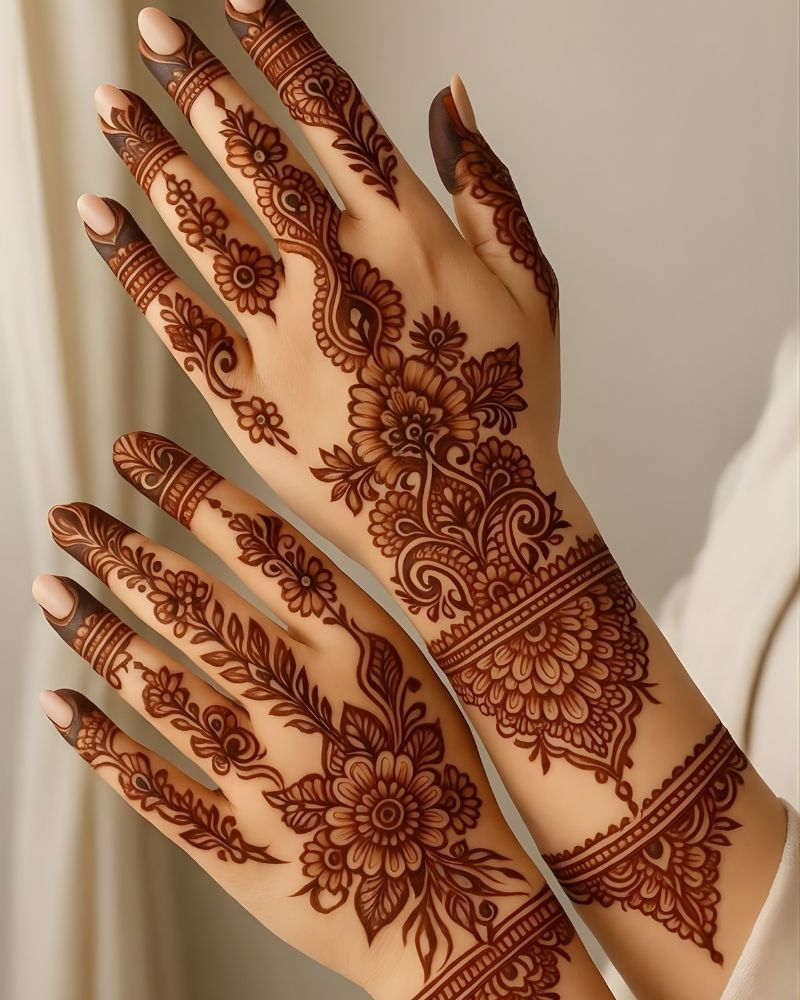
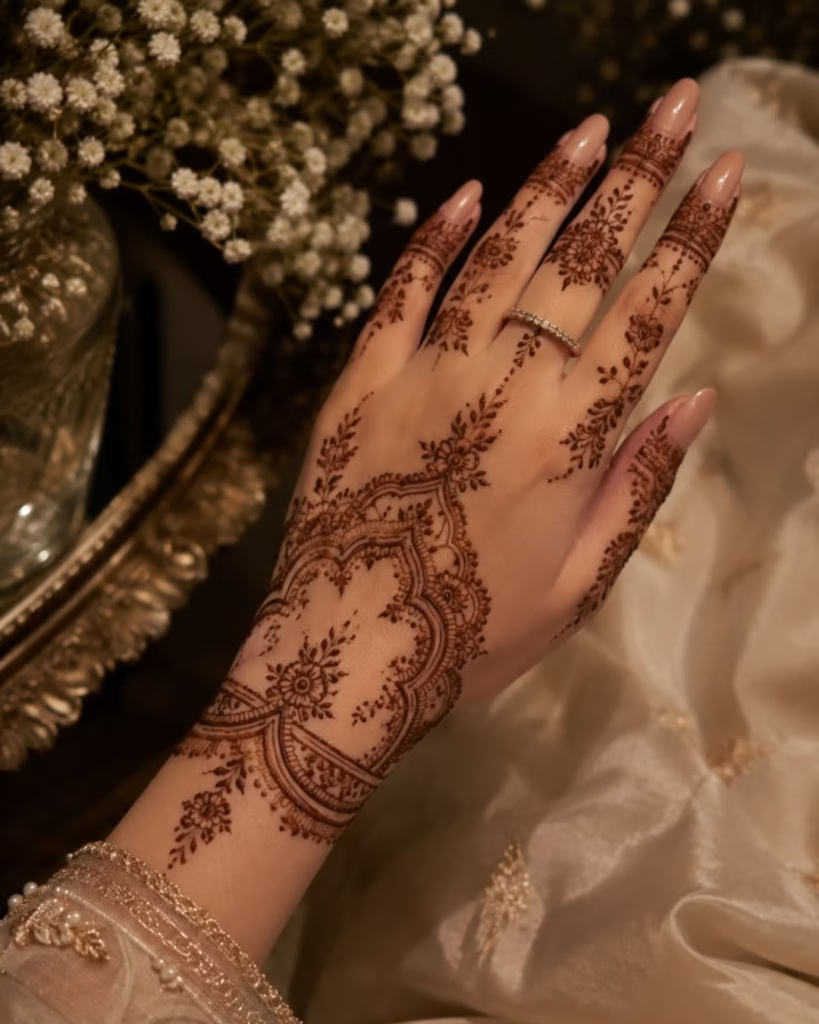
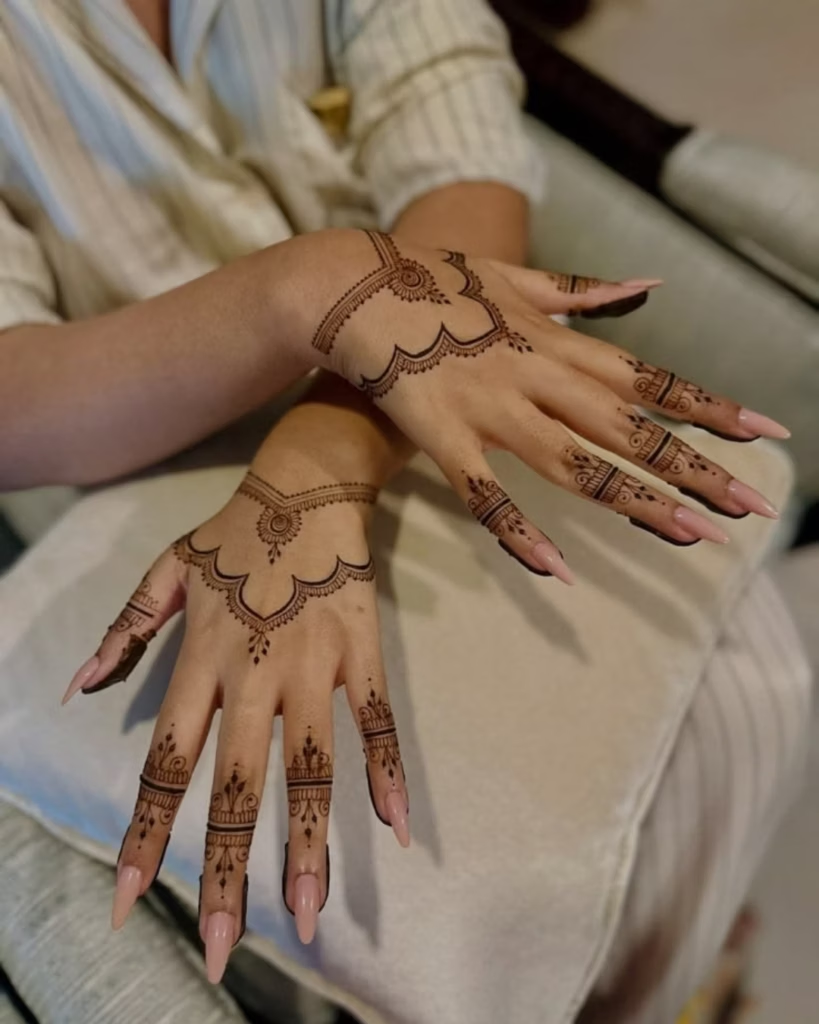
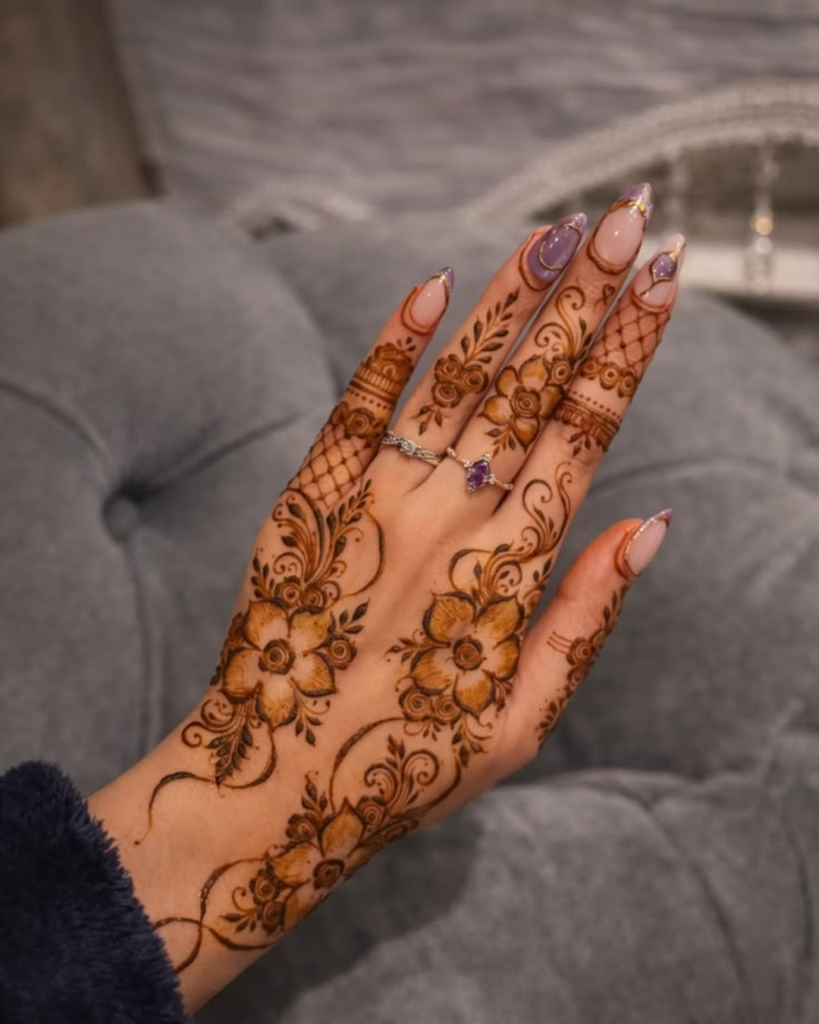
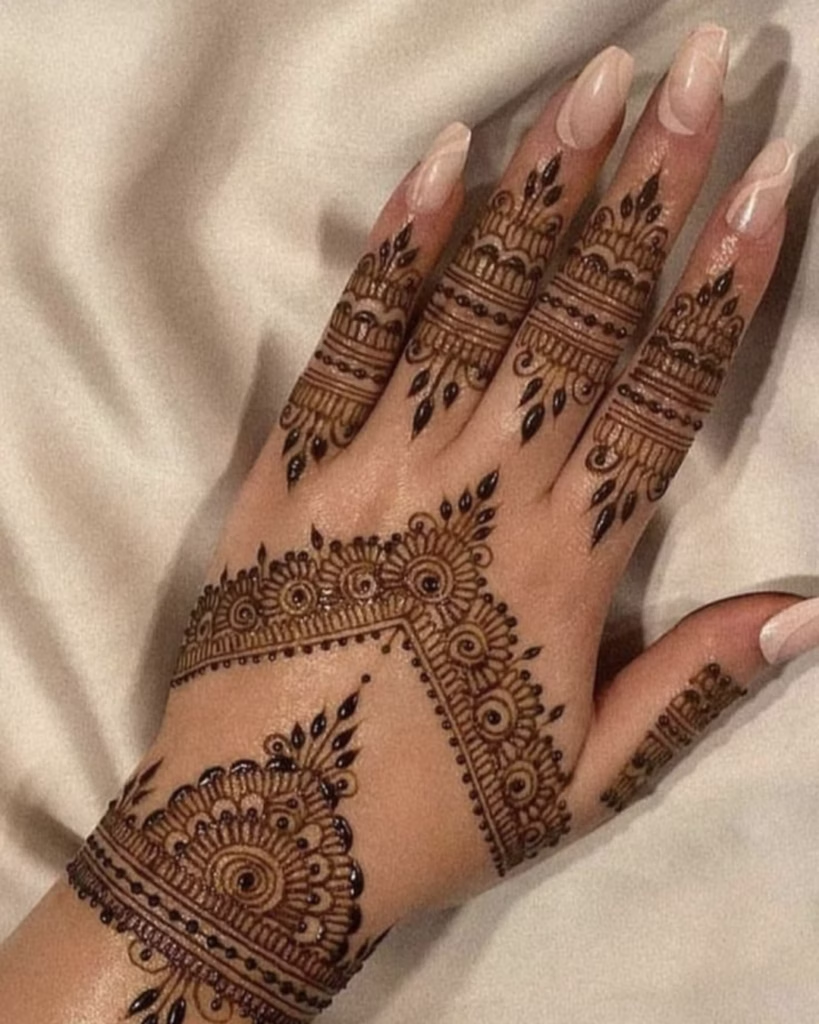
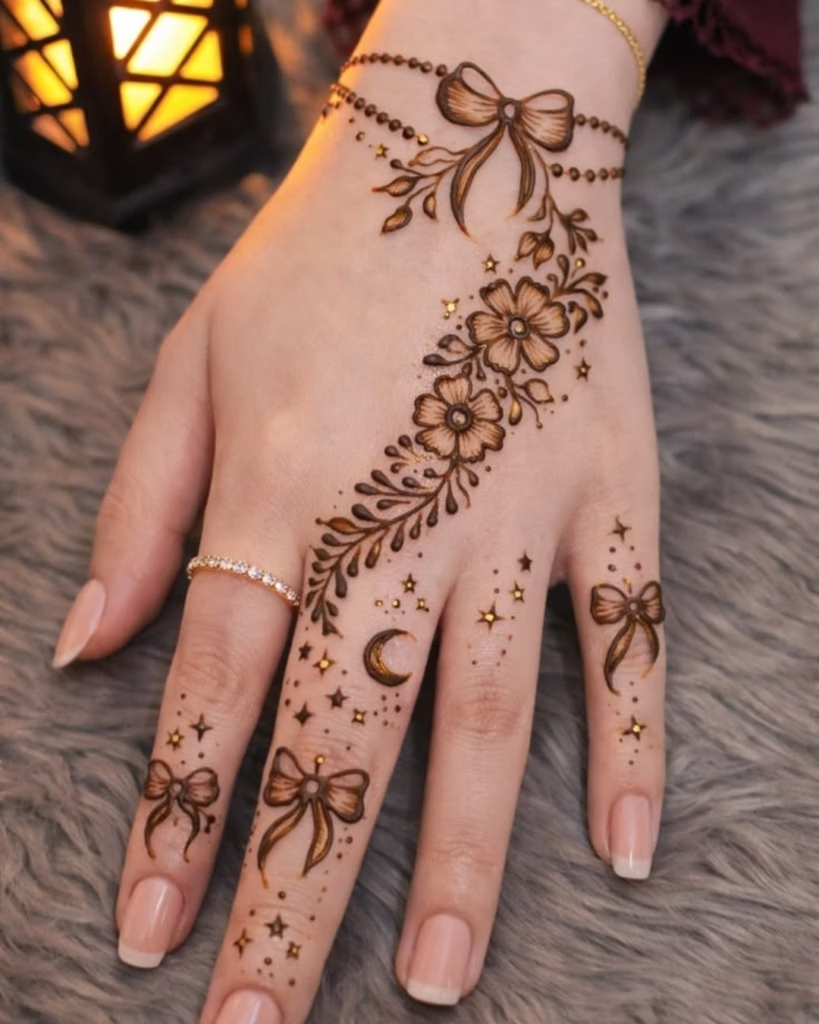
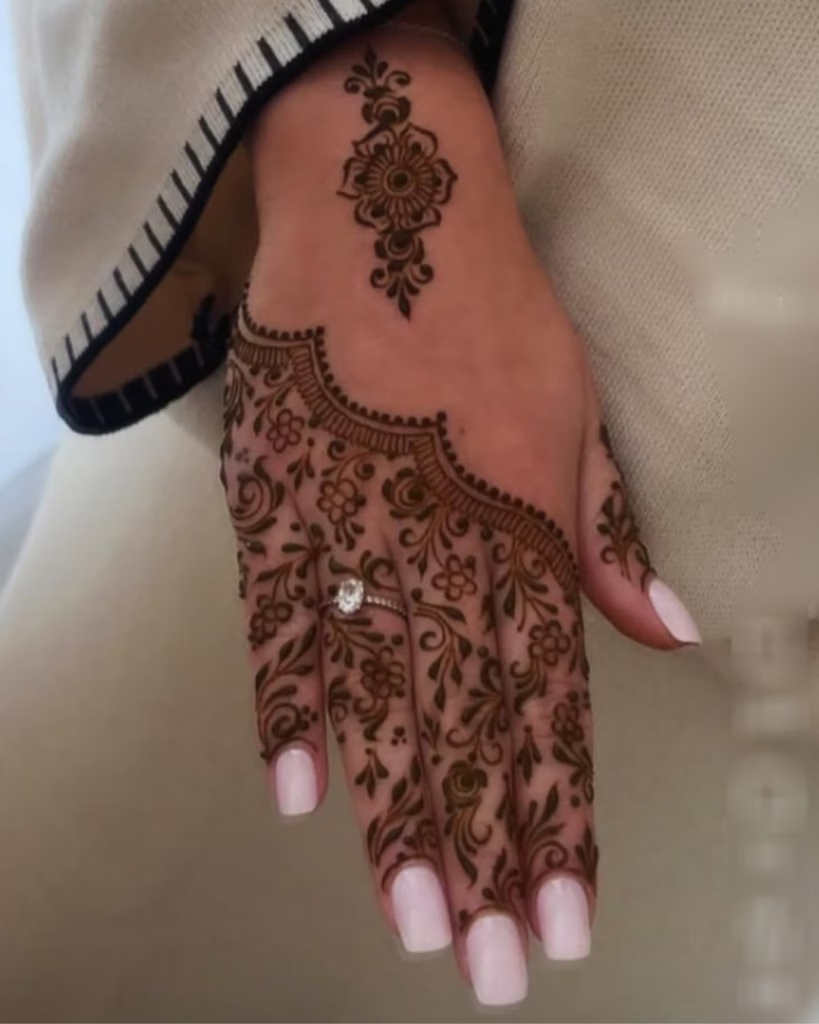
Short and Minimal Back Hand Mehndi Design
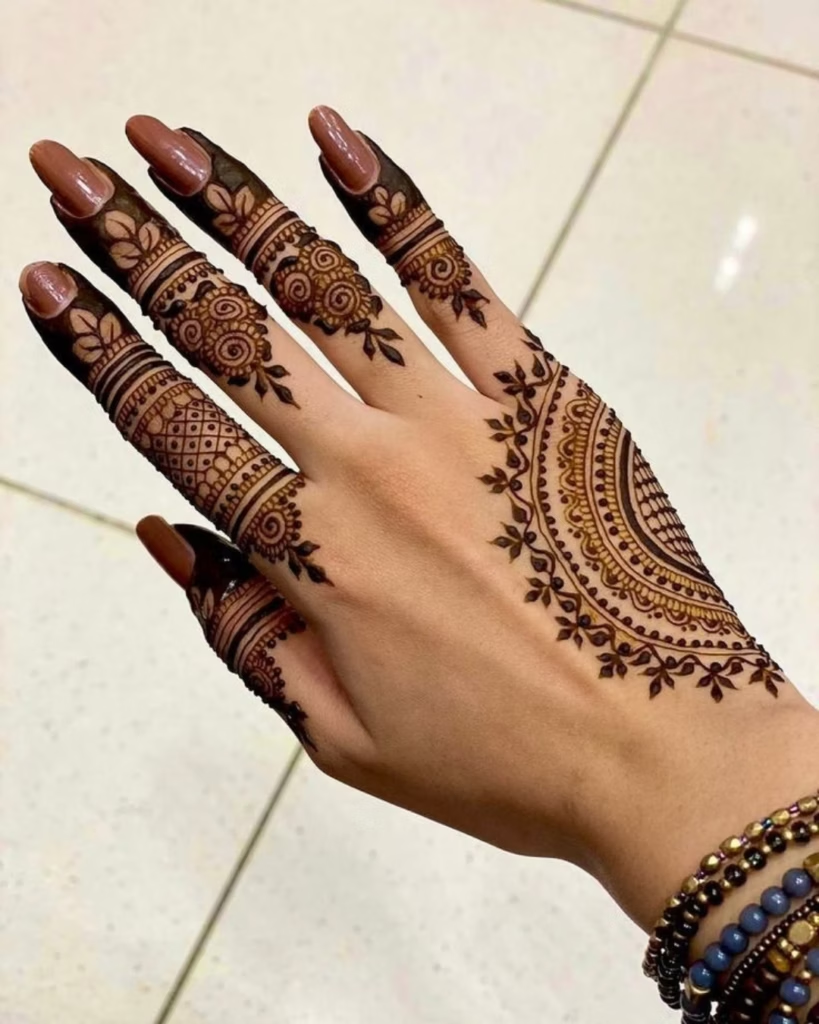
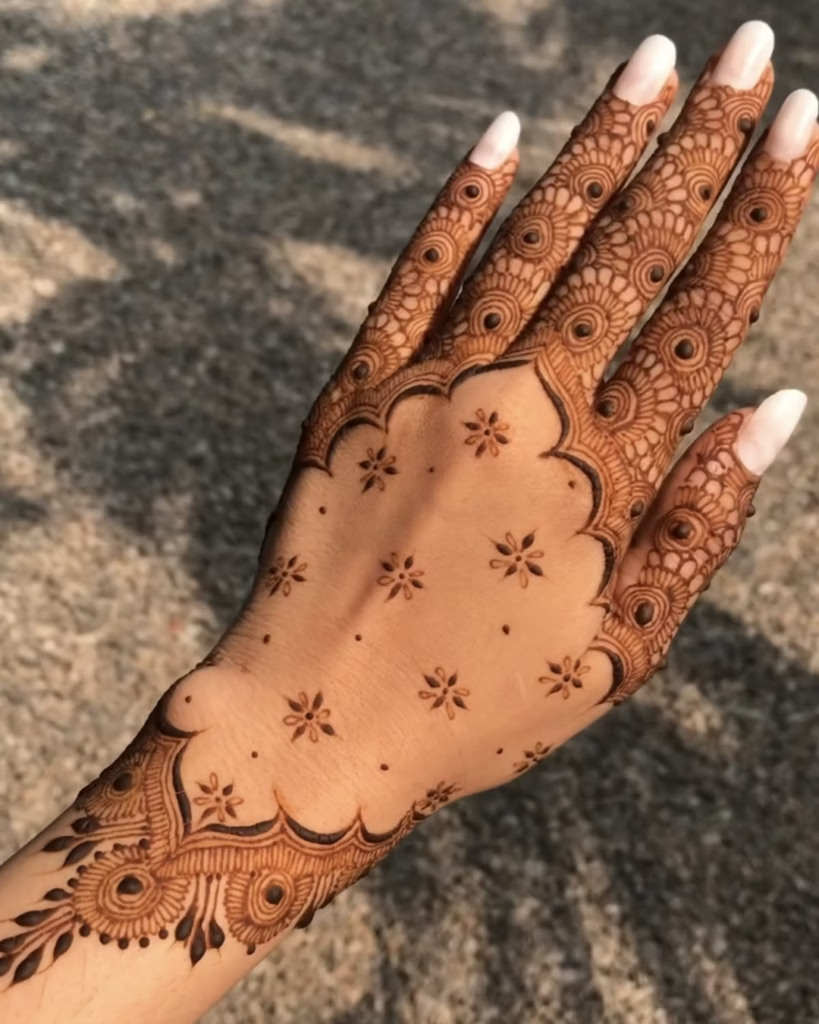
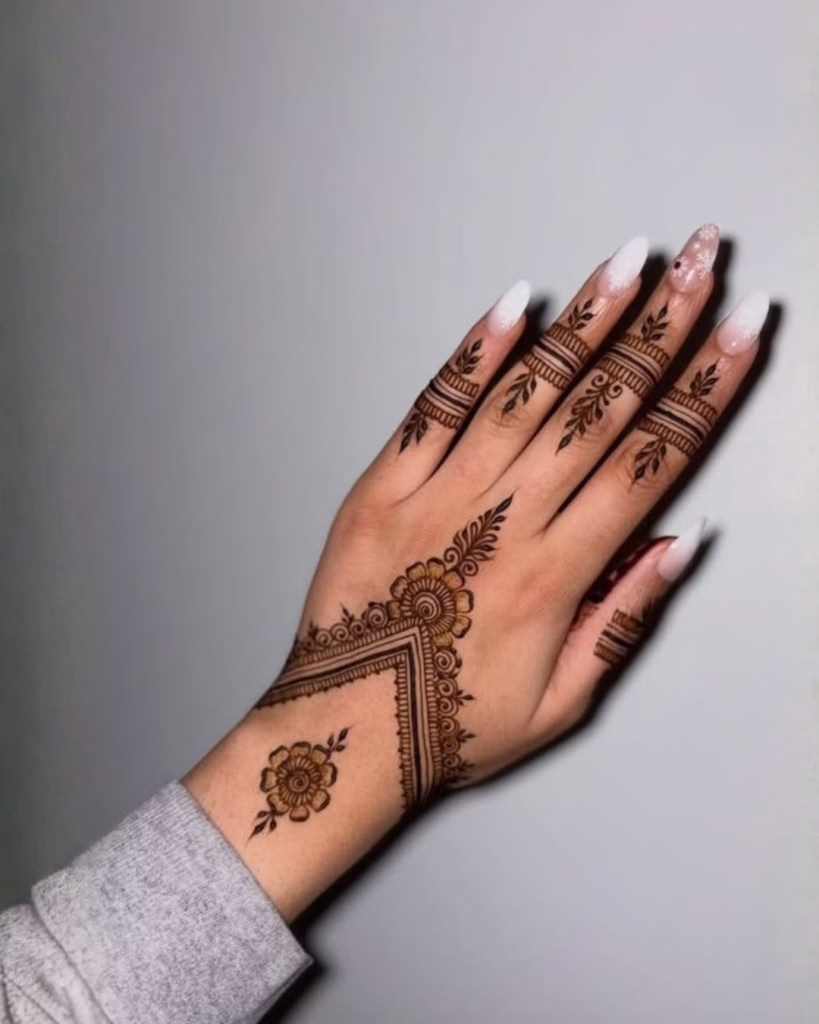
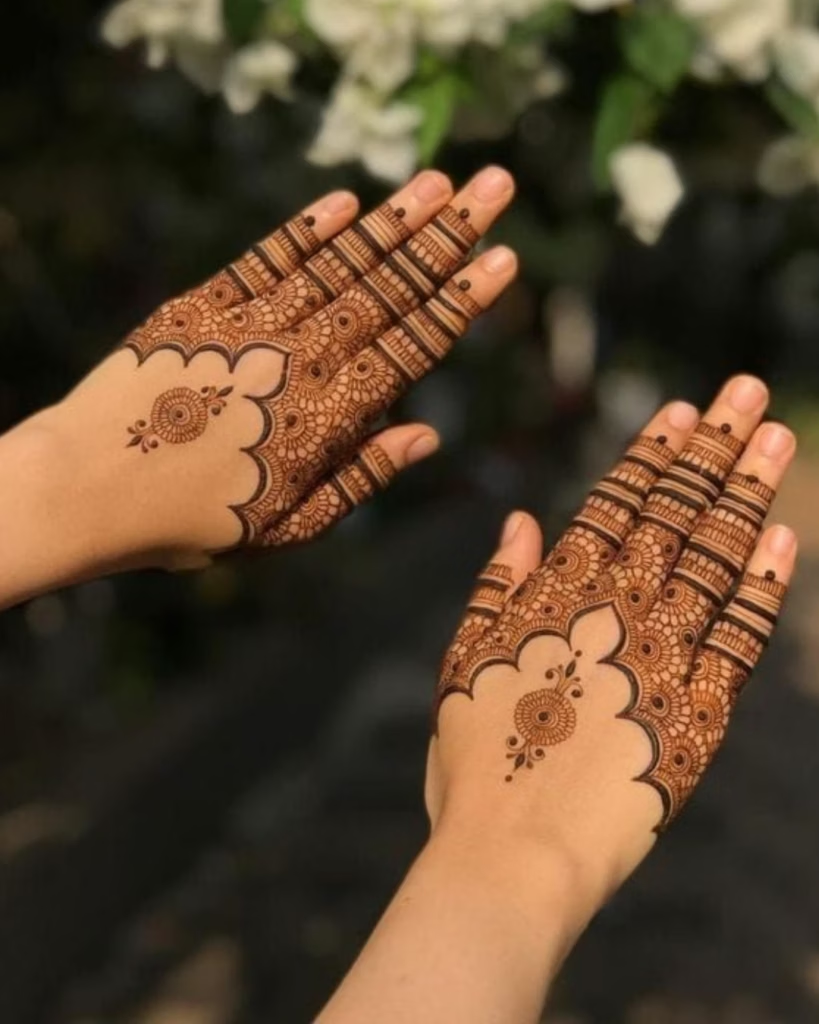
Best for: beach weddings, palace courtyards, outdoor haldi and sangeet functions where photos happen in daylight.
Arabic Mehndi Design
Arabic mehndi design uses bold floral patterns, thick flowing lines and deliberate open space instead of covering the full hand. It applies faster than Indian-style mehndi, and because the design is not packed tightly, the colour settles evenly and fades gracefully over 2 to 3 days.
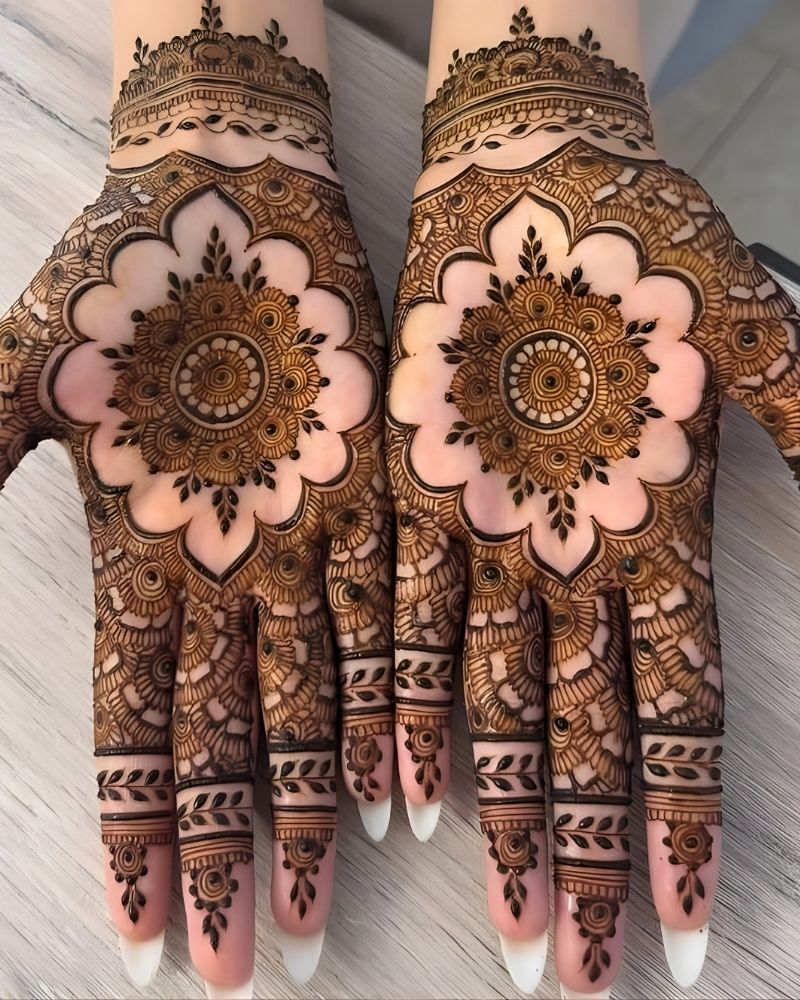
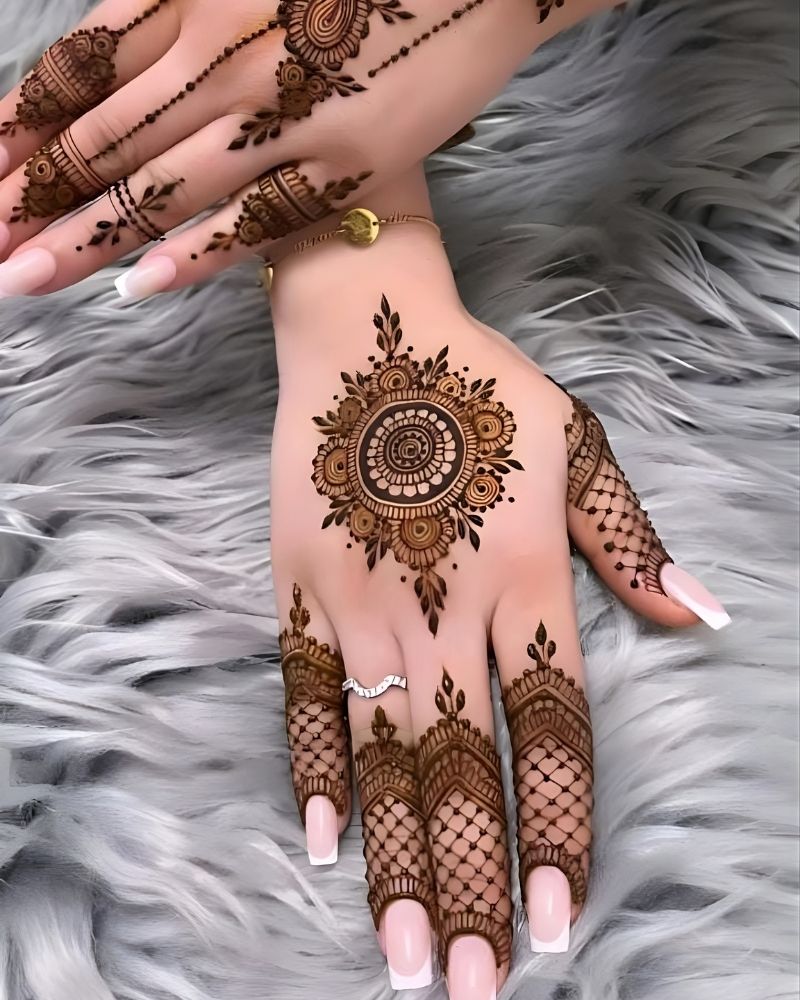
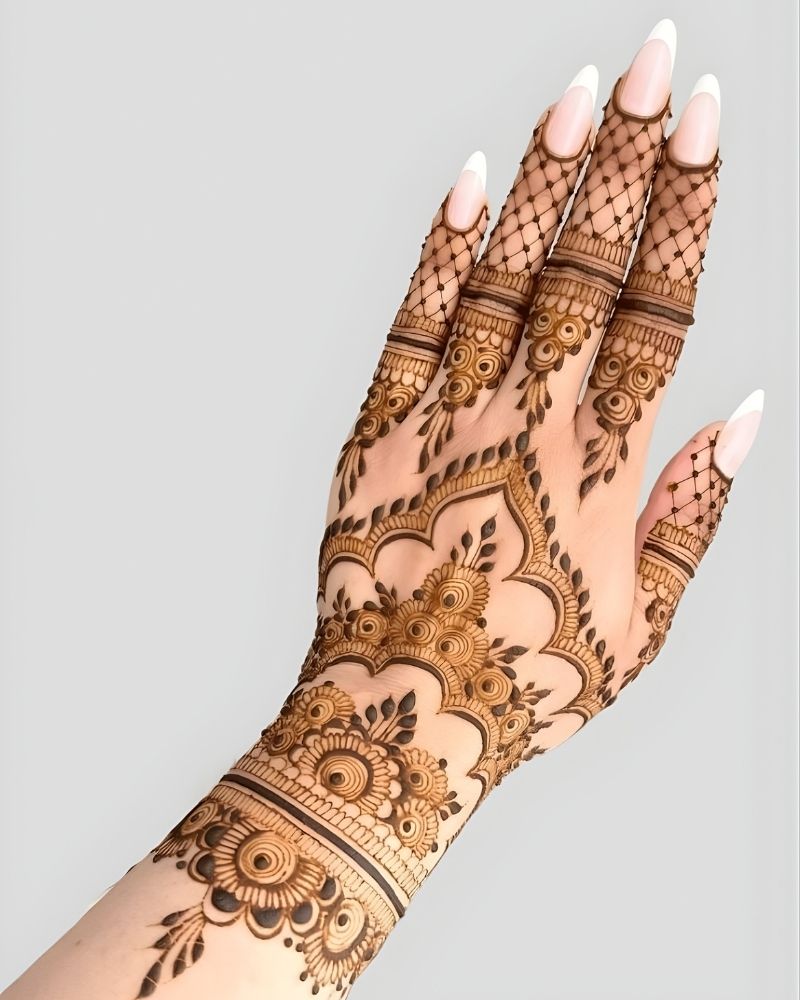
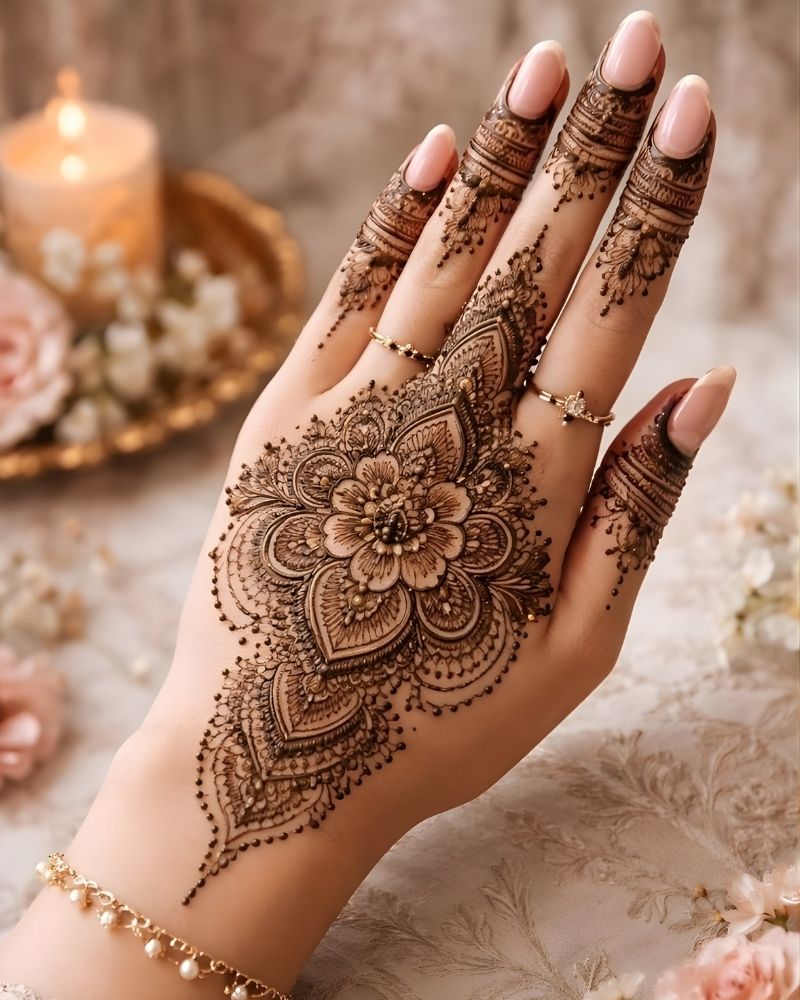
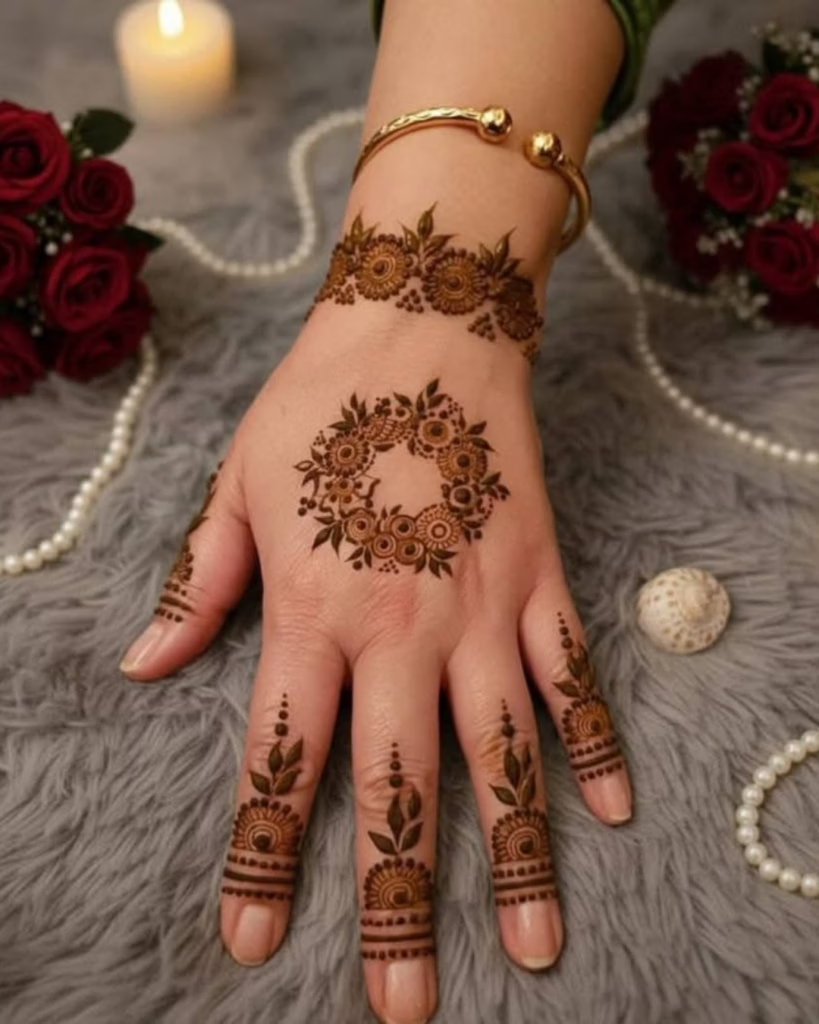
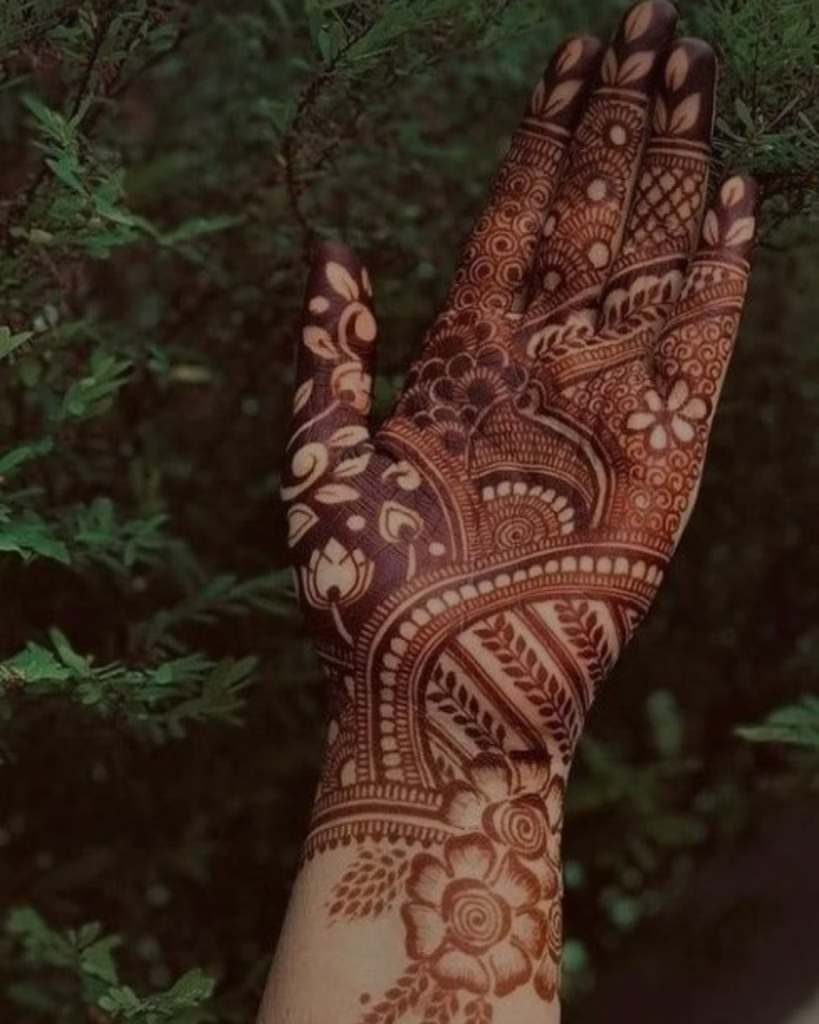
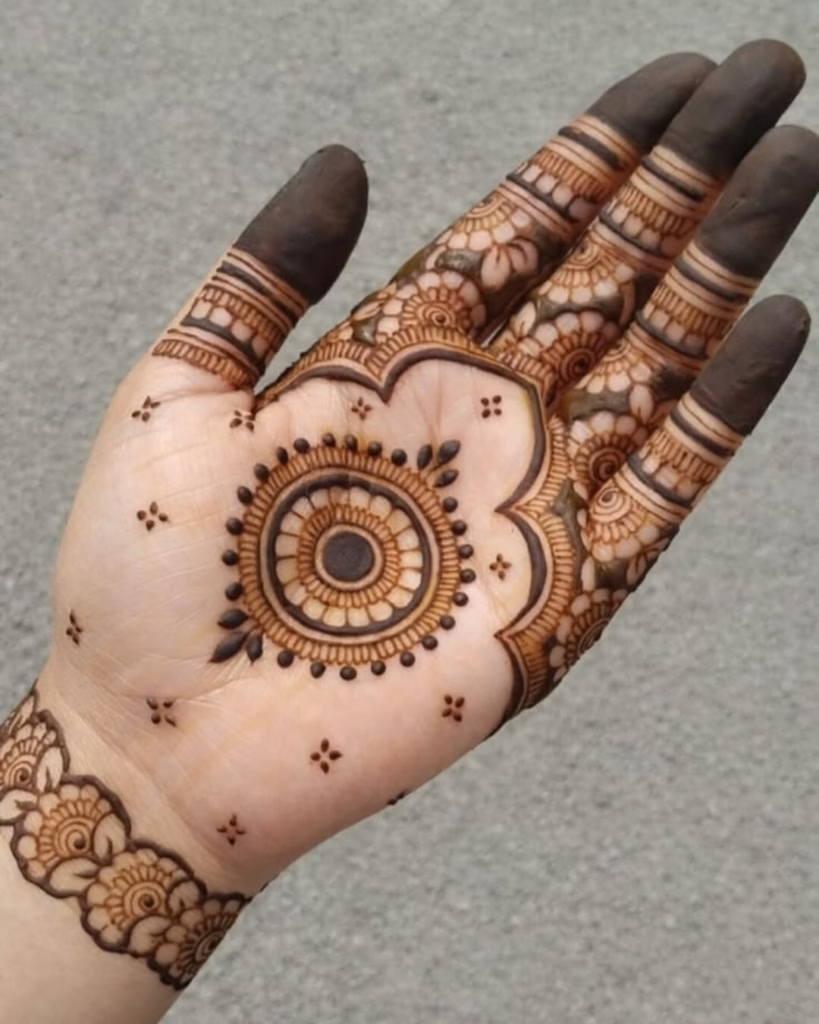
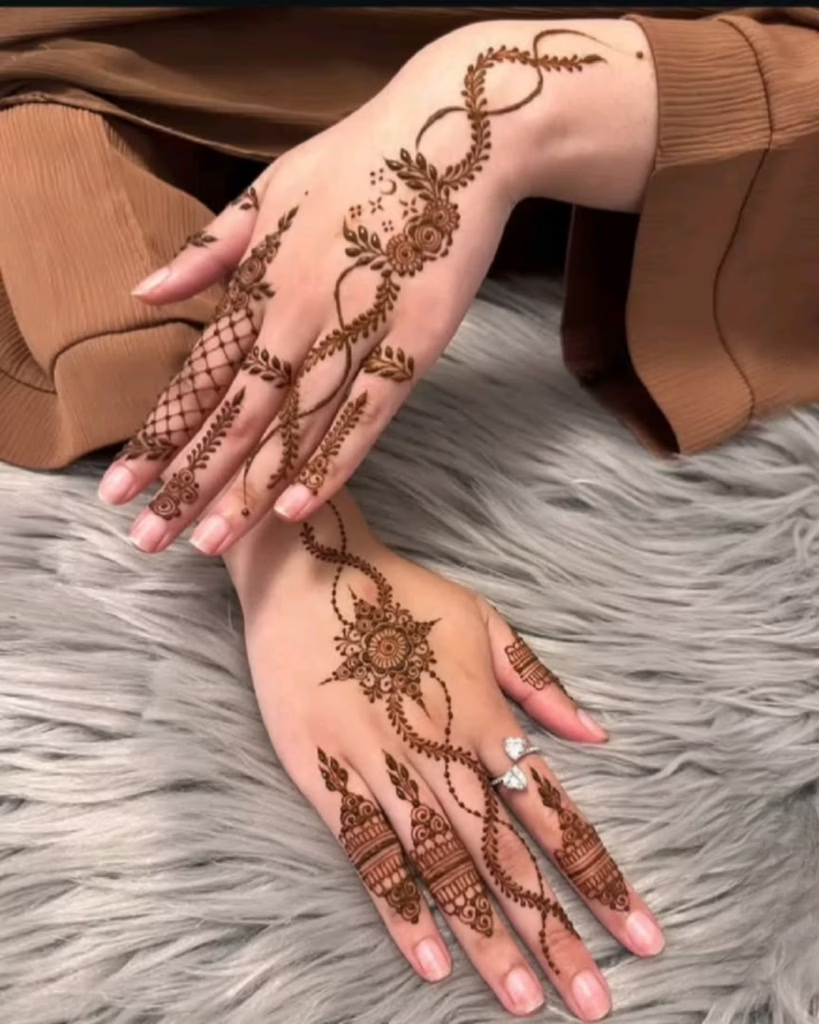
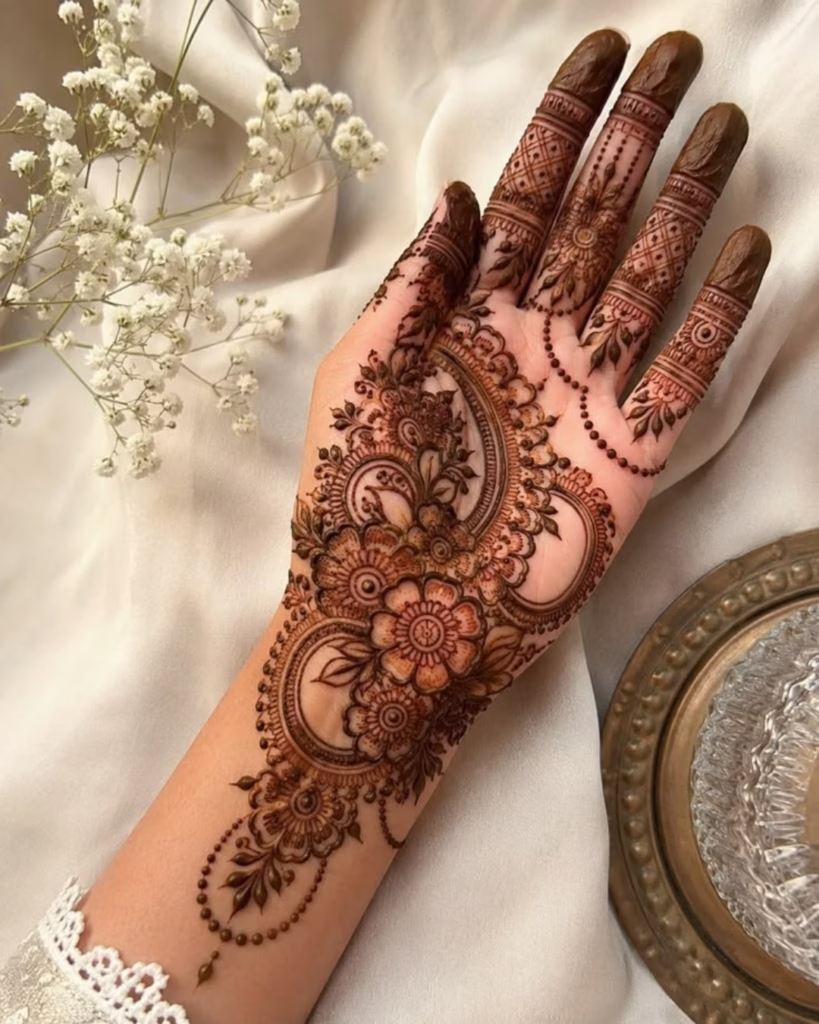
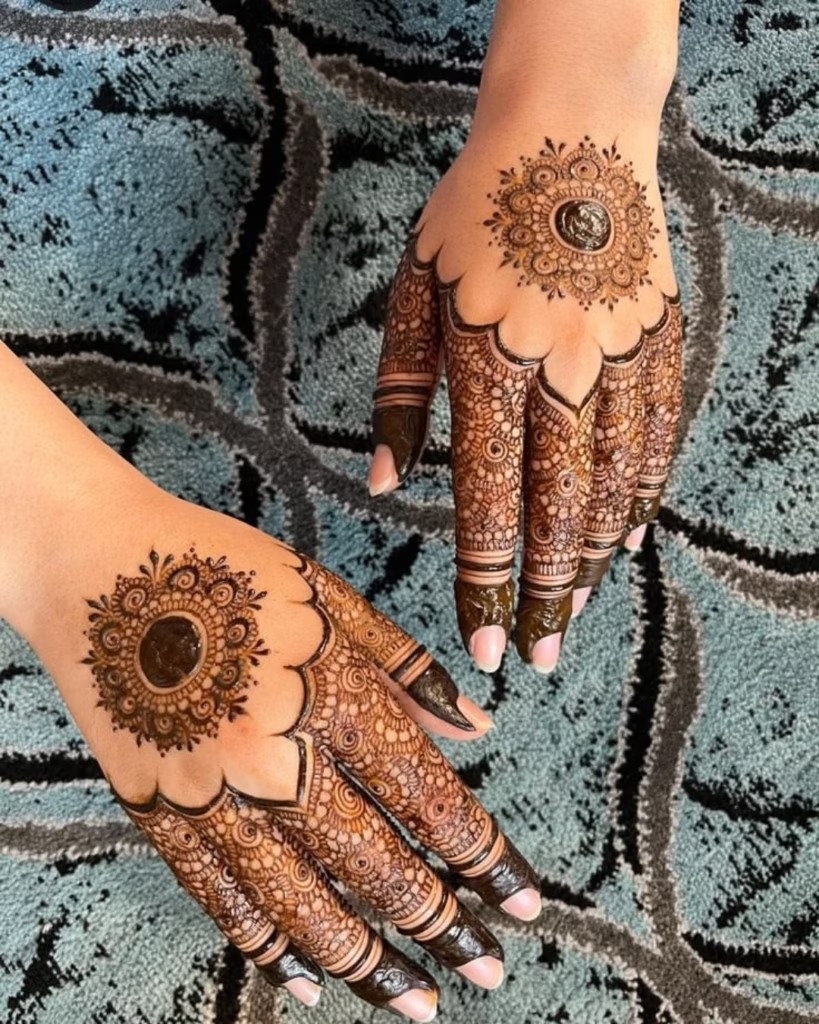
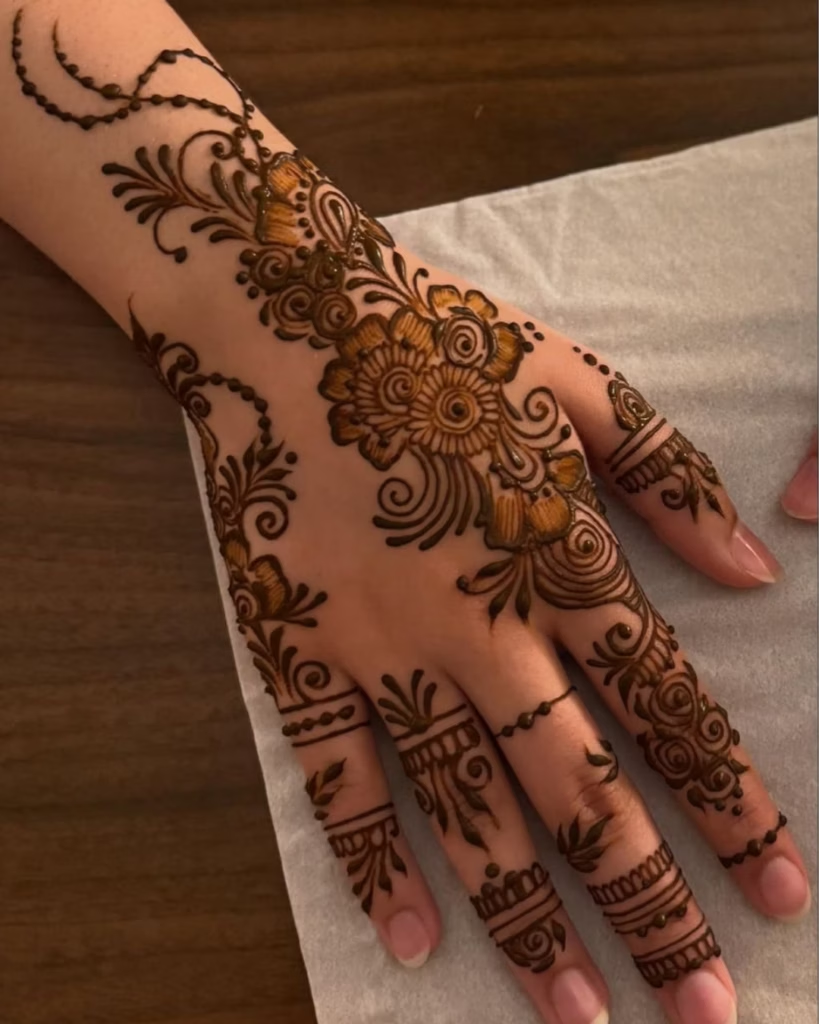
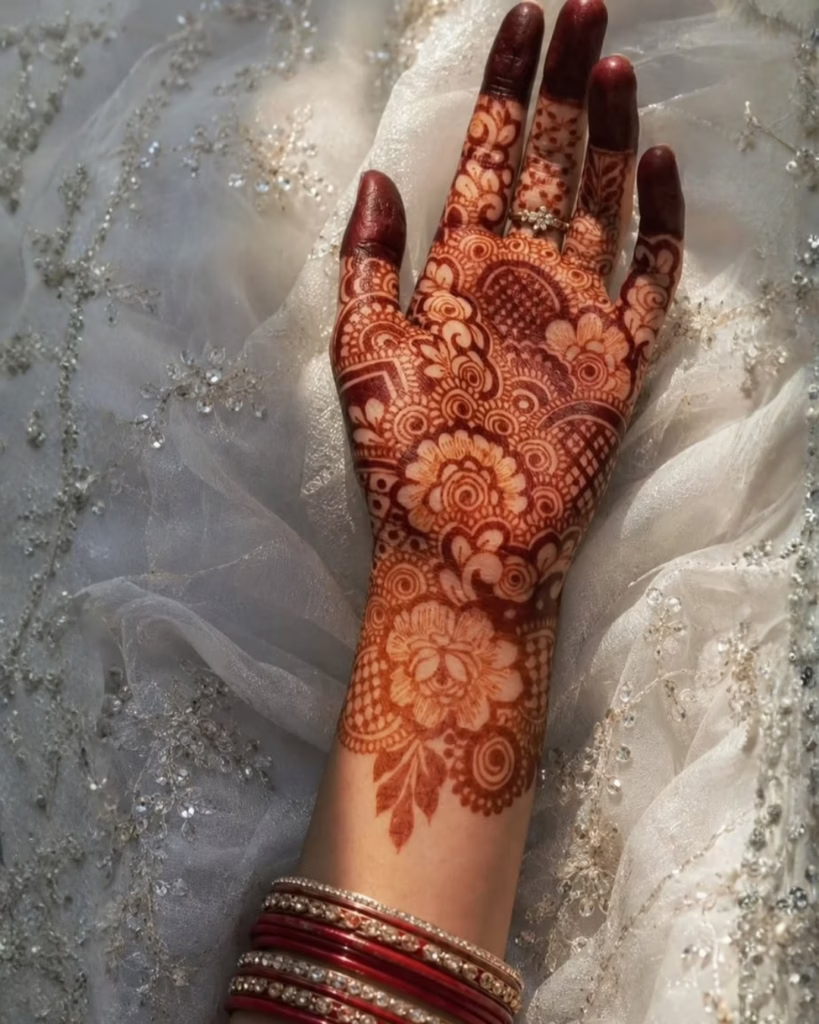
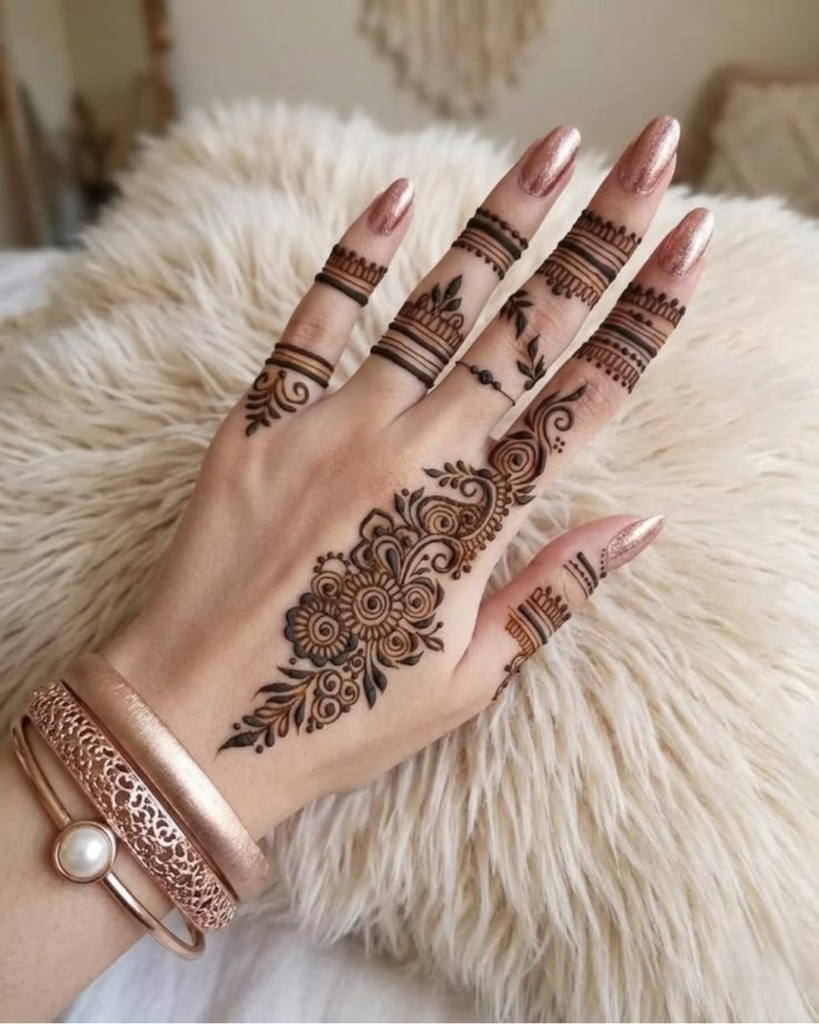
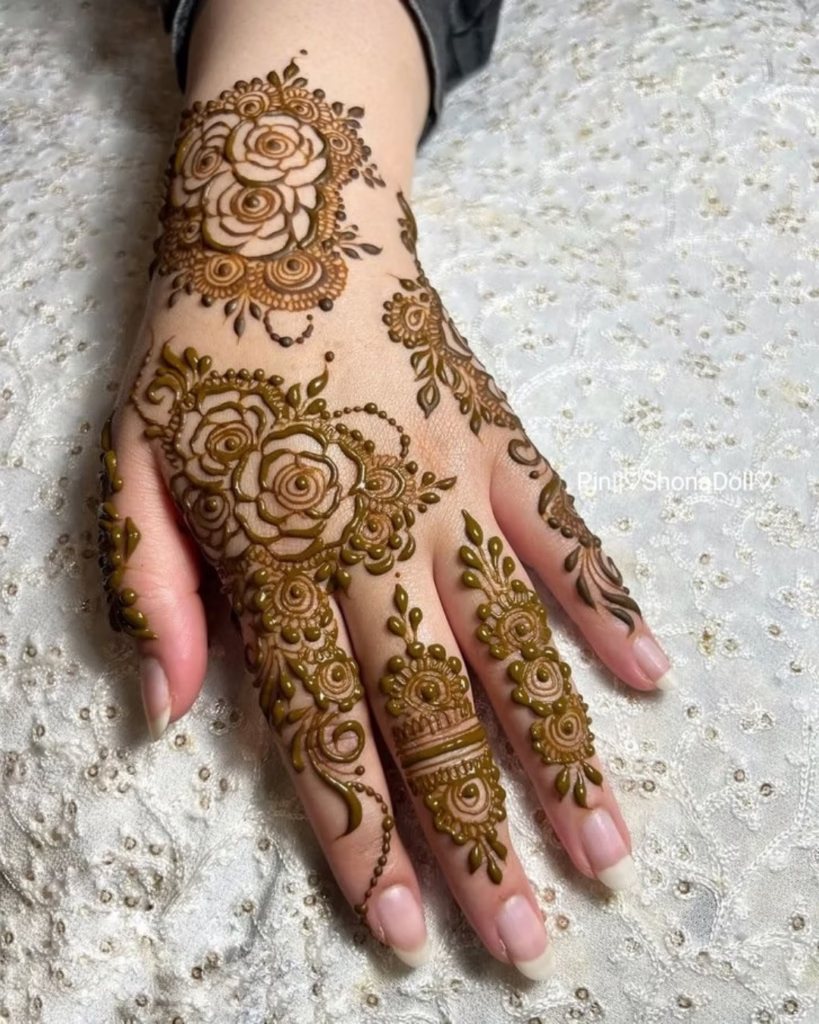
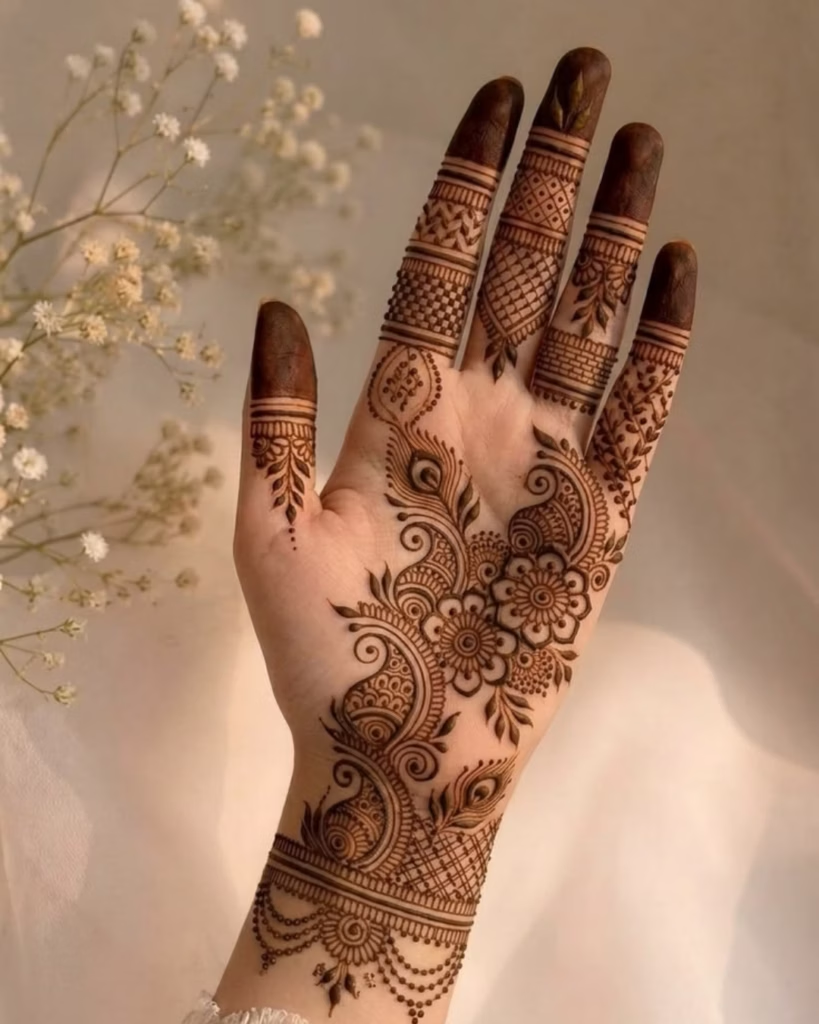
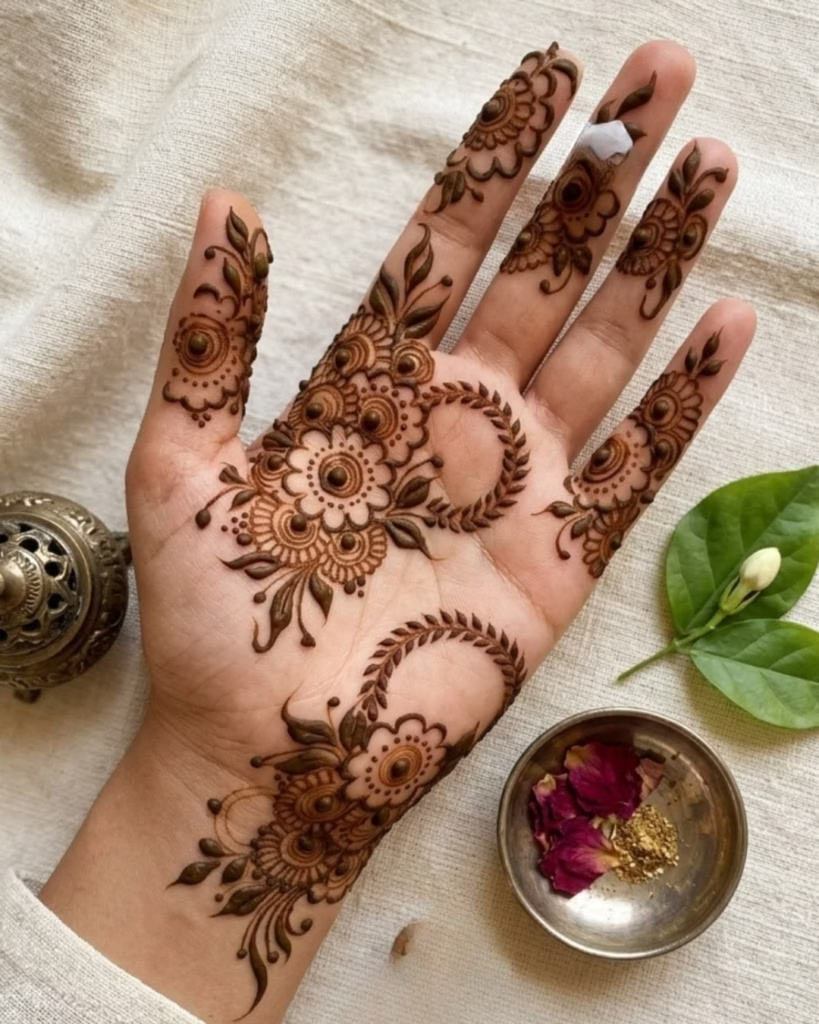
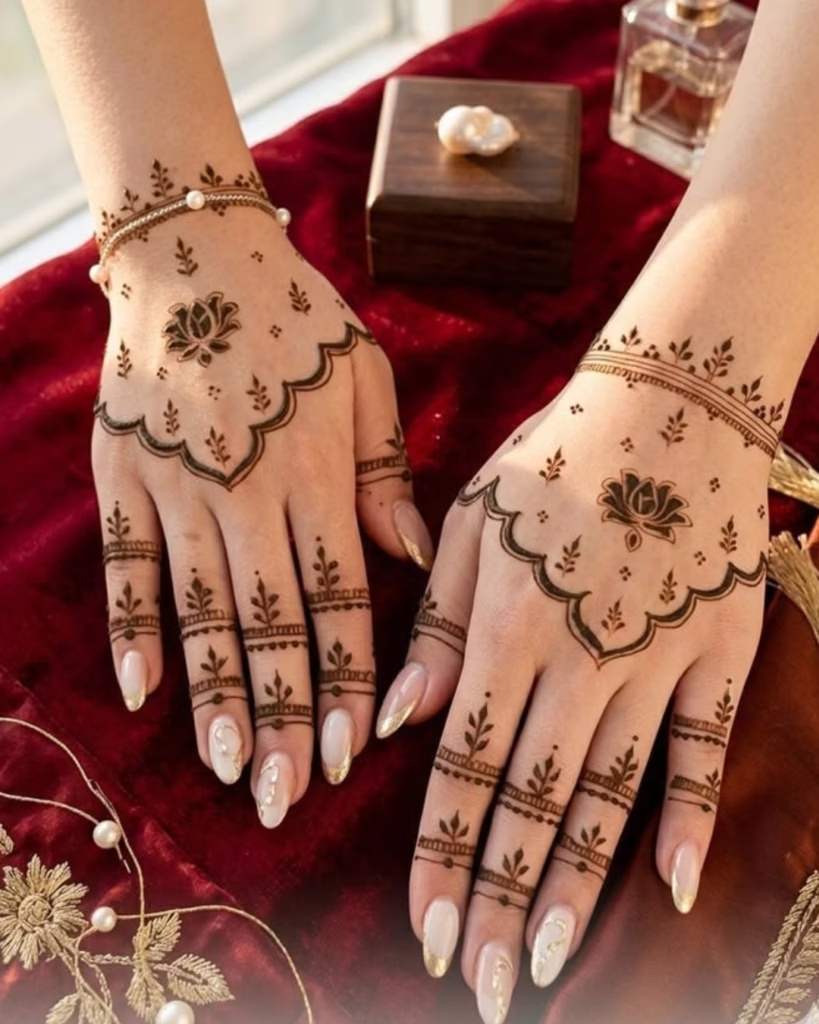
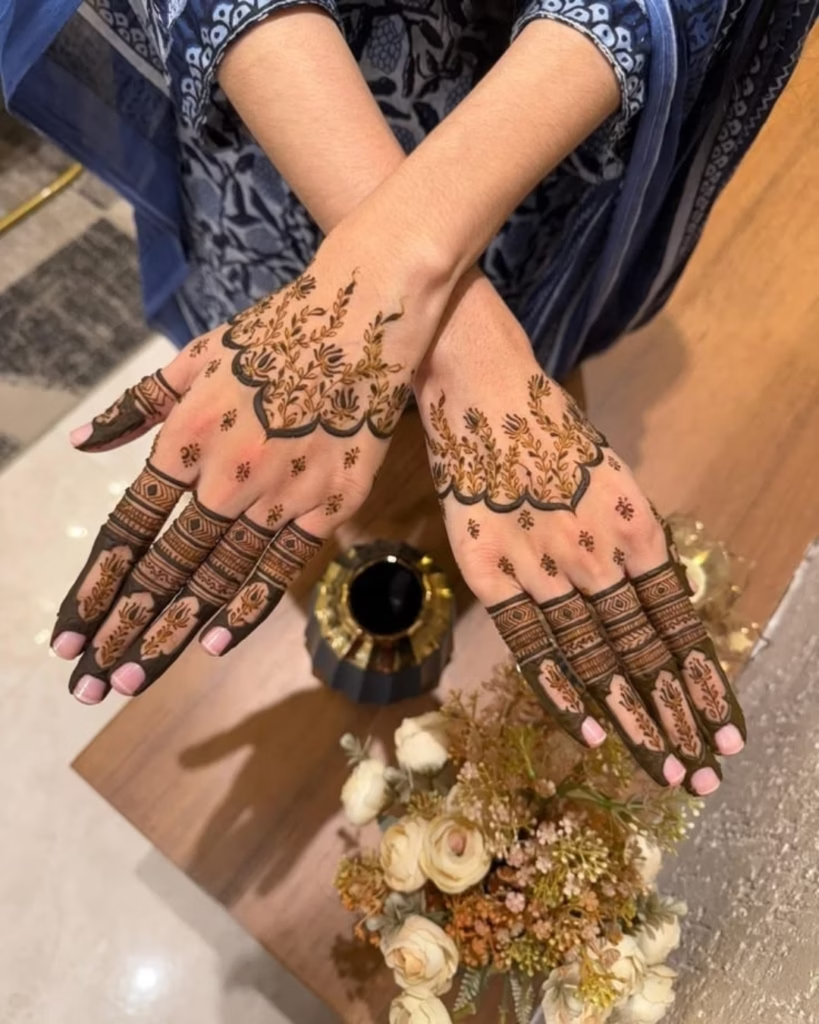
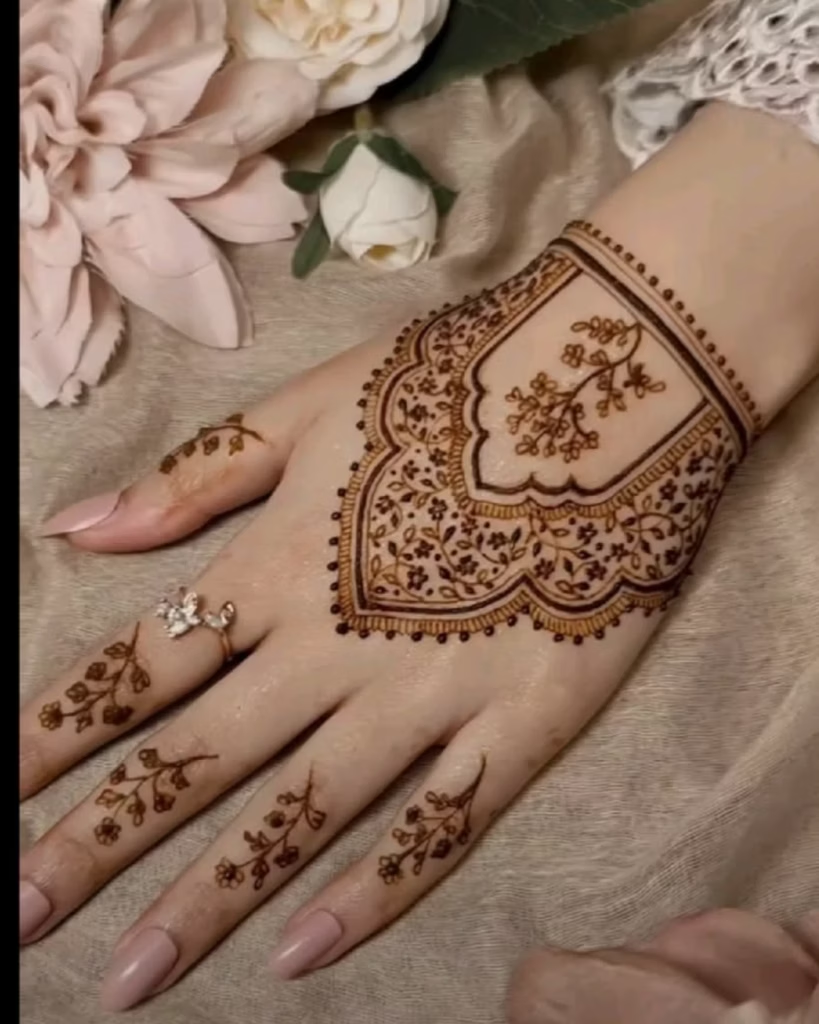
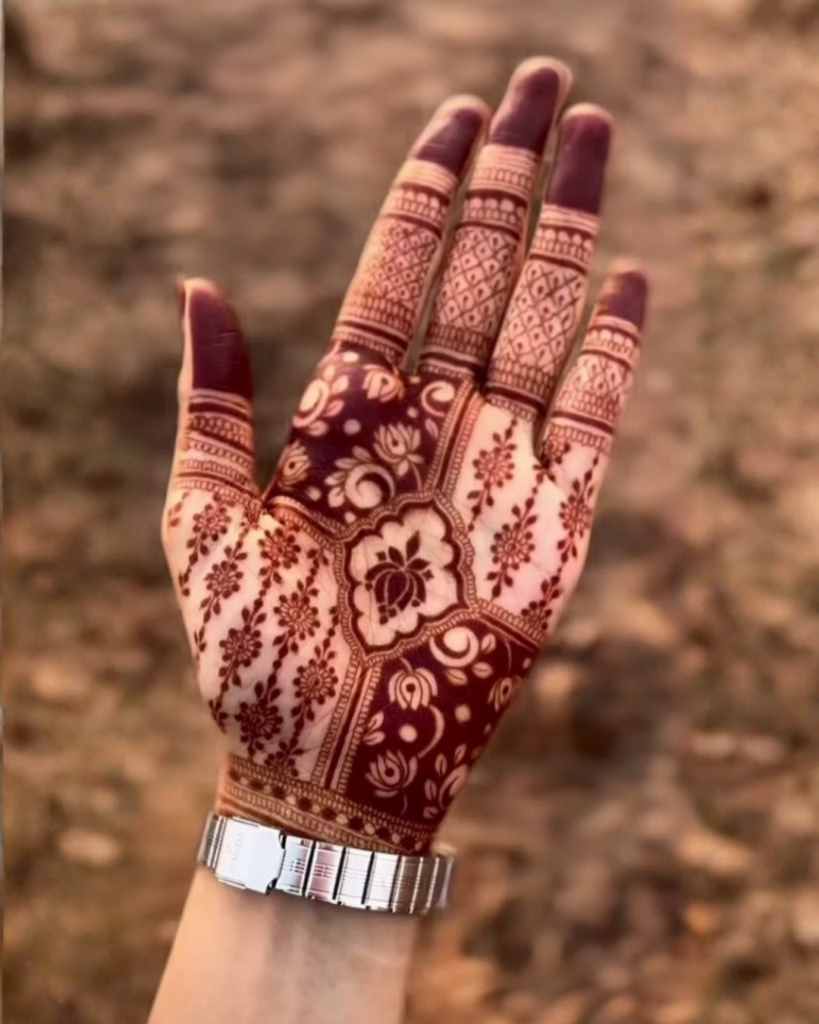
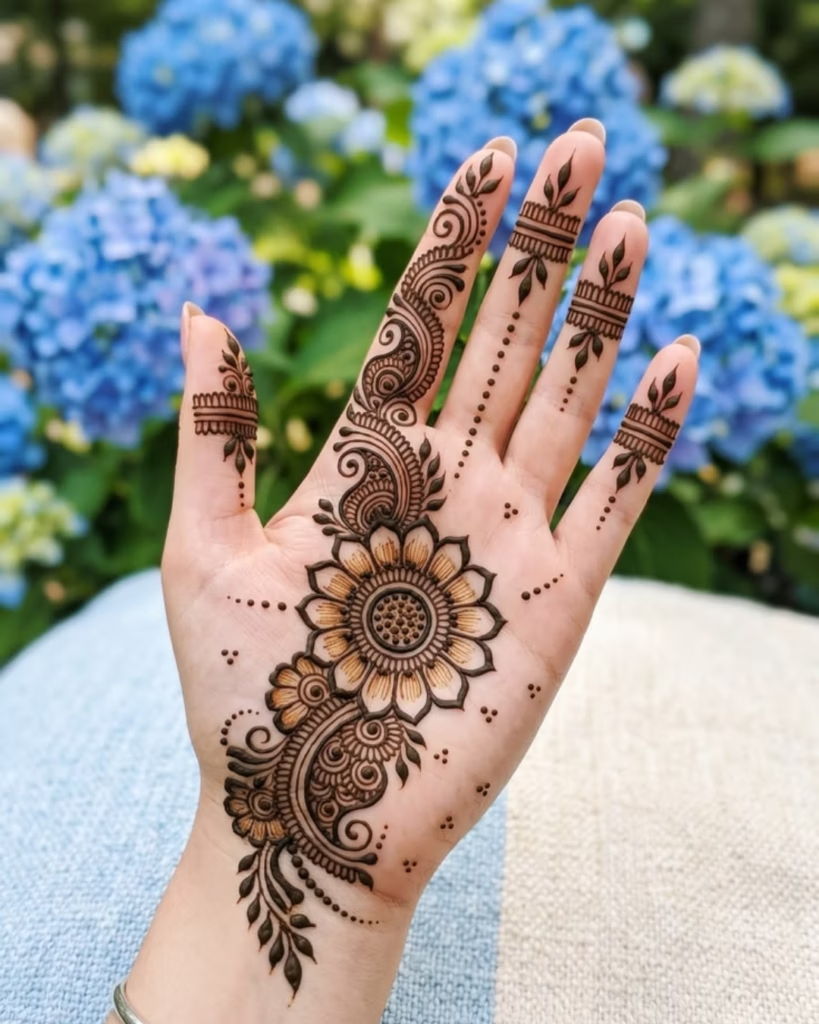
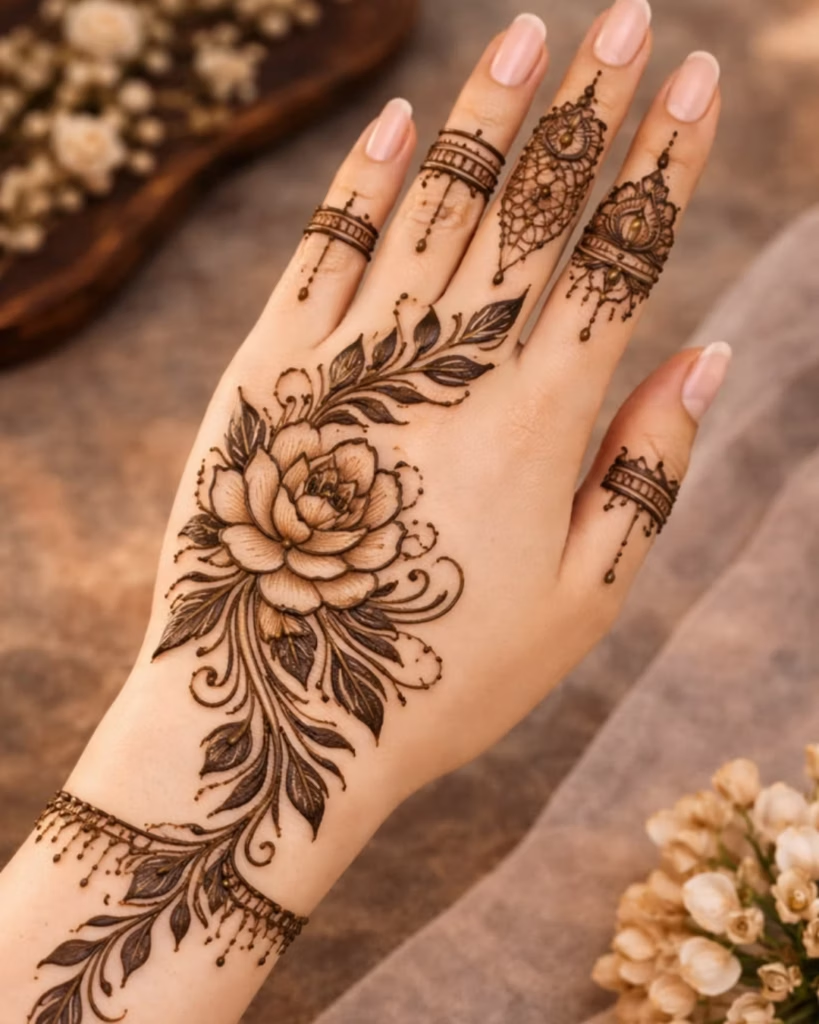
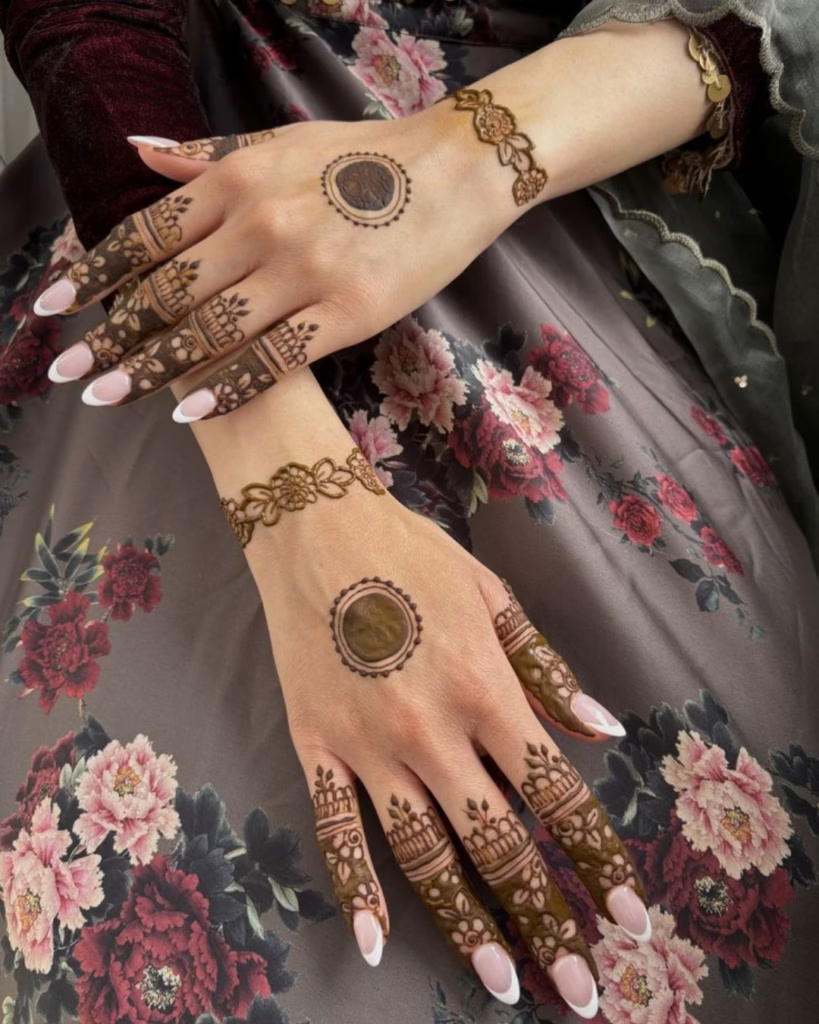
Best for: engagements and anyone who wants maximum impact with minimum sitting time.
Traditional Indian Mehndi Design
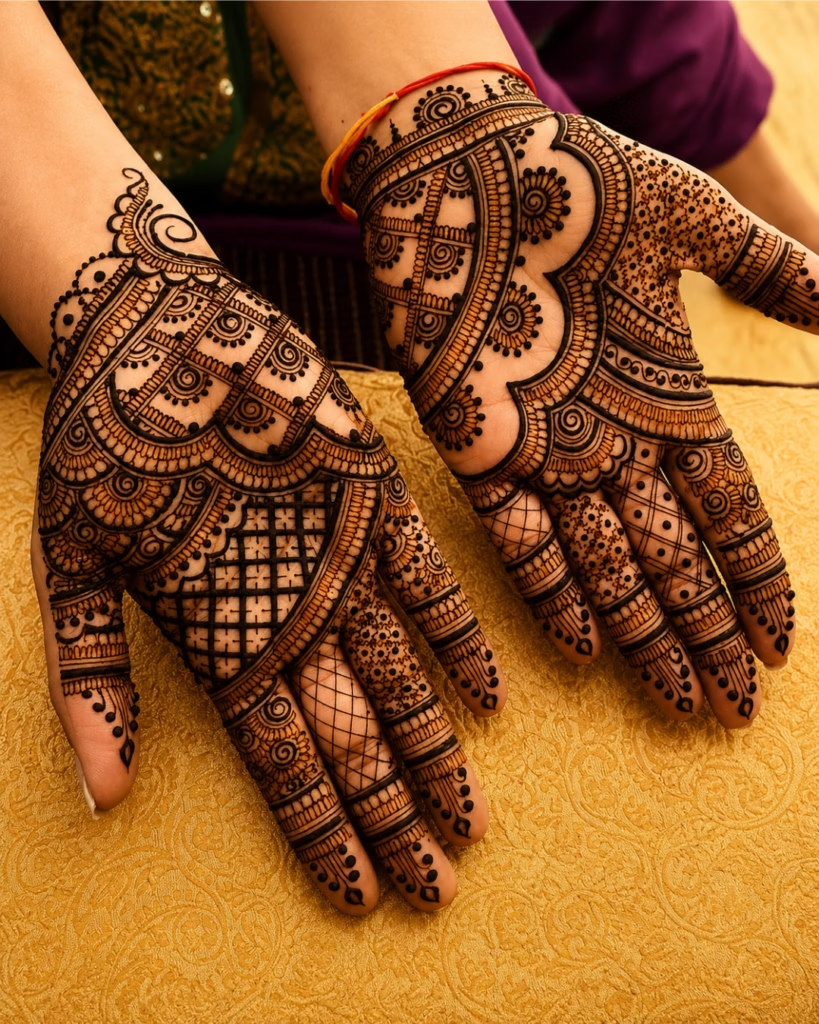
Traditional Indian mehndi designs use dense fine line work with paisleys, jaal mesh and floral layers covering the full palm, and are the style most associated with North Indian weddings and festivals.
The difference from Arabic is density. Indian mehndi fills the hand; Arabic moves across it. Traditional designs take longer to apply but stain deepest, because concentrated paste means deeper dye penetration.
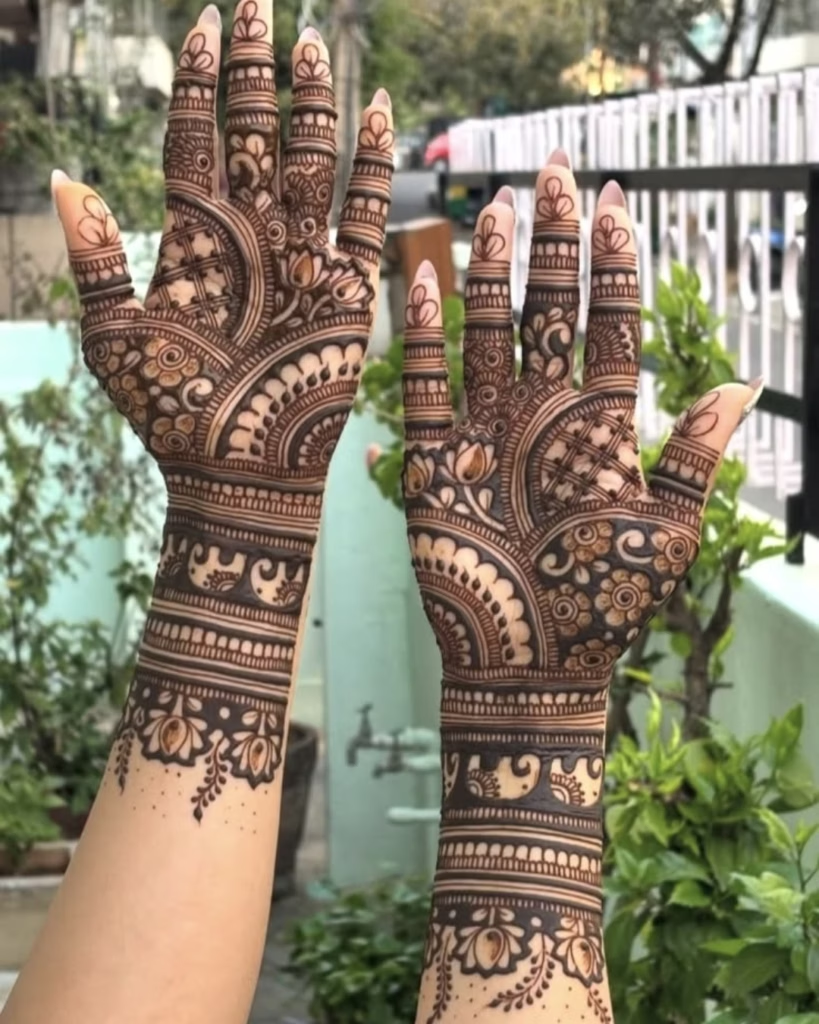
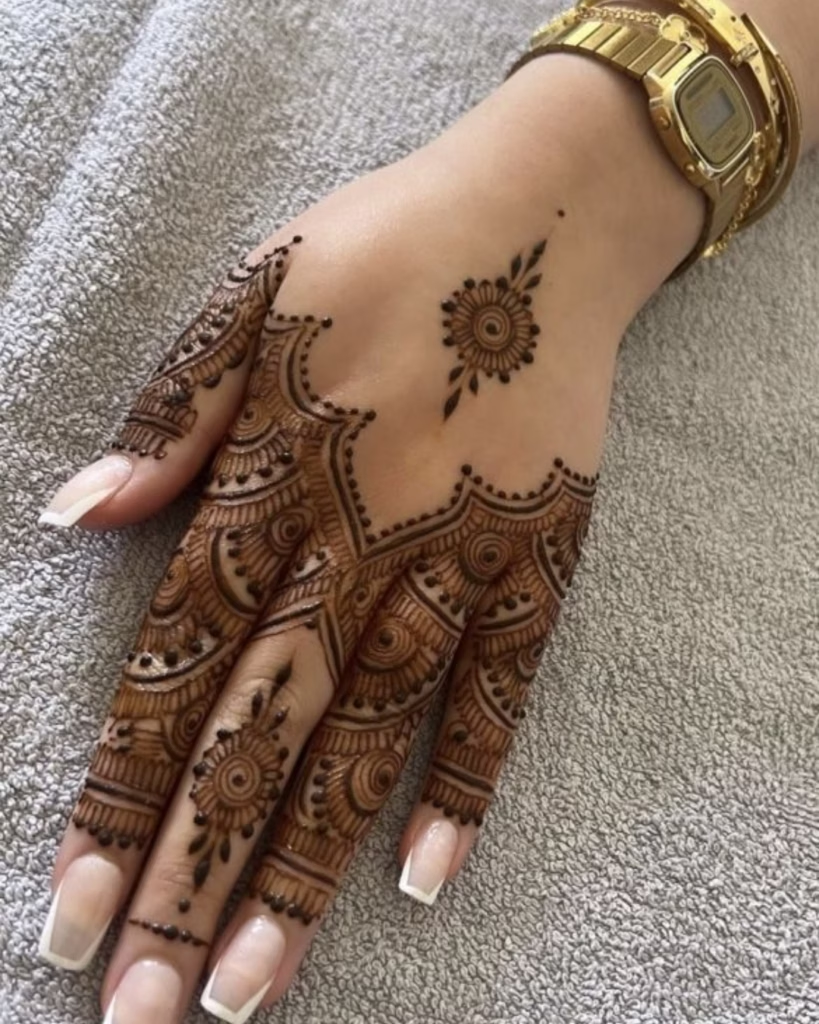
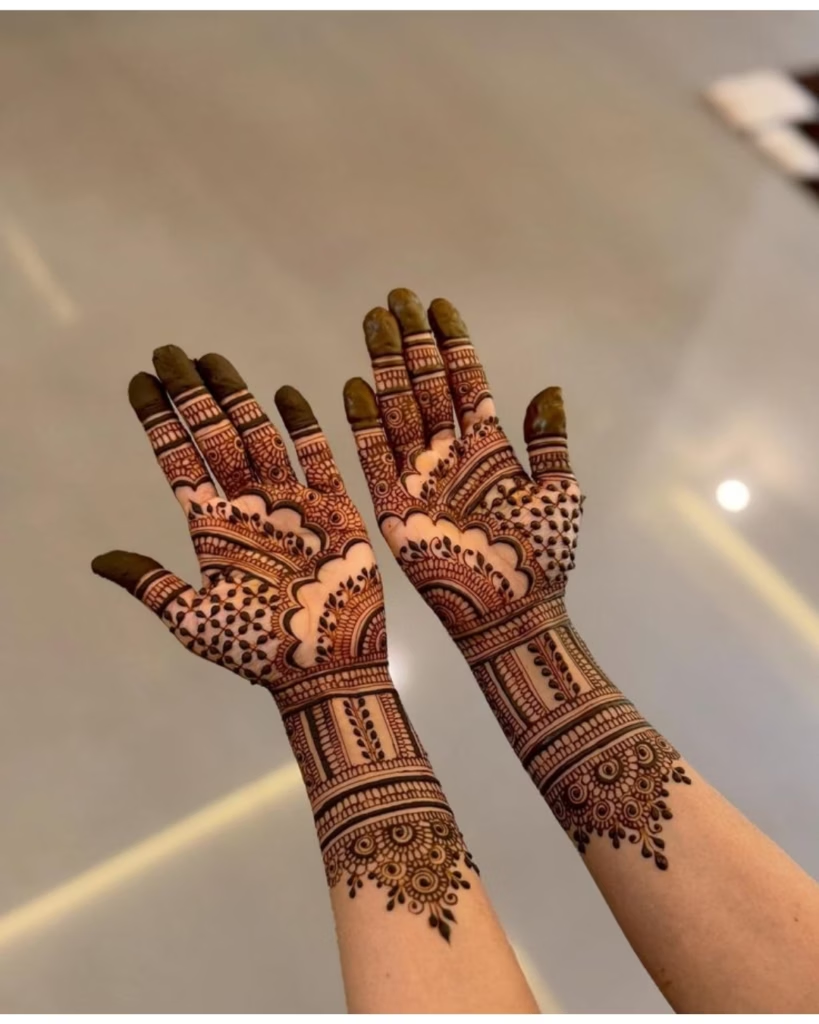
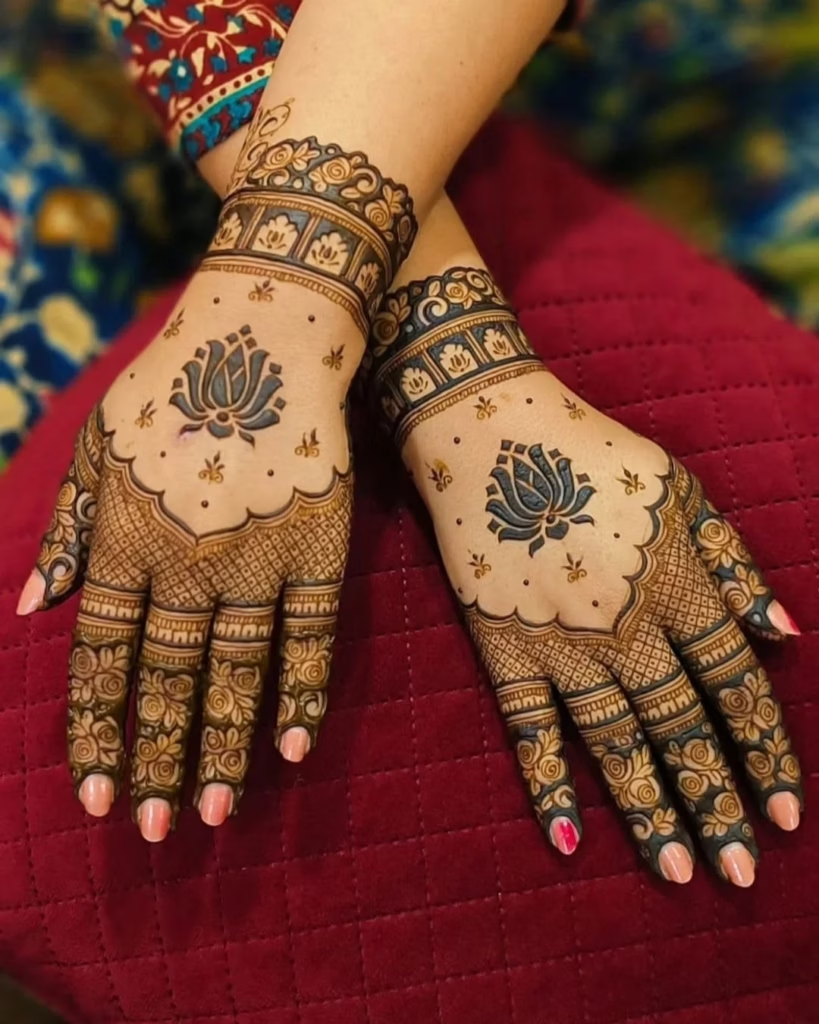
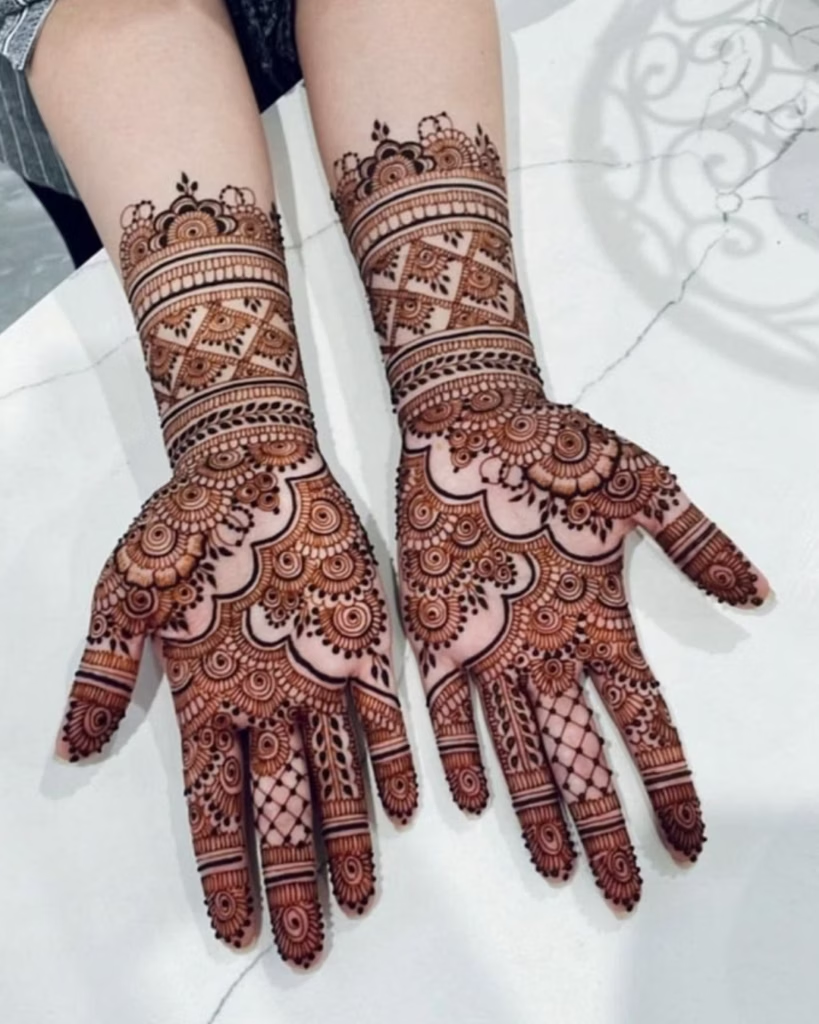
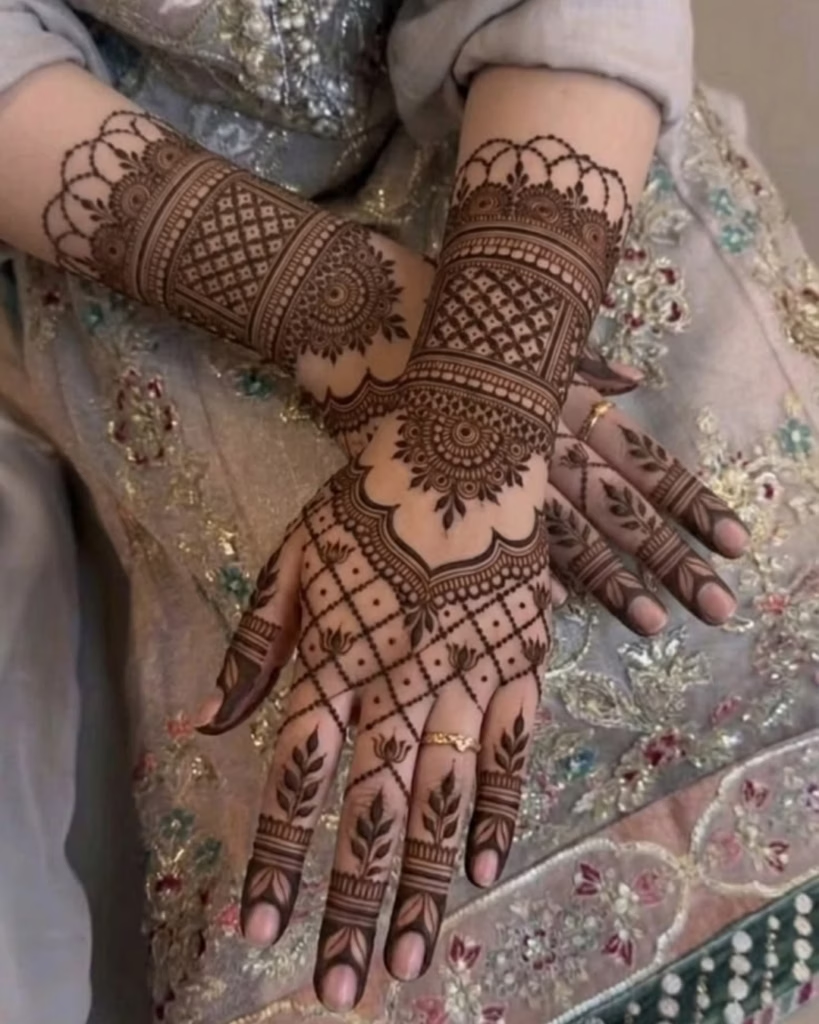
Aesthetic, Modern and Unique Mehndi Design
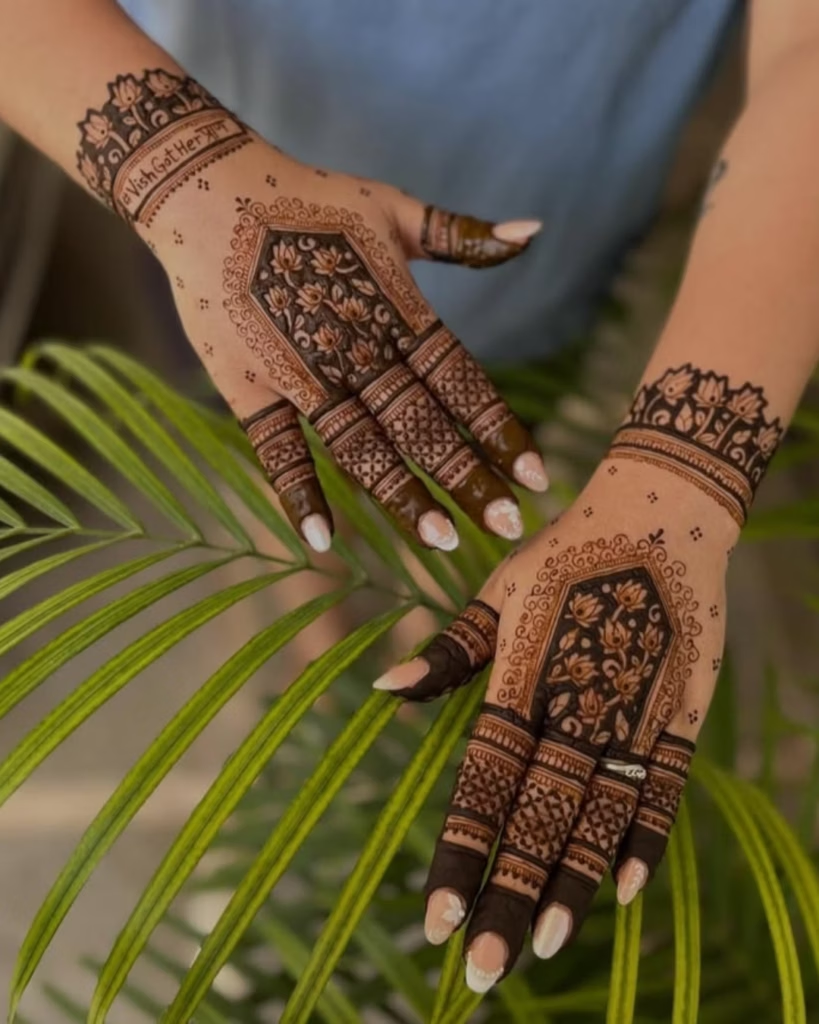
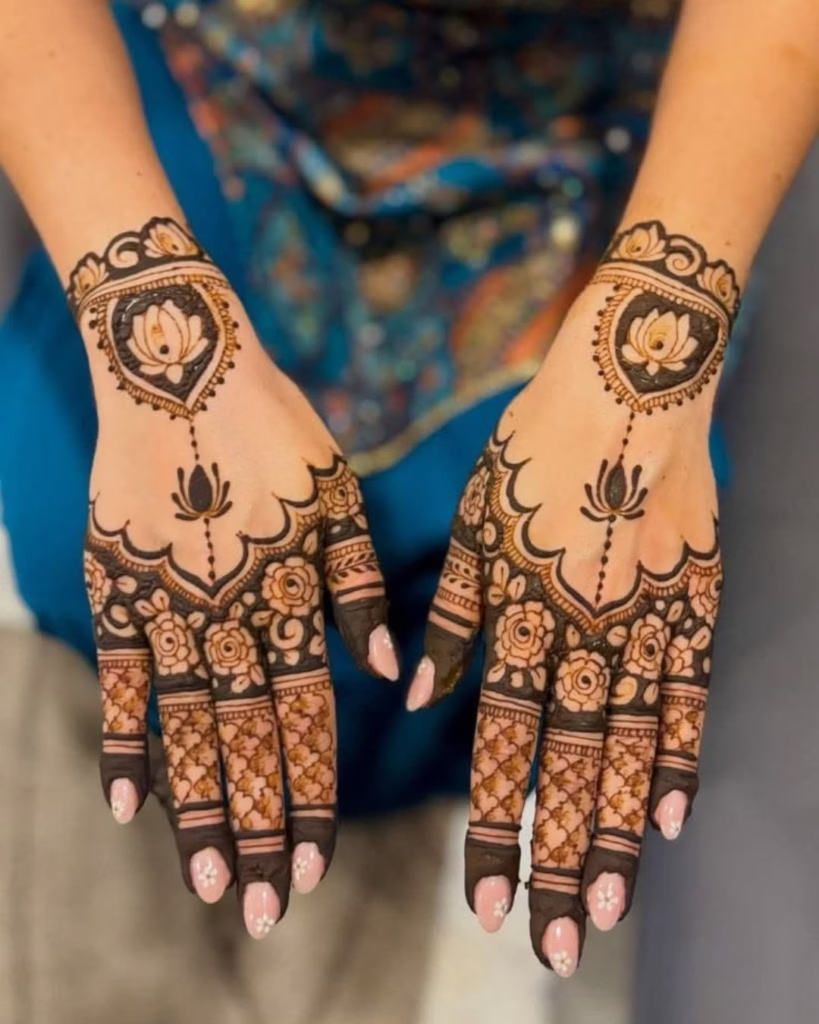
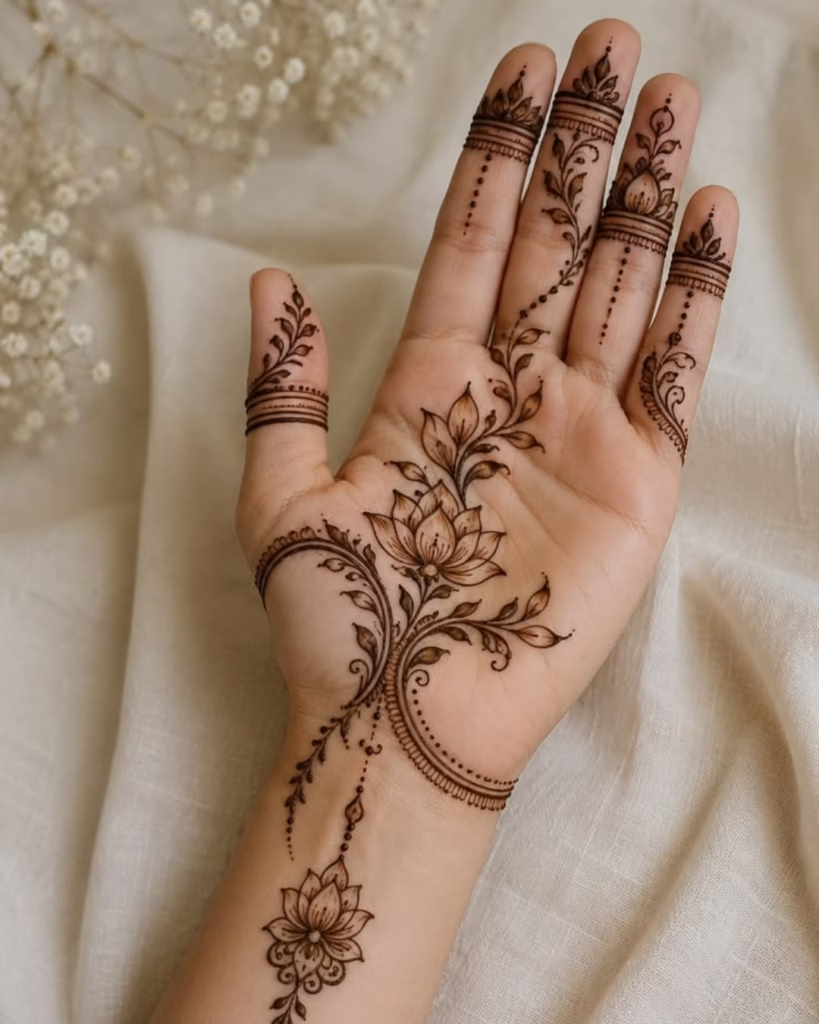
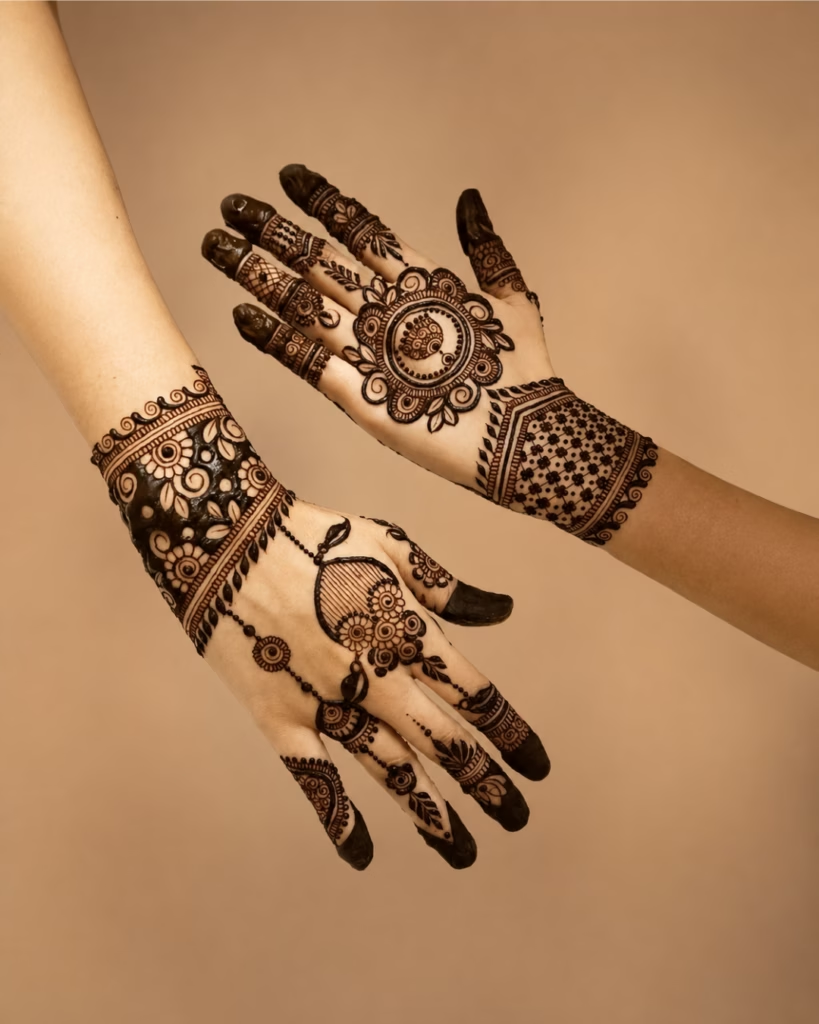
Aesthetic mehndi designs prioritise how the pattern photographs over how much of the hand it covers, using clean lines, geometric shapes and deliberate asymmetry instead of traditional motifs.
This is the style people save from Instagram and Pinterest: tattoo-inspired outlines, single-stem botanicals, and designs that look intentional rather than inherited.
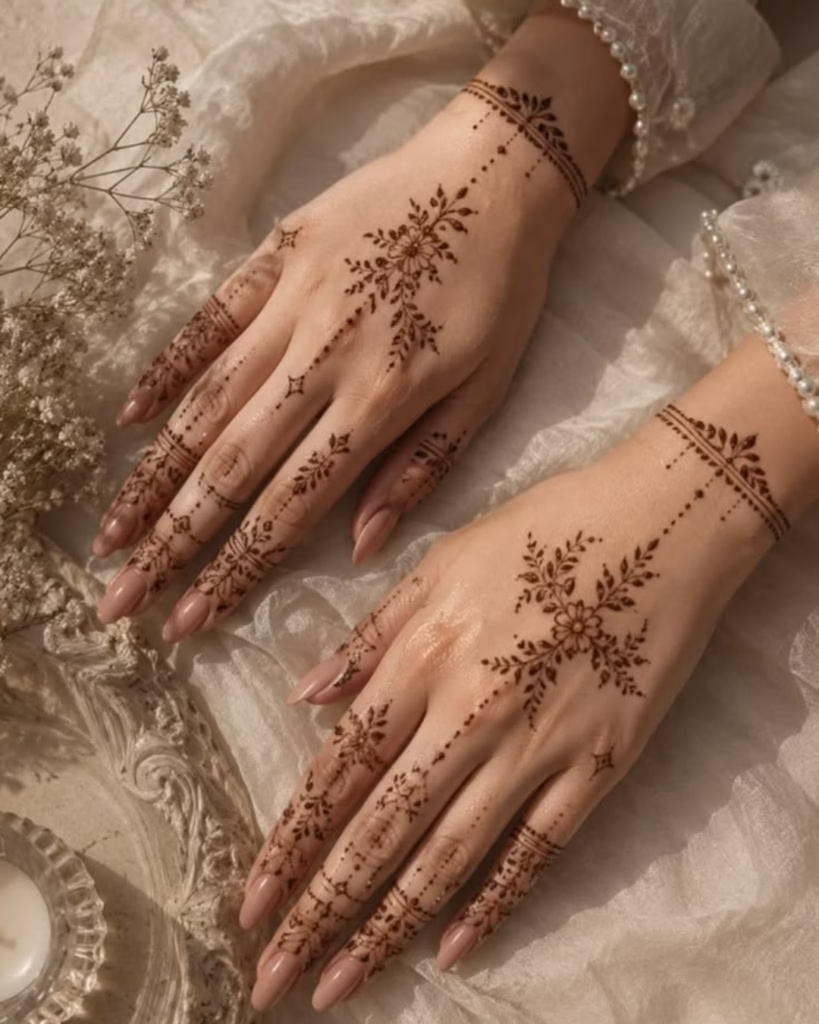
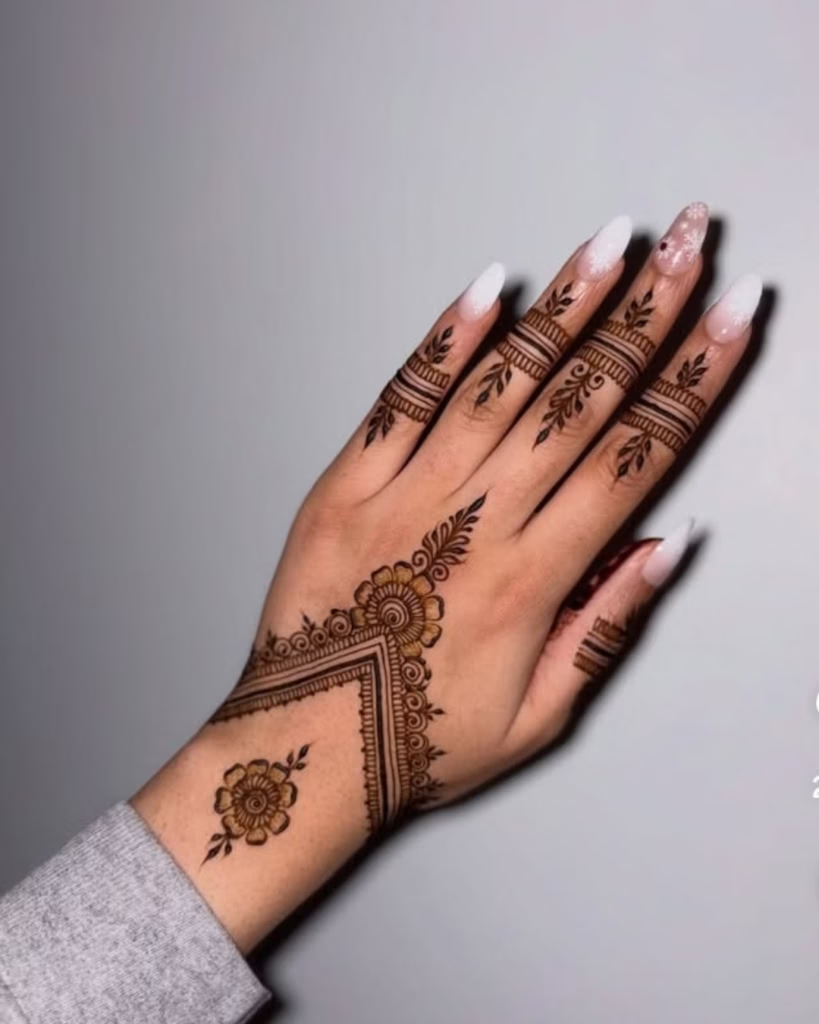
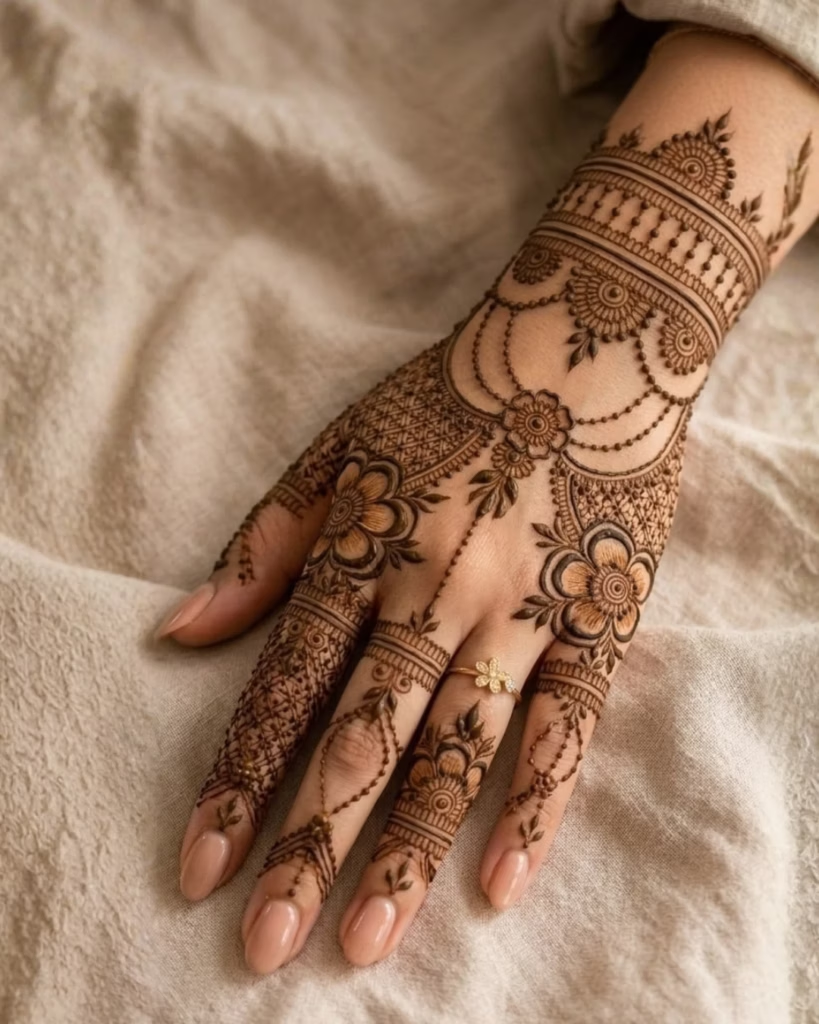
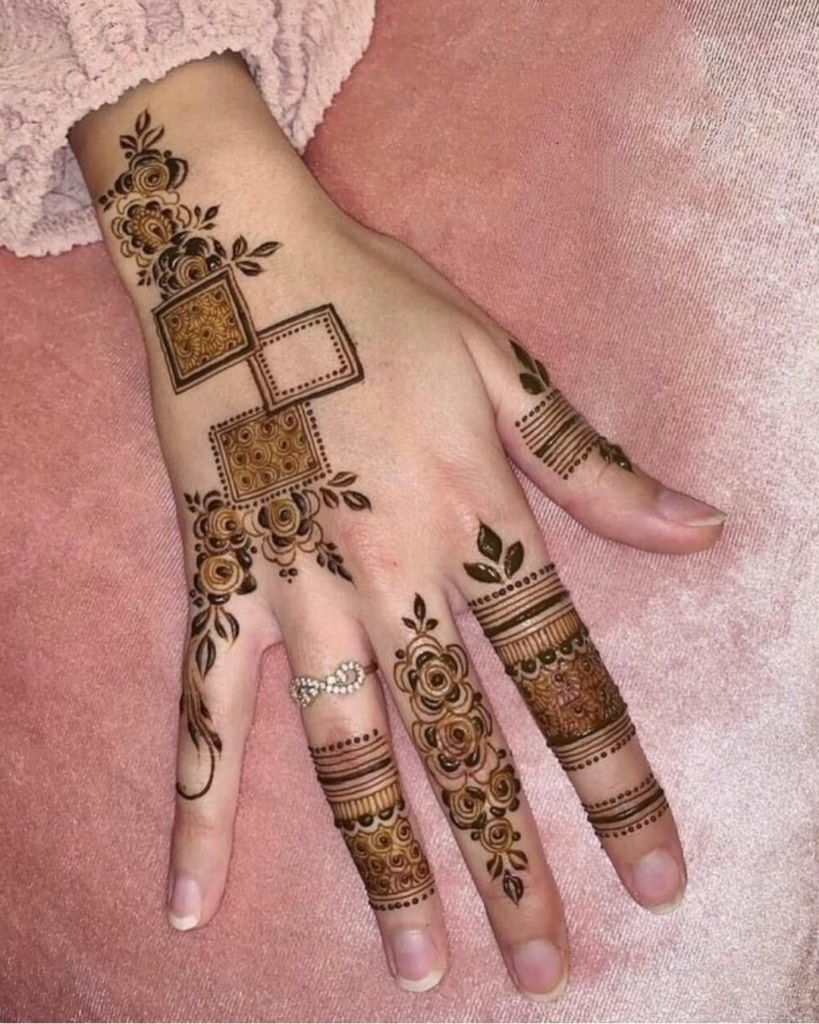
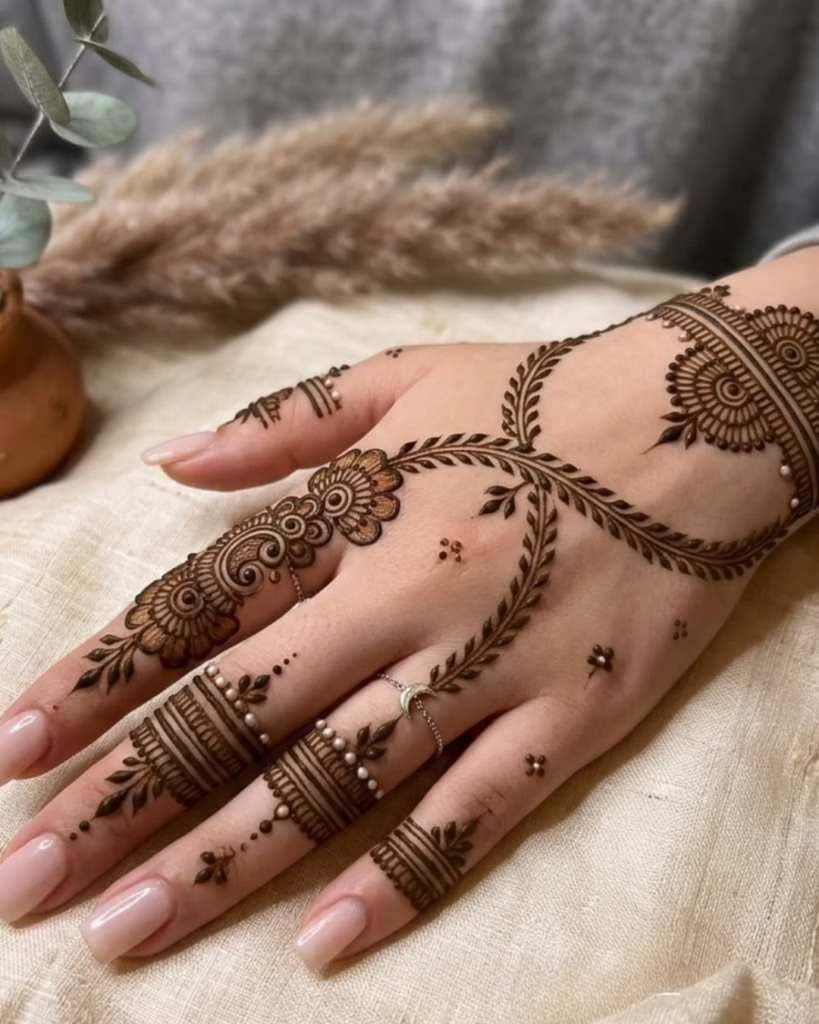
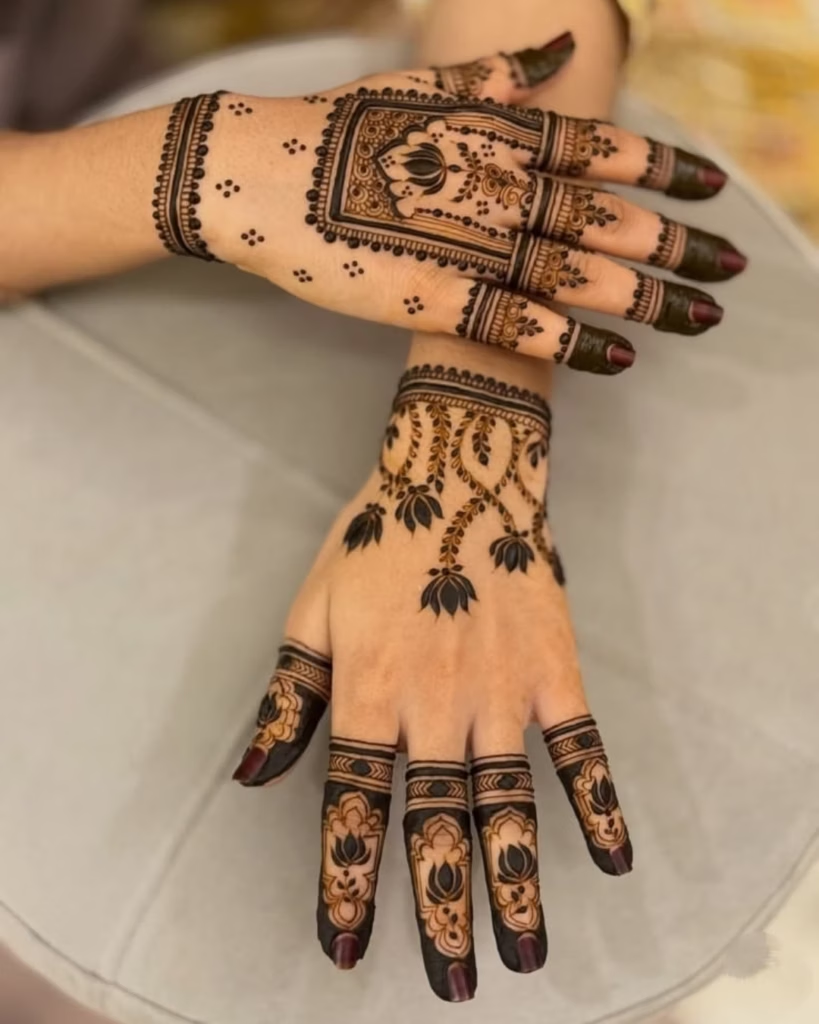
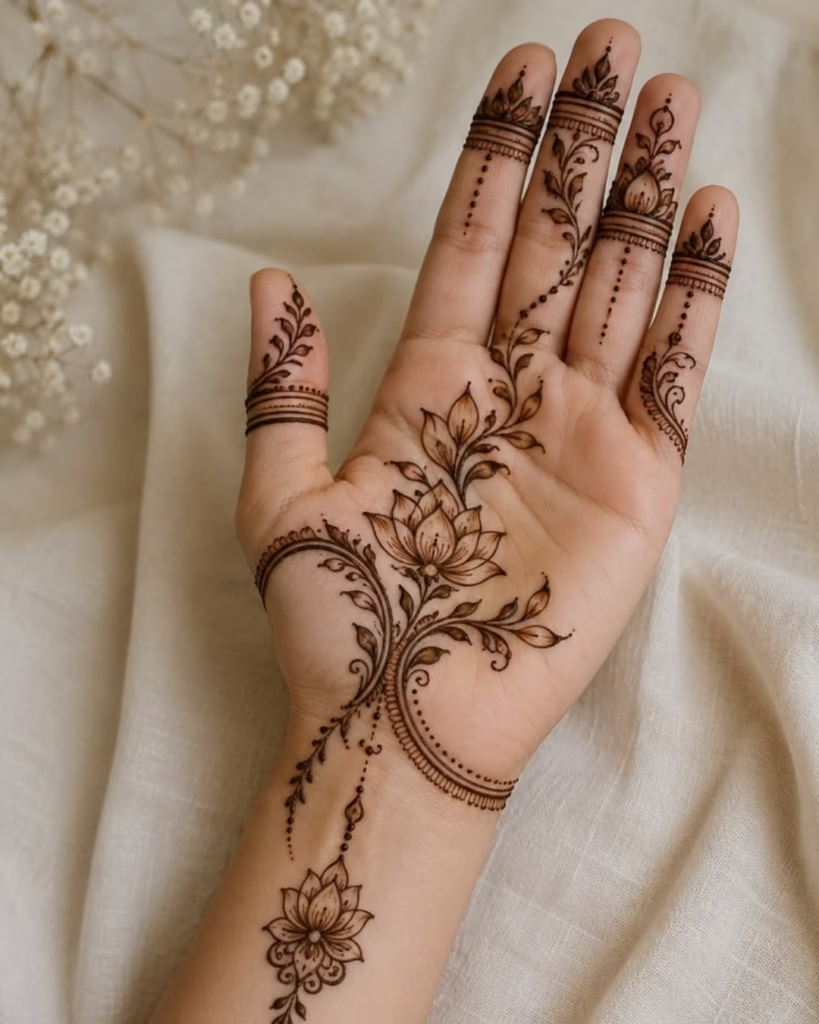
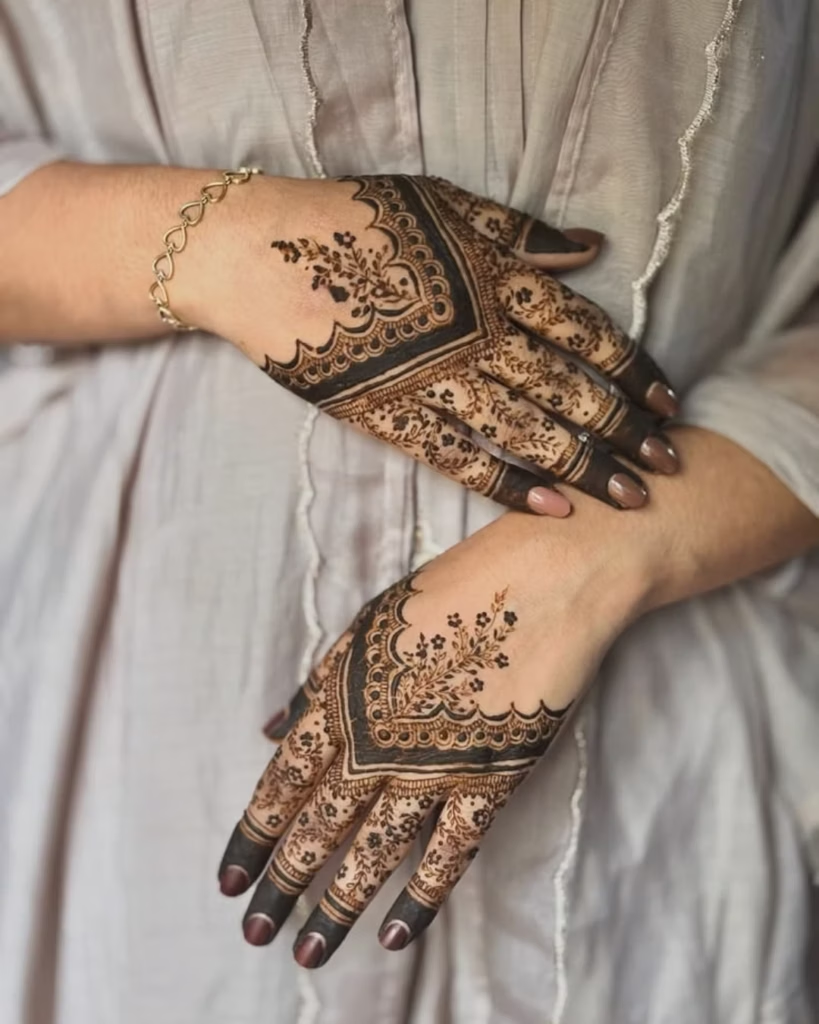
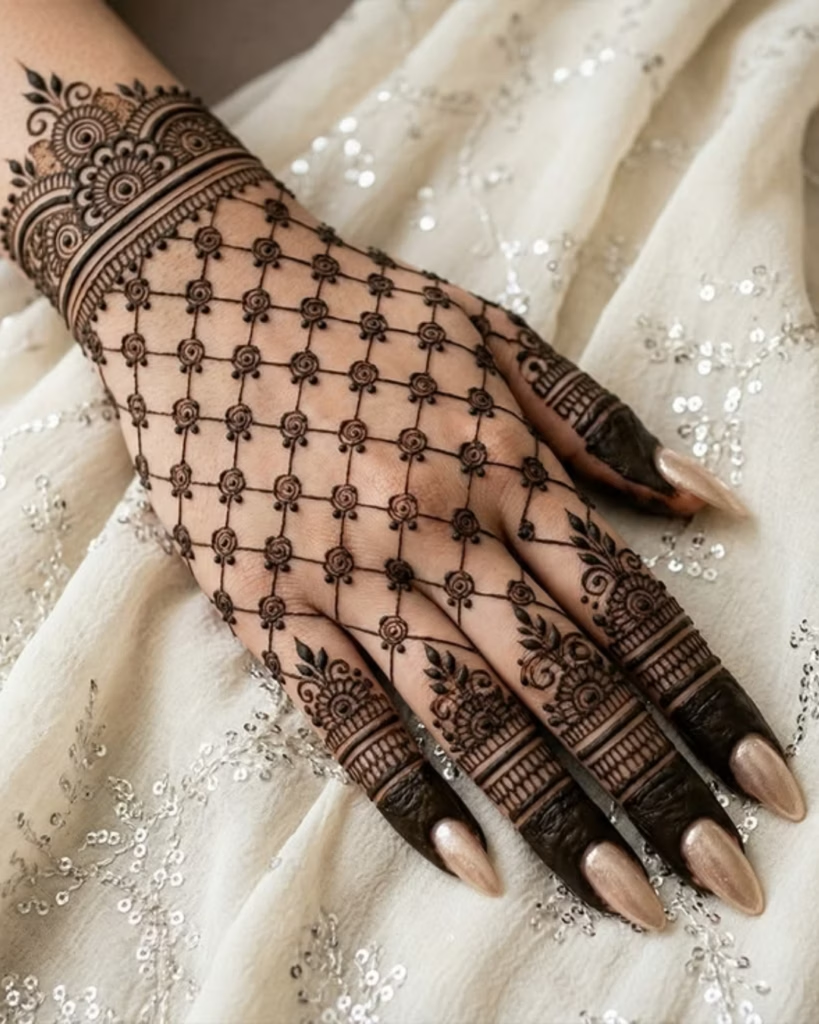
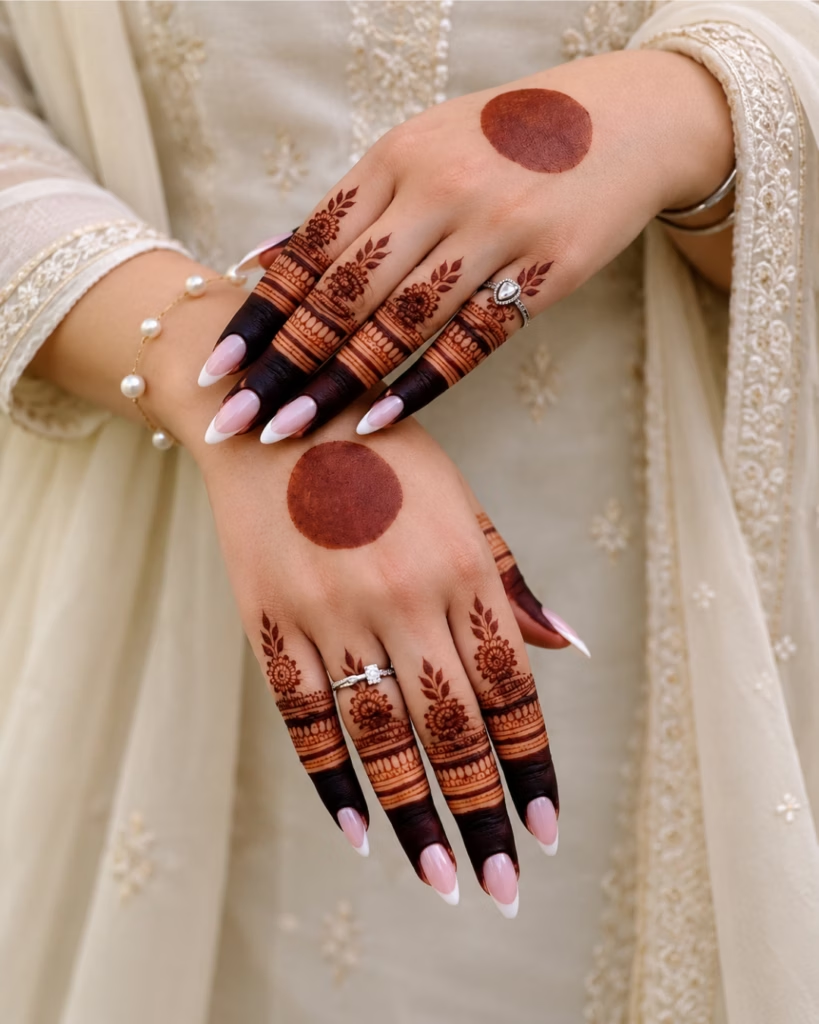
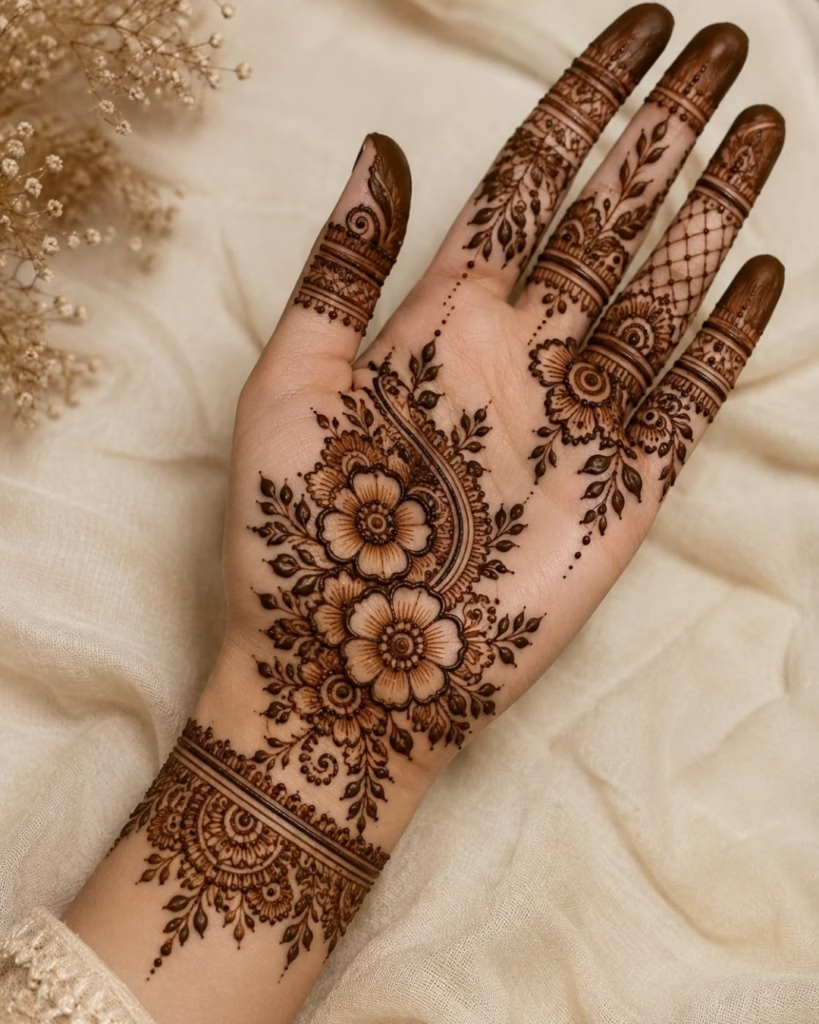
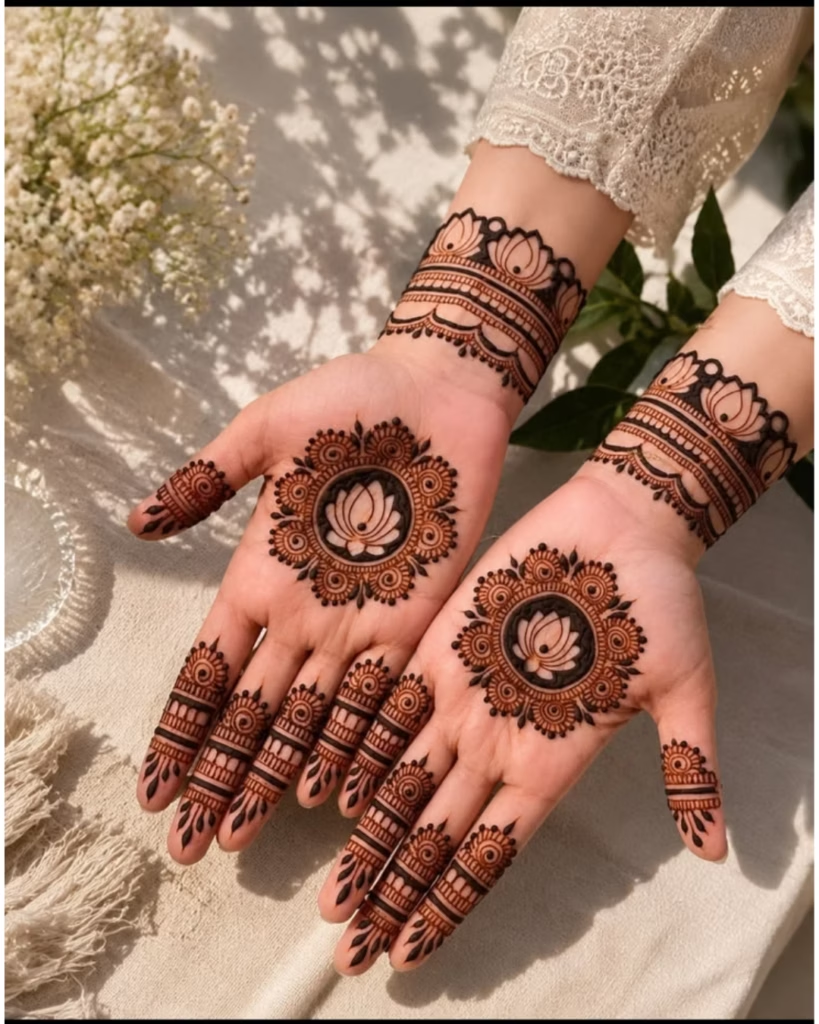
Finger, Round and Palm Mehndi Design
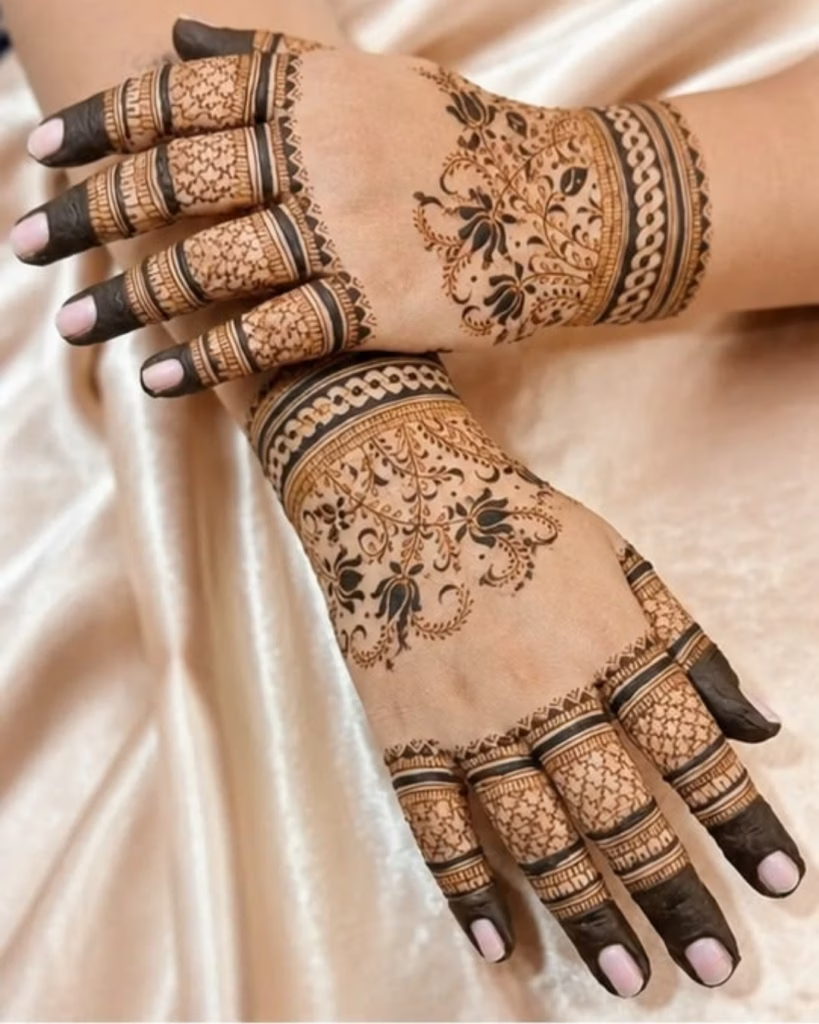
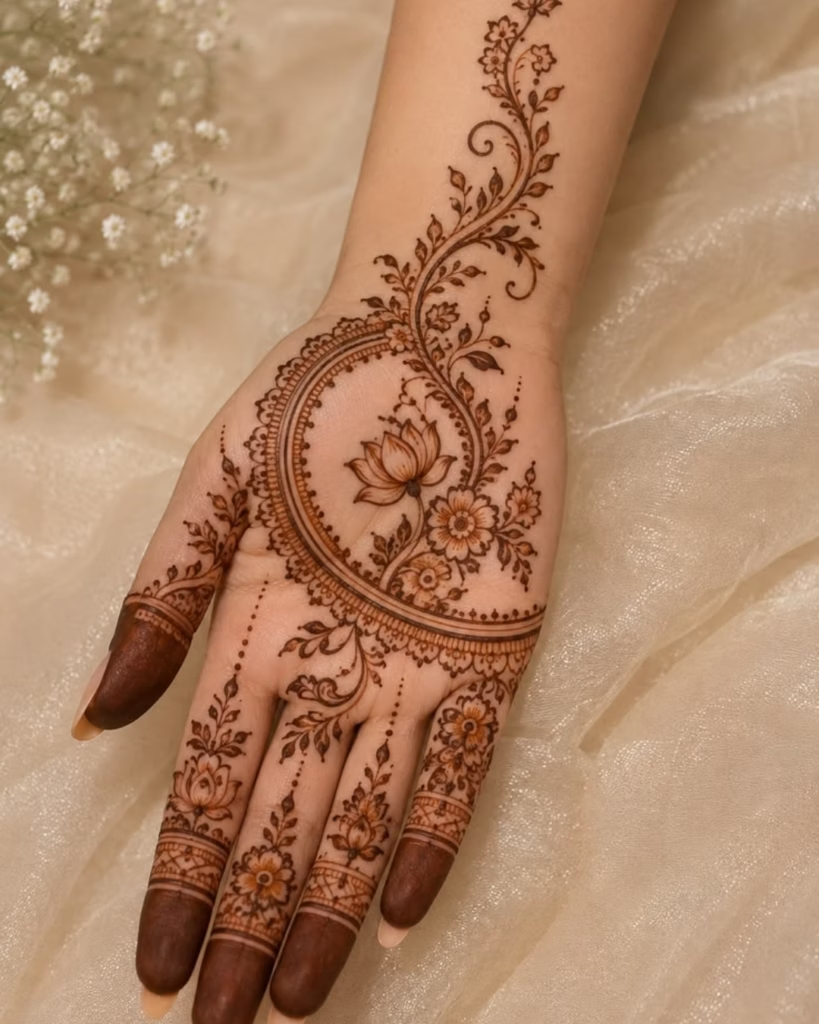
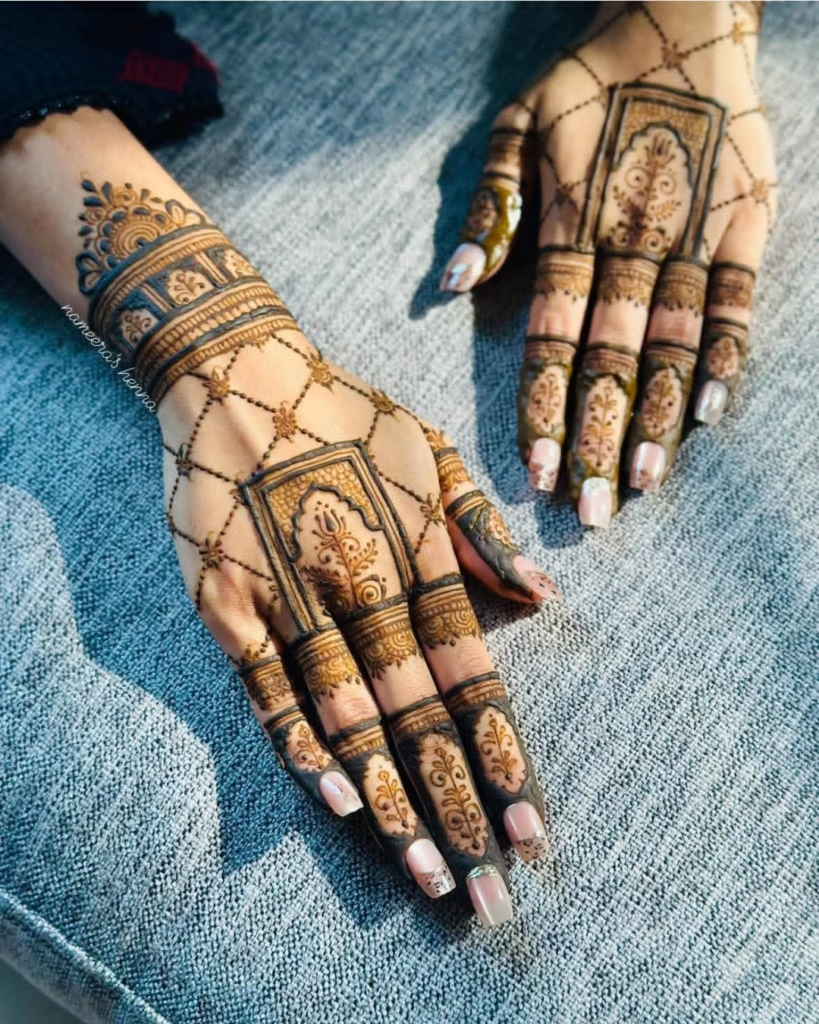
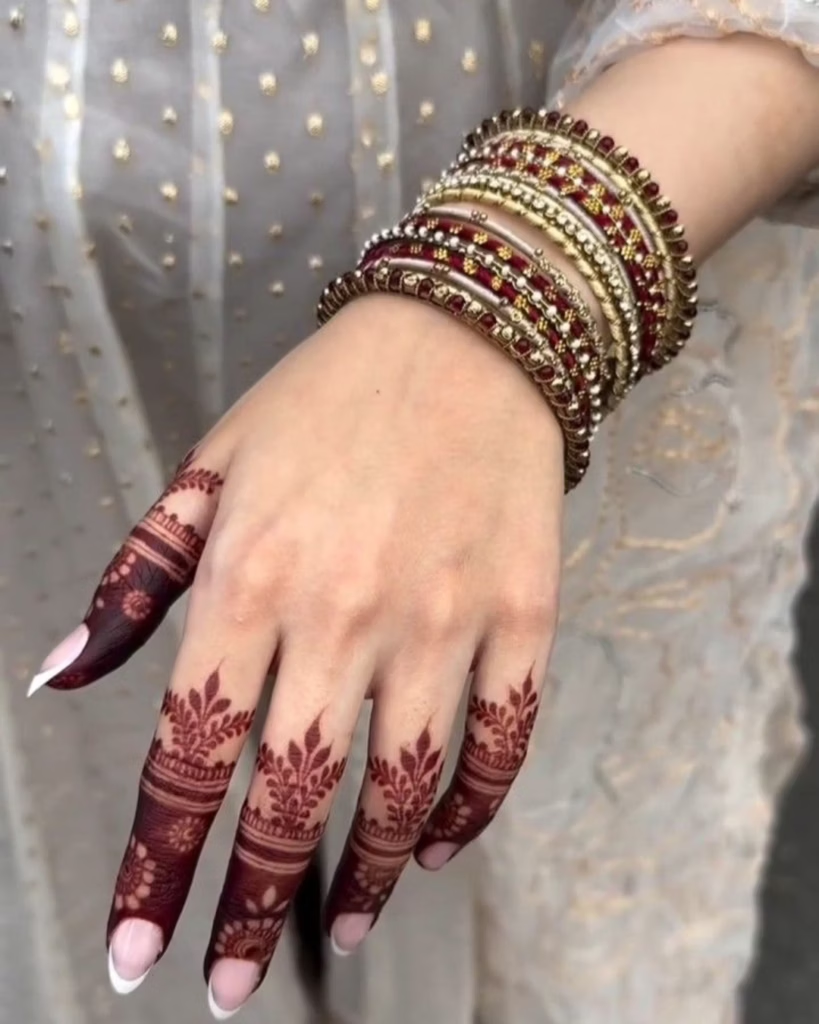
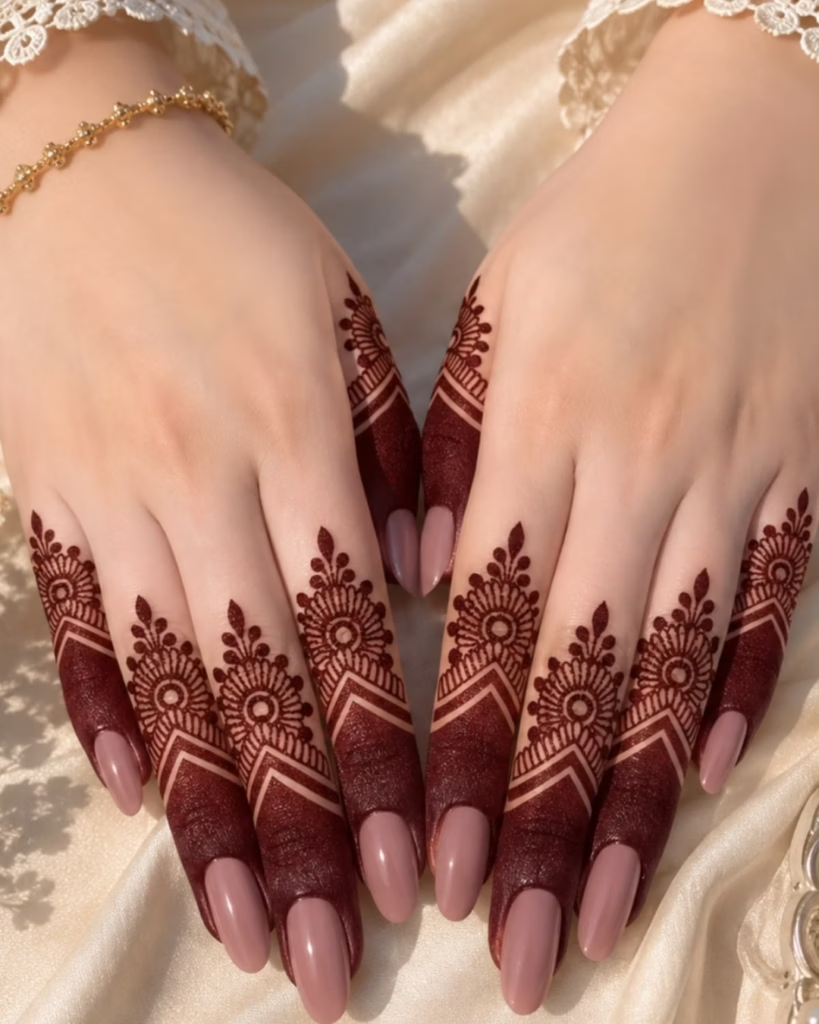
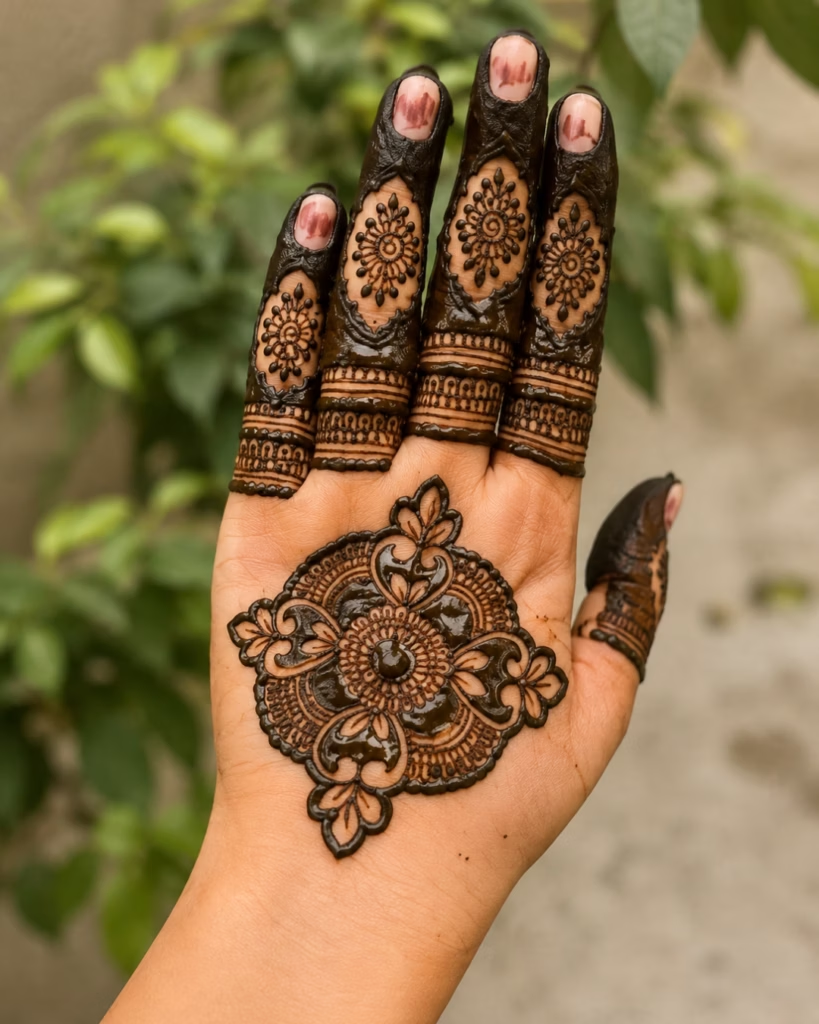
Finger mehndi designs decorate the fingers while leaving the palm bare, round designs centre a circle in the palm, and palm designs concentrate all detail in the centre of the hand.
Finger-focused mehndi is the placement trend of 2026: knuckle bands, henna rings and full-length finger wraps with an intentionally empty palm below.
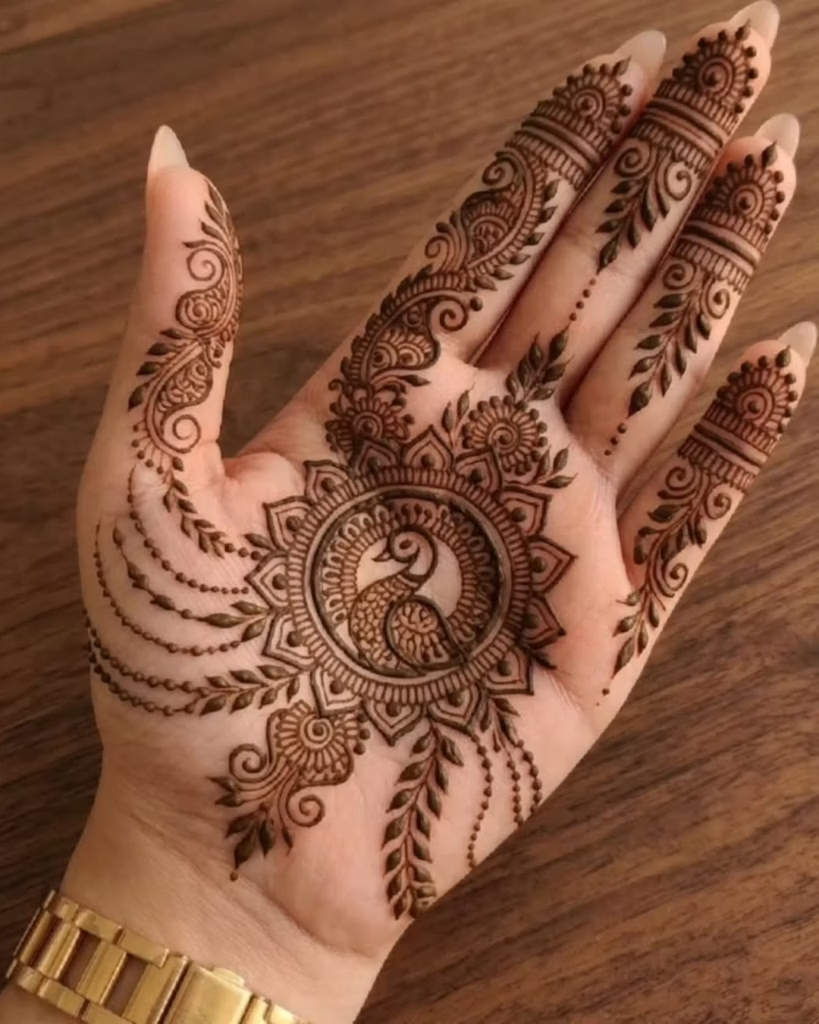
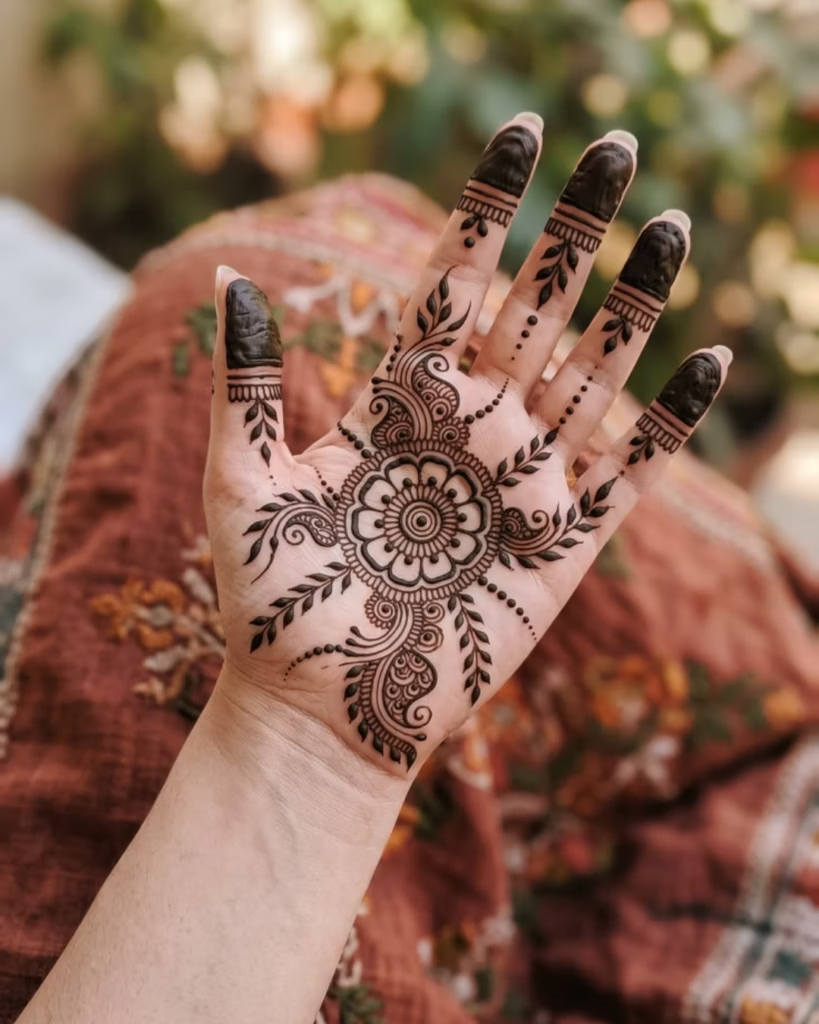
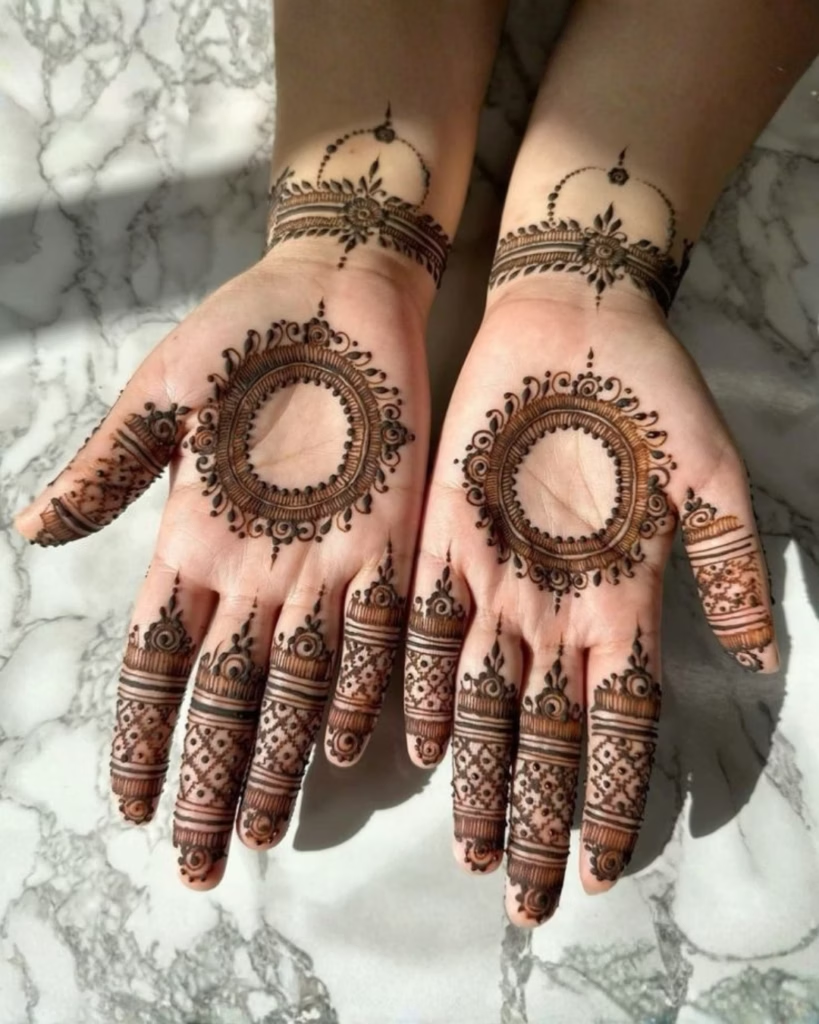
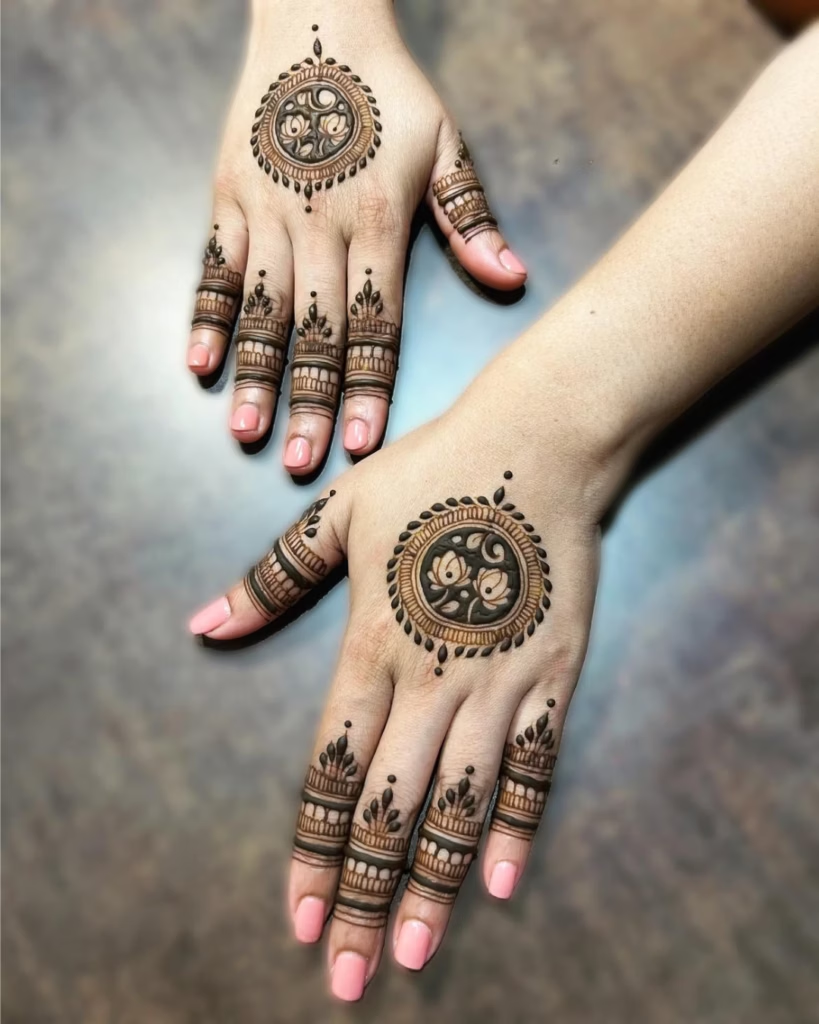
Mehndi Design for Girls
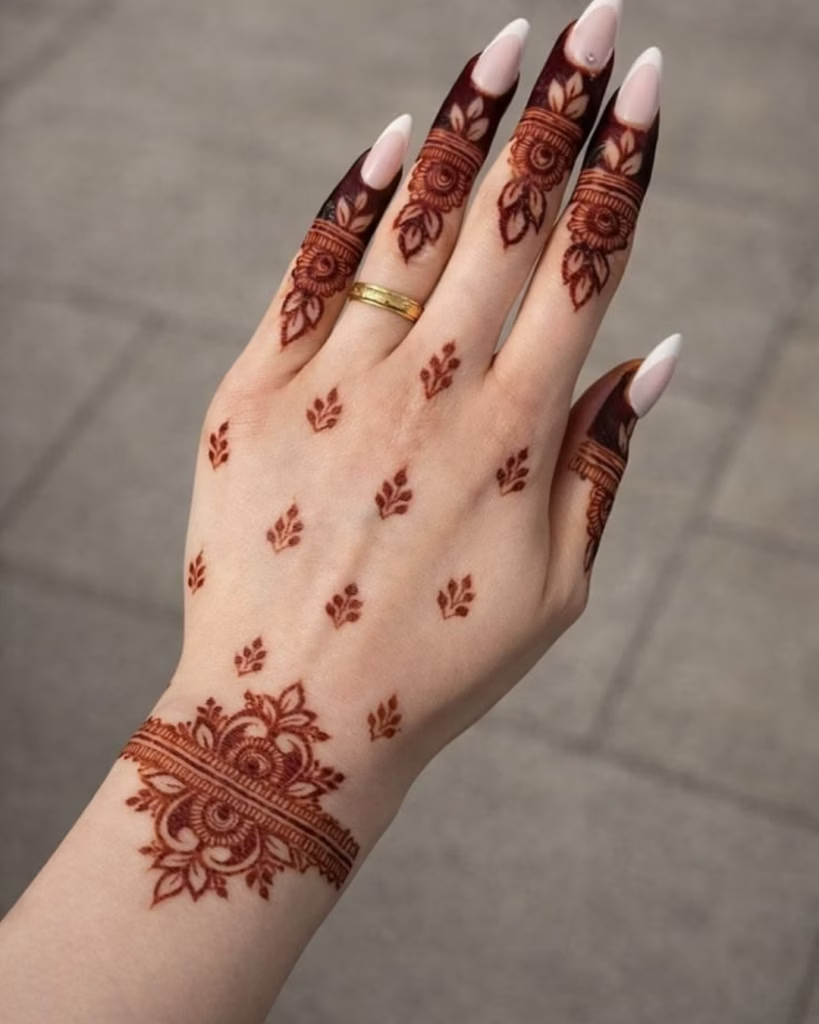
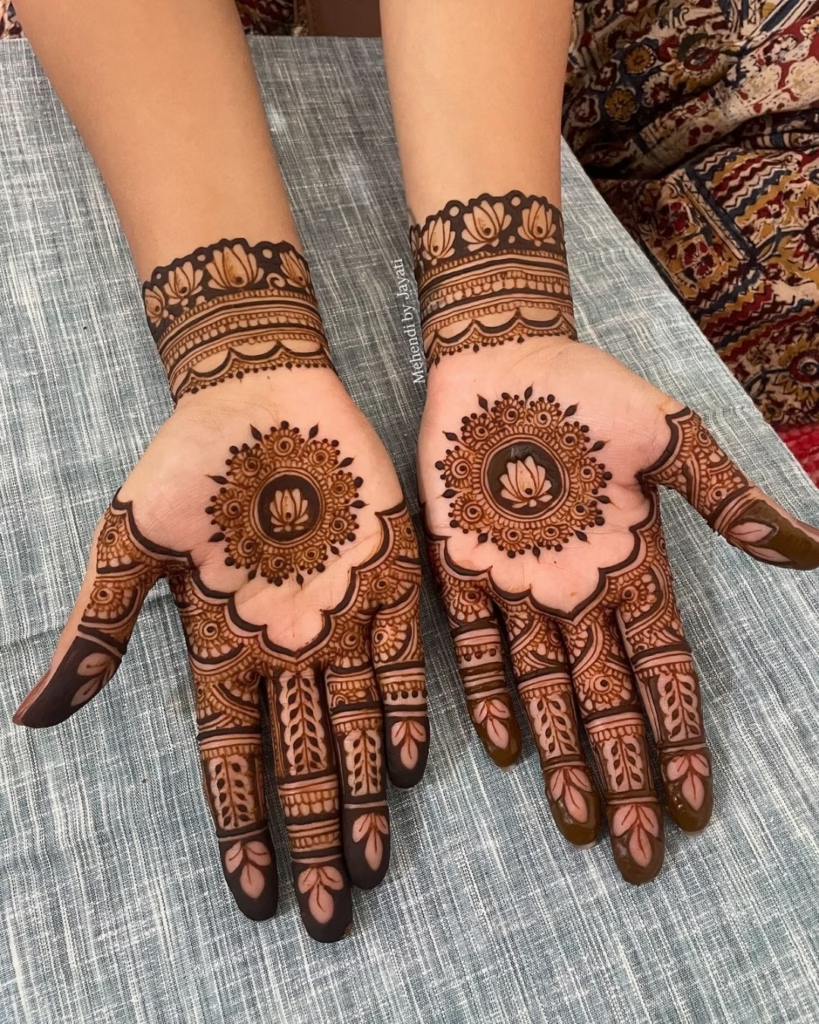
Mehndi designs for girls in 2026 lean light and modern: a small palm motif with two decorated fingers, or a back hand bracelet trail, finished in 20 to 30 minutes.
Younger wearers pick designs they found themselves rather than what the artist has time for, and a design chosen that way gets better aftercare and better colour.
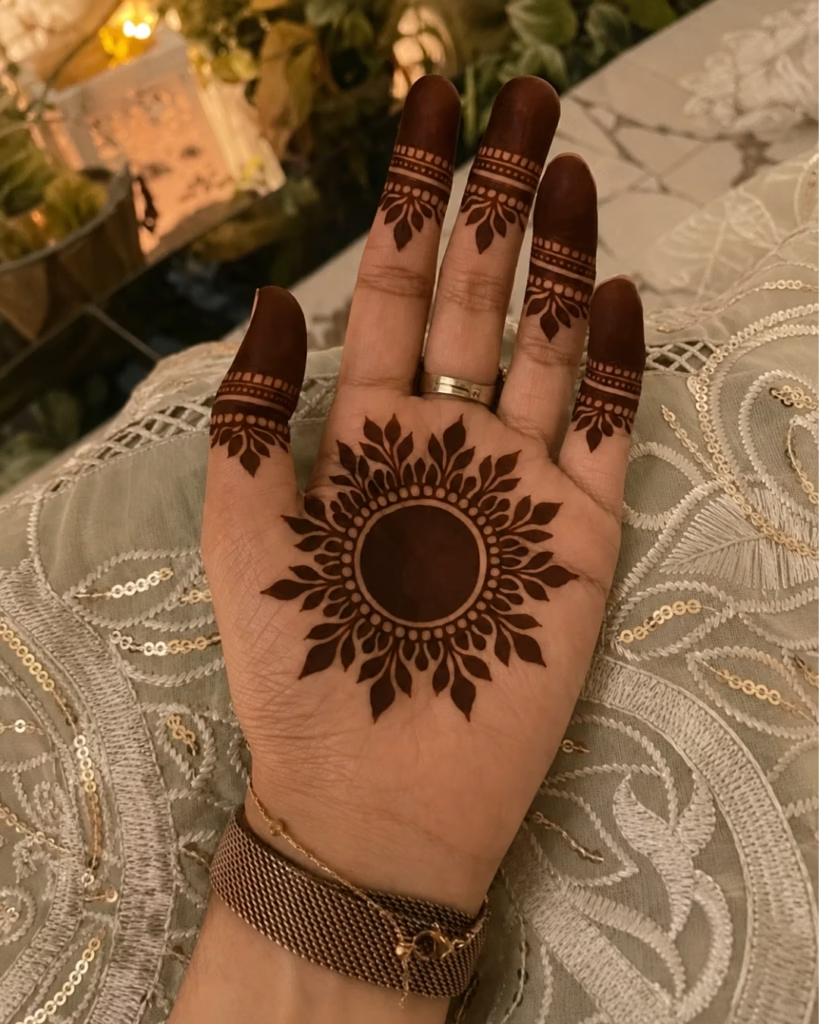
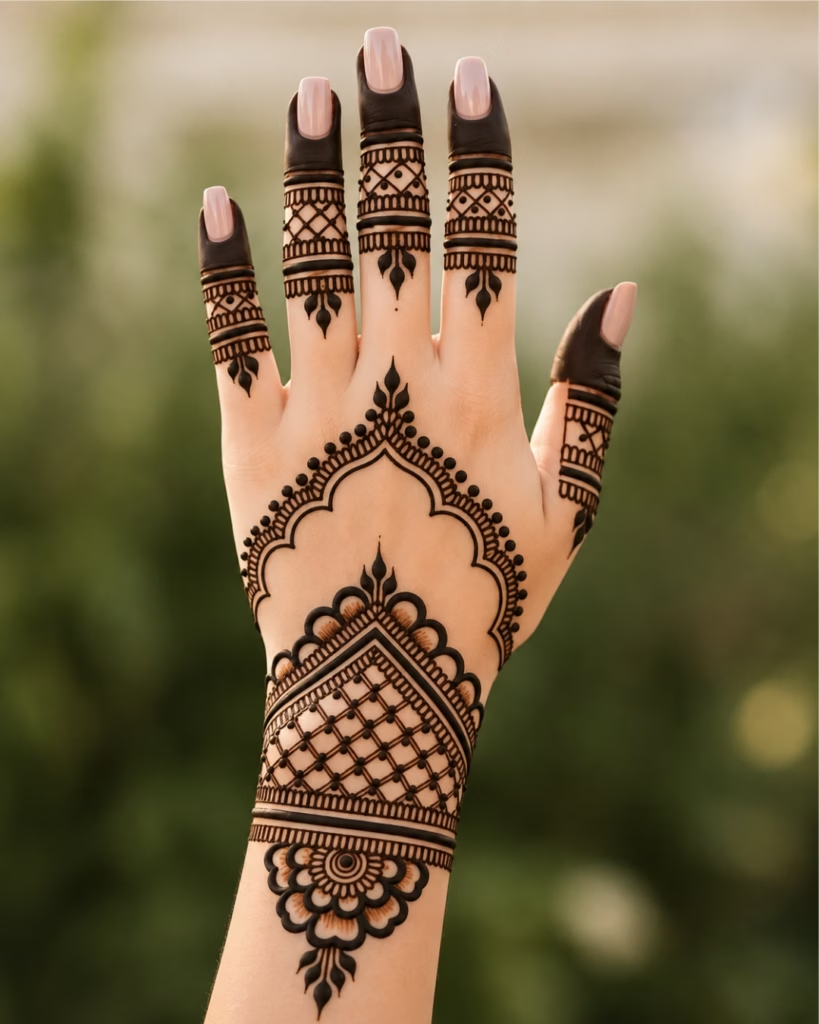
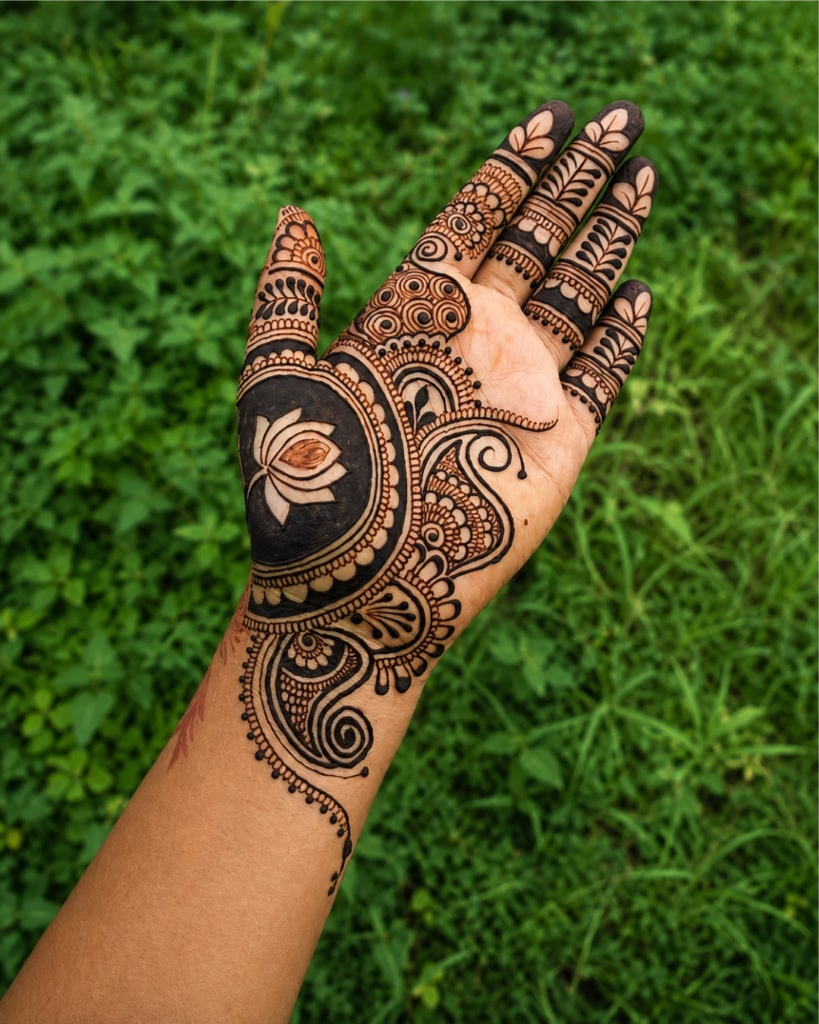
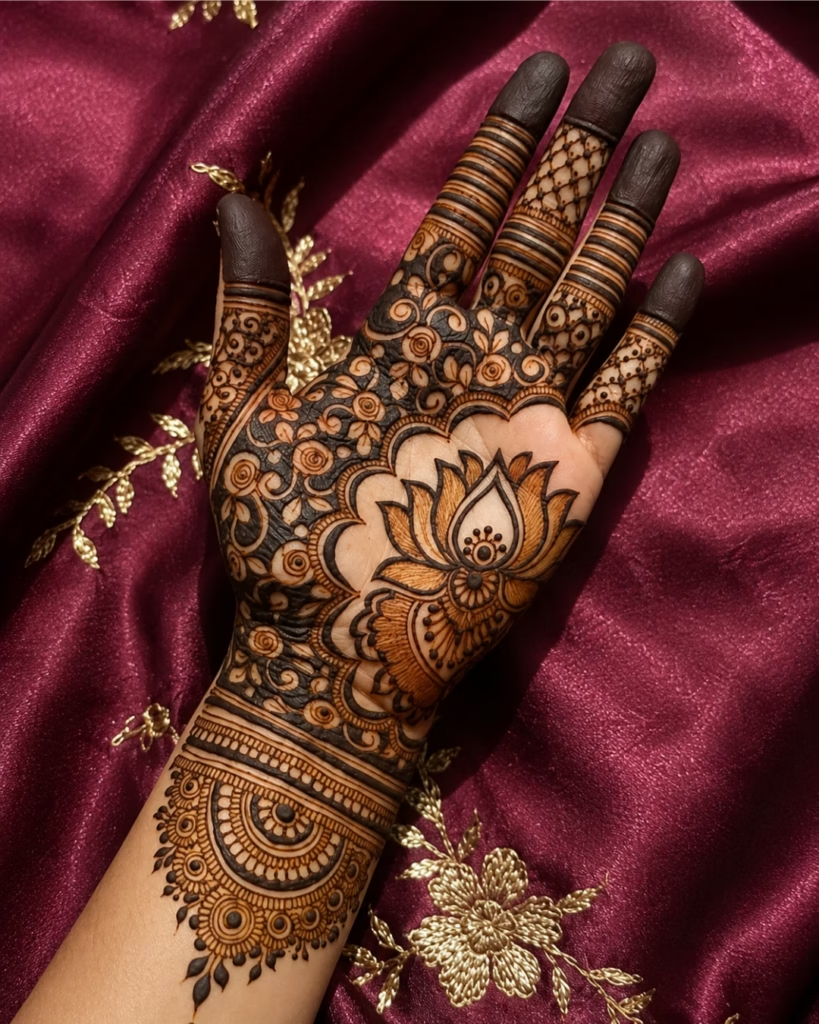
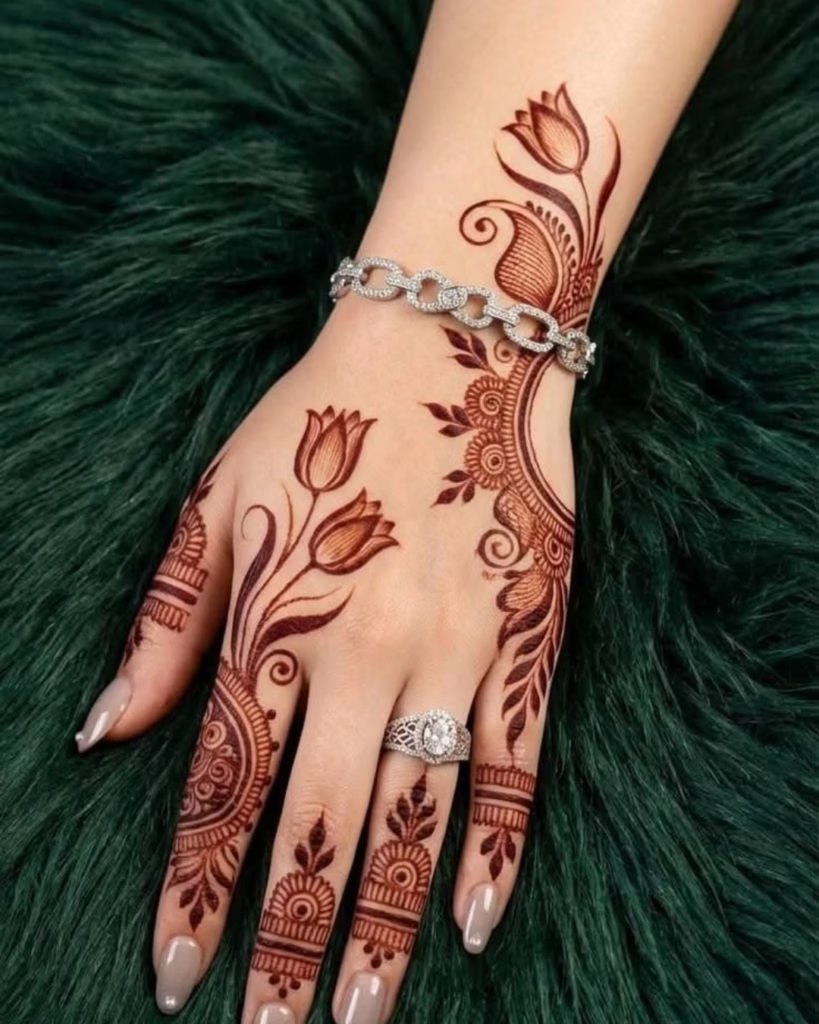
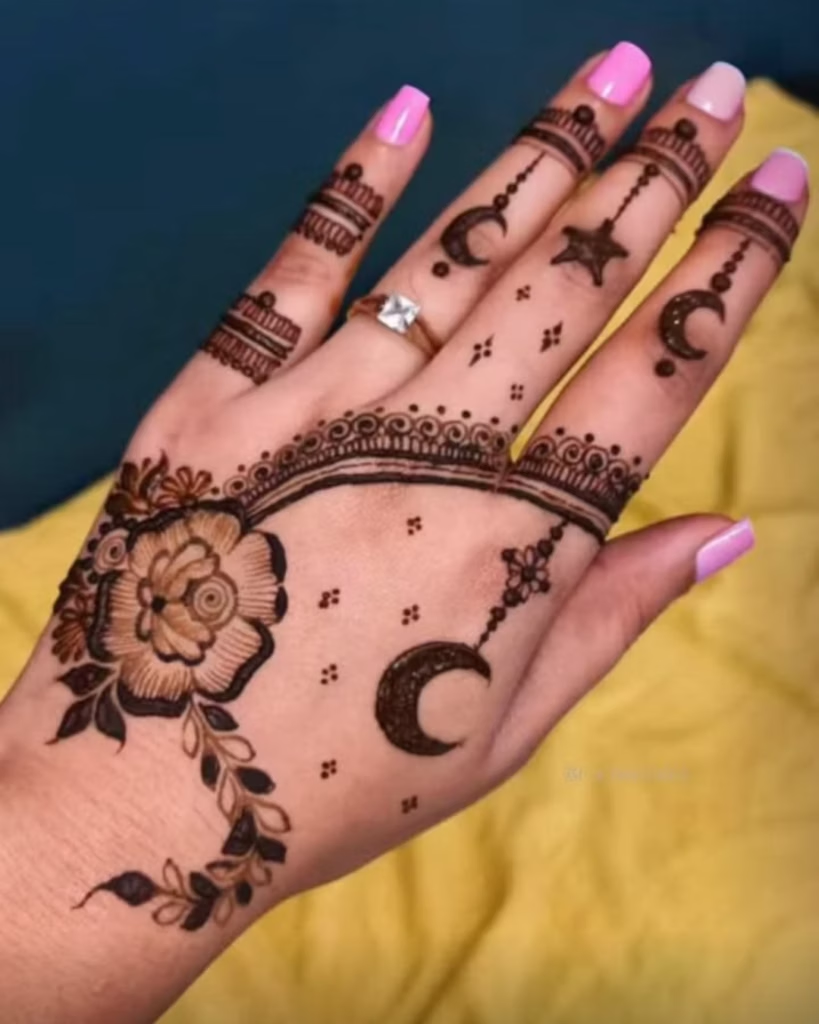
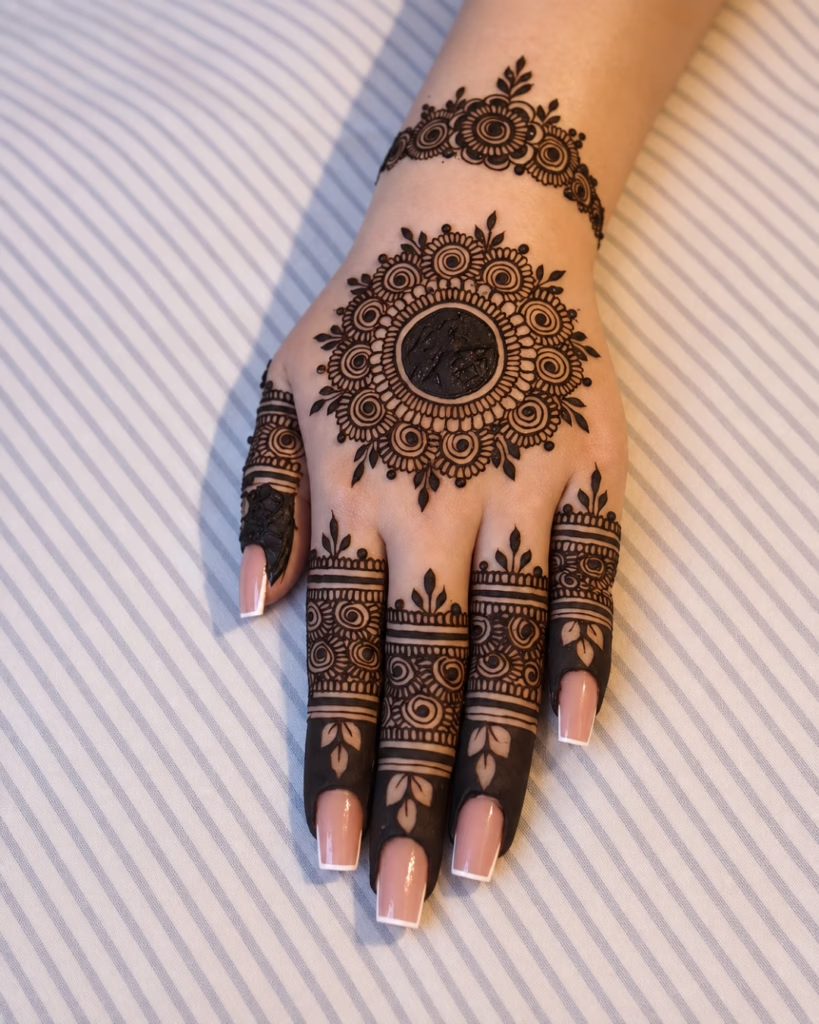
Front and Back Hand Mehndi Design Together
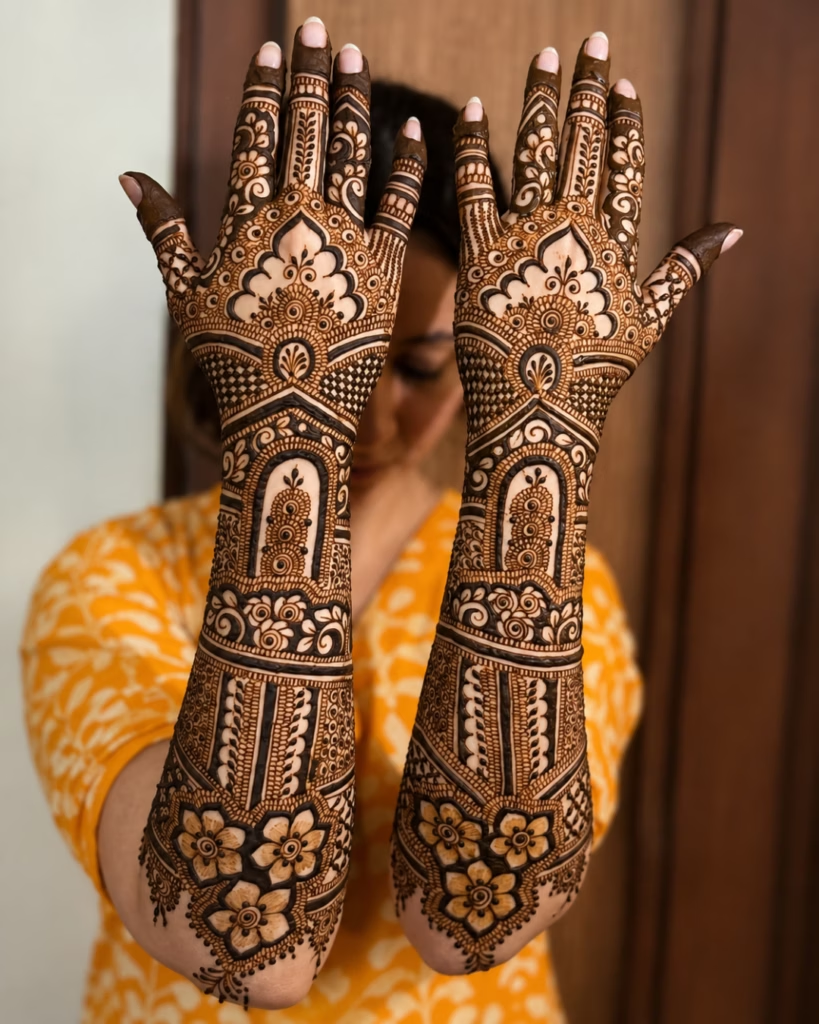
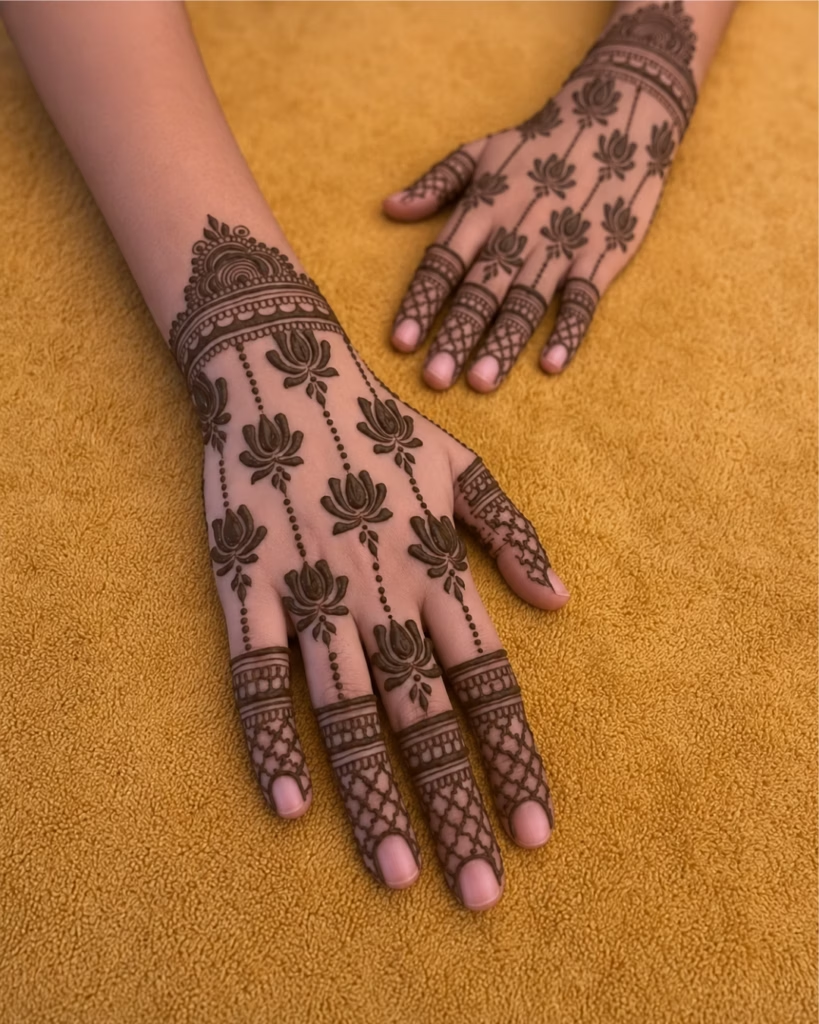
Applying mehndi on both the front and back of the hand gives a complete look, and the standard 2026 approach is a detailed palm with a lighter back hand so the two sides balance rather than compete.
If you are wearing bangles or a chooda, keep the wrist area open on both sides so the jewellery reads clearly.
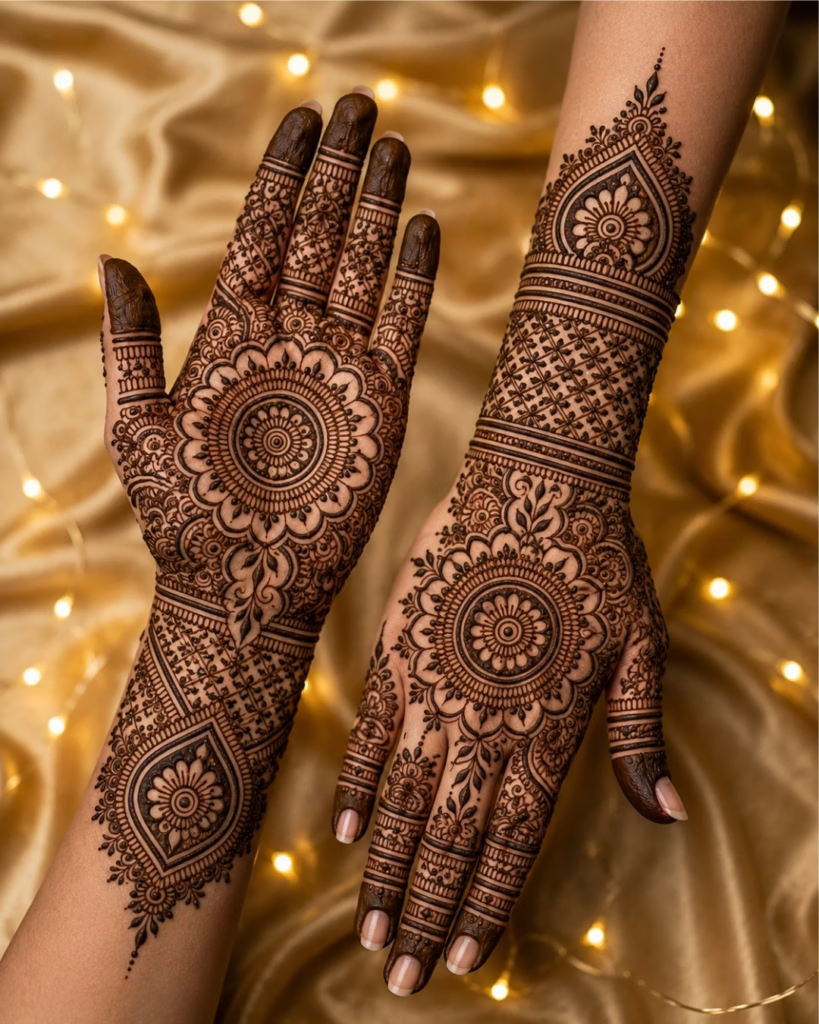
Mehndi Designs for Sawan, Teej and Raksha Bandhan
Sawan is underway, Hariyali Teej falls on Saturday 15 August 2026 (the same day as Independence Day, making it a long festive weekend), and Raksha Bandhan is on Friday 28 August 2026. Applying mehndi is a core ritual for each. Green-themed Teej mehndi paired with green bangles, and quick 15-minute Rakhi designs are what everyone is searching for right now.
What to apply for each occasion:
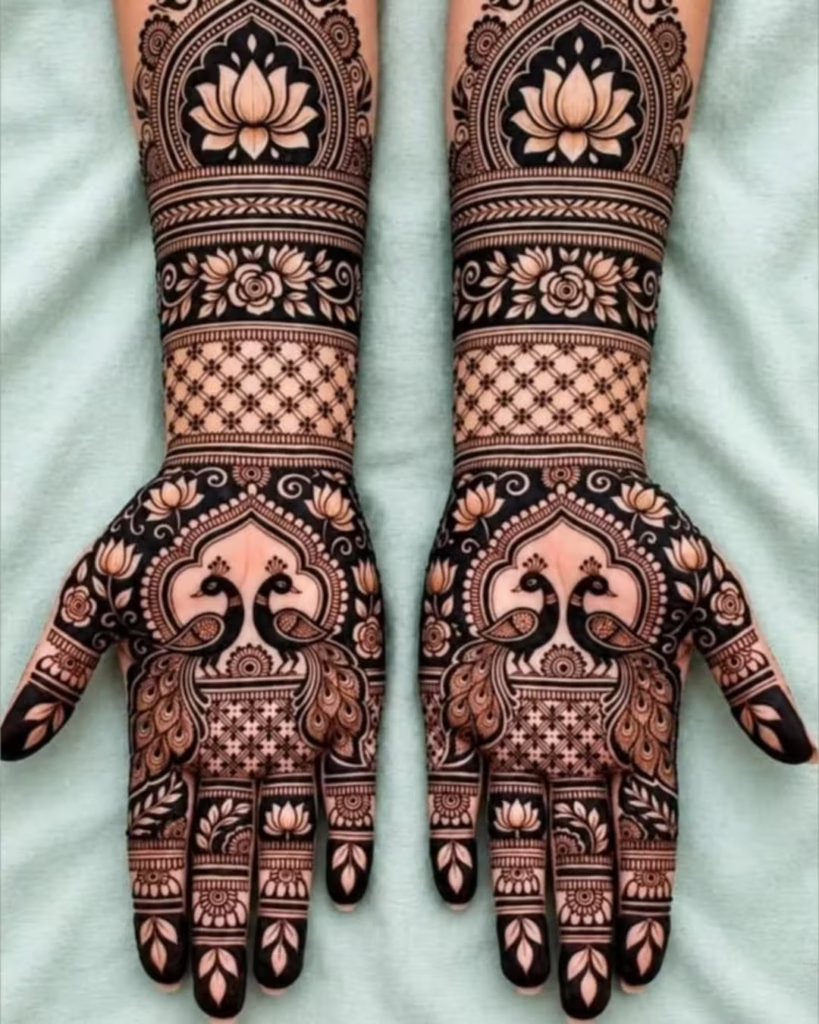
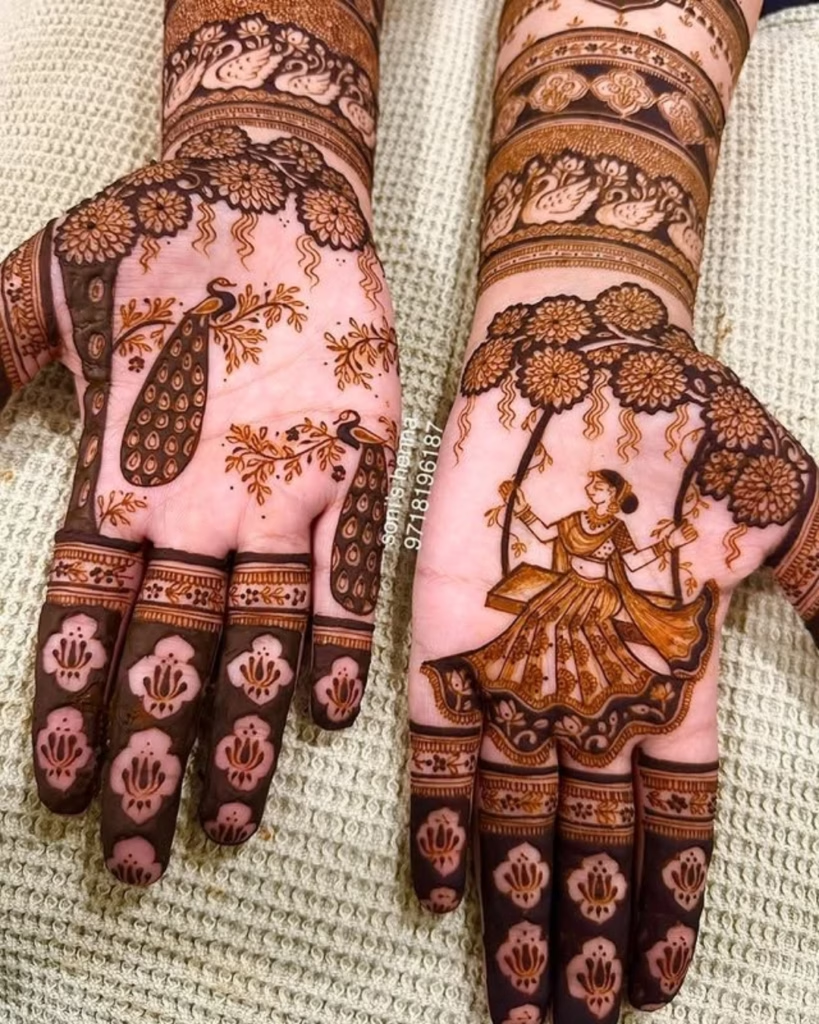
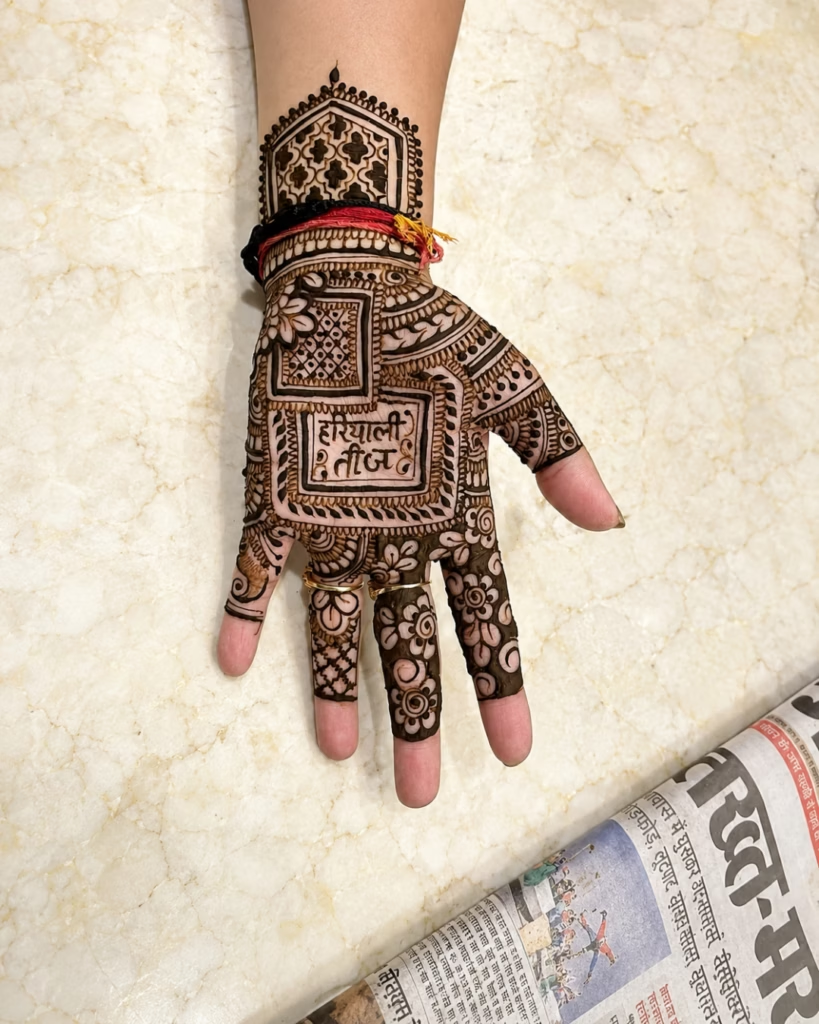
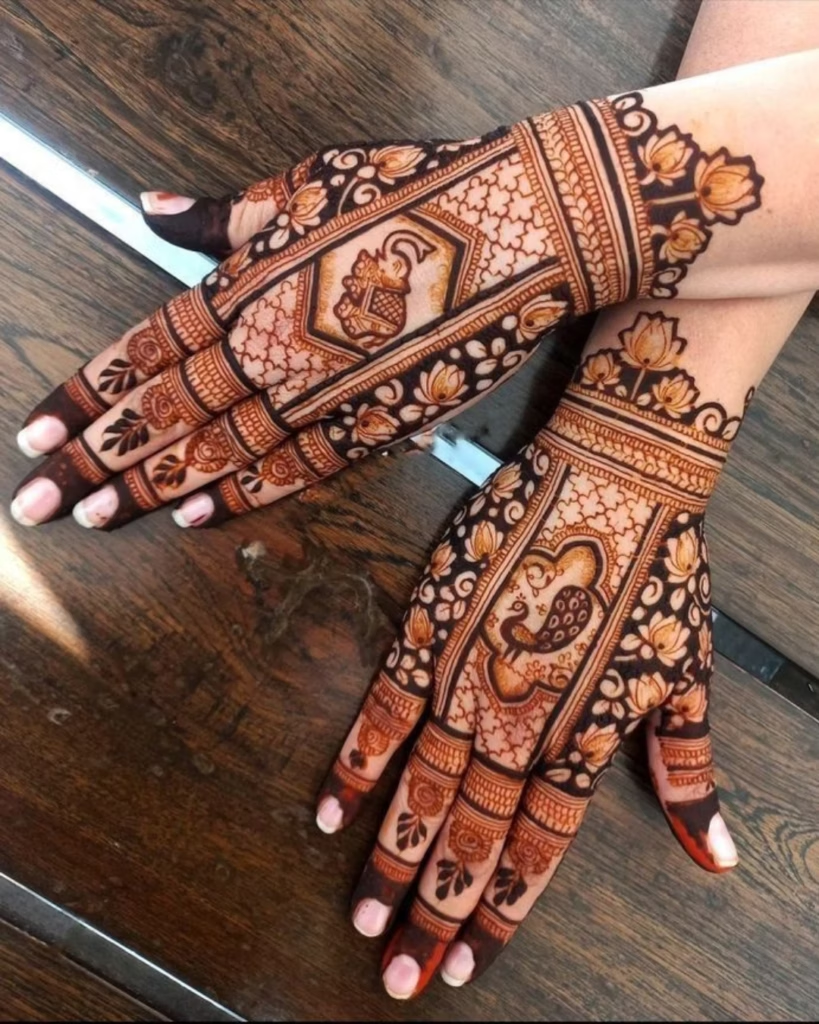
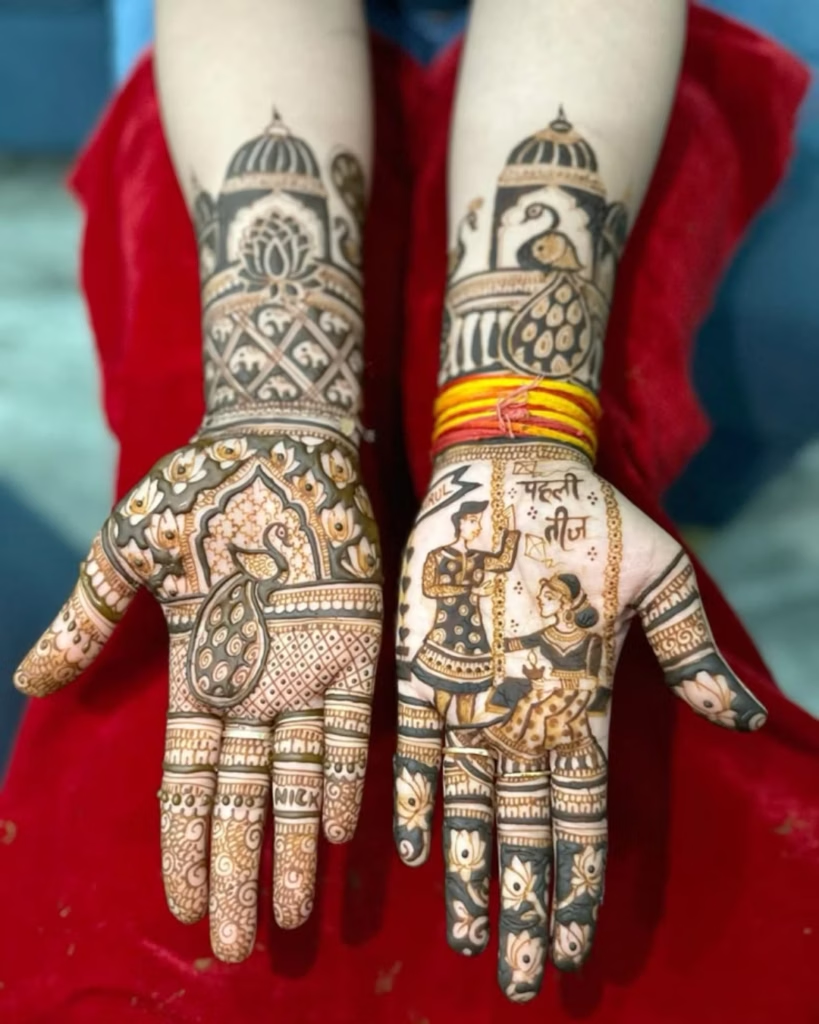
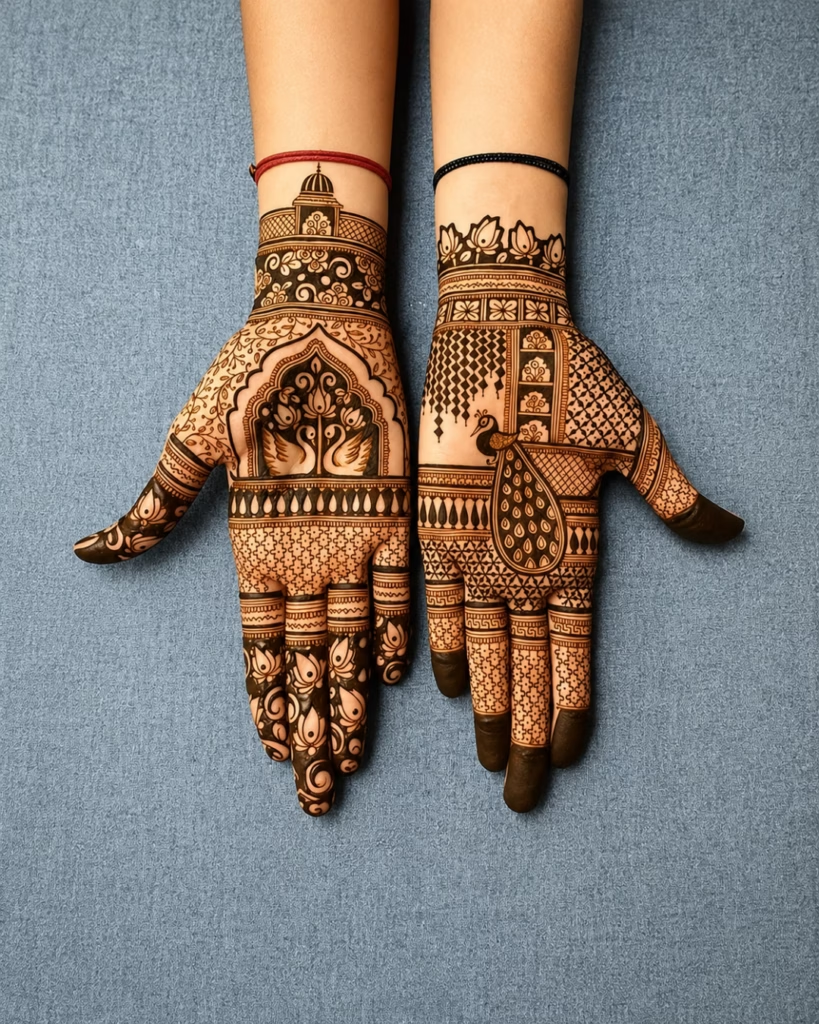
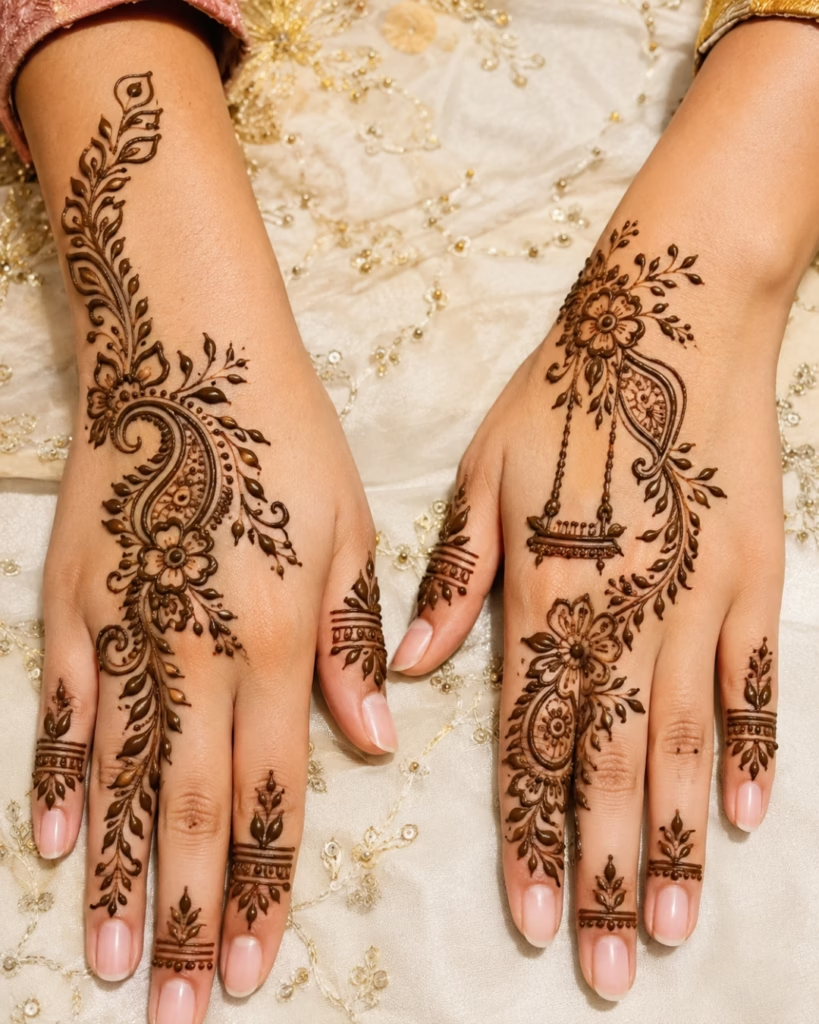
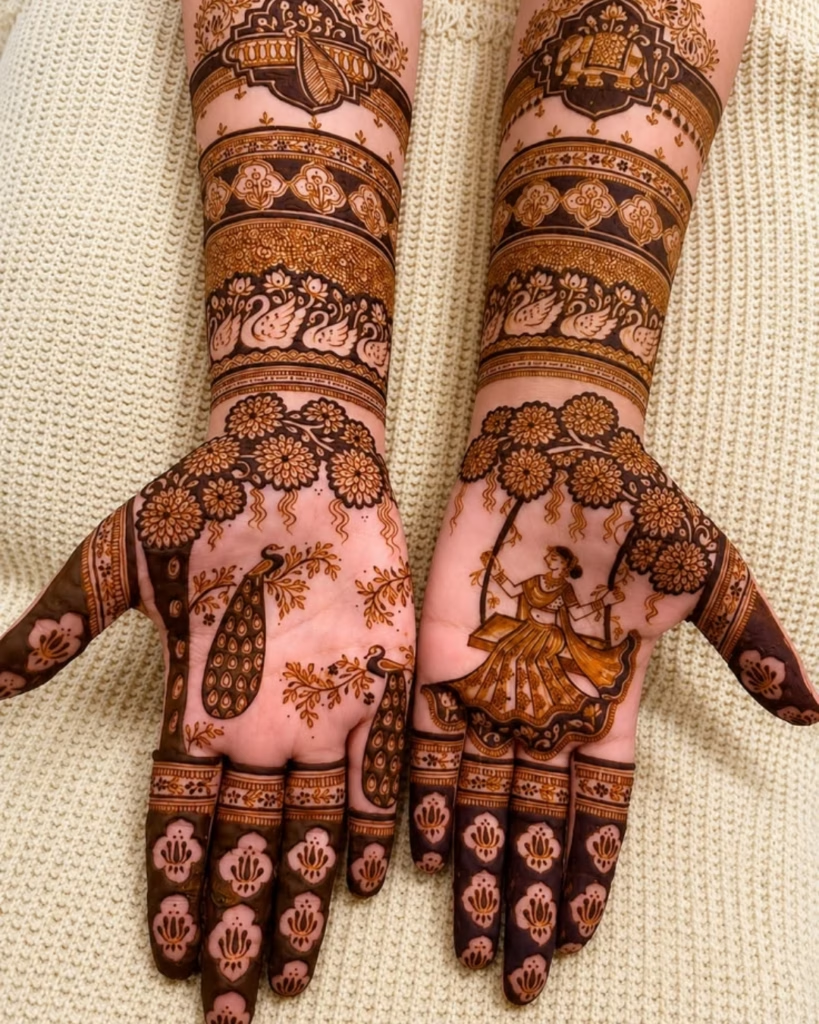
- Hariyali Teej: full front hand with peacock and swing (jhula) motifs, the traditional Teej symbols
- Raksha Bandhan: quick finger mehndi or a small palm tikki, done in 15 to 20 minutes before the rakhi ceremony
- Sawan Mondays: simple floral trails and shiv-parvati inspired minimal motifs
- Independence Day: small tricolor-inspired mehndi accents, a real trend every August
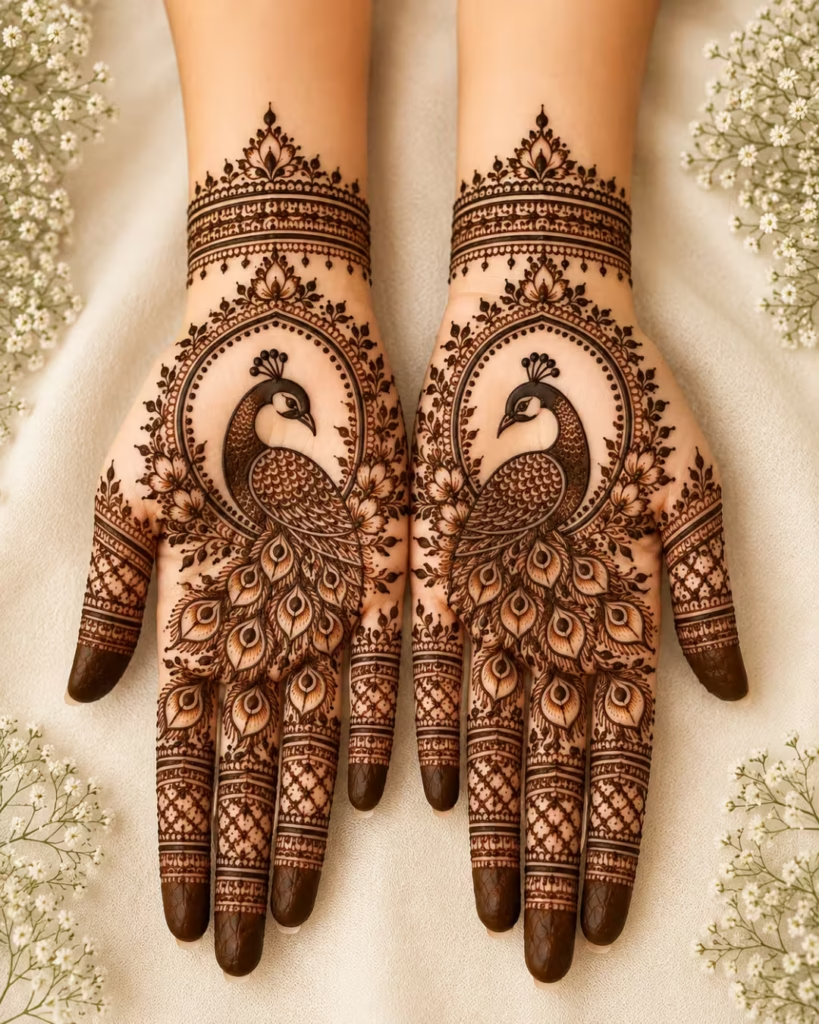
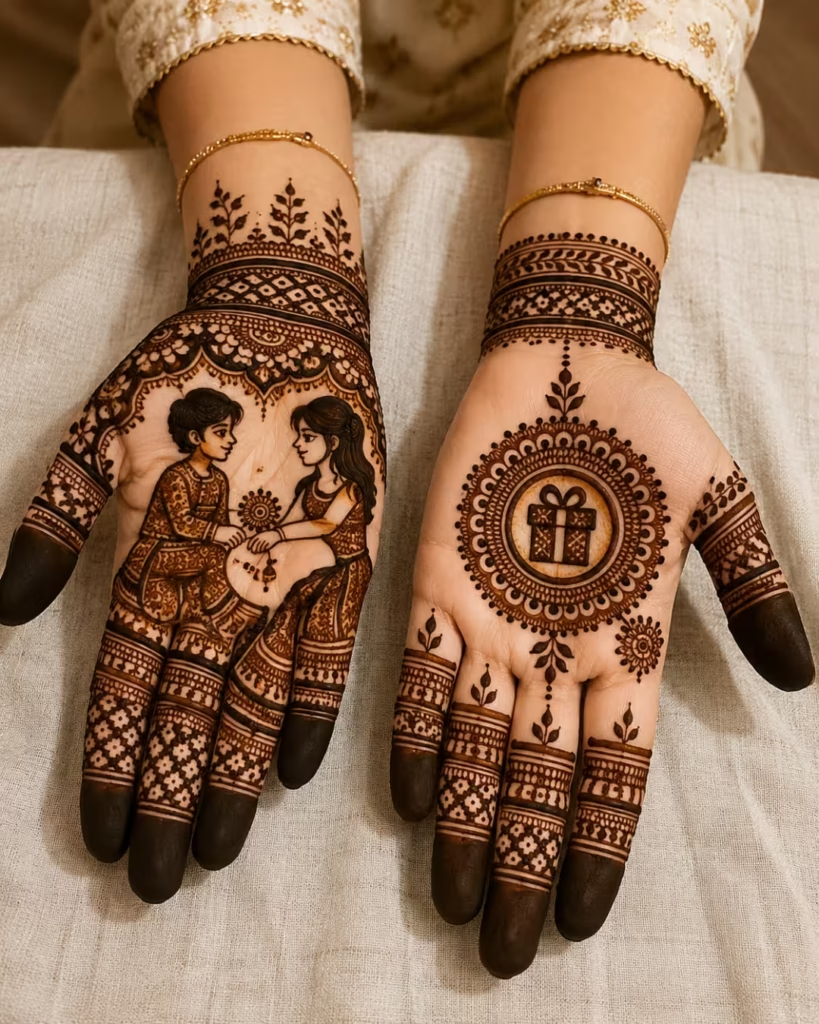
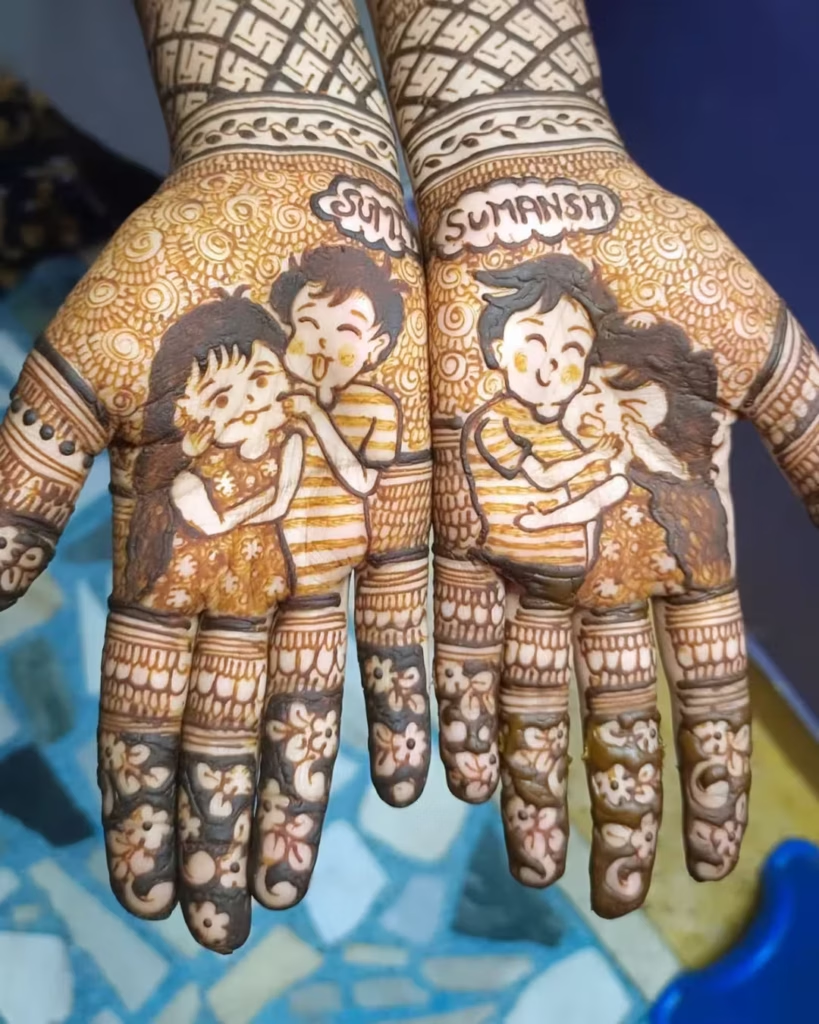
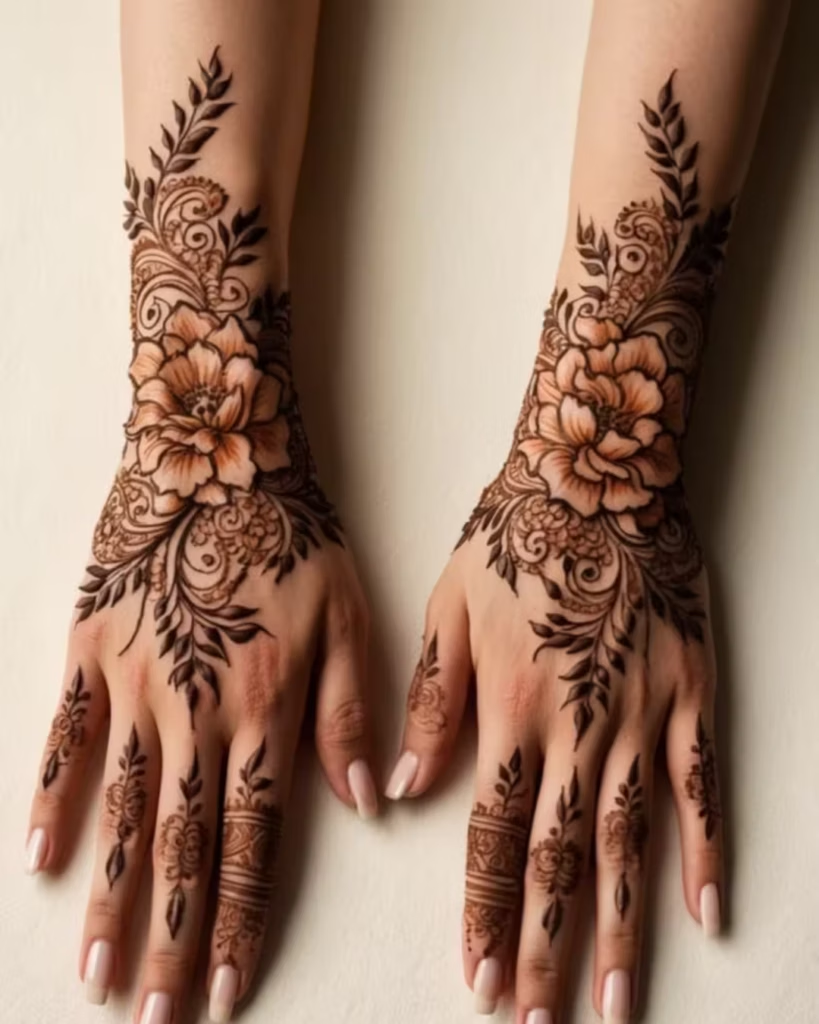
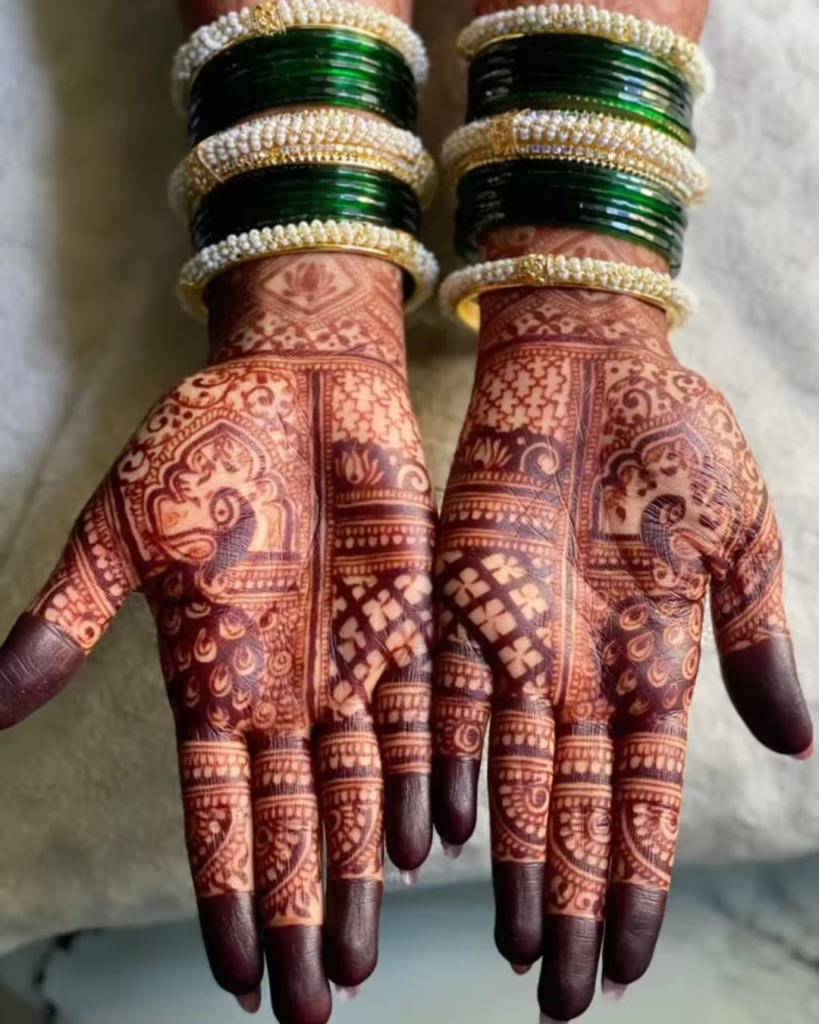
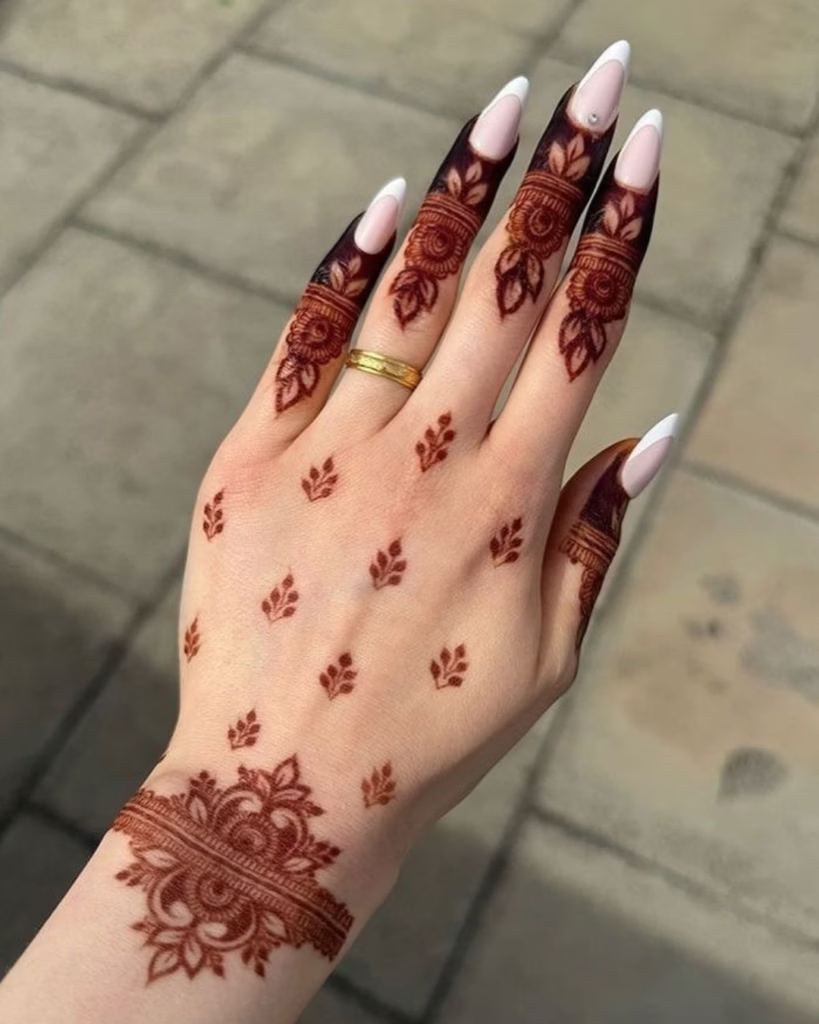
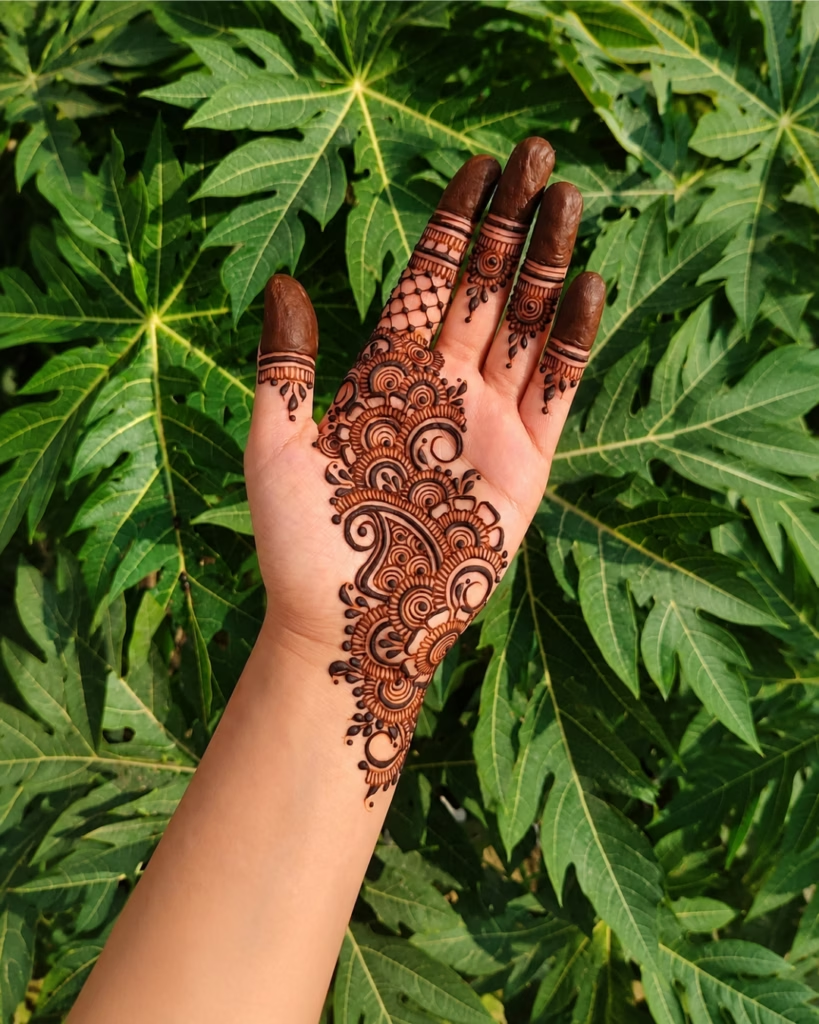
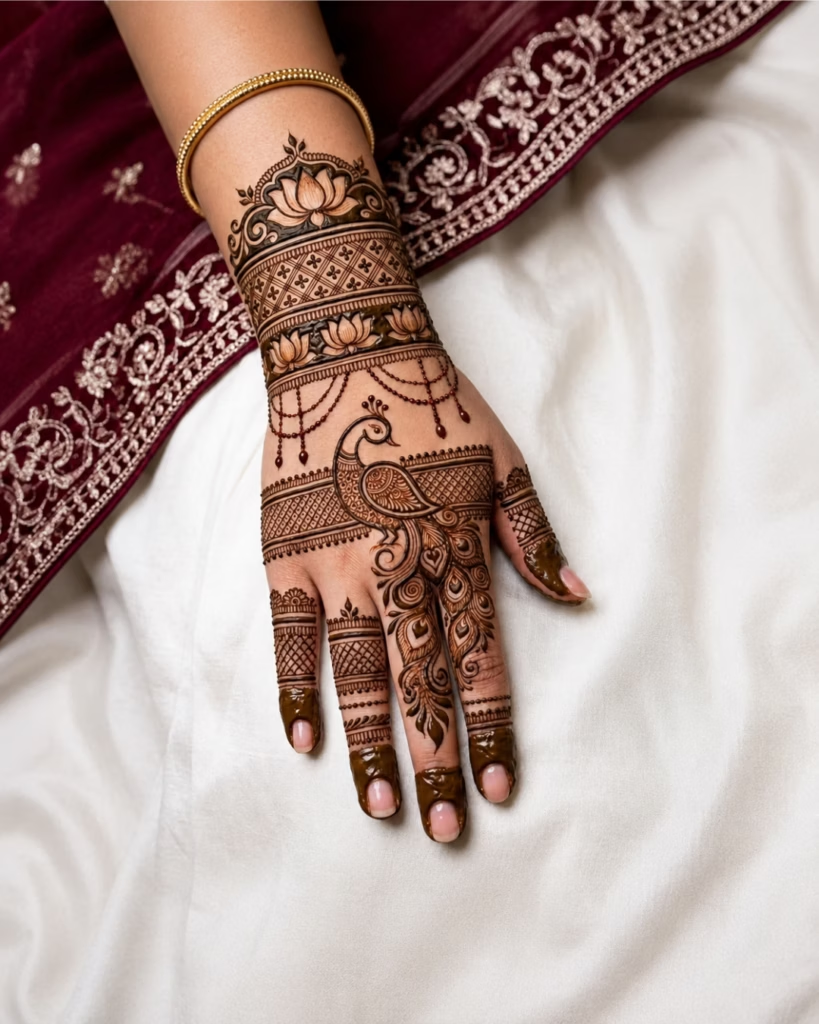
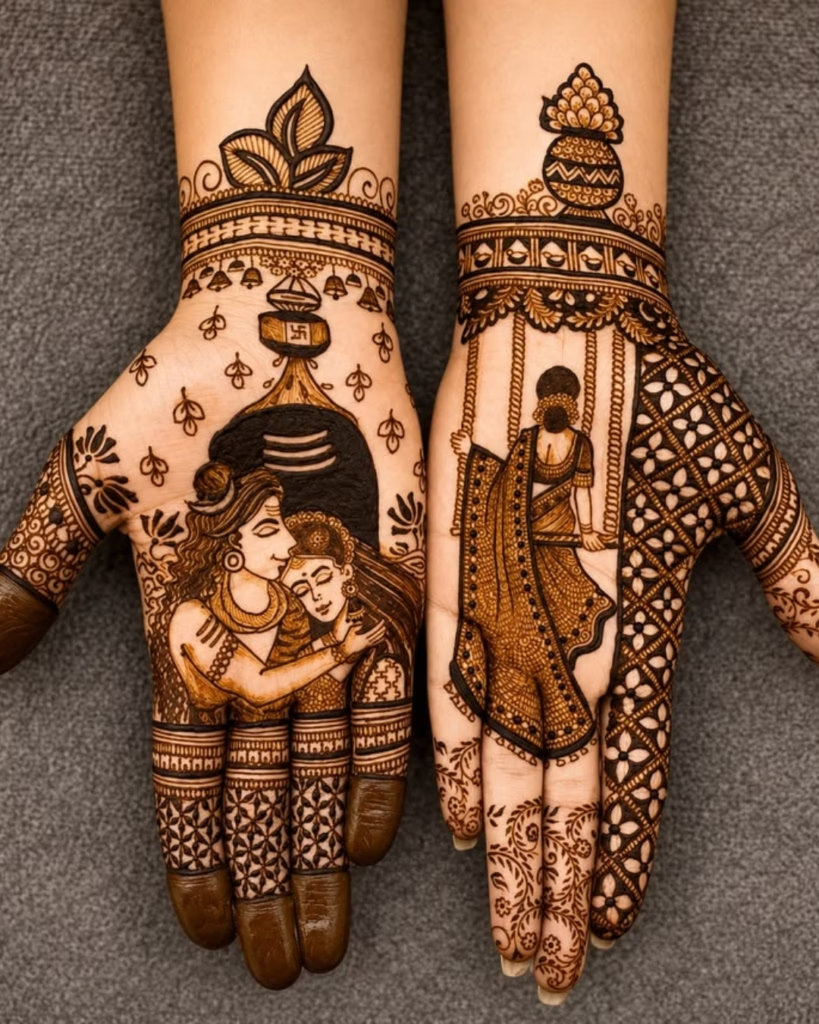
When to apply: for Teej on 15 August, apply on 13 or 14 August. For Rakhi’s morning muhurat on 28 August, apply on the evening of 26 August or during 27 August. The stain peaks 24 to 48 hours after the paste comes off.
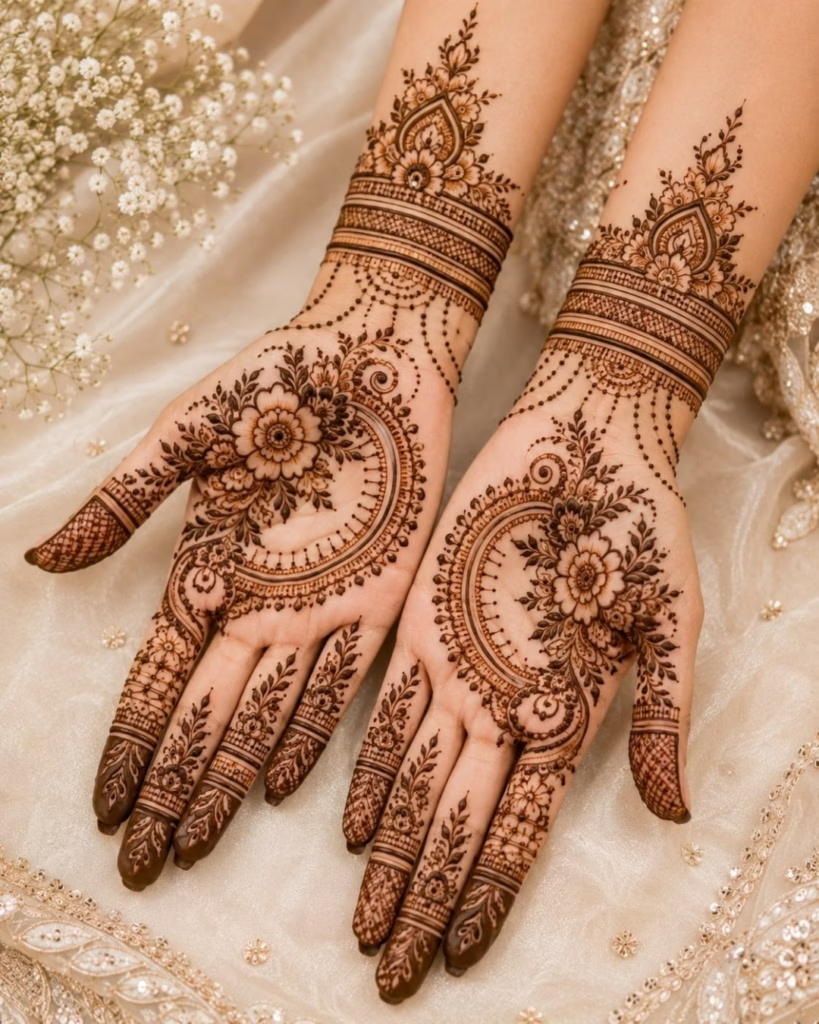
Hariyali Teej Mehndi Design (15 August 2026)
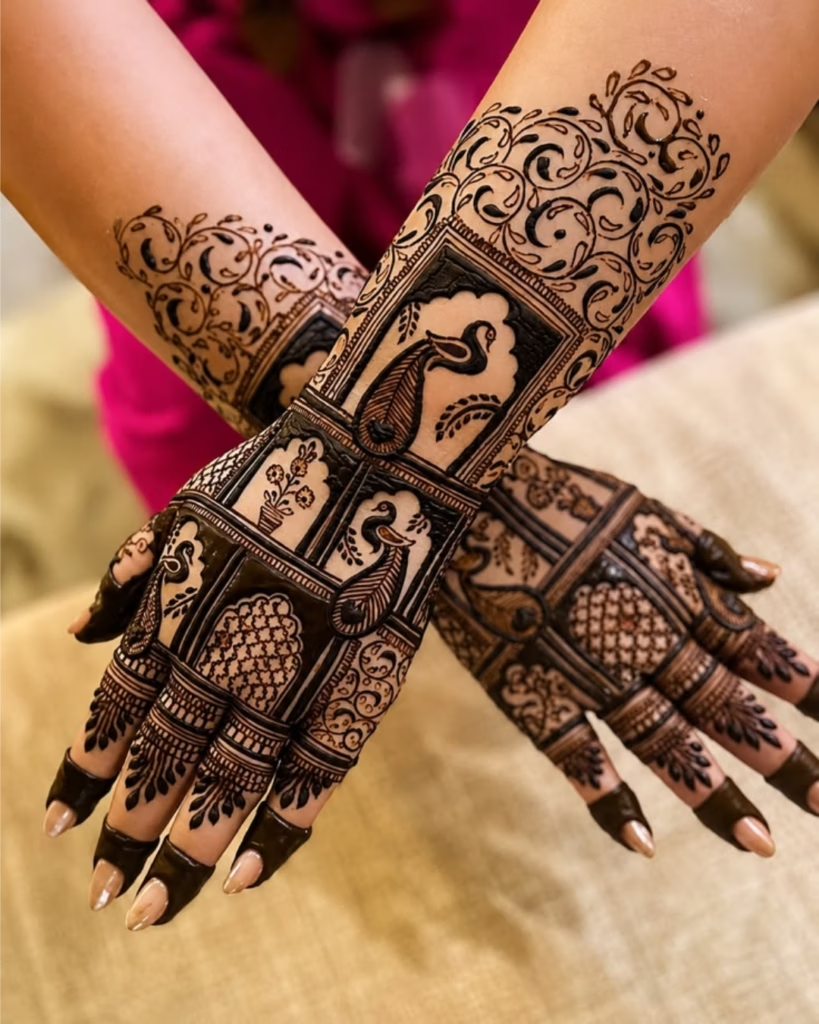
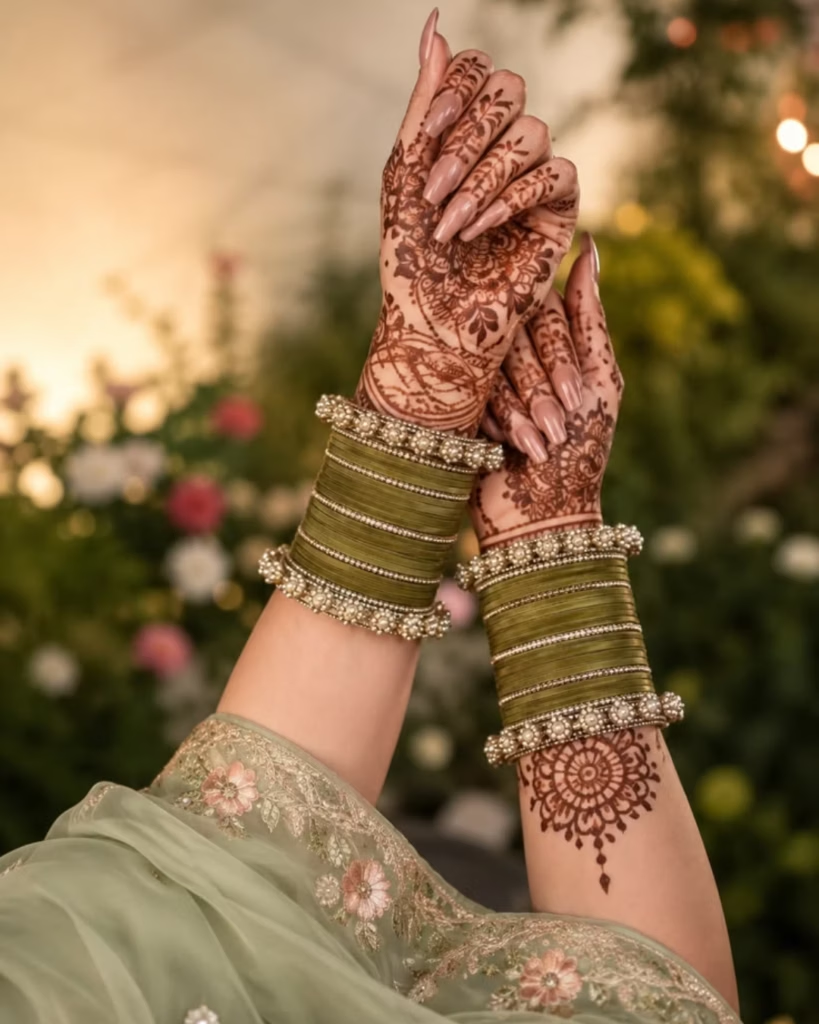
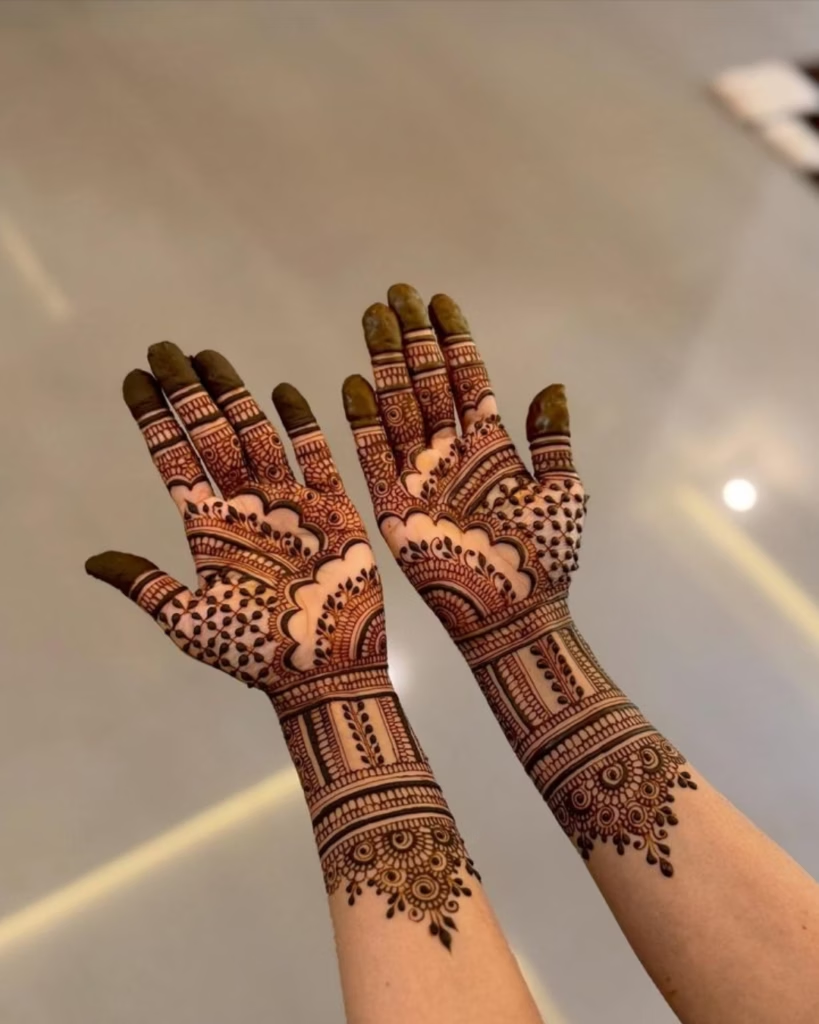
Hariyali Teej 2026 falls on Saturday 15 August, the same day as Independence Day, making it a long festive weekend. Traditional Teej mehndi is a full front hand design with peacock and jhula (swing) motifs, paired with green bangles and a green outfit.
If you are keeping the vrat, apply on 13 or 14 August so your hands are free on the fasting day itself.
Raksha Bandhan Mehndi Design (28 August 2026)
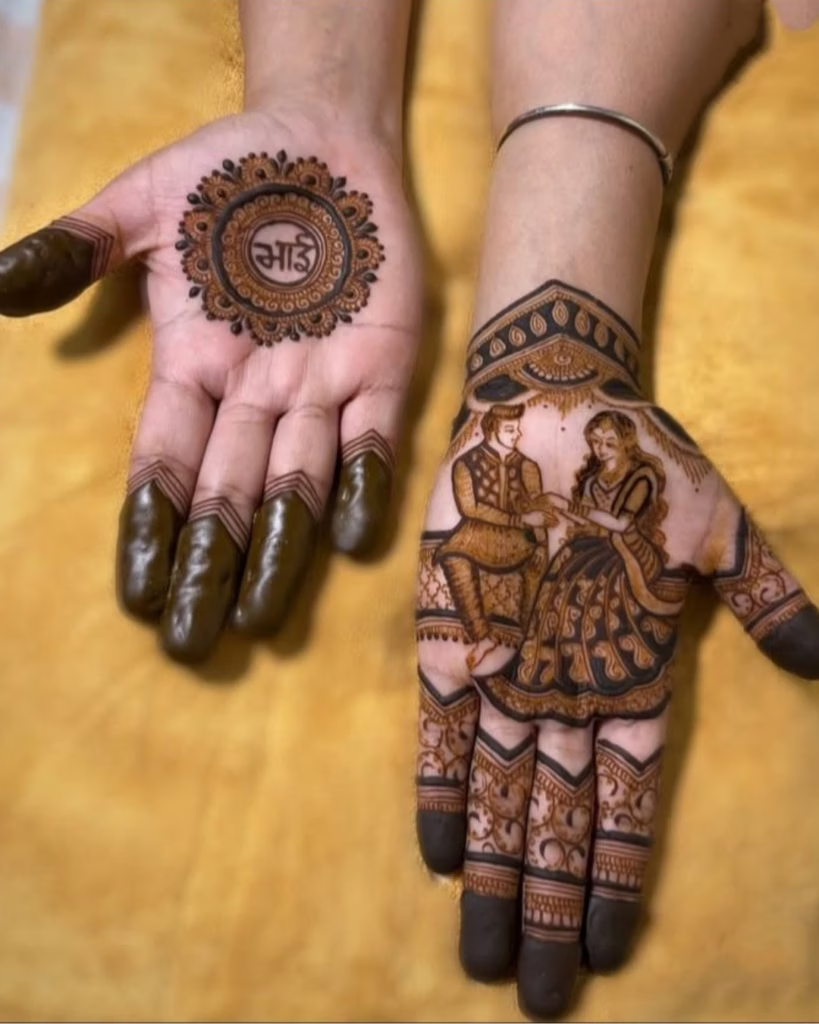
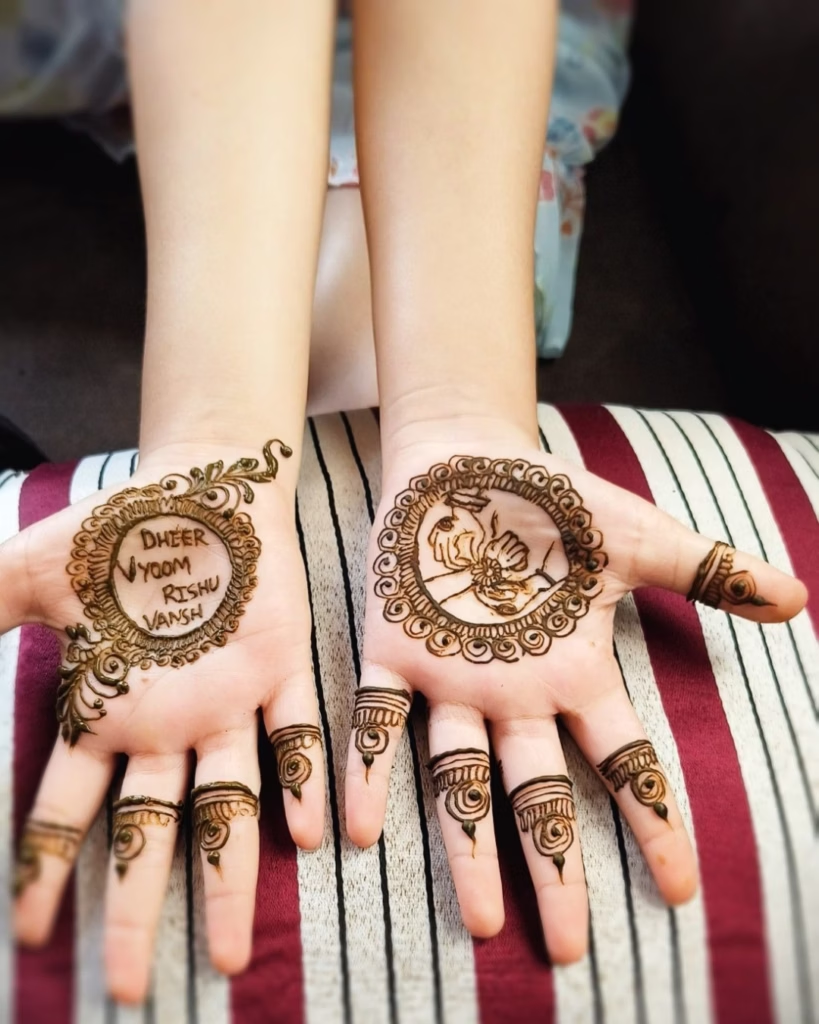
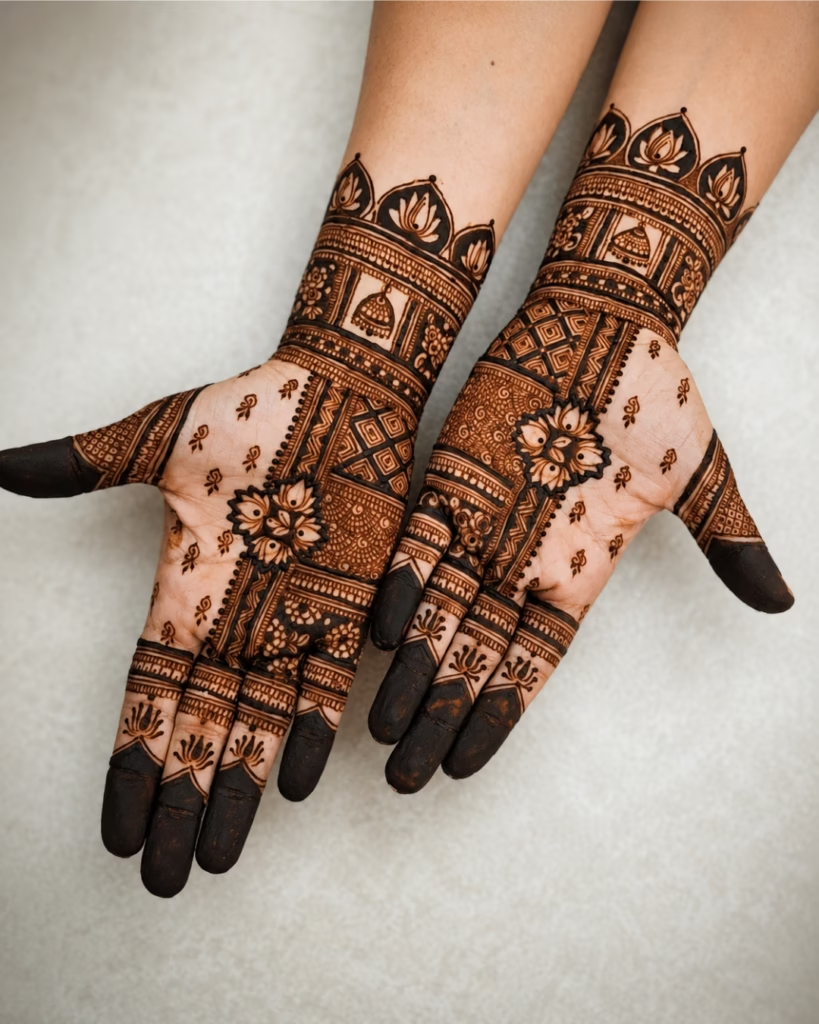
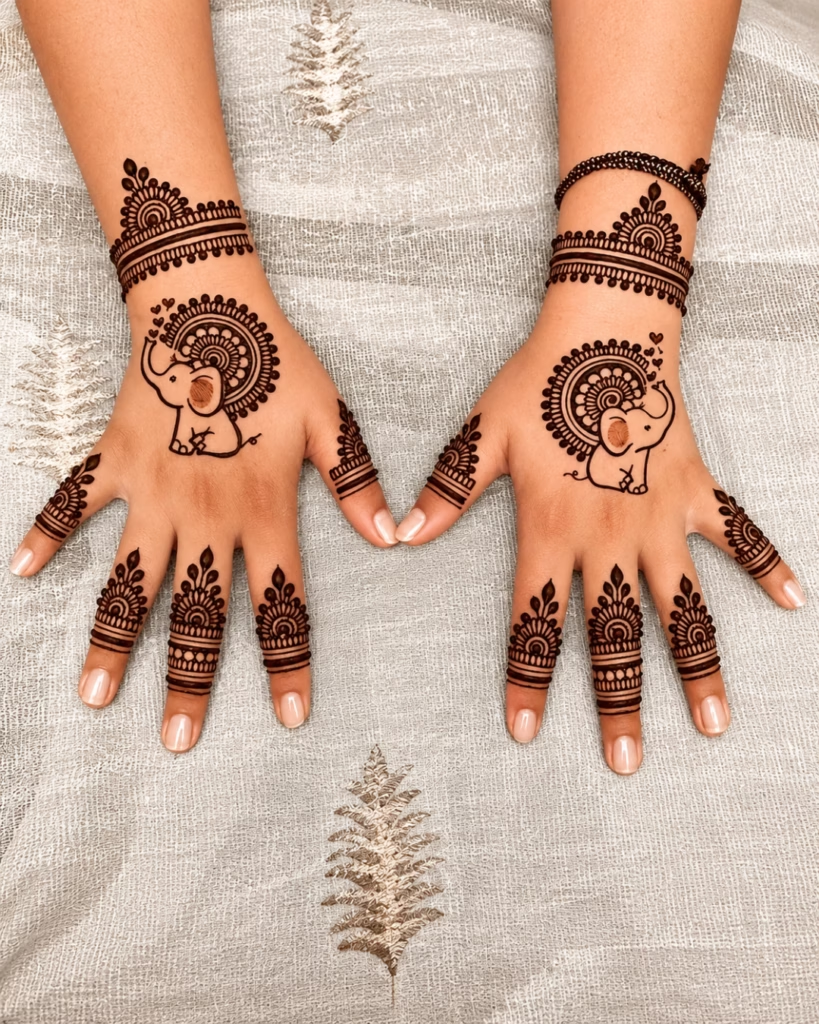
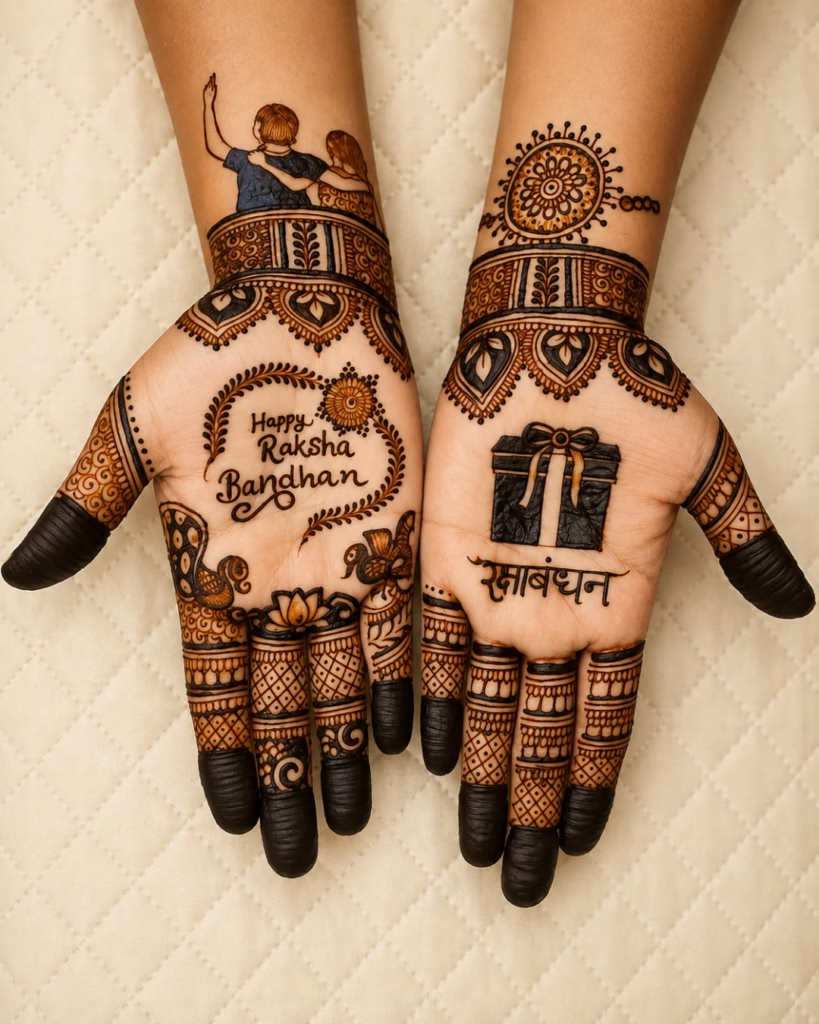
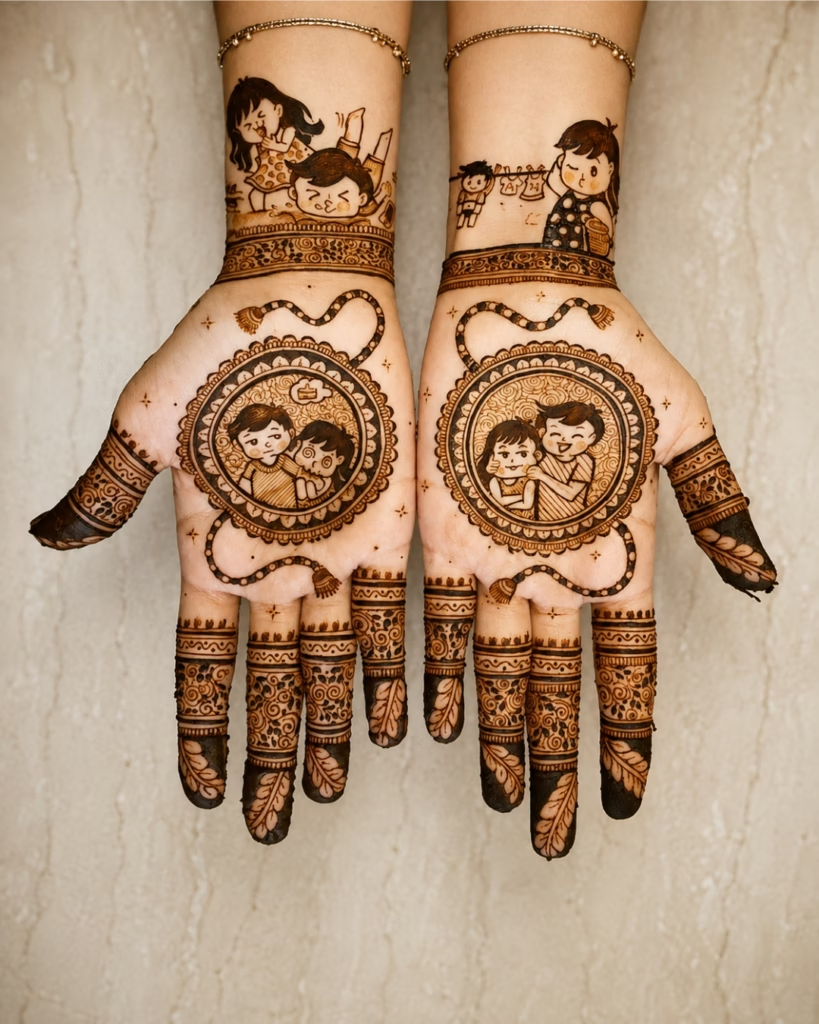
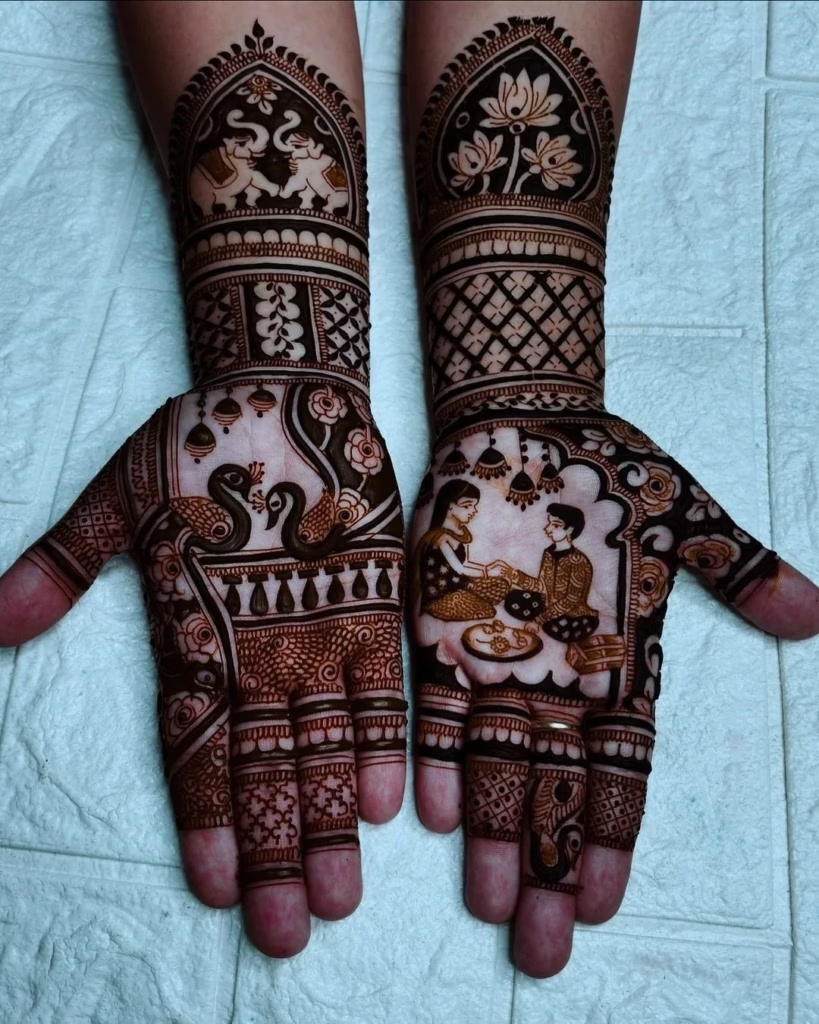
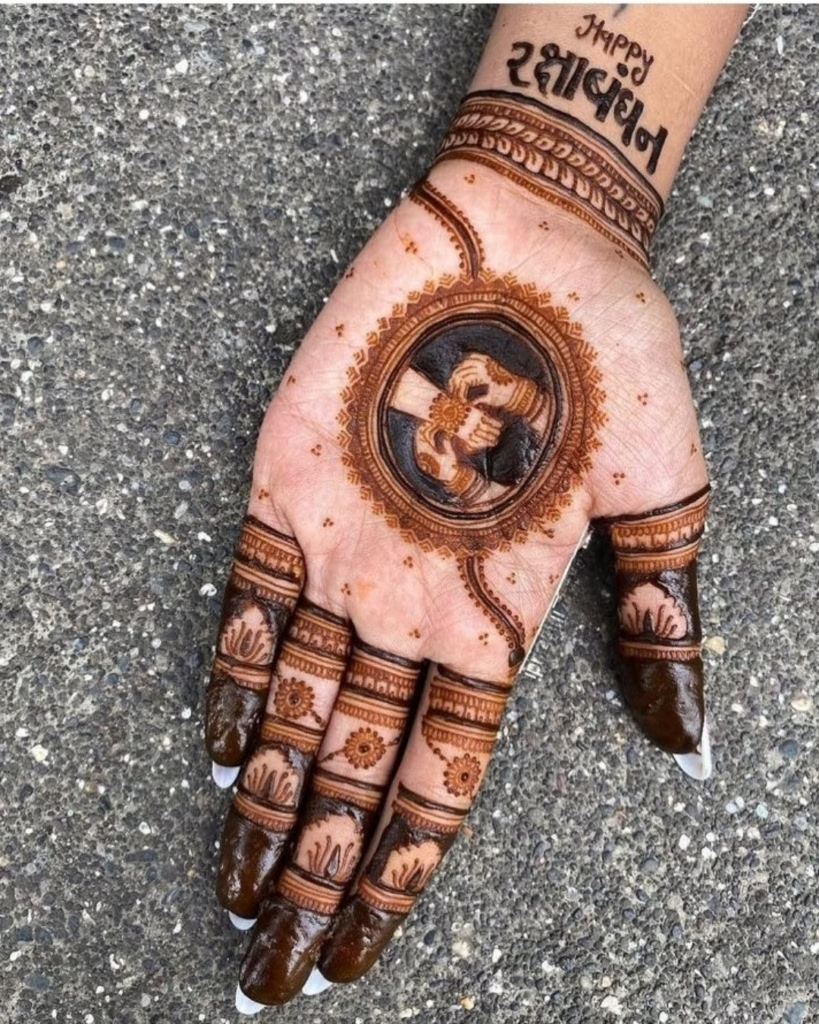
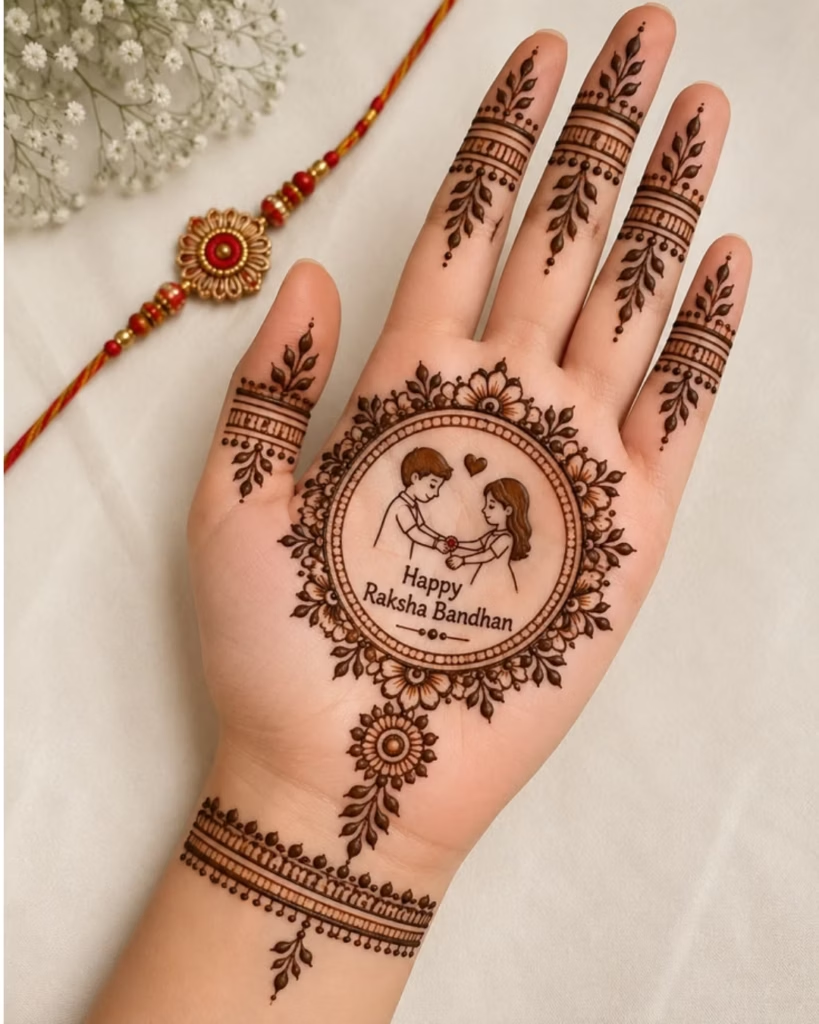
Raksha Bandhan 2026 is on Friday 28 August, with the main rakhi muhurat in the morning, so apply mehndi by the evening of 26 August or during 27 August. Quick finger designs and small palm tikkis are the standard choice, finished in 15 to 20 minutes.
Kids usually want mehndi too at Rakhi. Back hand designs work better for them, since children wash their hands often.
Navratri Mehndi Design (11 to 20 October 2026)
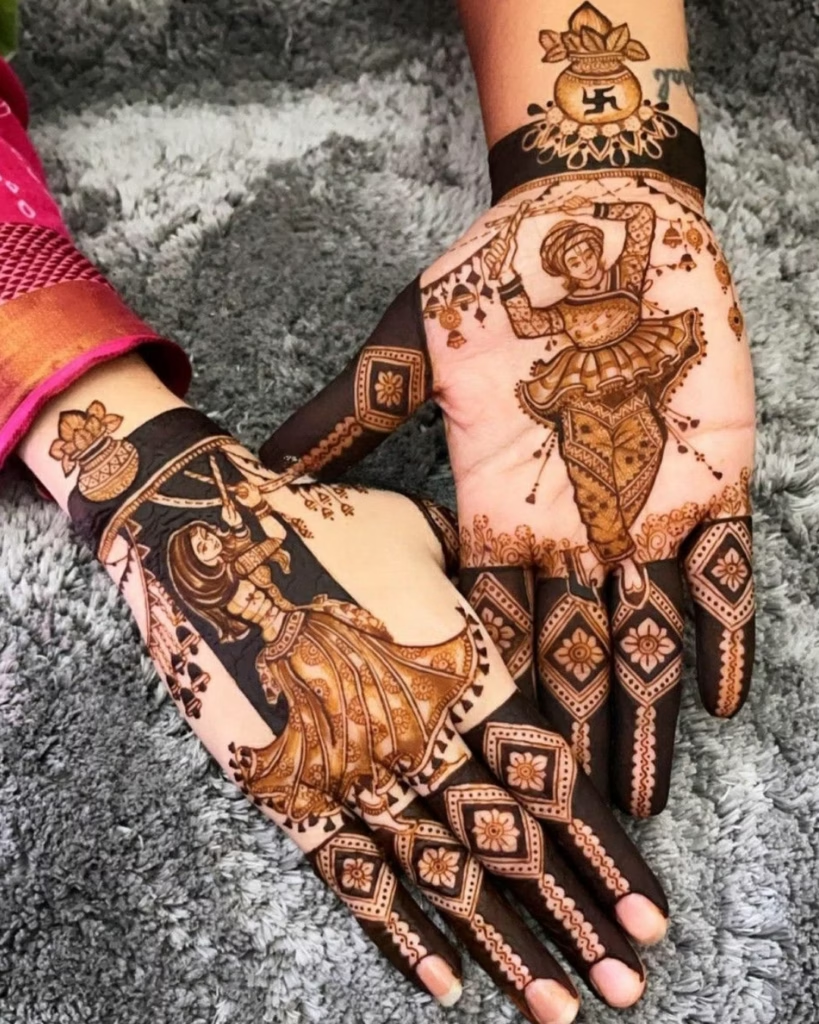
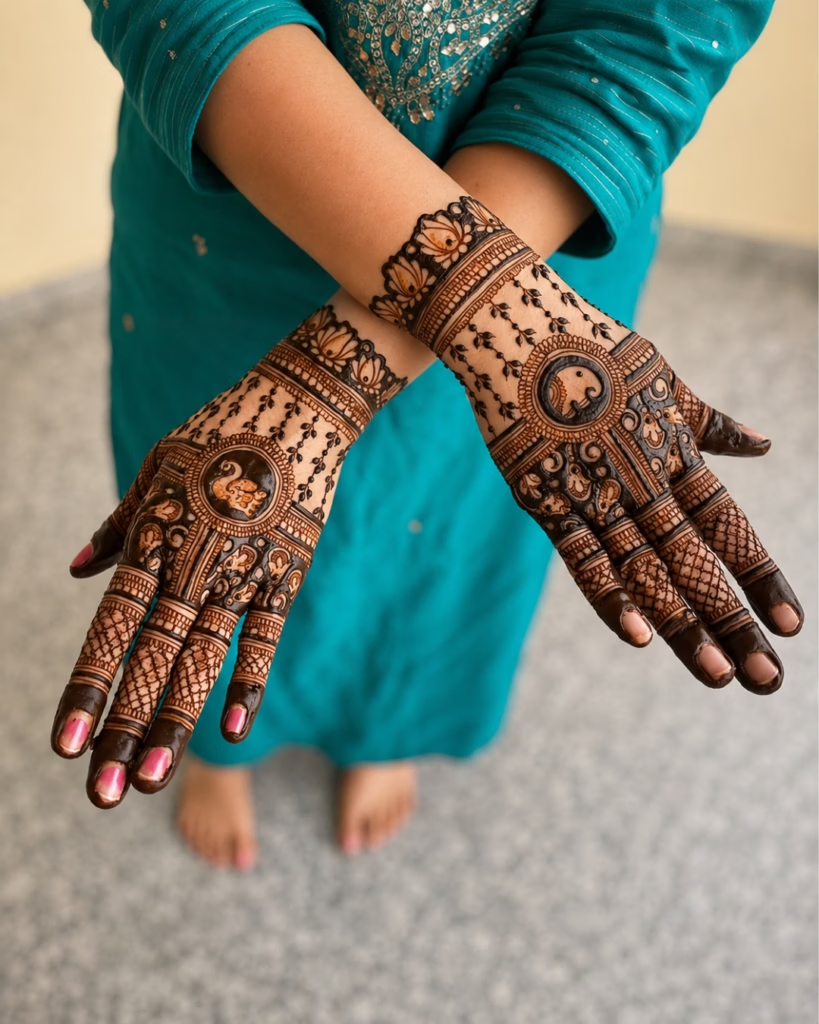
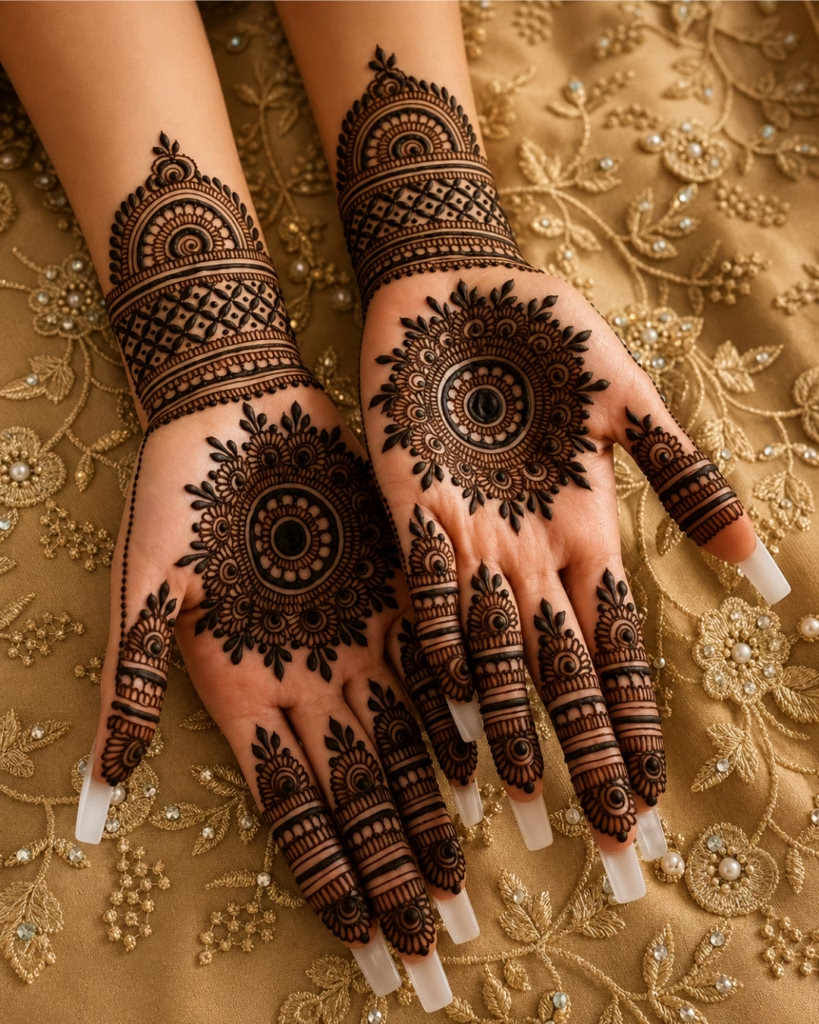
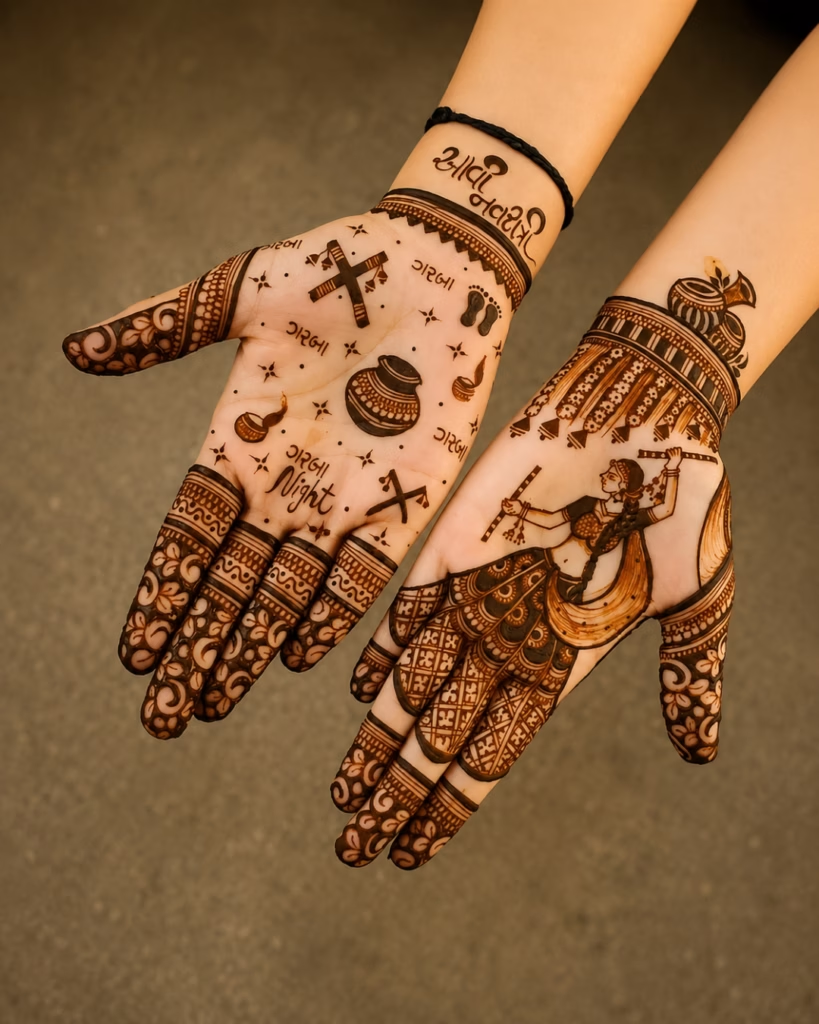
Sharadiya Navratri 2026 begins on Sunday 11 October, so pick a design light enough to wear comfortably through nine days of garba, fasting and puja. Apply on 9 or 10 October so the colour peaks as Navratri opens.
Because the design stays on your hands for the full nine nights, choose something that fades evenly. Dense designs turn patchy by day five; lighter ones soften cleanly.
Durga Ashtami Mehndi Design (19 October 2026)
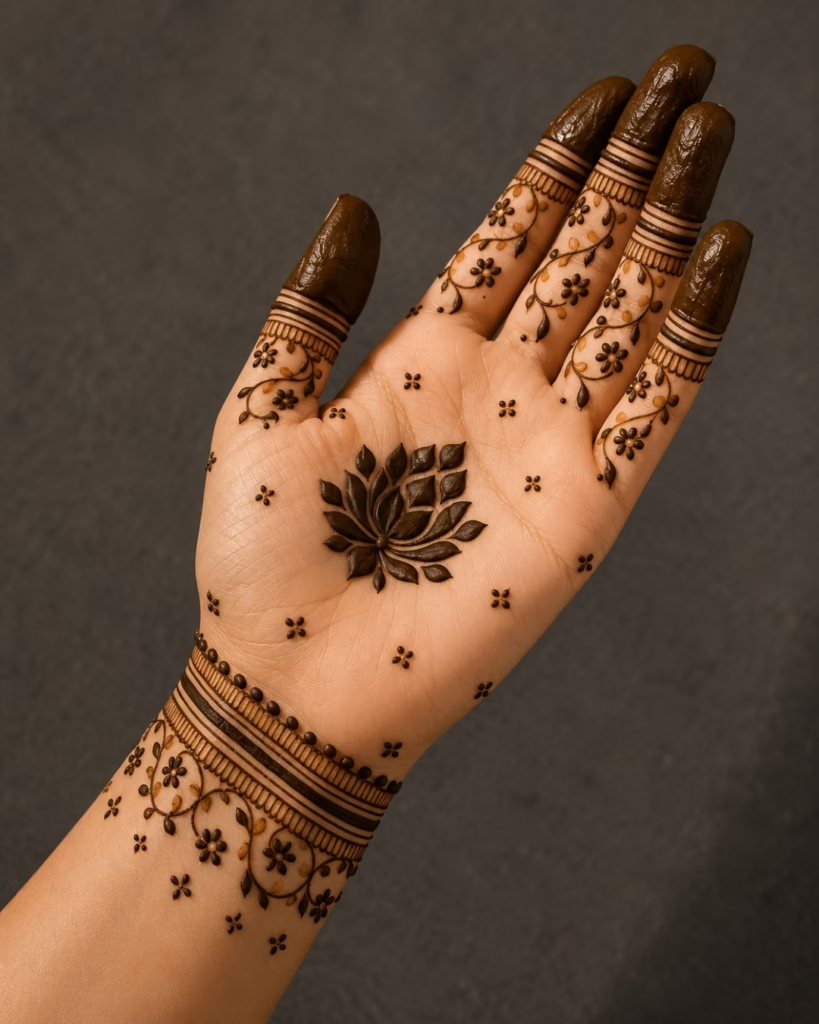
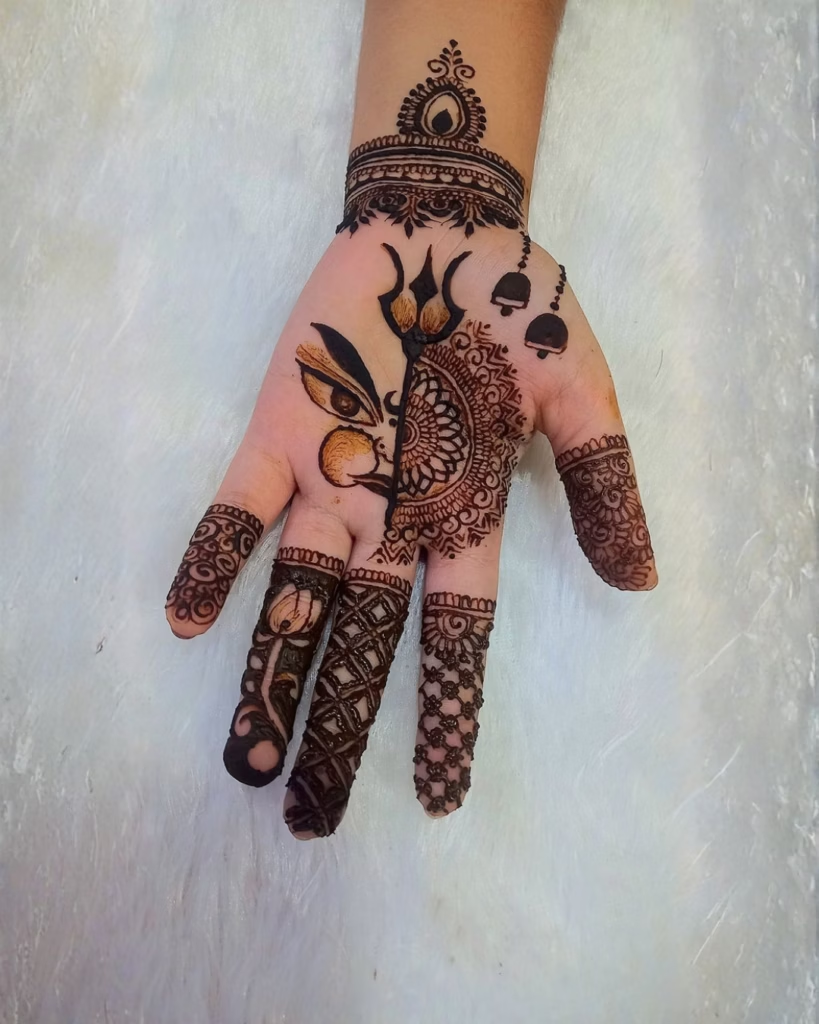
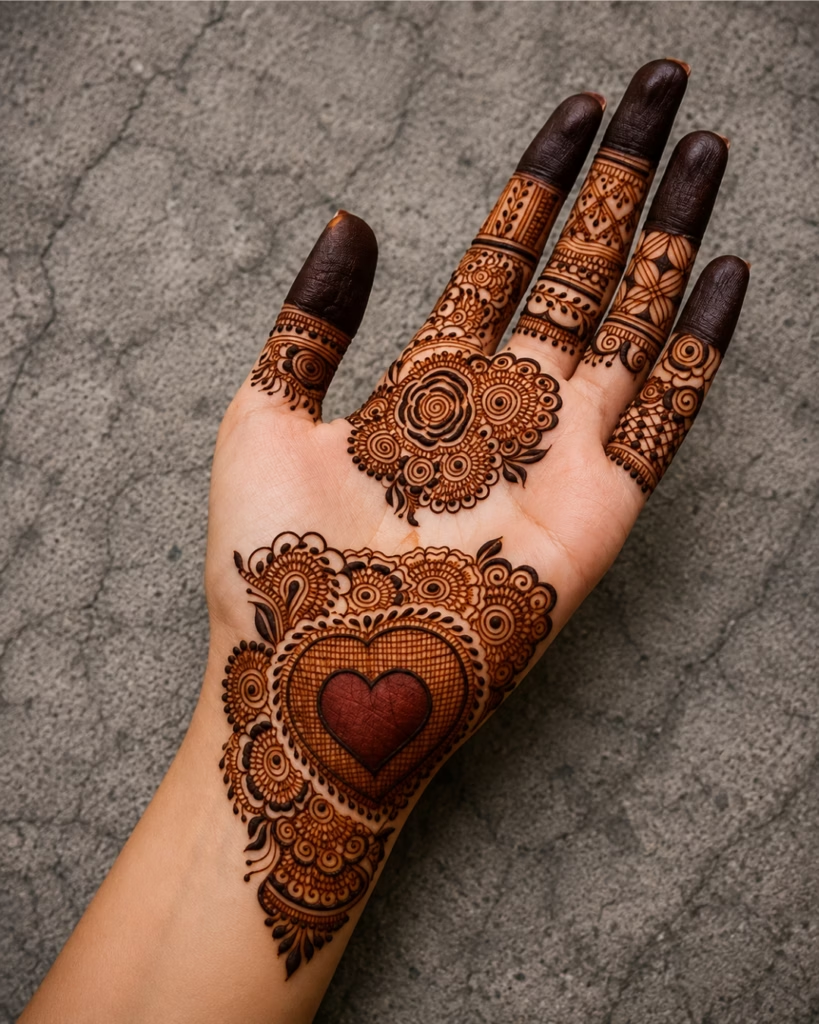
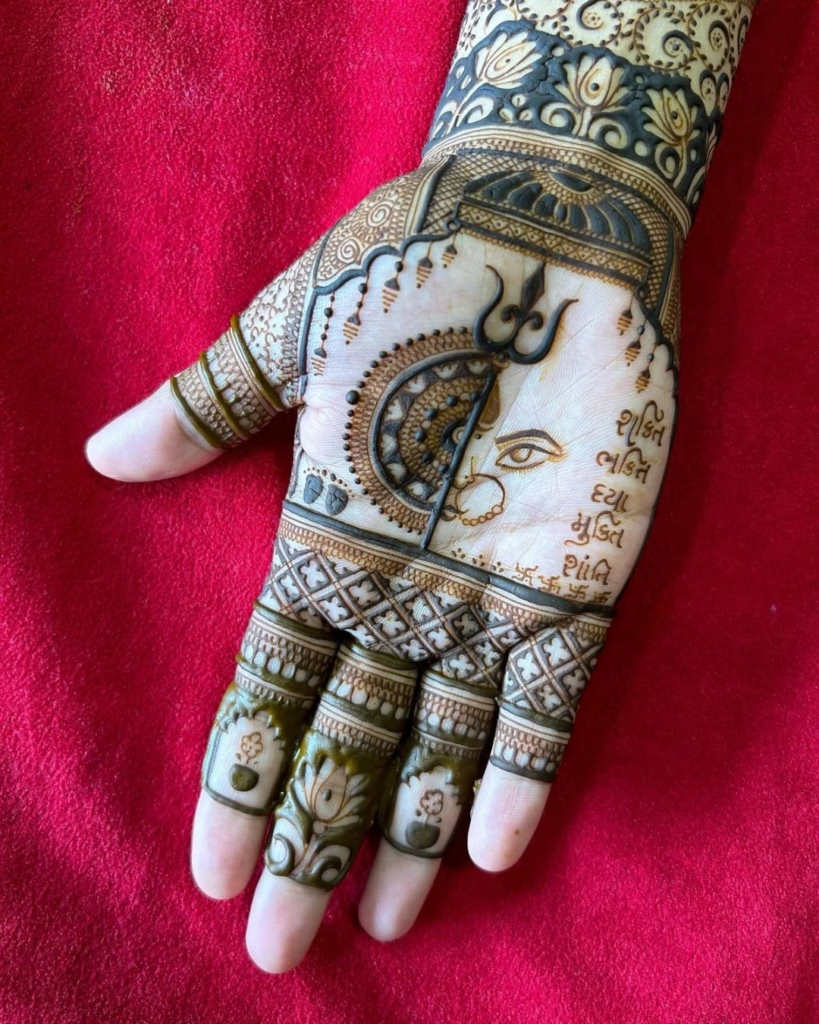
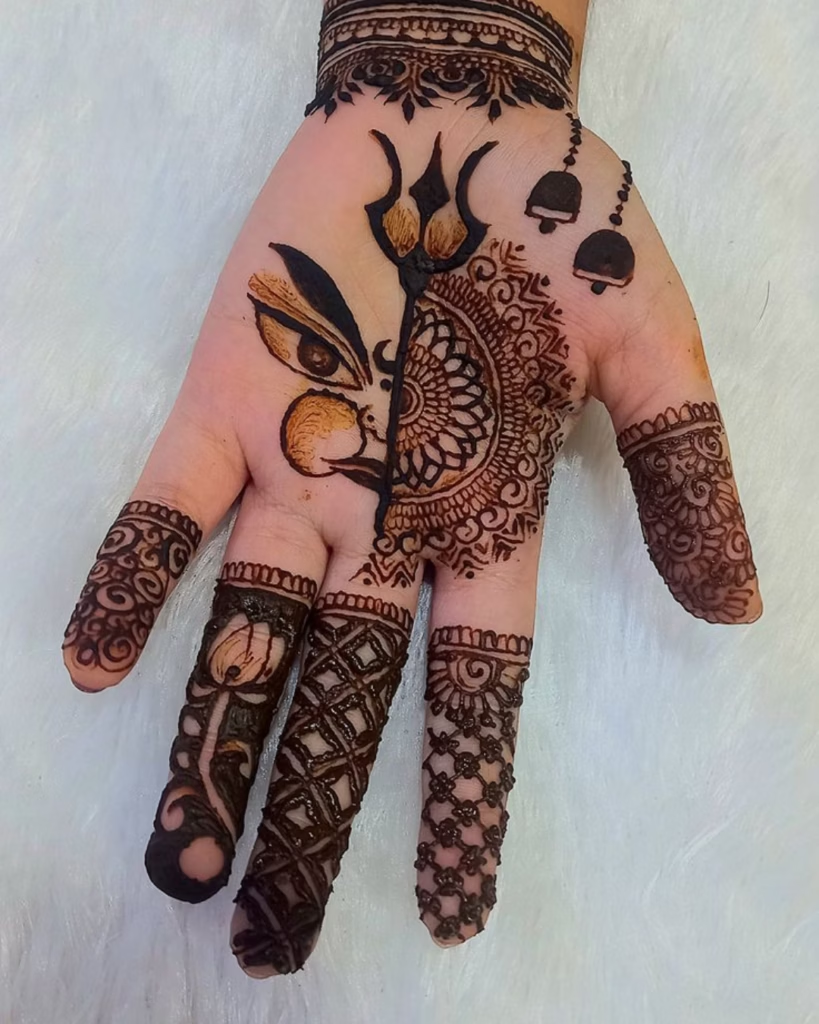
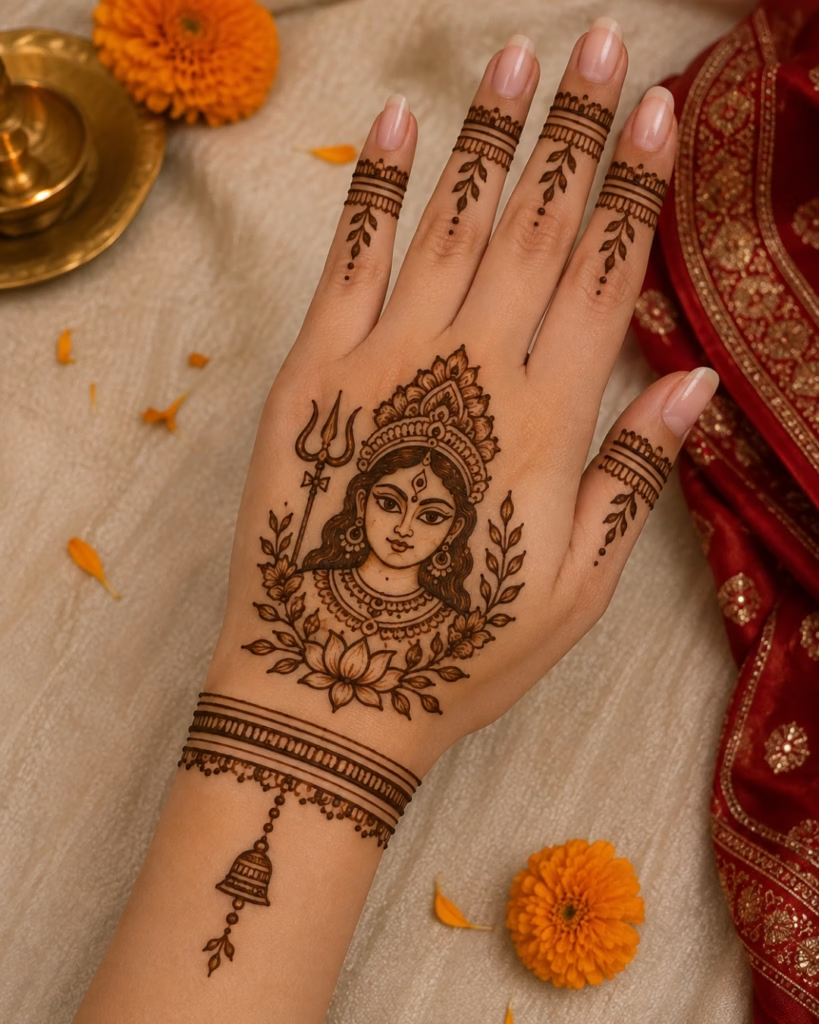
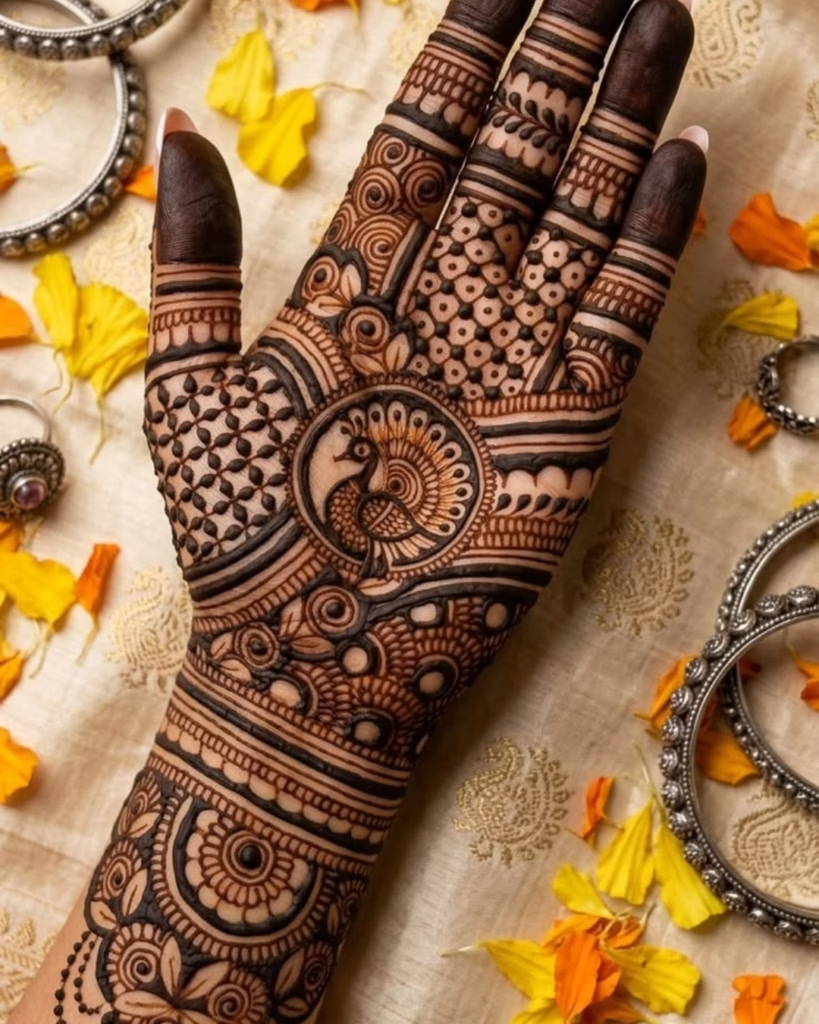
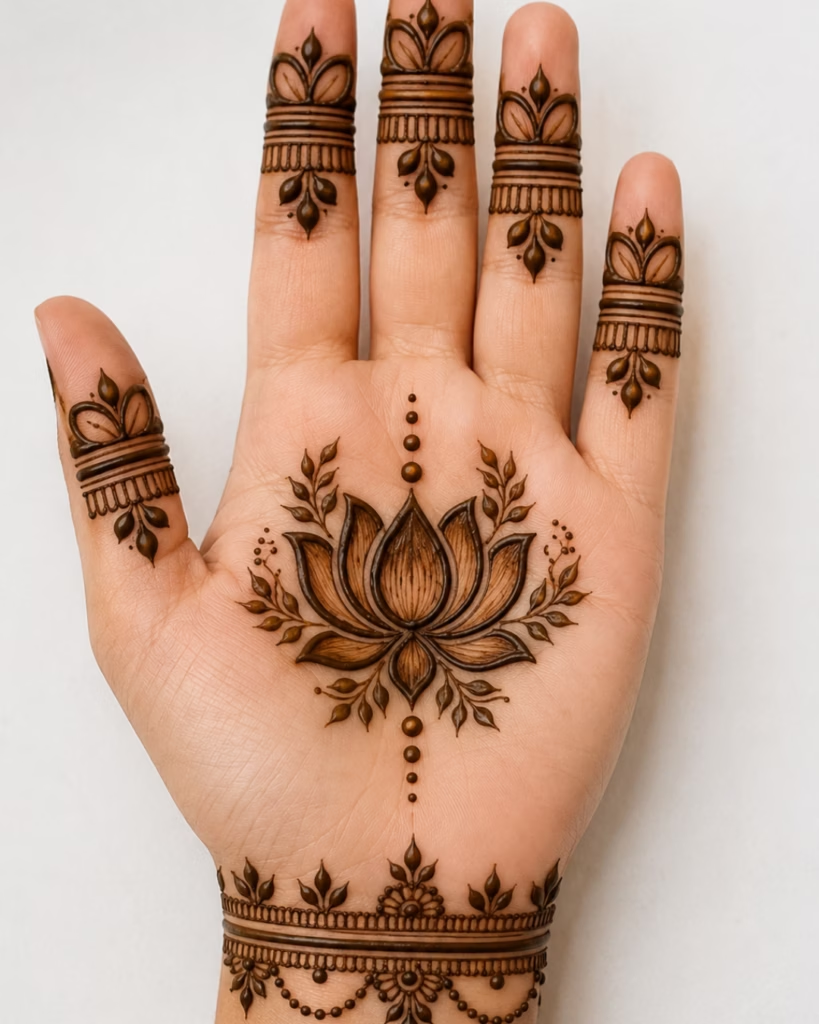
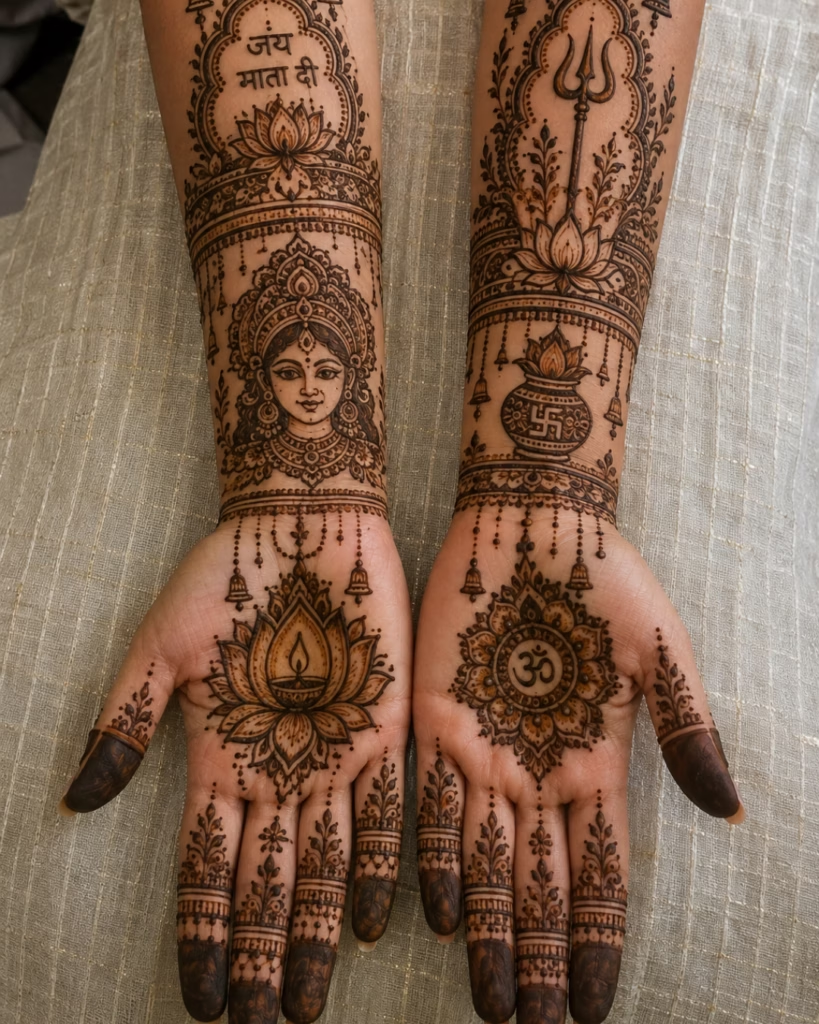
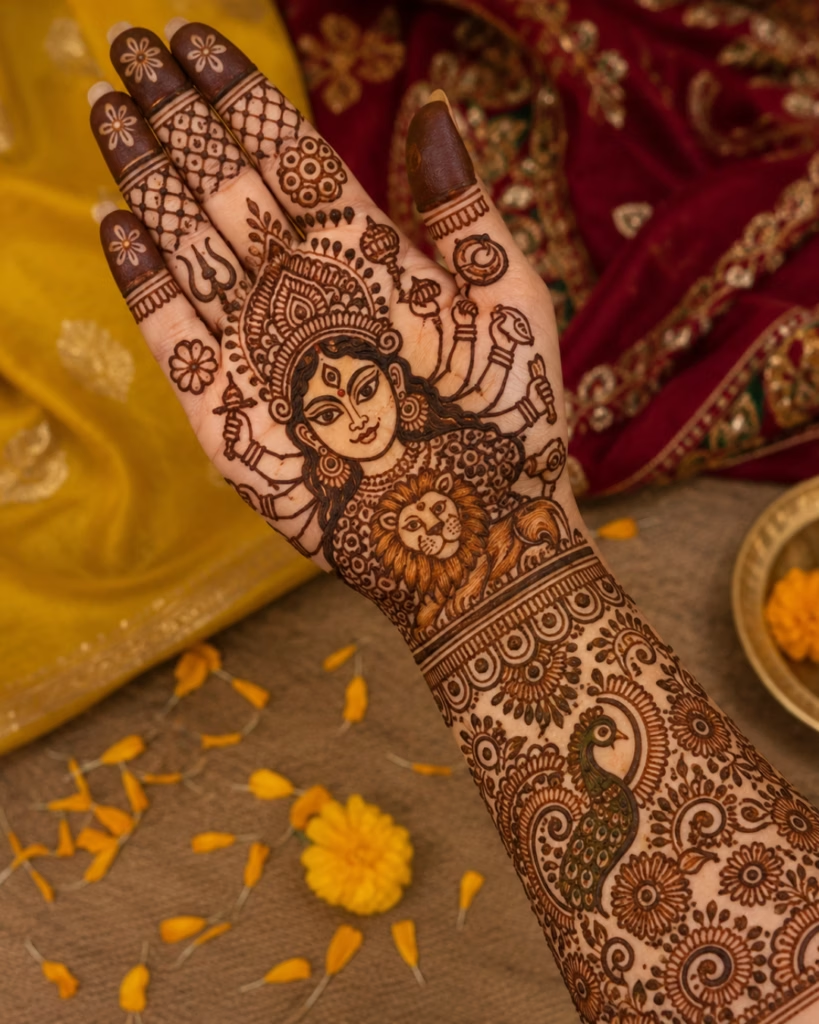
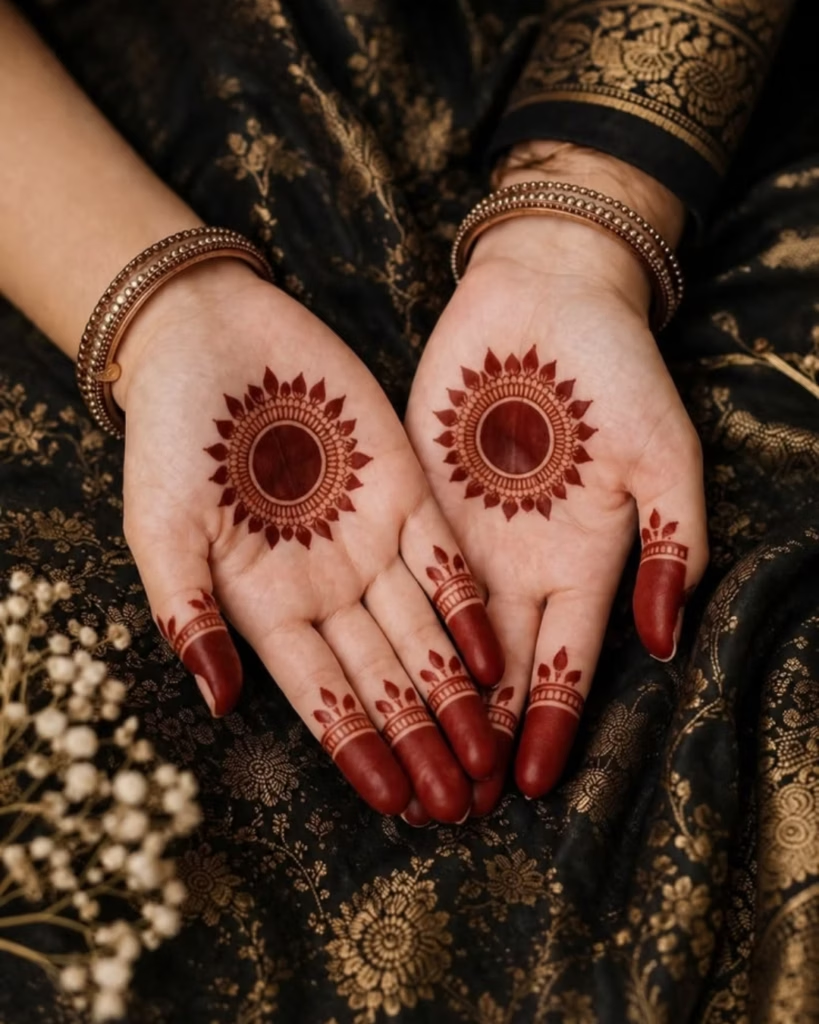
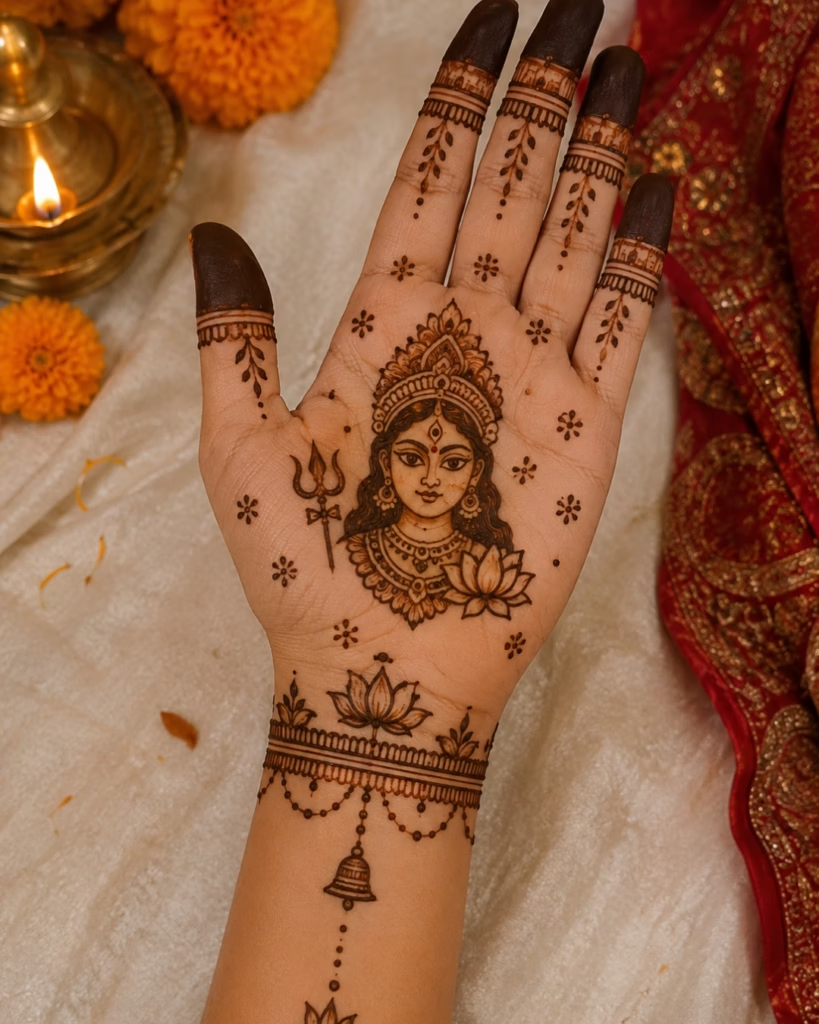
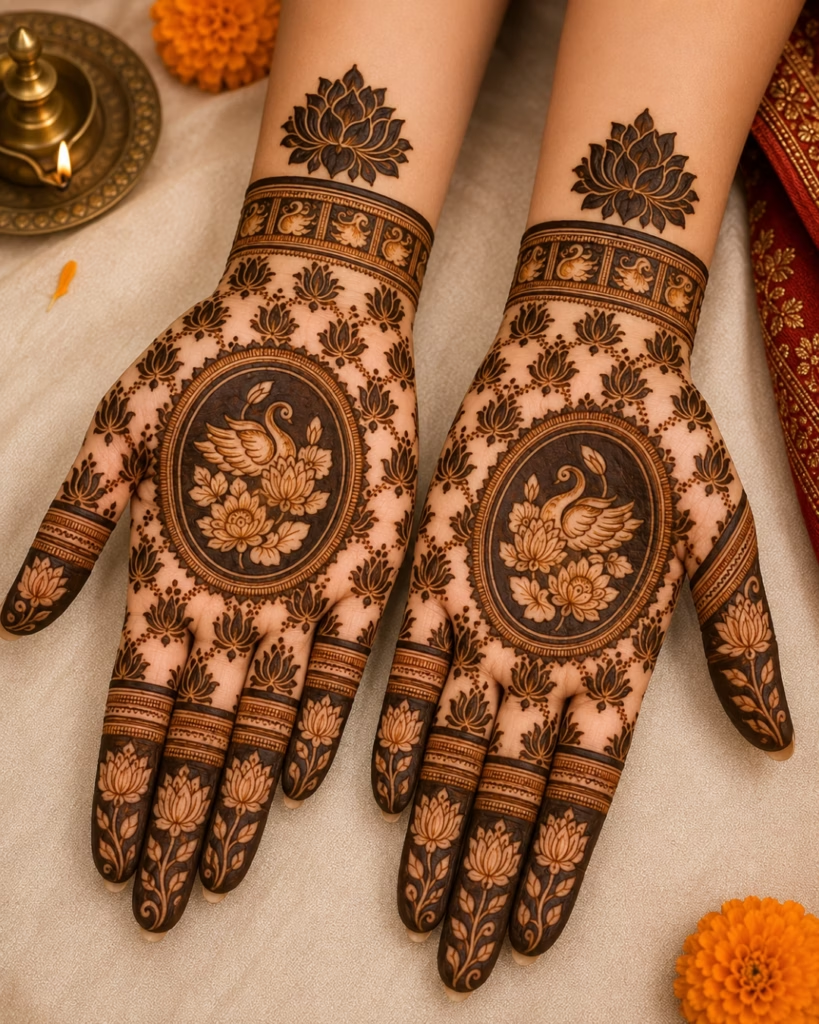
Durga Ashtami 2026 falls on Monday 19 October, the eighth day of Navratri and the day most families do the main puja and kanya pujan. Traditional palm designs with lotus and floral motifs suit the day, applied on 17 or 18 October.
Karwa Chauth Mehndi Design (29 October 2026)
Karwa Chauth 2026 falls on Thursday 29 October, and it is the one festival where women go fuller rather than simpler, because the darkness of the stain is part of the ritual itself. Apply on 27 or 28 October so the colour peaks on the vrat day.
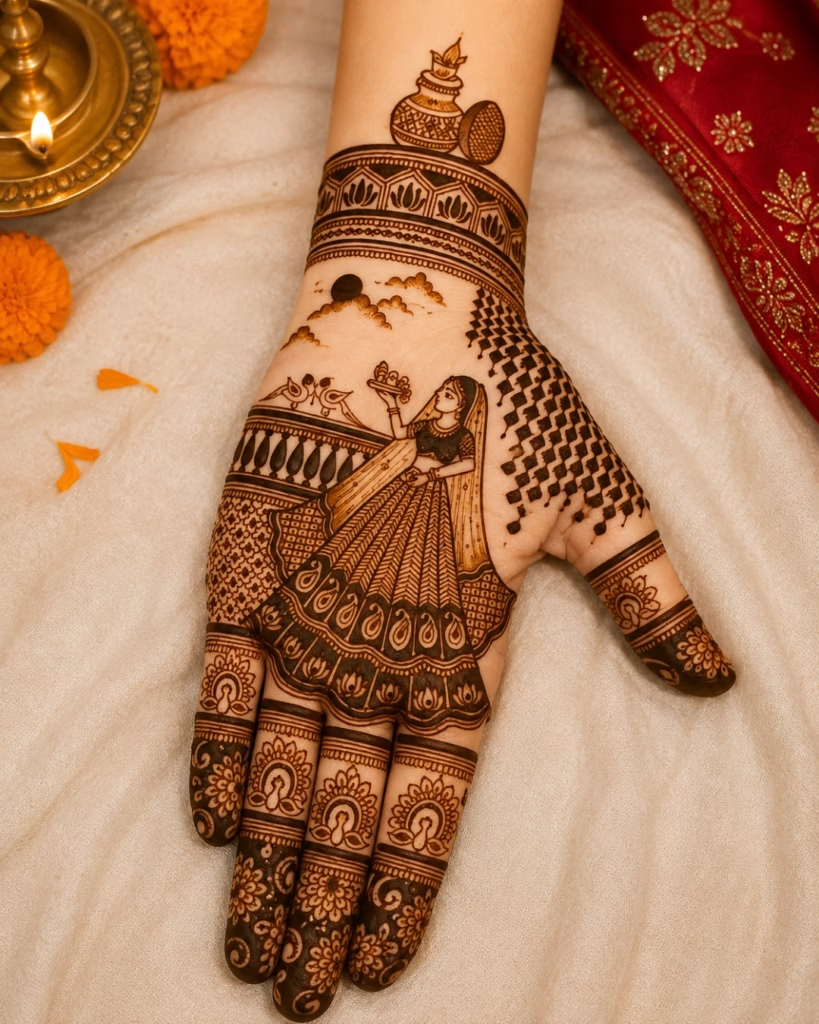
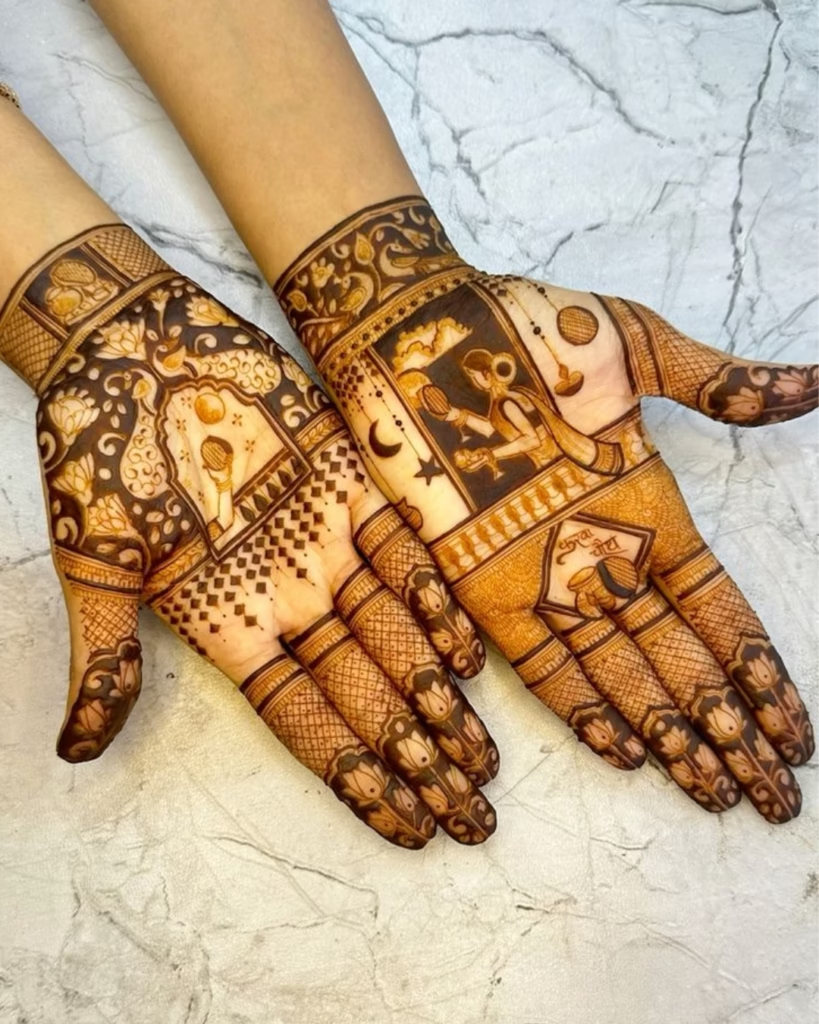
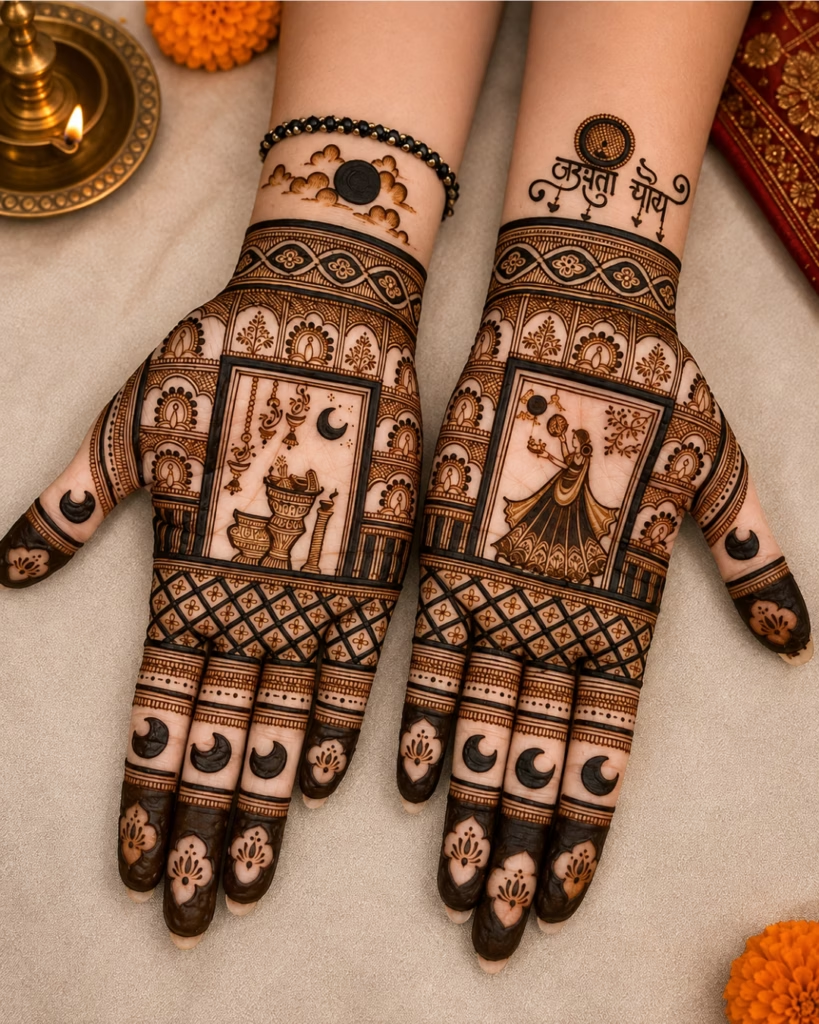
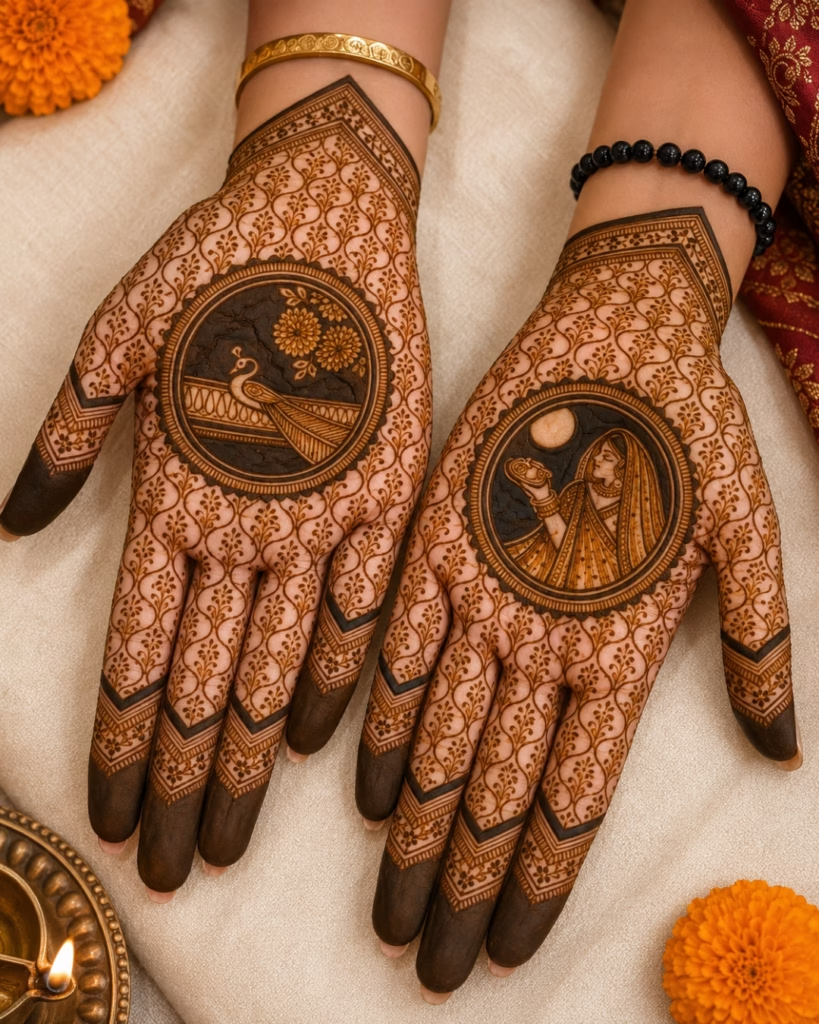
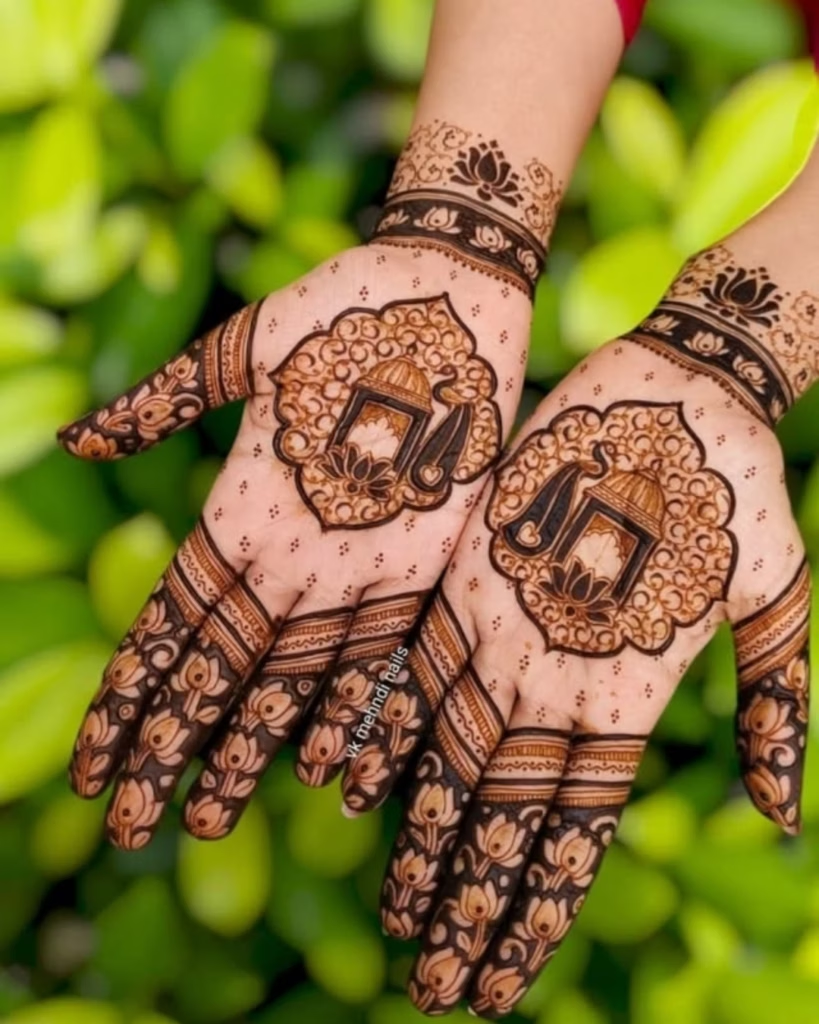
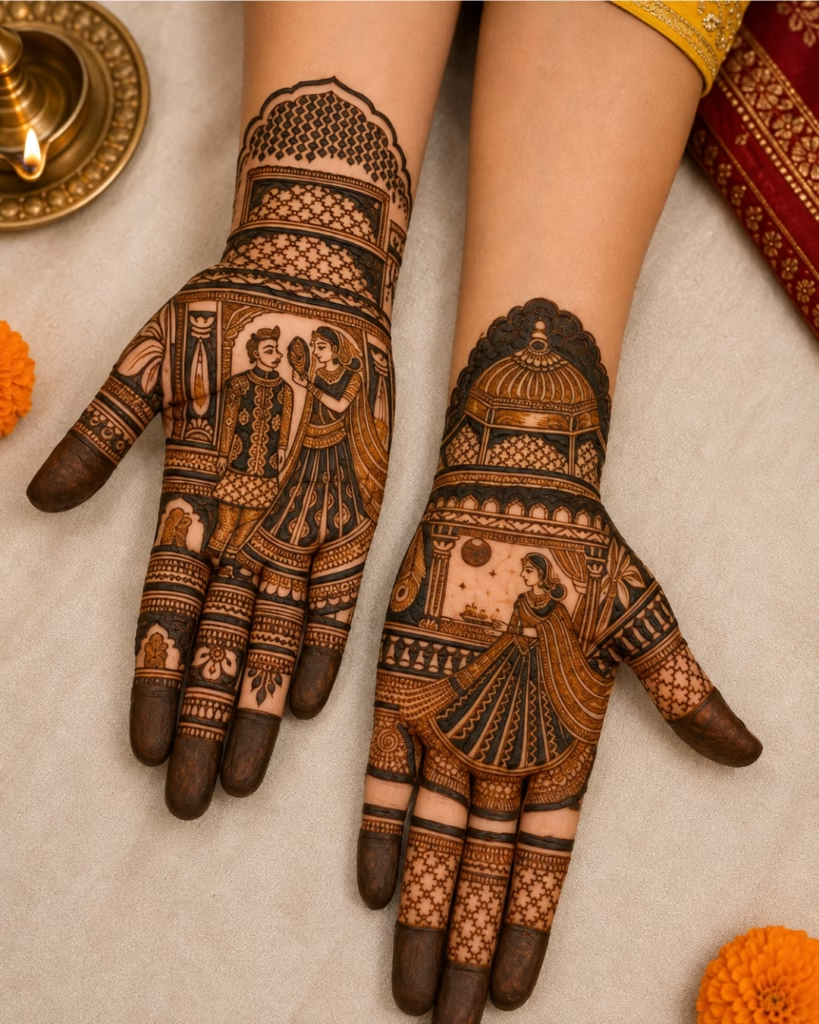
The moon is the ritual’s central image, so a mandala moon centred in the palm with traditional border work is the classic choice. Most married women ask the artist to hide their husband’s name somewhere inside the design, and finding it becomes its own small tradition among the guests.
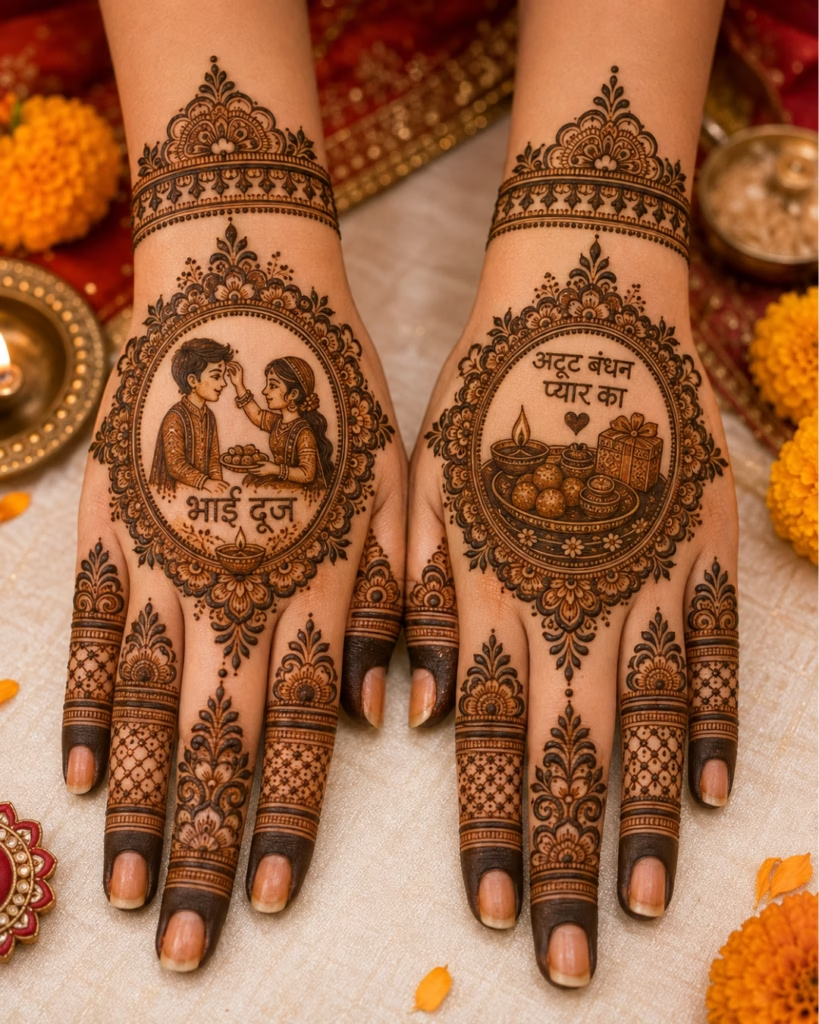
Bhai Dooj Mehndi Design (10 November 2026)
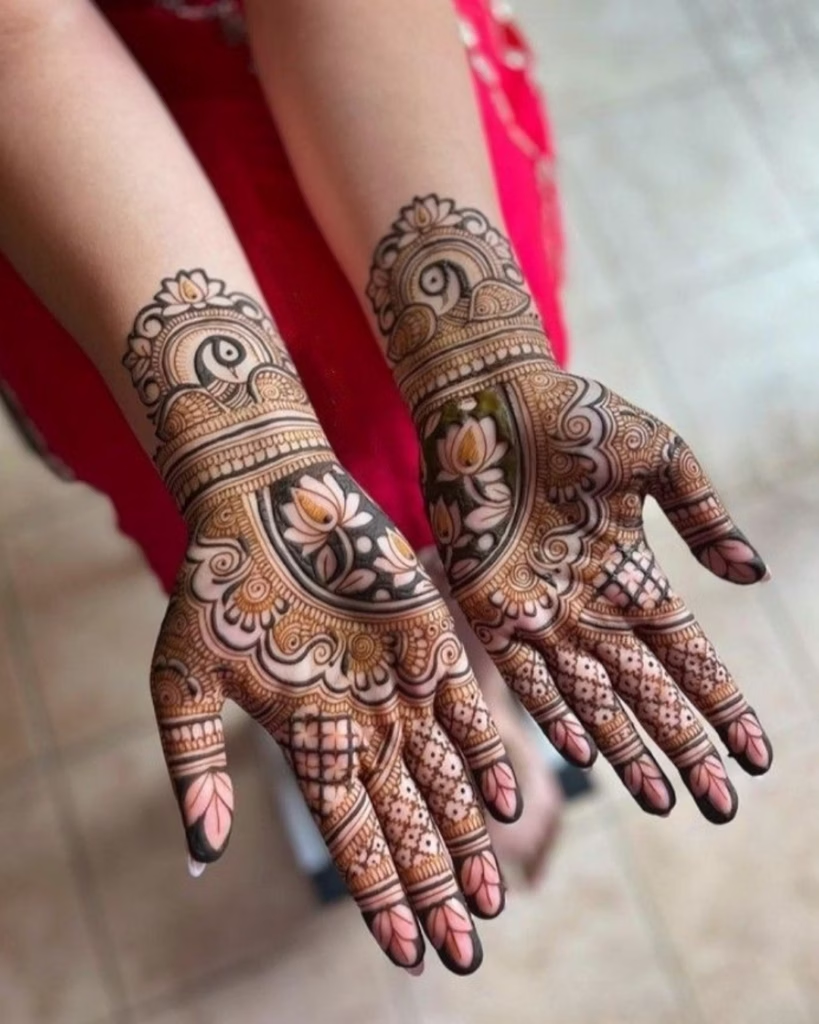
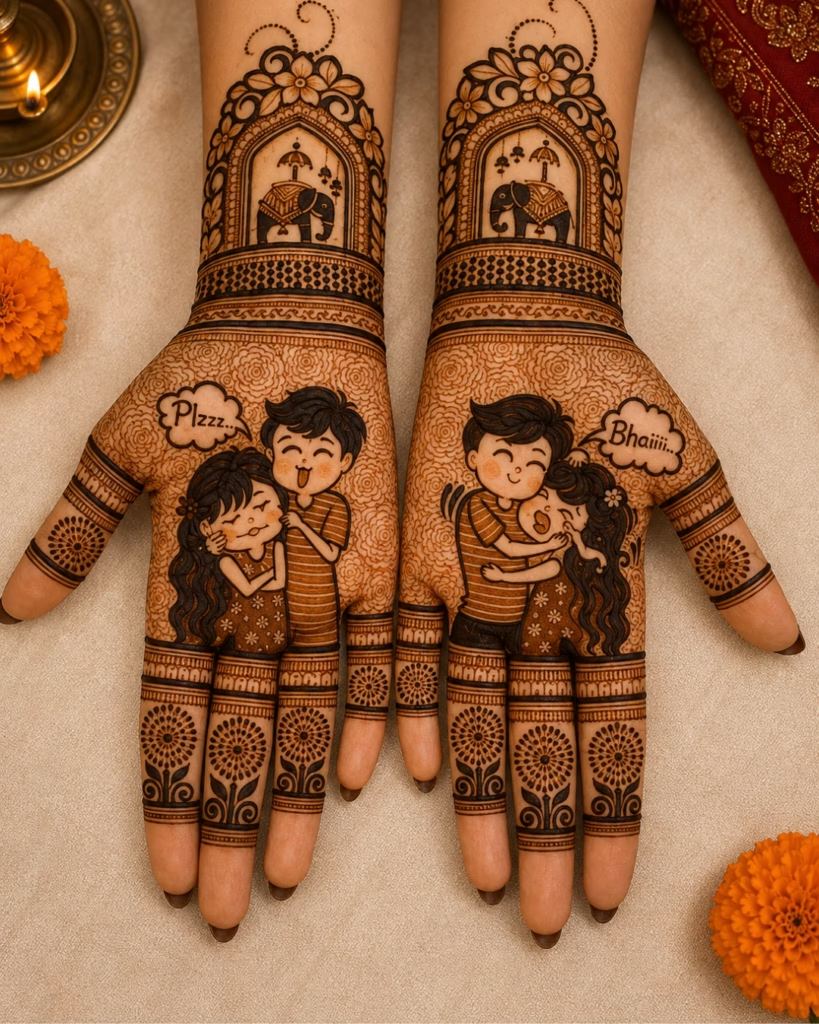
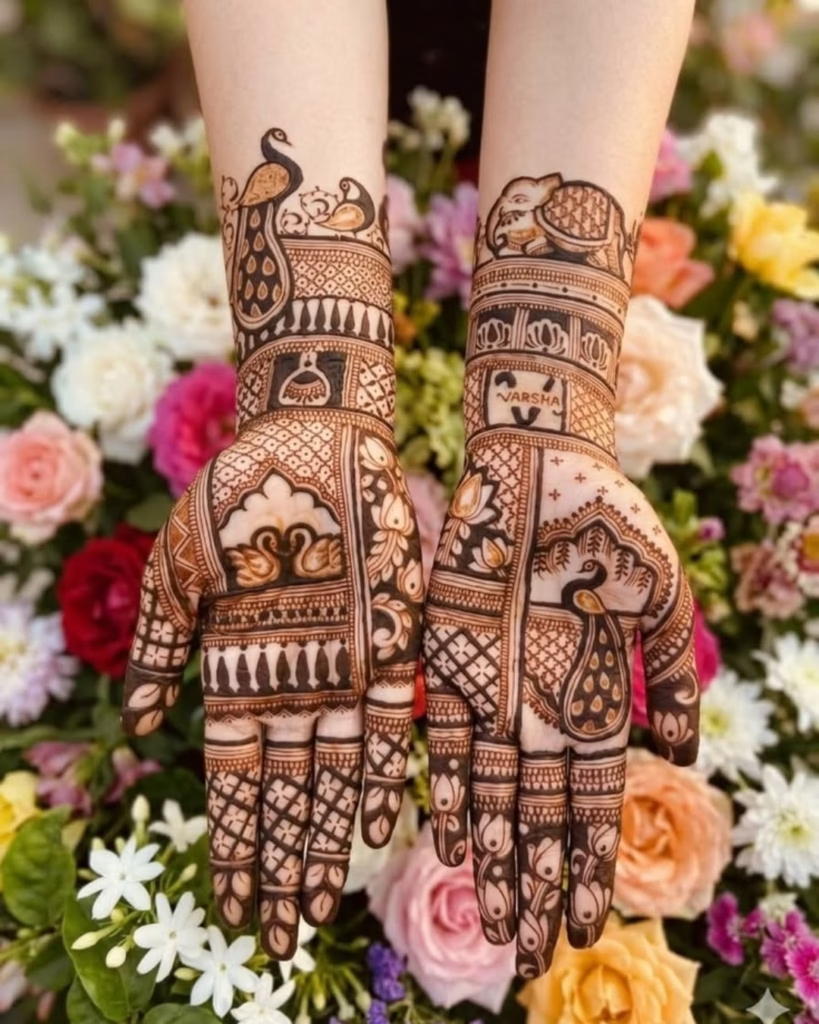
Bhai Dooj 2026 falls on Tuesday 10 November, two days after Diwali, and most sisters apply a quick finger design or small palm motif on 8 or 9 November. Since it lands right after the Diwali week, many keep the same design and simply let it carry over.
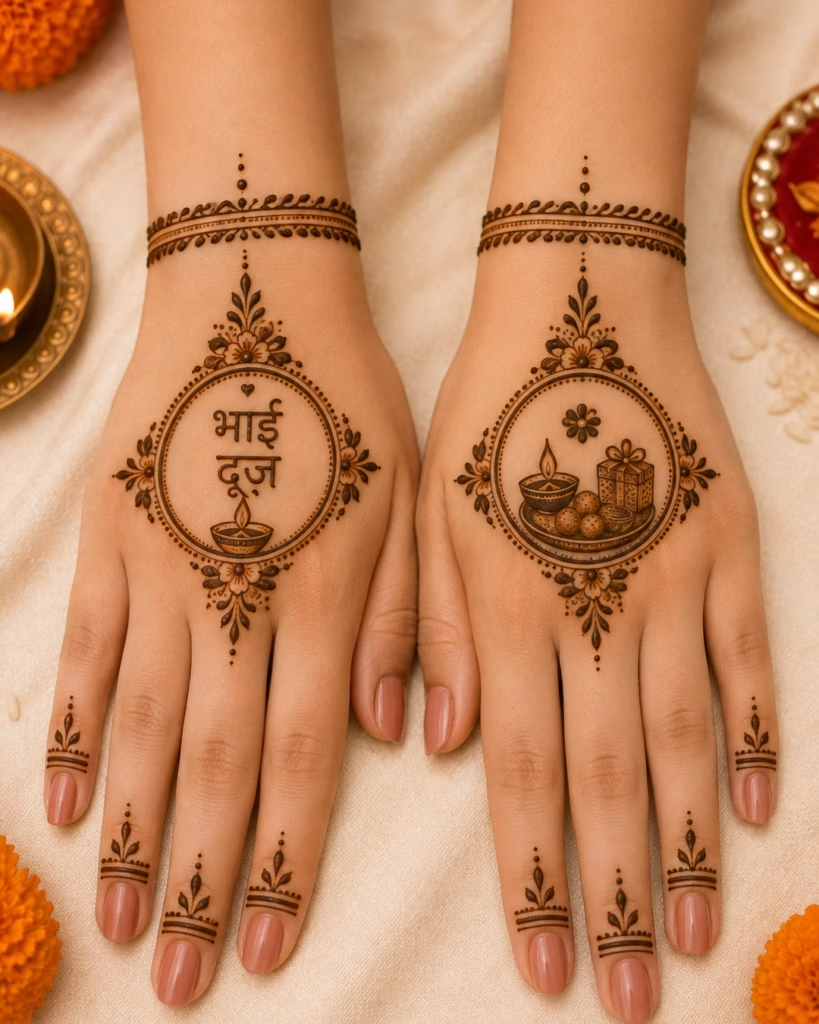
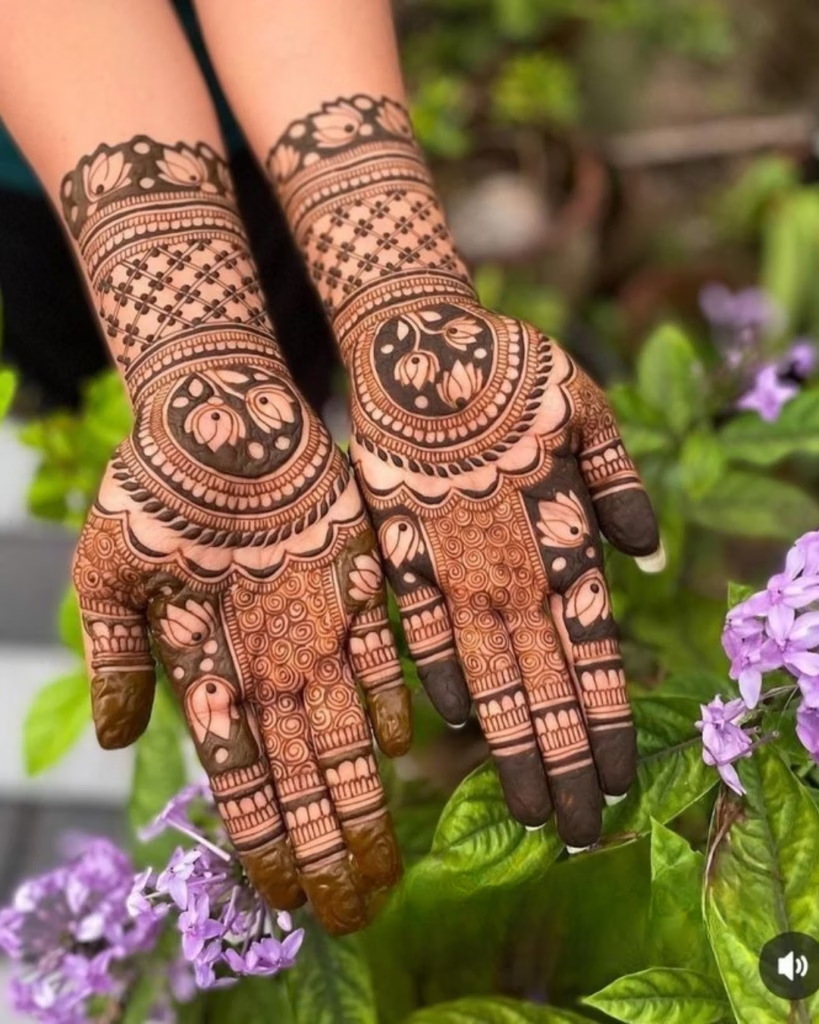
Quick Festival Mehndi Designs
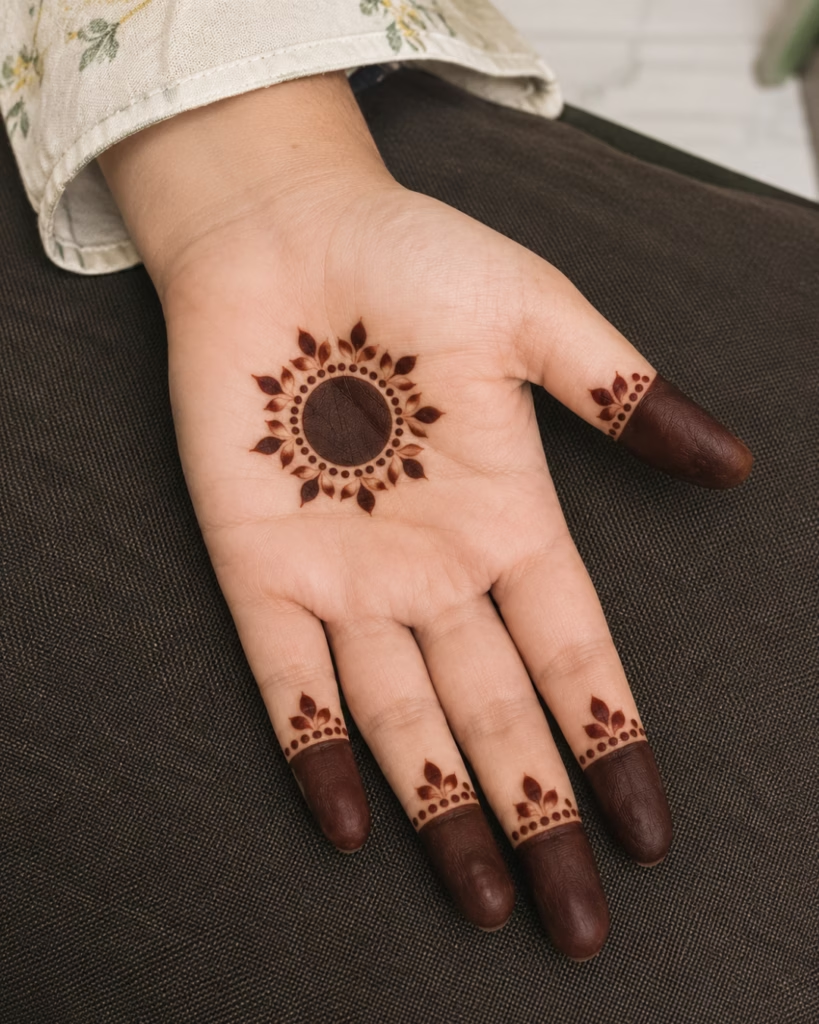
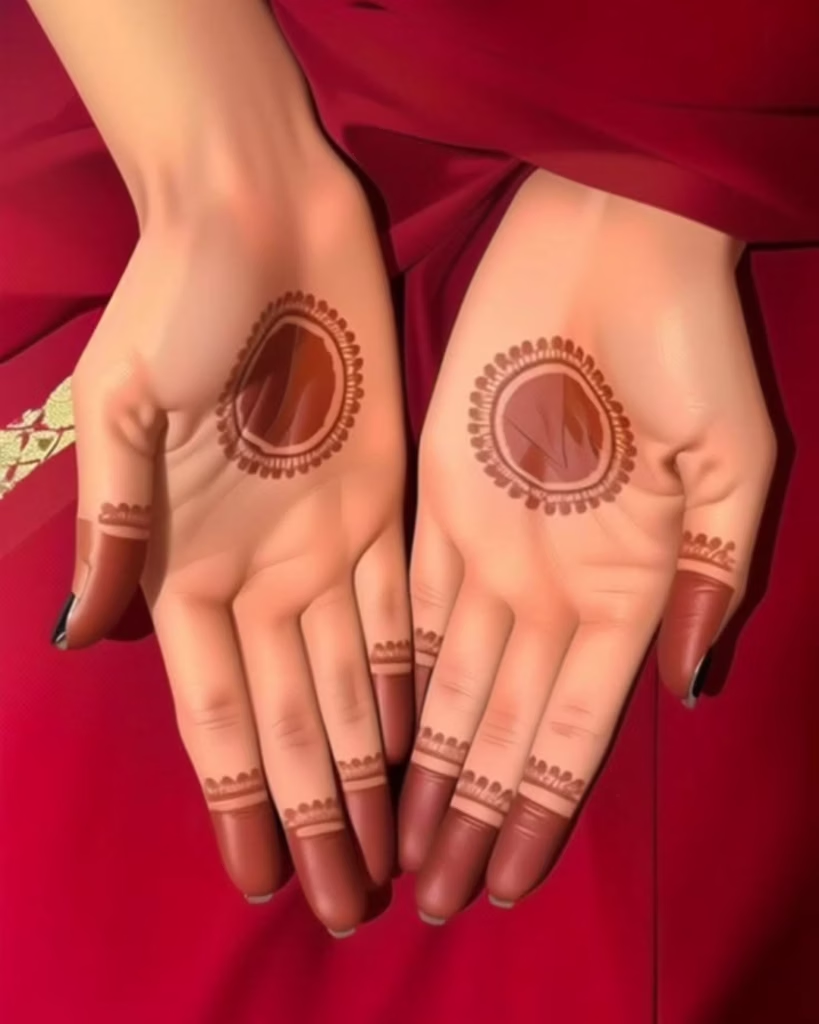
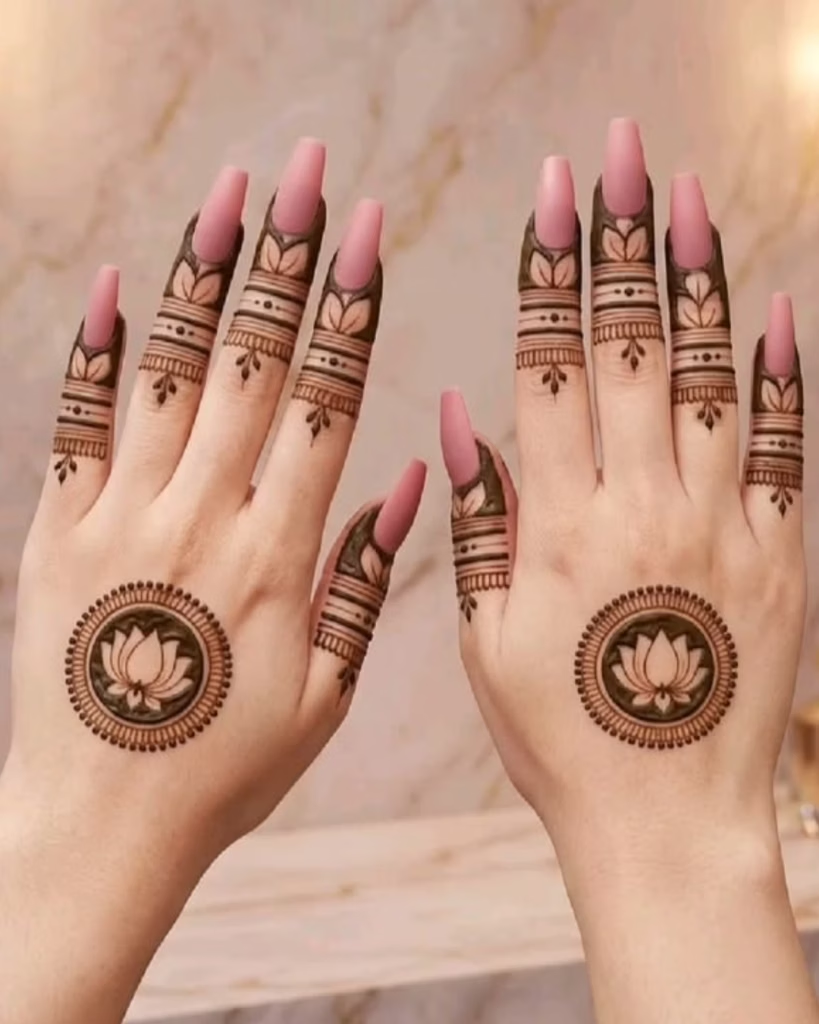
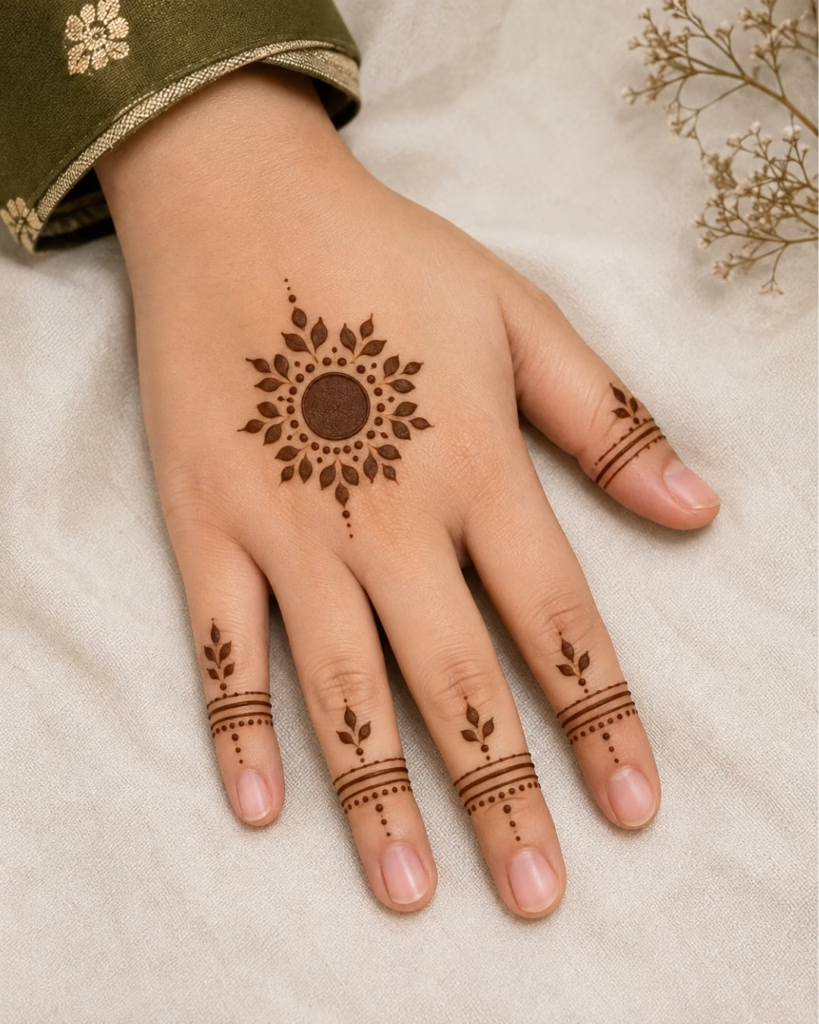
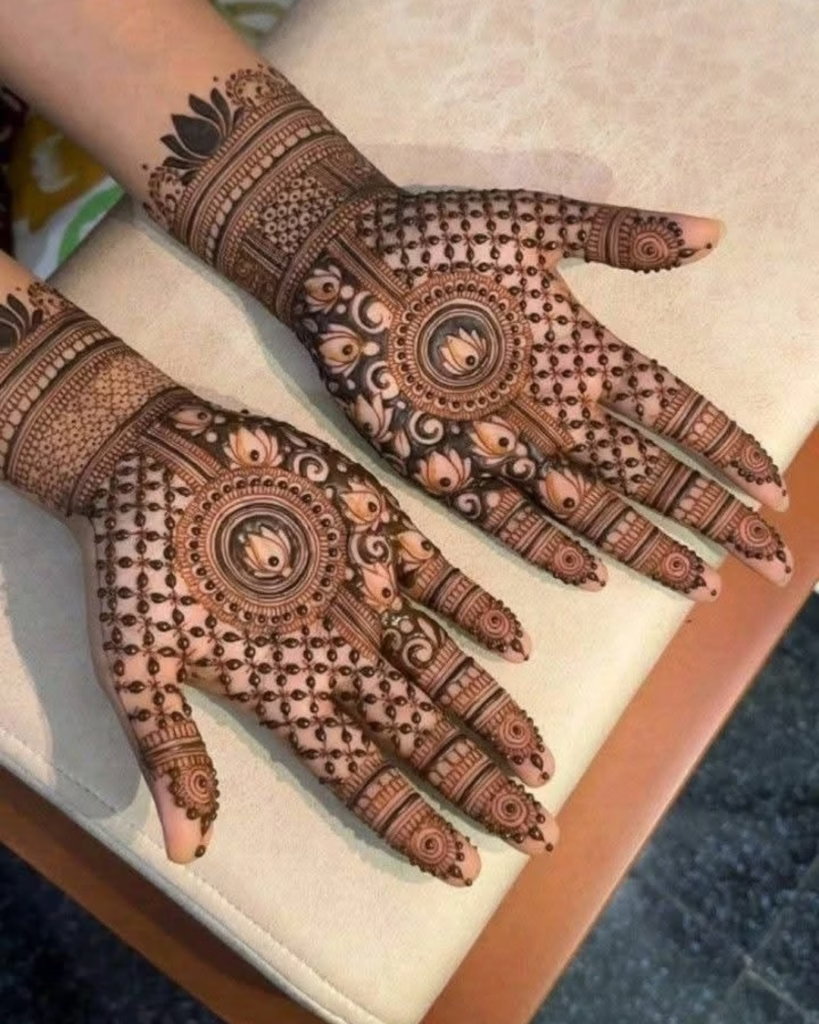
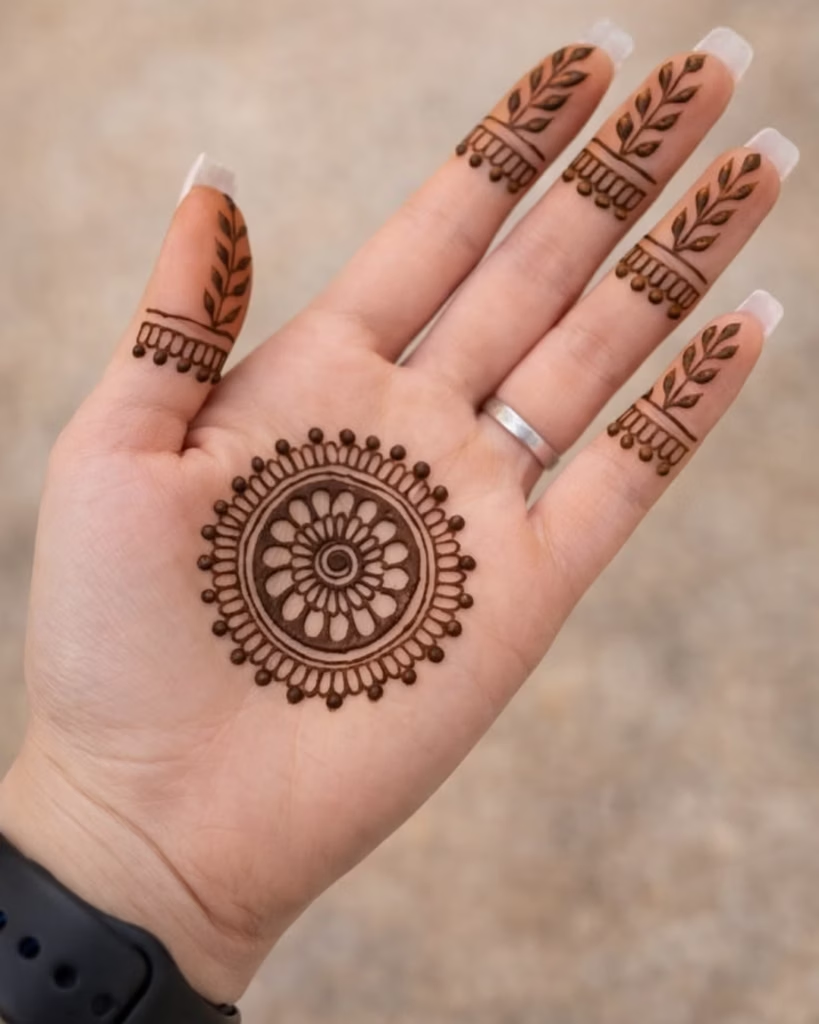
Rule of thumb: the busier the festival day, the simpler the design. Teej and Karwa Chauth are the exceptions, since mehndi is part of the ritual on both.
Mehndi Designs for Feet and Legs
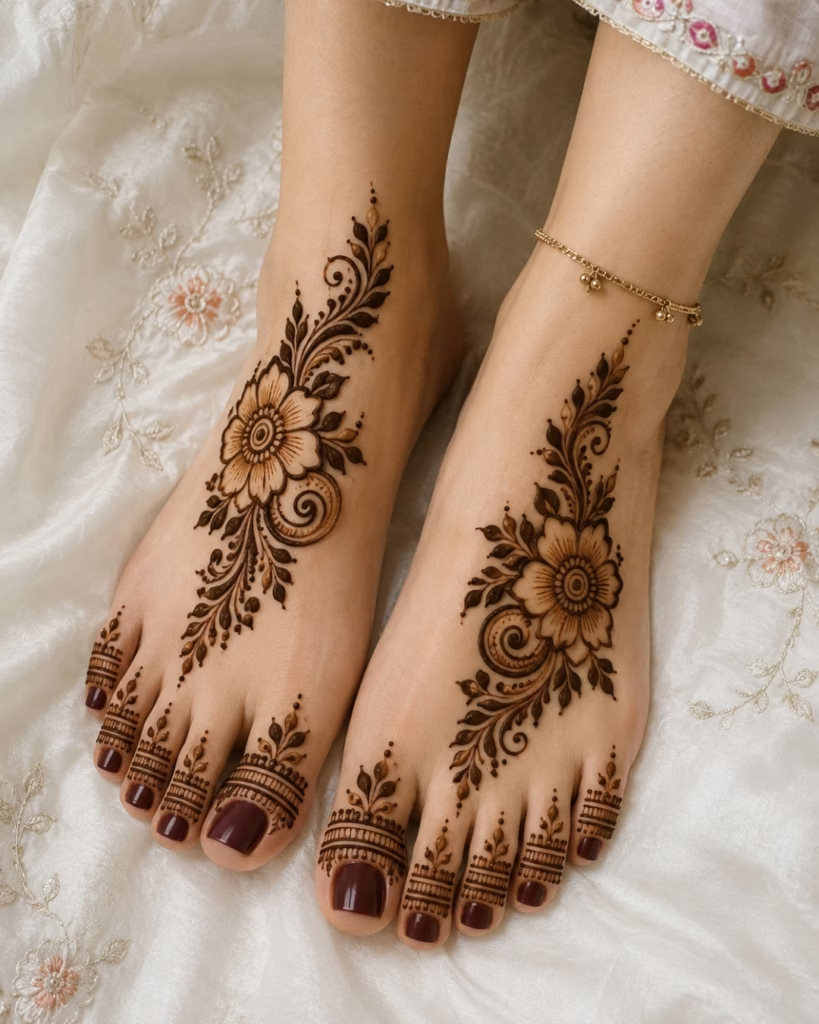
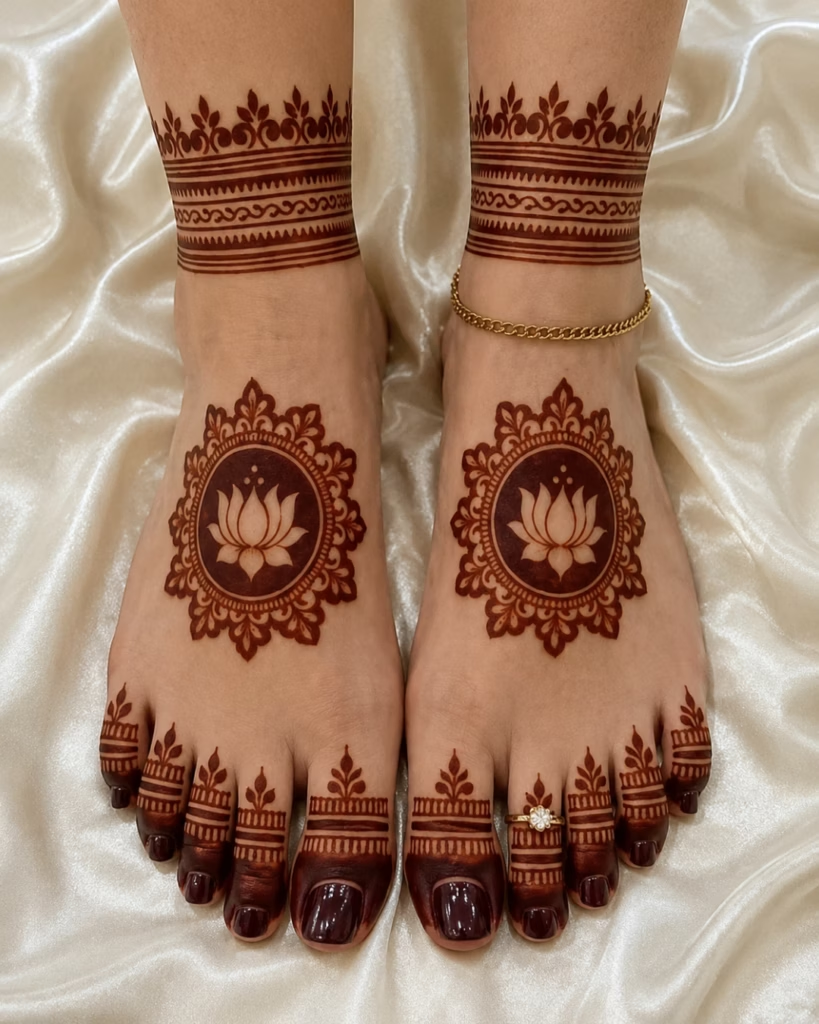
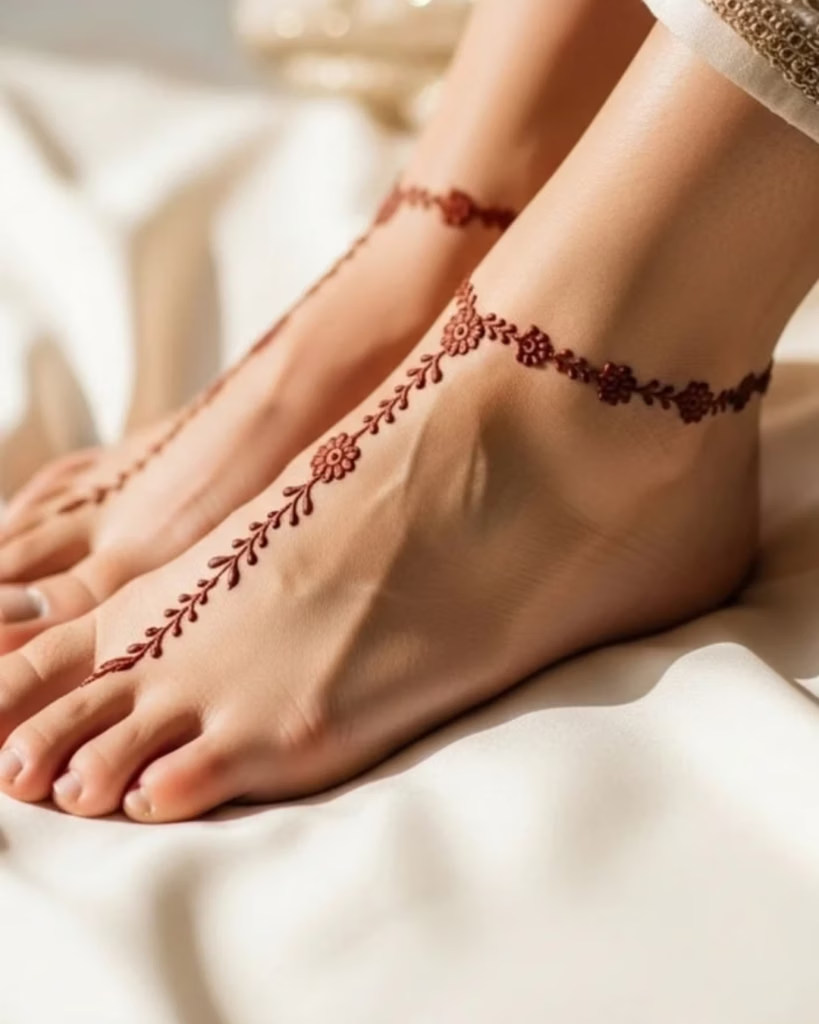
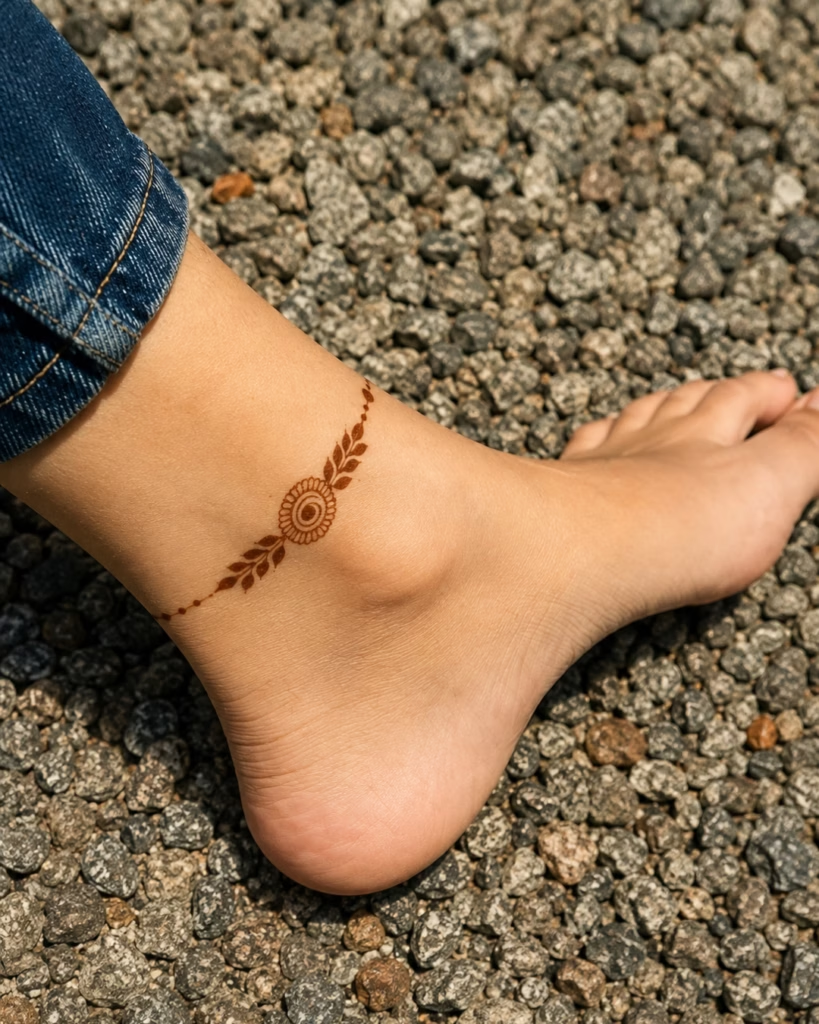
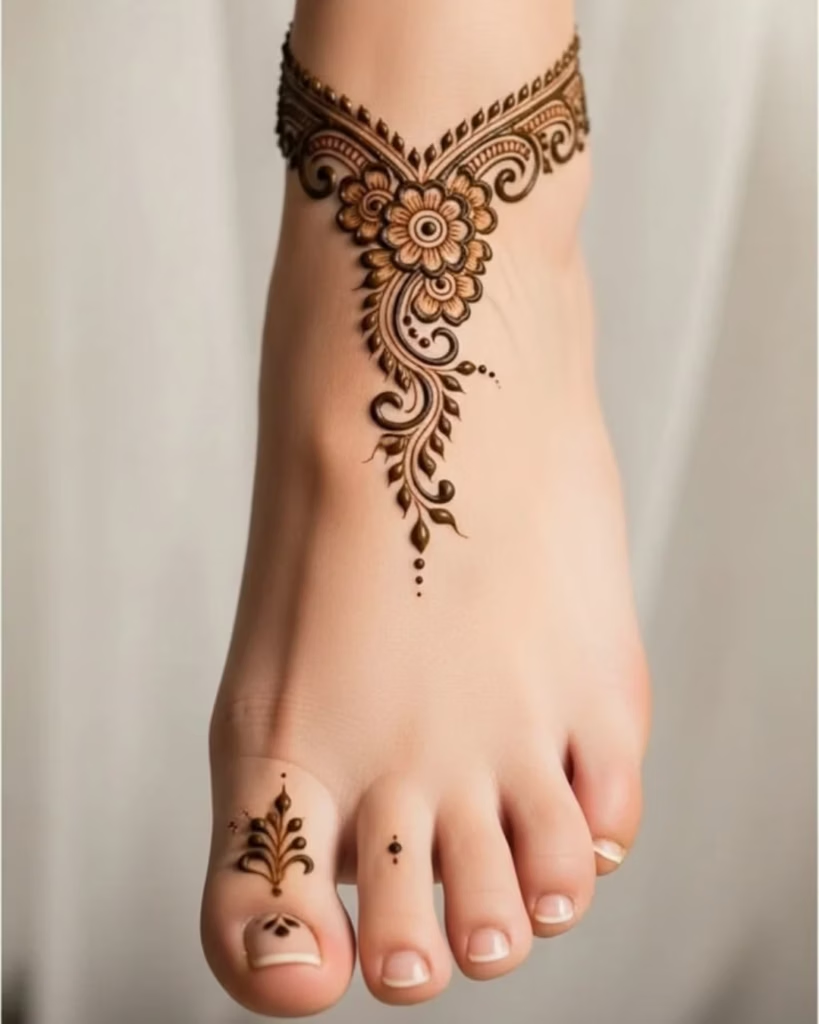
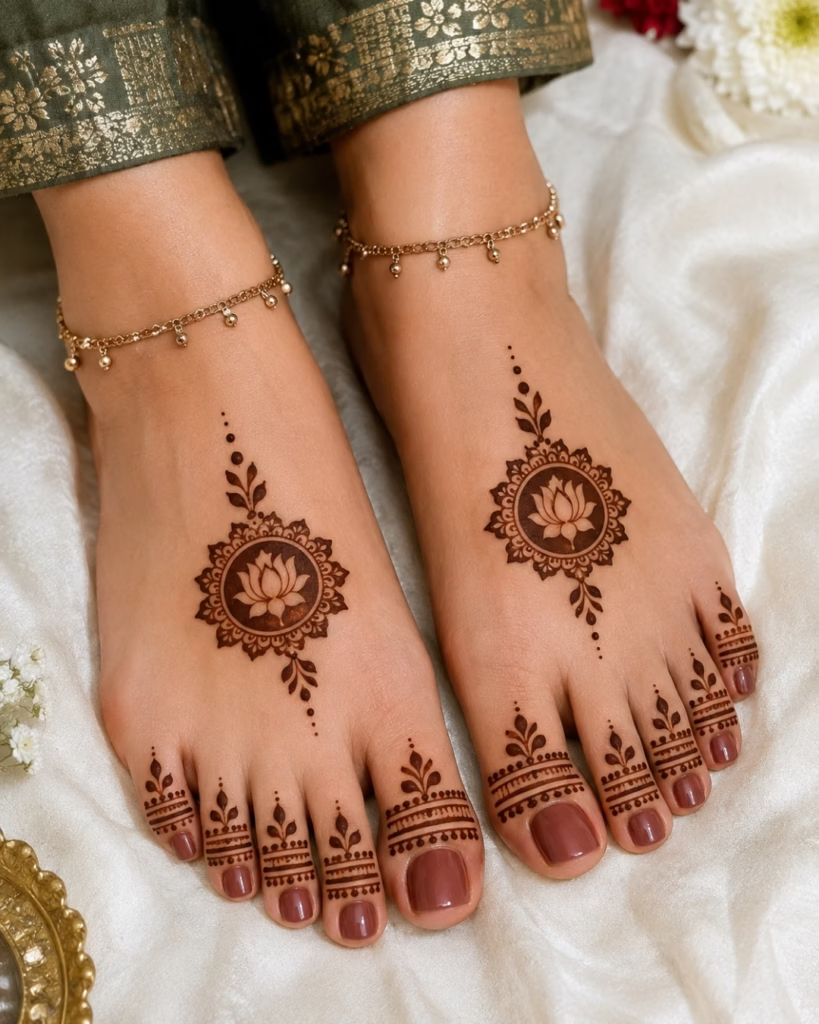
Feet mehndi designs stay simple: toe detailing and light patterns along the sides of the feet, since comfort matters most on a long wedding day. Designs on the tops of the feet photograph best with open sandals and payal.
Simple Mehndi Designs for Kids
Simple mehndi designs for kids use tiny flowers, dots, hearts and short trails that finish in 5 to 10 minutes, because children rarely sit still longer than that. Small palm tikkis and single-finger designs are the most popular kids styles, especially before Raksha Bandhan when the whole family applies mehndi together.
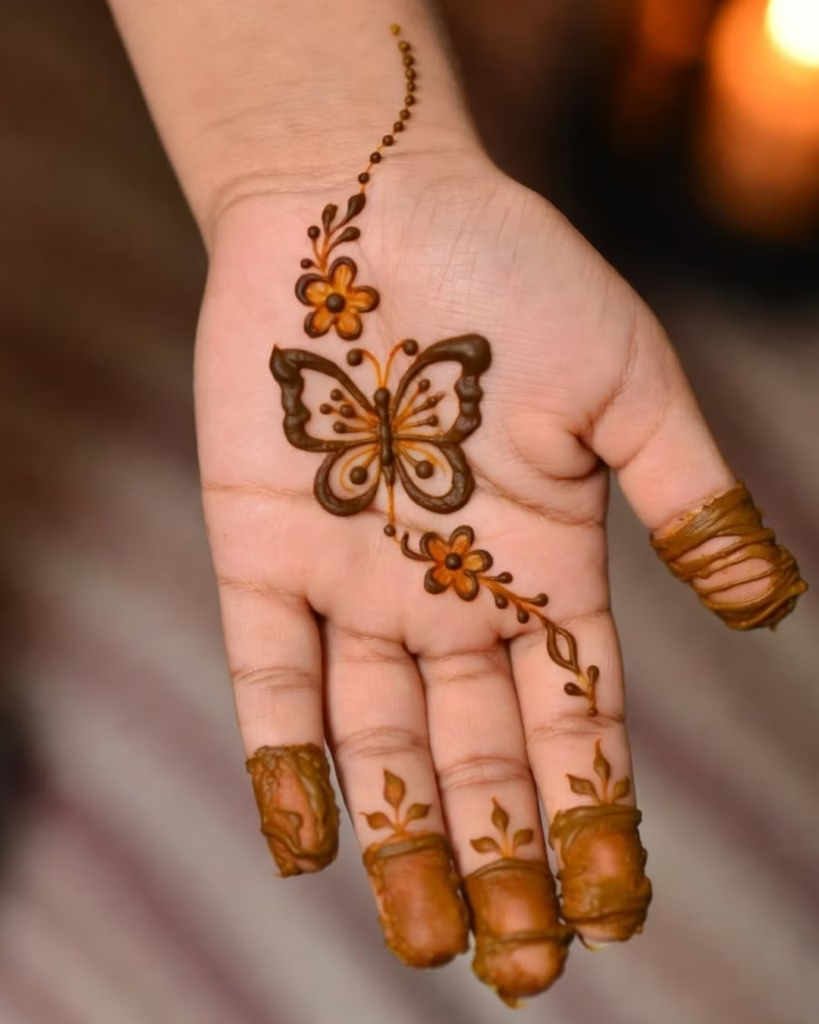
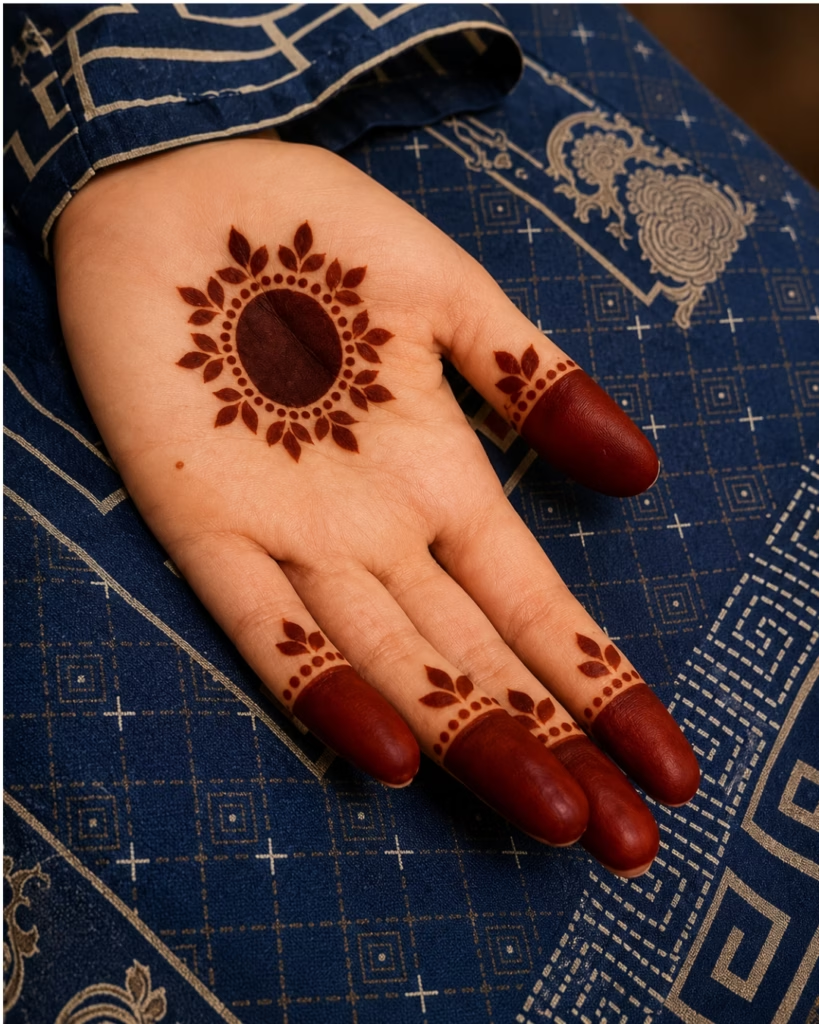
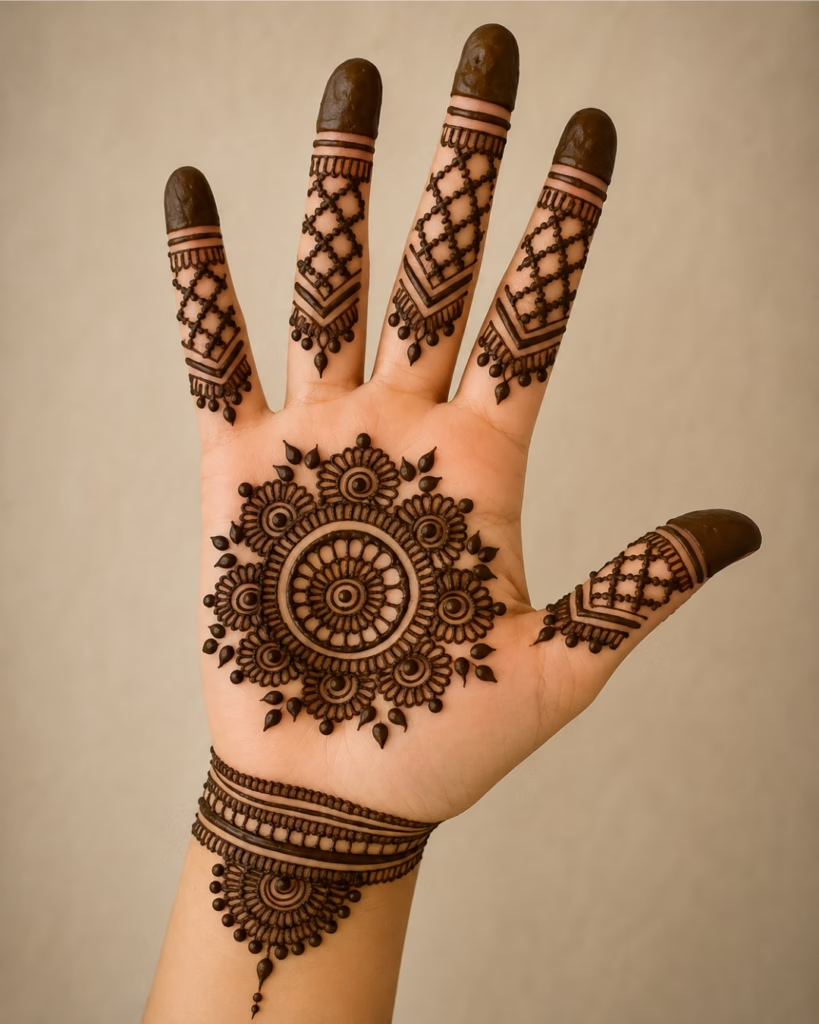
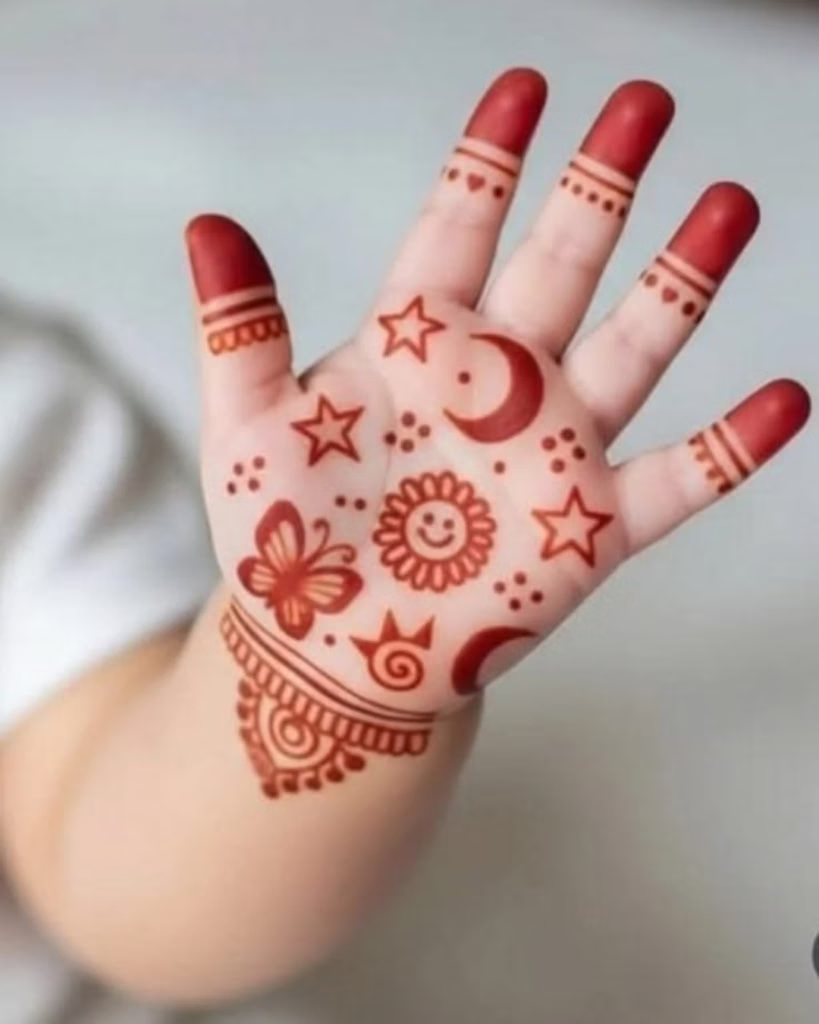
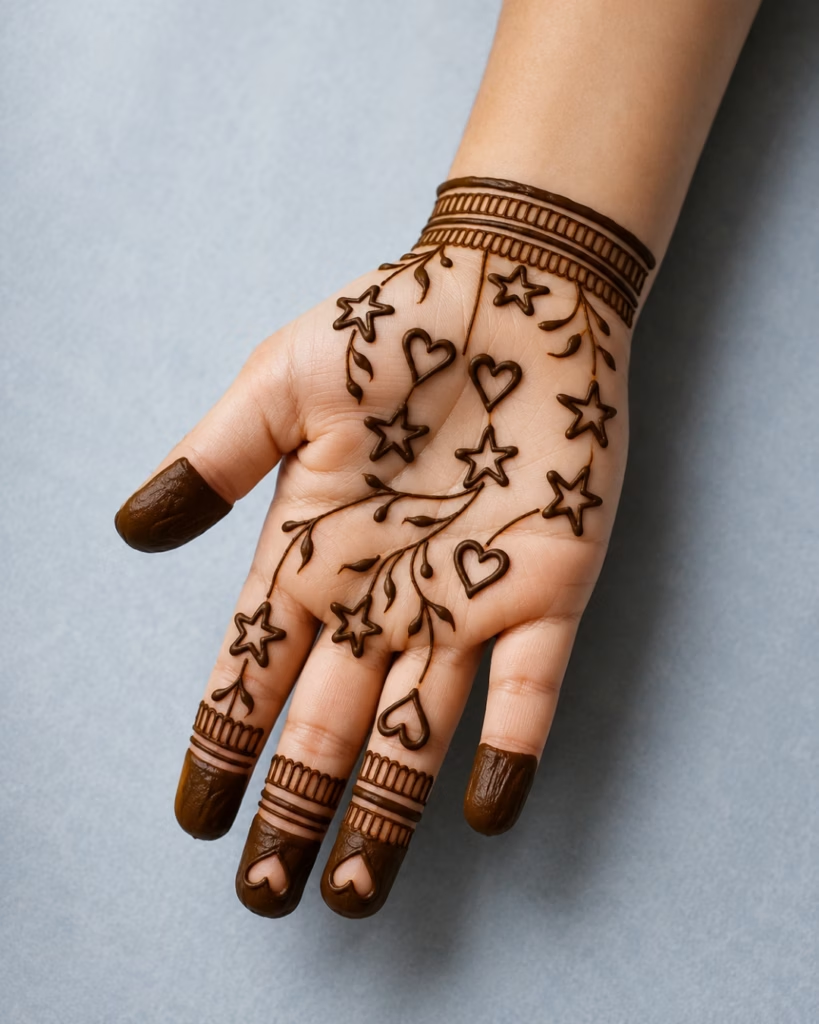
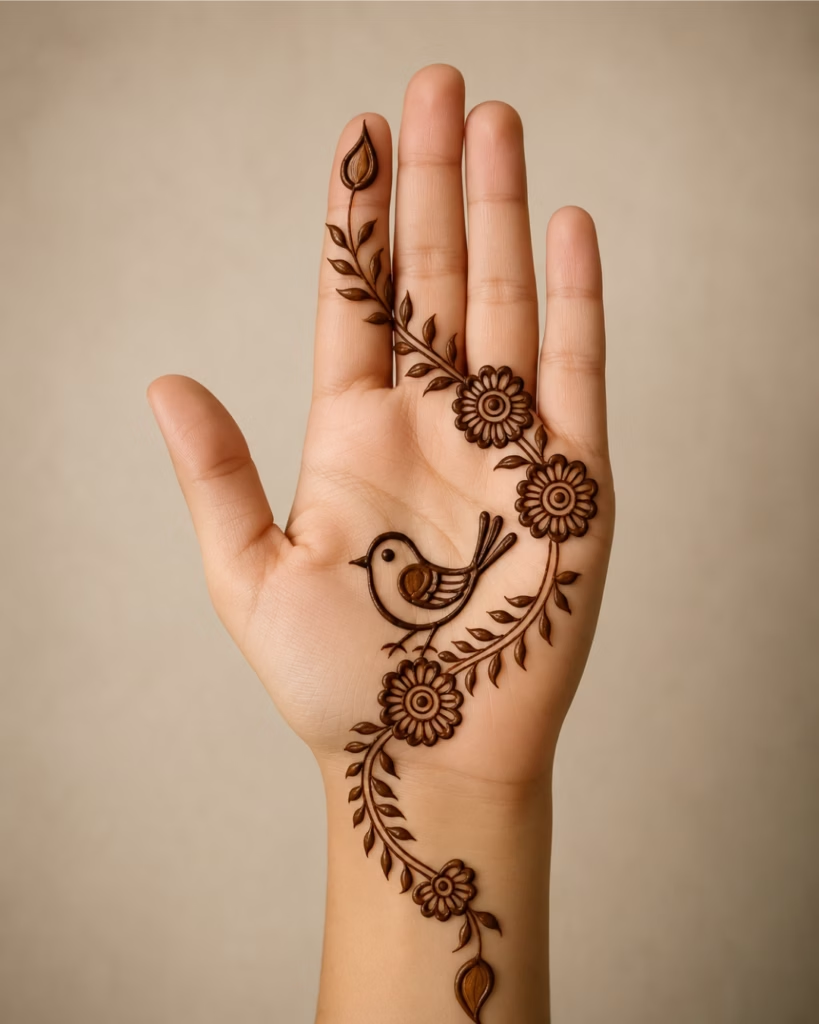
Best for kids: designs on the back of the hand rather than the palm, since kids wash hands often and back hand designs survive longer.
Mehndi Design Types Compared
| Style | Time | Best for |
| Simple | 15 to 30 min | Festivals, office, beginners |
| Minimal | 20 to 30 min | Engagements, modern brides |
| Small / Short | Under 15 min | Last minute, daily wear |
| Arabic | 30 to 60 min | Engagements, quick bridal |
| Front hand | 30 to 60 min | Photos, greeting guests |
| Back hand | 30 to 45 min | Outdoor functions, bridesmaids |
| Full hand | 90 min to 5 hrs | Brides, main wedding day |
| Traditional Indian | 3 to 5 hrs | Weddings, Karwa Chauth |
| Kids | 5 to 10 min | Children at functions |
Tips for a Dark Mehndi Colour
To get a dark mehndi colour, keep the paste on for 6 to 8 hours, dab a lemon-sugar mix once it is semi-dry, avoid water for 24 hours after removal, and seal with coconut or mustard oil. The stain keeps darkening for 48 hours, so apply mehndi 1 to 2 days before your event.
- Wash hands before application so henna binds to clean skin
- Leave the paste on 6 to 8 hours, overnight is even better
- Dab lemon-sugar lightly on semi-dry paste
- No water for 20 to 24 hours after scraping the paste off
- Warmth deepens the stain, rub a little oil after removal
Planning a Mehndi Ceremony at a Destination Wedding?
A mehndi ceremony at a destination wedding is usually a daytime function with 2 to 4 mehndi artists, floral decor and light music, held a day before the wedding. Venues in Udaipur, Jaipur and Goa offer courtyards and lawns that are made for it.
If you are building the full picture:
- Lock your dates with the shaadi muhurat 2027 list
- Follow our wedding checklist for brides for the mehndi-to-wedding timeline
- Match your mehndi outfit with the bridal lehenga guide
- Coordinate the look with our Indian bridal makeup guide
- Style the function itself with these haldi and mehndi decoration ideas
- See the courtyards at palace wedding hotels in Udaipur and wedding venues in Jaipur
Final Thoughts
A wedding does not start on the wedding day. It starts with the mehndi, the first function where families actually sit together and the celebration begins.
If you are planning a destination wedding anywhere in India, a palace, a beach, a hill station, we help with the practical side: venues, dates, functions, vendors and guest movement. Most of it starts with one simple conversation.
Email: info@destinationweddingsindia.com
Phone: +91-9220900868
Mehndi FAQs
Which mehndi design is best for beginners?
Simple mehndi designs with dots, single floral motifs and short finger trails are best for beginners. They take 15 to 30 minutes, need no advanced cone control, and fade gracefully.
How long should mehndi be left on for good colour?
Keep mehndi paste on for at least 6 to 8 hours for a deep brown stain. Under 5 hours gives colour but not the dark shade most people want. Overnight is ideal if you can sleep carefully.
When should mehndi be applied before a wedding or event?
Apply mehndi 1 to 2 days before the event, not the night before. The stain looks orange at first and deepens into rich brown over 24 to 48 hours, so day-before application peaks exactly on your function day.
Which mehndi design is best for Hariyali Teej?
Full front hand designs with peacock and jhula (swing) motifs are traditional for Teej. Pair the design with green bangles and green outfits, the signature Teej look. Hariyali Teej 2026 is on Saturday, 15 August.
How early should I apply mehndi before Raksha Bandhan?
Apply Rakhi mehndi the evening before or the morning of Raksha Bandhan. Quick finger designs and small palm tikkis dry within an hour and are ready before the ceremony. Raksha Bandhan 2026 is on Friday, 28 August, with the main rakhi muhurat in the morning, so apply mehndi by the evening of 26 or 27 August.
Why does mehndi turn darker on palms and feet?
Palms and soles have thicker skin, so henna binds deeper there and the colour lasts longer. A dark palm centre with lighter wrists is completely normal.
What helps after applying mehndi?
Dab lemon-sugar on semi-dry paste, avoid water for 20 to 24 hours after removal, and rub coconut or mustard oil to seal the colour. That is all it takes.
How long does mehndi keep darkening after the paste comes off?
Mehndi keeps darkening for 24 to 48 hours after removal. The bright orange you see at first is not the final colour; judge it on day two.
Which mehndi design is best for kids?
Tiny flowers, dots and short trails that finish in 5 to 10 minutes are best for kids. Back hand placement lasts longer since kids wash their hands often.
How many types of mehndi designs are there?
The main types are simple, minimal, Arabic, traditional Indian, Rajasthani, front hand, back hand, full hand, festival and kids designs. Each differs mainly in density, placement and application time.
What is minimal mehndi design?
Minimal mehndi uses thin khafif lines with open space around the motifs. The stain comes up warm amber rather than near-black, and it fades evenly instead of turning patchy.
Which mehndi design is the smallest and quickest?
A small round tikki with a dot border in the centre of the palm is the quickest, finishing in under 15 minutes. A single trail on the back hand takes about the same time.
What is the difference between Arabic and traditional Indian mehndi?
Arabic mehndi uses bold florals moving diagonally across the hand with open space between motifs. Traditional Indian mehndi fills the full palm with dense fine line work, paisleys and jaal mesh.
Should mehndi be applied on the front hand or the back hand?
Front hand for photos and greeting guests, since the palm faces upward during rituals. Back hand for outdoor functions and anyone wearing statement rings. Many people apply both, with a detailed palm and lighter back hand.
What is finger mehndi design?
Finger mehndi concentrates the design on the fingers with knuckle bands, henna rings or full-length wraps, while the palm below stays bare. It is one of the biggest placement trends of 2026.
What is aesthetic mehndi design?
Aesthetic mehndi uses clean lines, geometric shapes and deliberate asymmetry instead of traditional motifs. It is the style most saved from Instagram and Pinterest in 2026.
Which mehndi design is best for girls?
A small palm motif with two decorated fingers, or a back hand bracelet trail, finished in 20 to 30 minutes. These read modern and stay comfortable for school and college functions.
When should I apply mehndi before a festival?
Apply 1 to 2 days before. The stain keeps darkening for 24 to 48 hours, so a design applied the night before peaks exactly on the festival day.
Which mehndi design is best for Navratri?
A light design you can wear comfortably through nine days of garba. Navratri 2026 begins on Sunday 11 October, so apply on 9 or 10 October.
Which mehndi design is best for Karwa Chauth?
A mandala moon centred in the palm with traditional border work, since the moon is the ritual’s central image. Karwa Chauth 2026 falls on Thursday 29 October, so apply on 27 or 28 October.
About the Author
Destination Weddings India is India’s most trusted destination wedding venue booking platform, helping 2,000+ couples every month find and book their perfect wedding venue across 30+ premium destinations in India and 6 international locations including Dubai, Abu Dhabi, Ras Al Khaimah, Bahrain, Sri Lanka, and Thailand.
From royal palaces in Udaipur and Jaipur to beachfront resorts in Goa and hillside retreats in Shimla, DWI’s curated portfolio covers 700+ handpicked properties across luxury, heritage, and boutique categories spanning 8 wedding types: Palace, Beach, Hillside, Backwater, Desert, Forest, City, and Cruise.
Every venue we recommend is personally vetted by our team of wedding specialists. Every article, guide, and resource we publish is grounded in real booking experience and genuine venue knowledge, not sponsored content, not generic advice, and not information copied from hotel brochures.
Since 2021, DWI has built one of India’s largest and most reliable destination wedding venue networks, trusted by couples across India, the UAE, the UK, the USA, Canada, and Australia.
2,000+ Couples Monthly | 700+ Venues | 30+ Destinations in India | 6 International Destinations | Active Since 2021