
Most wedding checklists for bride treat all of this as one flat list, buy the dress, book the makeup artist, get the documents sorted, somewhere in there. That’s backwards. What needs doing at month ten looks nothing like what needs doing at week one, and the two get confused constantly.
This checklist is organized by when things actually need to happen, starting with what’s currently shifting in bridal styling, then the full month-by-month breakdown.
Table of Contents
What’s In and What’s Out: 2026 Bridal Styling
A few shifts in bridal styling are showing up consistently enough this year that they’re worth knowing before you start shopping, not discovering halfway through.
1. Out: Chunky Red Heels | In: Bejewelled Sneakers & Statement Flats

Once a mehndi, haldi, sangeet, and main ceremony are stacked across consecutive days, comfort stops being optional. A good pair of embellished sneakers keeps the sparkle without punishing your feet by hour six.
2. Out: Heavy Braids | In: Minimal Braids with a Modern Twist
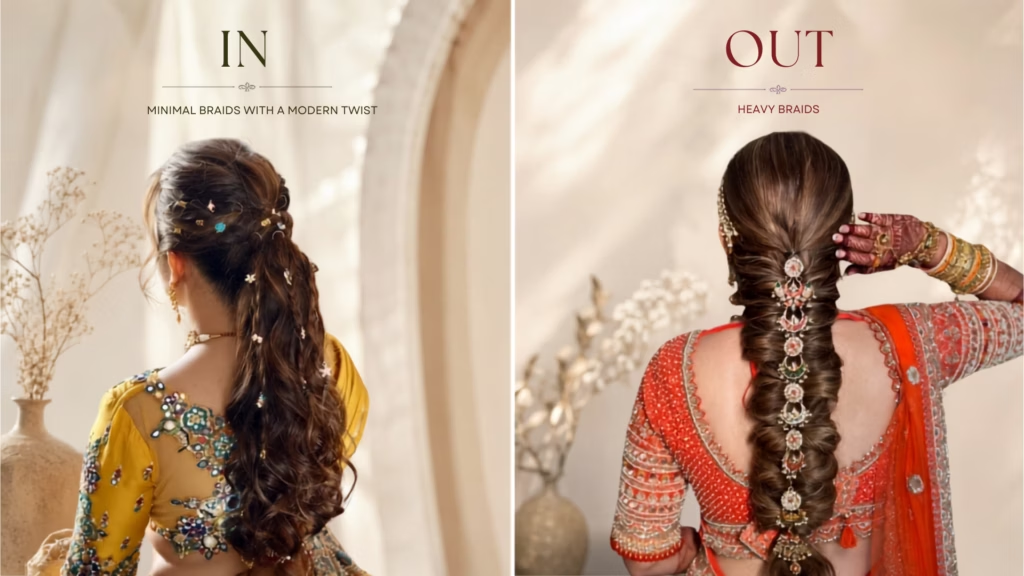
Soft twists and loose waves photograph less staged than an intricate oversized braid, and honestly, they hold up better across a twelve-hour day without a mid-ceremony fix.
3. Out: Traditional Red Chooda | In: Pink & Pastel Chooda
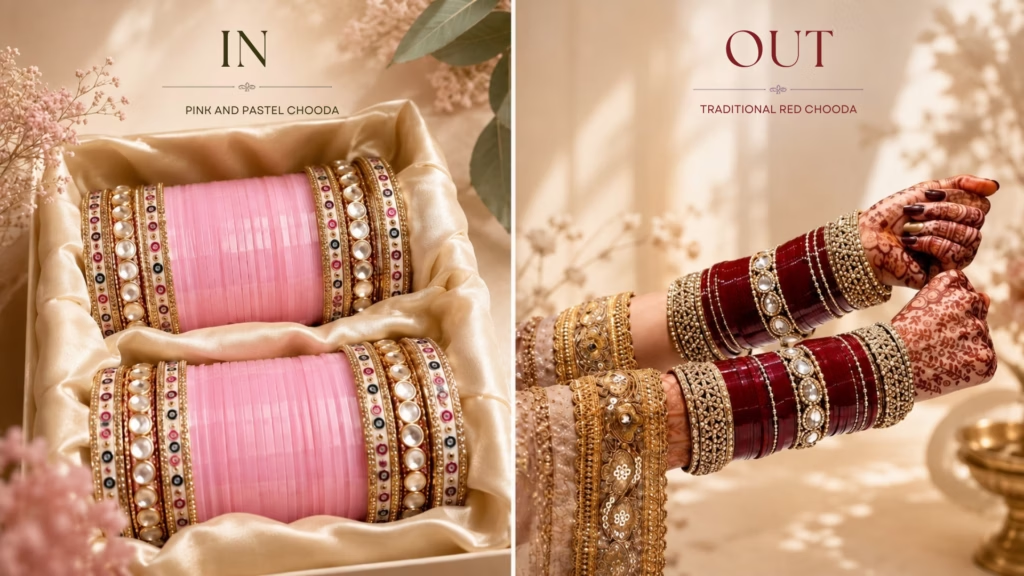
Red isn’t going anywhere, and plenty of families will always want it. Pastel and blush chooda are just showing up more often now, mostly among brides building a softer palette across their looks.
4. Out: Kaan Chain Earrings | In: Kashmiri Earrings
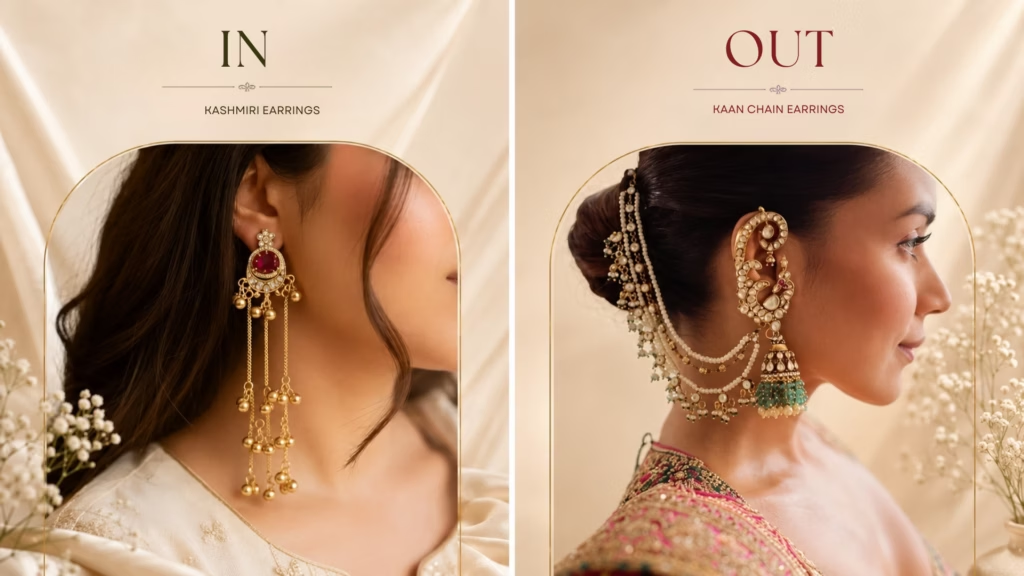
Kashmiri earrings carry the same heritage weight as a kaan chain, minus the chain itself, which a lot of brides find genuinely easier to wear through a full day of ceremonies.
5. Out: Heavily Embellished Dupatta | In: Minimal Lace-Work Dupatta
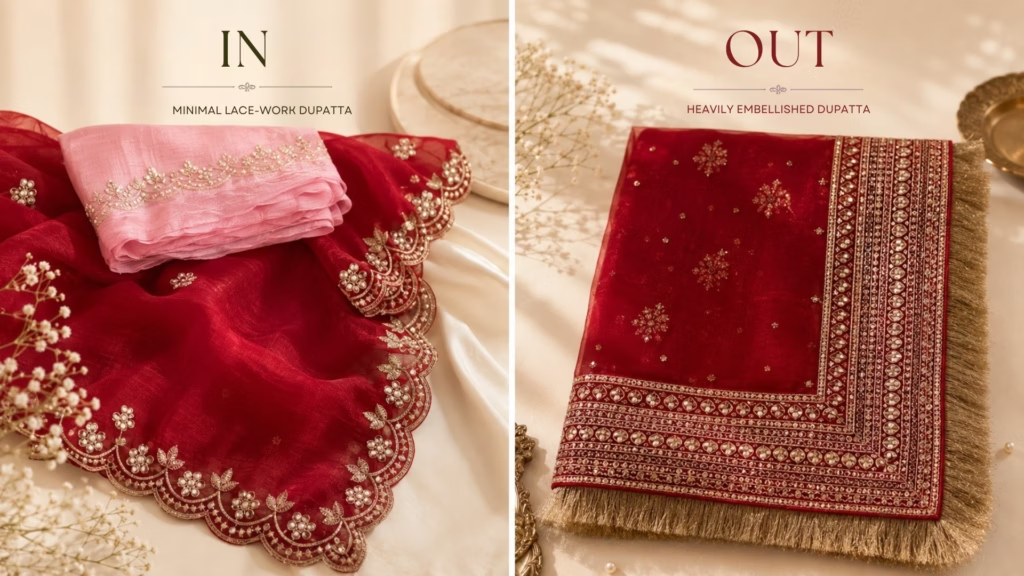
A lighter dupatta lets an already-detailed lehenga stay the actual focus instead of fighting with it for attention.
6. Out: Oversized Floral Jooda | In: Minimal Floral Bun
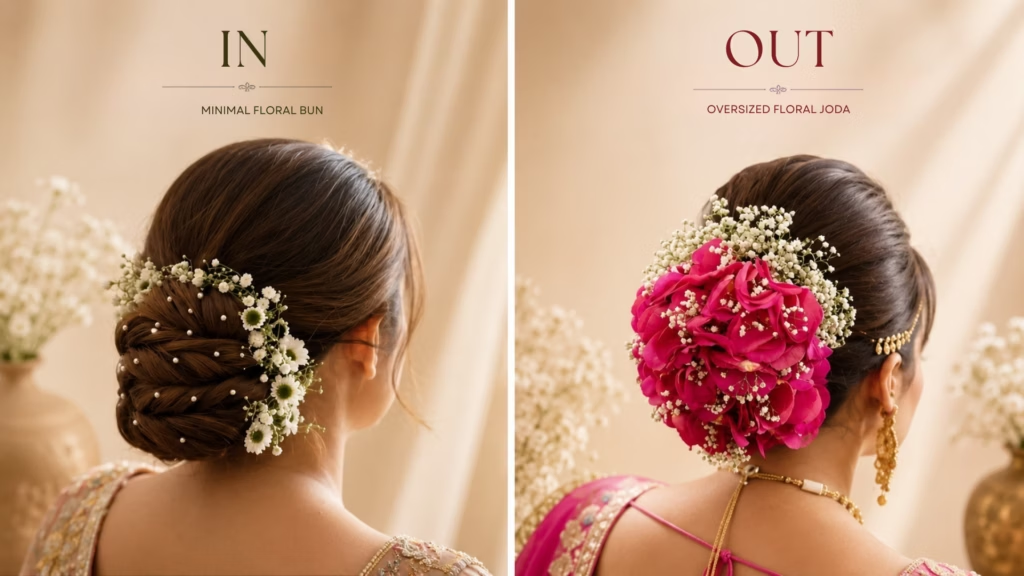
Smaller, more deliberate florals read as fresh instead of staged, and they simply hold up better through a long day than a full oversized arrangement does.
7. Out: Floral Jewellery for Haldi | In: Cowrie Shell Jewellery
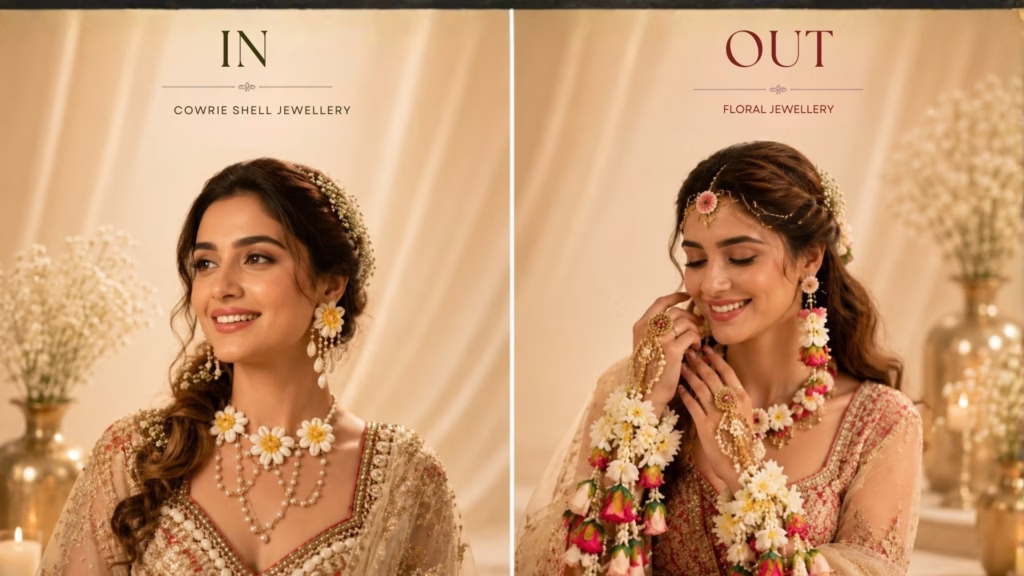
Cowrie shell pieces give haldi a distinctive look that isn’t just another floral set, which, let’s be honest, every haldi album already has plenty of.
None of this makes the classics wrong. A red chooda and a heavily worked lehenga still suit plenty of brides and plenty of family traditions exactly as they are. Think of this as what’s worth knowing before you shop, not a checklist of things to change.
Your 12-Month Wedding Checklist
10-12 Months Out: Foundation Tasks
This window is about decisions everything later depends on. Not shopping yet.
- Set a trousseau and beauty budget separate from your overall wedding budget. These two get mixed together constantly, and they shouldn’t be.
- Book your wedding planner, or confirm you’re managing solo and plan your own time accordingly
- Shortlist ceremony dates against muhurat timing if that applies to your family’s traditions
- Get a rough count of outfit changes you’ll actually need across mehndi, haldi, sangeet, the main ceremony, and reception
8-10 Months Out: Outfits and Jewelry
Outfit shopping for an Indian bride was never one dress. It’s a full trousseau spanning multiple ceremonies, and custom embroidery or tailoring needs real lead time to get right.
- Book fittings for your main ceremony outfit first. It typically carries the longest tailoring timeline of anything on this list.
- Shortlist mehndi, haldi, and sangeet outfits separately, since these often come from ready-to-wear collections rather than custom orders
- Start jewelry shopping alongside outfits, not after. Matching stones and metals to a finalized outfit is far easier than doing it the other way around.
- Decide your traditional-versus-contemporary mix now if you’re blending the two. It changes what you shop for at every stage after this one.
For outfit-specific guidance, DWI’s bridal lehenga guide covers silhouette and fabric decisions in more depth.
6-8 Months Out: Beauty, Skin, and Grooming
This is when regular skincare and grooming appointments should actually start, not the rushed month before everyone tries to squeeze it all in.
- Book a consultation with your bridal makeup artist and lock a trial date early. Good MUAs for peak season, October through February, are routinely booked six months out or more.
- Start longer-term skin treatments now if you’re doing them. Most need repeated sessions, and results tend to show up weeks later, not immediately.
- Schedule hair treatments or a cut with enough runway to see how it grows out or settles before the big day
- Book your mehndi artist early too, for the same peak-season reason. DWI’s bridal mehndi designs guide is worth a look before that consultation.
4-6 Months Out: Documents and Legal Tasks
The least glamorous section, and the one most brides push too far back.
- Confirm marriage registration requirements for your state or country. These vary more than people expect, and some carry waiting periods.
- If you’re taking your spouse’s name, start researching the document-update process for your passport, bank accounts, and official IDs. You can’t finish this until after the wedding, but understanding the trail now saves real time later.
- NRI brides and grooms should confirm exactly which documents need arranging from abroad. Courier and appointment timelines from outside India run longer than most couples budget for.
- Finalize your budget split across trousseau, jewelry, and beauty now that real vendor quotes are in hand, not the estimates you started with
2-4 Months Out: Fitness, Wellness, and Final Fittings
- Settle into a routine you can actually sustain rather than starting something aggressive this late. Dramatic last-minute changes tend to show up as stress in photos, not results.
- Schedule final outfit fittings once your body and any planned changes have settled
- Lock your sangeet choreography and rehearsal schedule if a performance is part of your celebration. DWI’s best Indian wedding songs list is a decent starting point if the playlist’s still open.
- Do a final makeup and hair trial, not your first one, so there’s still time to adjust anything that’s off
Final Month: Confirming Everything
- Confirm arrival times with your MUA, hairstylist, and photographer in writing, including where they’re coming from. Early-morning miscommunication is one of the most common sources of wedding-day stress, and it’s entirely avoidable.
- Pack outfits and jewelry for each ceremony separately and clearly labeled, not as one undifferentiated pile
- Assemble your emergency kit at least a week out. Not the night before.
- Get real sleep the two nights before your first ceremony, not just the night before the main event. Back-to-back ceremony days are more physically demanding than a single-day wedding, and it catches people off guard.
The Bridal Emergency Kit
- Safety pins and fashion tape for last-minute outfit fixes
- Blotting sheets and a small touch-up kit matching your MUA’s products
- A phone charger and a printed, not just digital, copy of your day-of schedule
- Comfortable footwear for moving between ceremony spaces, separate from your ceremony shoes
- Snacks and water. Multi-ceremony wedding days routinely run past normal mealtimes, and nobody plans for that until they’re hungry.
Frequently Asked Questions
When should a bride start her wedding checklist?
Ten to twelve months out is realistic for an Indian bride, mainly because trousseau tailoring, jewelry sourcing, and popular MUA or mehndi artist slots for peak season fill up that far in advance.
What should be in a bride’s wedding day emergency kit?
Safety pins, fashion tape, blotting sheets, a phone charger, a printed schedule, comfortable footwear separate from ceremony shoes, and snacks and water for a long multi-ceremony day.
How many outfits does an Indian bride typically need?
Most brides need a separate outfit per major ceremony, mehndi, haldi, sangeet, the wedding, and reception, though the exact number depends on family tradition and how many ceremonies are actually happening.
When should a bride book her makeup artist?
Popular MUAs in peak-season destinations often book six months or more ahead, so lock a trial date early rather than waiting until outfits and jewelry are finalized.
Do NRI brides need extra time for legal documents?
Yes. Courier timelines and appointment availability from outside India generally run longer than domestic ones, so NRI brides should start confirming document requirements earlier than someone planning entirely from within India.
Is red chooda still traditional, or has it gone out of style?
Red chooda remains meaningful and widely worn. Pastel and pink chooda are a growing alternative for brides matching a softer palette, not a replacement for the classic.
What’s the biggest mistake brides make with their checklist timeline?
Shopping for outfits and jewelry before setting a trousseau budget, which routinely leads to overspending early and compromising on pieces planned for later ceremonies.
Should beauty treatments start before or after outfit fittings are finalized?
Longer-term skin or hair treatments should start earlier, six to eight months out, since results build gradually, while final fittings work better closer to the wedding once any changes have settled.
About the Author
Destination Weddings India is India’s most trusted destination wedding venue booking platform, helping 2,000+ couples every month find and book their perfect wedding venue across 30+ premium destinations in India and 6 international locations including Dubai, Abu Dhabi, Ras Al Khaimah, Bahrain, Sri Lanka, and Thailand.
From royal palaces in Udaipur and Jaipur to beachfront resorts in Goa and hillside retreats in Shimla, DWI’s curated portfolio covers 700+ handpicked properties across luxury, heritage, and boutique categories spanning 8 wedding types: Palace, Beach, Hillside, Backwater, Desert, Forest, City, and Cruise.
Every venue we recommend is personally vetted by our team of wedding specialists. Every article, guide, and resource we publish is grounded in real booking experience and genuine venue knowledge, not sponsored content, not generic advice, and not information copied from hotel brochures.
Since 2021, DWI has built one of India’s largest and most reliable destination wedding networks, trusted by couples across India, the UAE, the UK, the USA, Canada, and Australia.
2,000+ Couples Monthly | 700+ Venues | 30+ Destinations in India | 6 International Destinations | Active Since 2021
Explore India’s finest destination wedding venues at: https://destinationweddingsindia.com/contact-us/